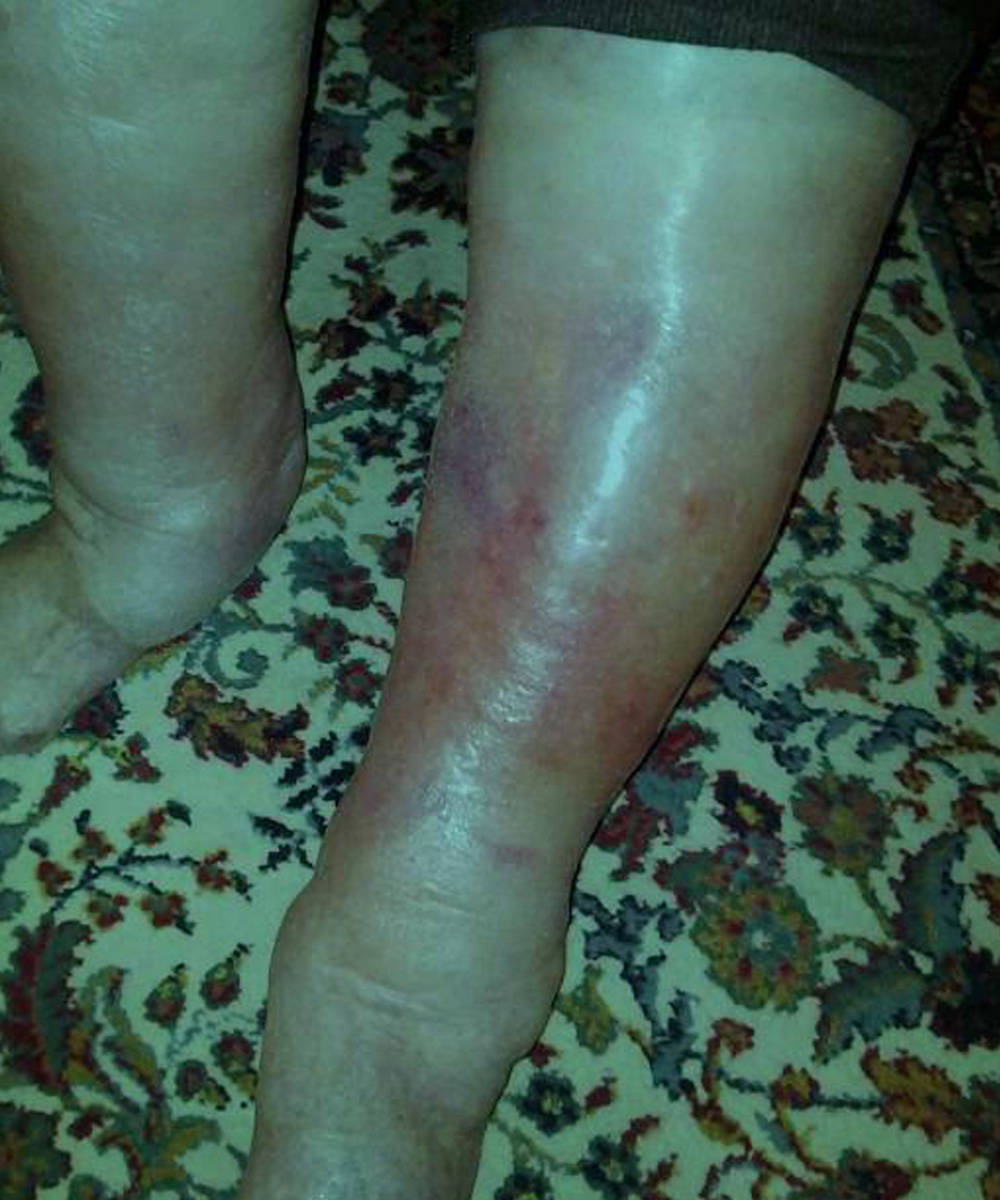
Most people are quick to dismiss minor skin changes—a small patch of redness, a bit of swelling, or a spot that looks slightly irritated. It is easy to assume it will simply fade away. However, some conditions that appear harmless at first can escalate into serious health concerns if they aren’t caught early.
One such condition is erysipelas, a bacterial skin infection that affects the upper layers of the skin and can spread with alarming speed.
What is Erysipelas?
Unlike many skin rashes that develop over several days, erysipelas often appears suddenly, sometimes within just a few hours. It is primarily caused by group A Streptococcus, the same bacteria responsible for strep throat. When these bacteria enter the body through a break in the skin—even one too small to notice—they can trigger an intense immune response.
Key Symptoms to Watch For
The infection has a very distinct “look” that sets it apart from a standard rash. If you notice these signs, it’s time to pay attention:
- Distinct Appearance: The affected skin becomes bright red, swollen, and warm.
- Raised Borders: One of the most recognizable features is a sharply defined, raised edge that makes the infected area stand out clearly from the healthy skin around it.
- Common Locations: It most frequently appears on the lower legs, but it can also show up on the face, specifically around the nose and cheeks.
- Systemic Signs: Because it is an infection, it often brings “whole-body” symptoms like fever, chills, fatigue, and general malaise.
Why It Spreads So Quickly
The speed of erysipelas is one of its defining traits. A small red spot in the morning can become a large, painful area by sunset. This happens because the bacteria travel through the lymphatic system, which is responsible for fluid regulation and immune defense. As the bacteria move through these vessels, they trigger widespread inflammation.
Who is at Risk?
While anyone can contract erysipelas, certain factors make the skin more vulnerable to bacterial entry:
- Skin Conditions: Eczema, athlete’s foot, or chronic fungal infections that cause small cracks in the skin.
- Circulatory Issues: People with lymphedema or poor circulation are at a higher risk because their bodies struggle to clear fluid and bacteria effectively.
- General Health: Diabetes, obesity, and a weakened immune system can all make it harder for the body to fight off the initial infection.
Treatment and Prevention
The good news is that erysipelas is highly treatable with antibiotics. These are usually taken orally, though severe cases may require intravenous (IV) medication in a hospital setting.
Crucial Note: It is vital to finish the entire course of antibiotics, even if the redness disappears after two days. Stopping early can allow the bacteria to survive, leading to a much higher risk of the infection returning.
When It Becomes Dangerous
If ignored, erysipelas can lead to severe complications:
- Abscesses: Pockets of infection that may require surgical drainage.
- Sepsis: The most dangerous risk occurs if the bacteria enter the bloodstream, leading to a life-threatening systemic response.
- Lymphatic Damage: Repeated infections can permanently damage the lymph vessels, leading to chronic swelling and a cycle of reinfection.
The Bottom Line
Erysipelas serves as a powerful reminder that our skin is our first line of defense. Keeping your skin clean, treating minor cuts promptly, and moisturizing to prevent cracks can go a long way in prevention.
In a world where we are often told to “tough it out,” this condition reminds us that the body sends signals for a reason. Catching a “simple rash” today can prevent a medical emergency tomorrow. If a red patch appears suddenly and feels warm or raised, don’t wait—seek medical advice.