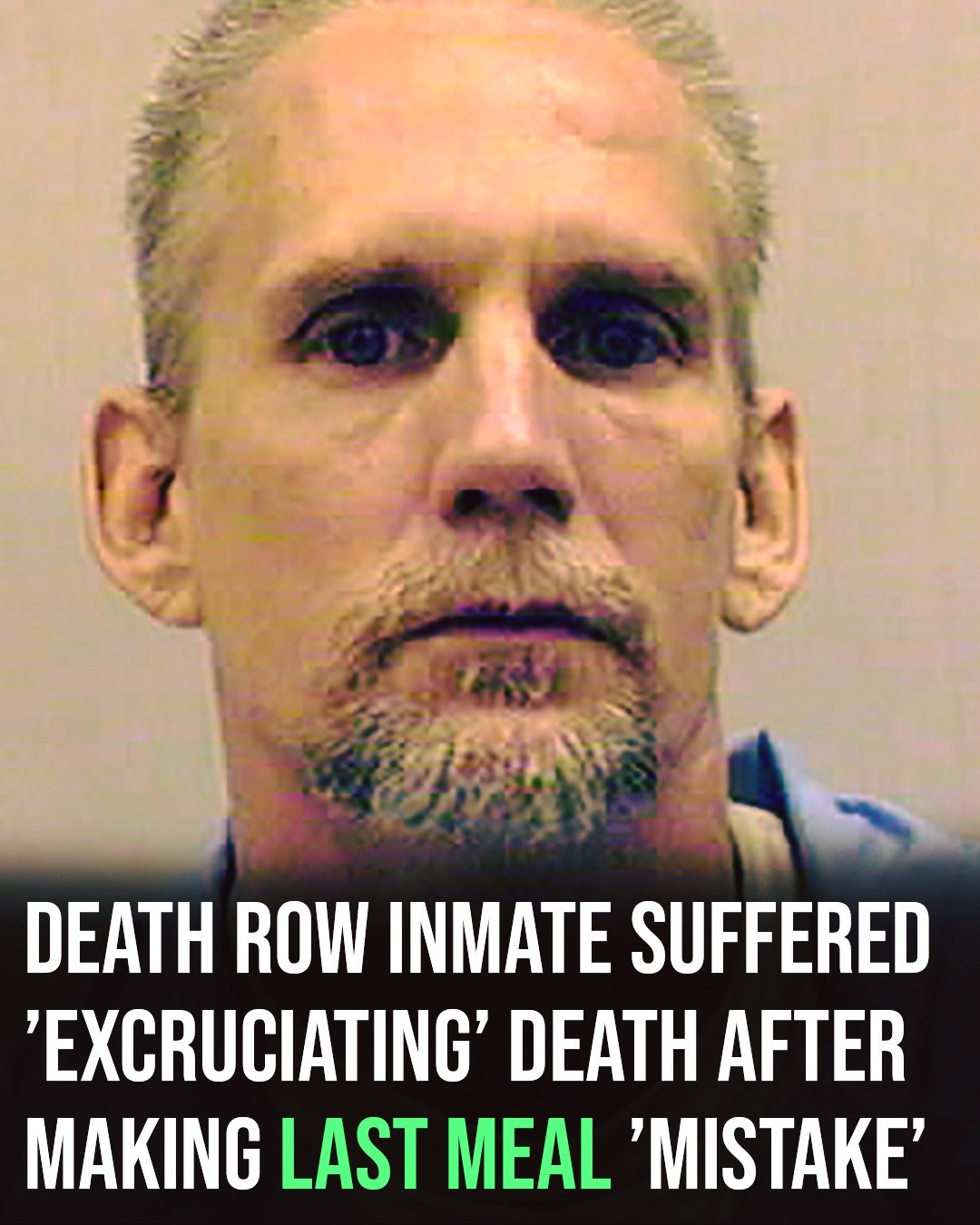
In 2020, Wesley Ira Purkey, aged 68, died following a difficult execution after what officials later described as confusion surrounding his last meal request. His case revived debate about lethal injection practices in the United States and the broader ethics of capital punishment.
Purkey had been sentenced to death for the 1998 kidnapping, rape, and murder of 16-year-old Jennifer Long from Wichita, Kansas. The crime shocked the country because of its brutality and calculated nature. On January 22, 1998, Long was last seen after skipping school. According to investigators, Purkey approached her outside a supermarket and convinced her to get into his truck.
Authorities say he then drove her to his home, where she was sexually assaulted and killed. The violence of the crime deeply affected the local community and drew widespread national attention.
After the murder, investigators determined that Purkey dismembered Long’s body using a chainsaw and attempted to destroy the remains. Authorities said he burned parts of the body and scattered bones in a septic pond in an effort to eliminate evidence.
Later that same year, Purkey committed another violent crime. He murdered 80-year-old Mary Bales by striking her with a claw hammer. At the time he was working as a plumber and had been in contact with the victim through his job.
Purkey later returned to Bales’ home intending to set a fire to hide evidence, but neighbors noticed suspicious activity and contacted authorities. Their call led police to intervene and ultimately resulted in Purkey’s arrest.
He was first arrested and convicted for the murder of Mary Bales, receiving a life sentence in state prison. During the investigation, he voluntarily provided information about Jennifer Long’s murder in hopes of serving time in federal custody. However, he did not secure guarantees about the severity of the federal charges.
Federal prosecutors pursued capital punishment. Purkey was convicted in federal court for kidnapping, sexually assaulting, and murdering Long, making the case one of the federal government’s most serious criminal prosecutions.
In July 2020, Purkey was executed by lethal injection using pentobarbital at the United States Penitentiary Terre Haute. The drug is intended to induce unconsciousness before death, but its use has been widely criticized by medical experts and human rights advocates.
An autopsy later reported “severe bilateral acute pulmonary oedema” along with fluid buildup in the airways, suggesting that fluid rapidly entered Purkey’s lungs. Some medical specialists say this condition can create a sensation similar to drowning or suffocation during lethal injection procedures.
Medical professionals have long warned about potential suffering associated with such executions. Dr. Gail Van Norman told News.com.au that inmates may experience sensations consistent with drowning during the process.
Before his execution, Purkey issued a final statement expressing remorse. He apologized to Jennifer Long’s family and also addressed his own daughter.
“I deeply regret the pain and suffering I caused to Jennifer’s family. I am deeply sorry,” he said. “I deeply regret the pain I caused to my daughter, who I love so very much.”
Purkey also criticized lethal injection, calling it a “sanitized murder” and arguing that it “serves no purpose whatsoever,” offering a controversial perspective from someone facing execution.
Before the execution took place, concerns had been raised about whether Purkey was suffering from Alzheimer’s disease. Lawyers argued that cognitive decline might have affected his ability to fully understand the punishment he faced, raising questions about legal competence.
Reports suggested that the night before his execution he watched television coverage involving former president Bill Clinton and even remarked about voting in the upcoming election, which some observers cited as evidence of awareness.
Purkey had requested pecan pie as his final meal but reportedly asked to eat it “later,” apparently not realizing there would be no later opportunity due to the scheduled execution.
The crimes themselves left lasting scars. Jennifer Long’s murder remains one of the most disturbing cases from the late 1990s because of its violence and planning. Meanwhile, the killing of Mary Bales highlighted the danger Purkey posed, especially toward vulnerable victims.
Legal experts often point to the case when discussing the complicated overlap between state and federal jurisdictions. Purkey’s voluntary confession to the federal crime ultimately exposed him to the death penalty after he had already received life imprisonment at the state level.
The use of pentobarbital in executions continues to be controversial. While designed to minimize pain, autopsies and medical studies have documented cases of pulmonary edema, which can cause severe distress.
Public reactions to Purkey’s execution were deeply divided. Some saw the execution as justified punishment for horrific crimes, while others focused on the ethical questions surrounding lethal injection and the death penalty itself.
For the family of Jennifer Long, the execution represented a form of justice, though one that could never undo the loss of their daughter. Advocates for victims emphasized that the focus should remain on the lives lost and the lasting trauma caused by violent crime.
Purkey’s daughter also became part of the discussion after he mentioned her in his final statement, highlighting the complicated emotional realities surrounding families of those convicted of serious crimes.
The case also sparked renewed debate among legal scholars and ethicists about whether individuals with possible neurological illnesses should face execution. Questions surrounding cognitive decline and legal competency continue to shape discussions about capital punishment laws.
Executions also affect those who must carry them out. Prison staff, witnesses, and legal officials often report lasting psychological stress from participating in the process, particularly when complications occur.
Purkey’s execution therefore became more than just the conclusion of a criminal case. It also reignited national debate about justice, punishment, and the ethical responsibilities of the legal system.
Today the case continues to be referenced in discussions about capital punishment, victims’ rights, and the practical and moral challenges involved in administering the death penalty in the United States.