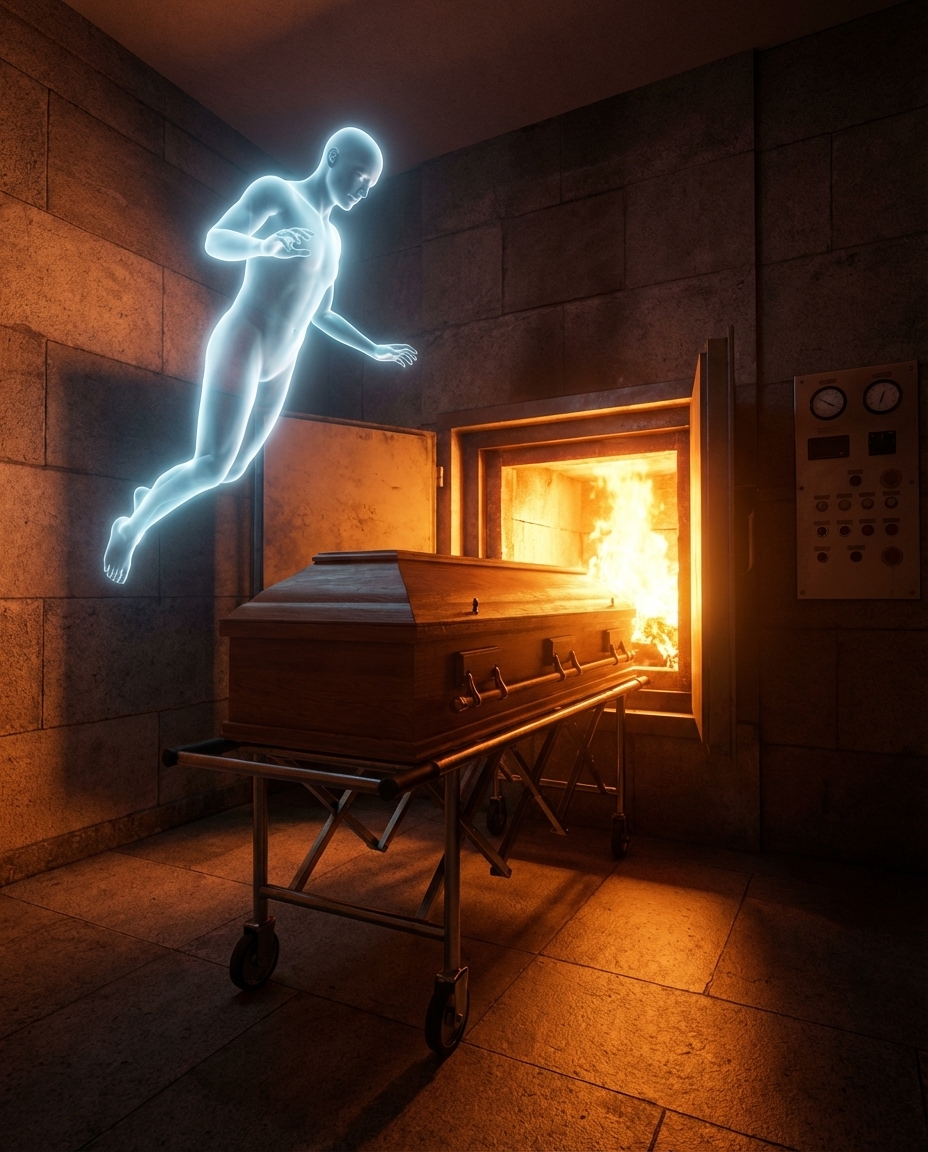
The intersection of mortality, faith, and finality is a landscape marked by profound reflection and ancient tradition. In recent years, as cultural shifts, economic pressures, and practical considerations have moved cremation from the periphery to the center of funeral practices, many people of faith have found themselves at a crossroads. The inquiry into cremation is rarely about the logistics of the process itself; rather, it is a deeper exploration of what our final acts on this earth signify about our beliefs, our hope for the future, and our inherent respect for the life that was lived. For those rooted in religious traditions, the choice between burial and cremation becomes a dialogue between centuries-old symbolism and the evolving realities of the modern world.
To understand the theological tension, one must first look at the historical and scriptural precedents that have shaped Western and Judeo-Christian views on the body. Throughout biblical history, burial was the undisputed customary practice. From the patriarchal narratives of the Old Testament to the meticulous accounts of the burial of Jesus, the act of laying a body in the earth was portrayed as an essential expression of honor, grief, and stewardship. In these contexts, the body was not viewed as a mere shell to be discarded but as a sacred vessel of the divine image. Burial, therefore, became a symbolic planting—a physical manifestation of the belief in resurrection. Just as a seed is placed in the dark earth to eventually burst forth in new life, the “sleeping” body was committed to the soil in anticipation of a spiritual awakening.
For centuries, the imagery of “returning to the dust” served as a foundational pillar for burial traditions. It connected the physical rest of the individual with the spiritual expectations of the community. This tradition was so deeply ingrained that, for much of history, cremation was viewed by some as a denial of the body’s future restoration or an echo of pagan practices that lacked the hope of a world to come. Within this framework, burial wasn’t just a funeral preference; it was a visible sermon, a silent testament to the faith of the deceased and their family in the face of death’s apparent finality.
However, as we move through the early 21st century, the conversation has expanded to acknowledge the limitless nature of divine power. Modern theology has increasingly focused on the fact that spiritual destiny is not anchored to physical preservation. Throughout human history, countless people of faith have faced circumstances where traditional burial was simply impossible. From those lost at sea to victims of fire, conflict, or natural disasters, the reality of the human condition often precludes a peaceful rest in the earth. If a specific physical state were required for resurrection, then the promises of eternity would be fragile and contingent upon human circumstances.
Reflecting on this, many contemporary theologians and faith leaders emphasize that the Creator who called the universe into being from nothing is certainly capable of restoring life regardless of the body’s physical state. Faith, from this perspective, rests not in the integrity of the remains, but in the sovereign power of a God who is not constrained by biology, fire, or time. This shift in understanding has allowed many believers to see cremation not as a rejection of hope, but as a practical choice that does not diminish the spiritual significance of the transition from life to death. It acknowledges that while burial is a beautiful symbol of resurrection, it is not the source of it.
For many families, the decision toward cremation is driven by a complex tapestry of intention and necessity. In an era where the costs of traditional interment can be prohibitive, or where families are scattered across different continents, cremation offers a path toward memorialization that aligns with modern stewardship and mobility. Many religious institutions have responded to these changes by encouraging individuals to act in accordance with their conscience, guided by prayerful reflection. The focus has moved away from the “how” of the body’s return to the earth and toward the “who”—ensuring that the dignity, respect, and remembrance of the person remain the central priorities.
The conversation surrounding cremation also invites a broader reflection on the nature of the body itself. If the body is a temple, as described in various scriptures, how is that temple best honored when it is no longer inhabited? For some, the slow, natural return of burial feels like the most respectful path. For others, the swift transformation of cremation feels like a clean release, returning the physical elements to the universe while the spirit finds its rest. Both perspectives can be rooted in a deep love for the Creator and a profound respect for life. The choice becomes a personal liturgy, a final statement of one’s worldview.
Ultimately, the debate over cremation serves to highlight where a believer’s true hope lies. If hope were rooted in a particular custom or a specific set of funeral rites, it would be a fragile hope indeed. But for people of faith, that hope is anchored in a promise that remains unchanged by the method of rest. It is a promise of life beyond the veil, a conviction that death is a threshold rather than a destination. Whether one is laid in a tomb, buried in the soil, or returned as ashes to the wind, the spiritual reality of their existence is preserved in the memory of the Divine.
In this light, the discussion about cremation is less about a change in doctrine and more about a deepening of trust. It challenges the faithful to look past the physical symbols to the spiritual truth they represent. Remembrance, after all, does not happen in a cemetery or a columbury; it happens in the hearts of those who remain and in the presence of the eternal. The values of a life—the love shared, the faith held, and the character built—are the things that endure. As we navigate these questions in a changing world, we are reminded that dignity is found in the heart of the one making the choice, and respect is found in the way we honor the legacy of the departed. The enduring promise of life beyond death is a light that no human process can extinguish, providing a peace that transcends the mysteries of our final rest.