Category: News

  • She is 82 and still turning heads! With ageless beauty and unmatched poise, this star has lit up screens and hearts for years

    She is 82 and still turning heads! With ageless beauty and unmatched poise, this star has lit up screens and hearts for years

    Linda Evans is one of those rare stars whose presence doesn’t fade with time — it deepens. At 82, she still radiates the sort of effortless grace that made her a television icon in the 1980s, a decade many people remember with an almost nostalgic ache. The music was better, the fashion was bold, and primetime TV felt like a nightly event. And at the center of that era’s glossy, glamorous entertainment was Dynasty — and Linda Evans, the woman who helped define it.

    Her story begins far from the spotlight. Born Linda Evenstad on November 18, 1942, she grew up in a quiet Norwegian-American family, the middle child with a temperament to match — soft-spoken, reserved, almost shy. Her family’s name traced back to a tiny farm in Norway where her great-grandmother lived before emigrating to America in 1884. When Linda was six months old, her family moved to North Hollywood, landing her right in the orbit of an industry that would eventually shape her life.

    She wasn’t a natural attention-seeker, but she had a quiet presence people noticed. Acting wasn’t even her idea — a high school drama classmate pushed her into it, sensing something she didn’t yet see in herself. That push turned out to be the pivot point of her life. From small guest roles to commercial spots, her path was steady, not meteoric. She worked as a cashier at a local theater long before she had her own star on the Hollywood Walk of Fame — which was eventually placed just a few steps away from where she had once taken tickets as a teenager.

    Her real break came in 1965 when she landed the role of Audra Barkley in The Big Valley. Working alongside the formidable Barbara Stanwyck forced Evans to grow, toughen up, and take her craft seriously. That role put her on the map. But it was the 1980s — the era of hairspray, shoulder pads, and unapologetic opulence — that made her a household name worldwide.

    In 1981, she stepped into the role of Krystle Carrington, the loyal, elegant moral anchor of Dynasty. Krystle wasn’t the loudest character, but she was the heart — the steady counterweight to the fiery, glamorous chaos brought by Joan Collins’s iconic Alexis Carrington. Their on-screen clashes became legendary: the catfights, the pool battles, the diamonds, the power suits. Despite all the spectacle, Evans grounded Krystle with sincerity, vulnerability, and a believable warmth. Her performance earned her a Golden Globe and multiple People’s Choice Awards, cementing her place in pop culture history.

    But off-screen, Evans’ life carried its own drama — far quieter, far more painful. Her marriage to actor John Derek famously ended when he left her for 16-year-old Bo Derek, a scandal that dominated tabloids. Evans endured the humiliation with a composure that shocked even her critics. She never lashed out publicly. She never played the victim. Instead, she rebuilt her life quietly, eventually marrying developer Stan Herman — though that relationship, too, ended.

    When Dynasty wrapped in 1989, Evans made a decision that few stars at her level ever make: she stepped away. She didn’t chase roles. She didn’t try to cling to relevance. She left Hollywood behind altogether, retreating to the peaceful Pacific Northwest to breathe, to heal, and to redefine herself outside of fame.

    She embraced wellness, spirituality, quiet living. Cooking became a passion. Solitude became a friend. And Hollywood, as always, came calling eventually. In 2009, she unexpectedly joined Hell’s Kitchen UK, surprising everyone — including Gordon Ramsay — by winning the entire season. Her charm was undeniable, her humility refreshing, and her resilience on full display.

    But her family carried heavy burdens. Cancer touched her family with brutal force: both parents battled it, as did two of her sisters. In 2020, when she participated in a Hope Walk, she dedicated it to her youngest sister, Charlie, who was fighting the disease at the time. In 2022, Charlie passed away. Evans posted a quiet, heartbreaking tribute: “My beloved sister Charlie, forever in my heart.”

    Evans herself faced serious health challenges. A slipped disc caused agonizing chronic pain; she admitted that at her lowest moments, she understood how suffering could push a person toward despair. Cortisone injections weakened her hair, and she struggled with depression. In 2014, she was cited for reckless driving after taking a sleeping pill while in severe pain — a moment she later called a turning point. Pain management, surgeries, and laser treatments eventually brought her relief, and slowly, she reclaimed her energy, her confidence, her peace.

    Today, Linda Evans lives far from the glitter of Hollywood in a calm, secluded estate outside Olympia, Washington. She sold her sprawling “Northwest villa” and chose something simpler — a cozy home surrounded by 70 acres of trees and wildlife. Deer wander through her yard. She grows her own fruits and vegetables. She keeps her Dynasty wardrobe in storage, admitting that she rarely opens the door because the memories are overwhelming.

    Her home is warm, intimate, and filled with pieces of her long history. She often speaks about the power of silence, the necessity of introspection, and the deep comfort she’s found in living an authentic life. Where many stars cling to fame, Evans gracefully stepped away from it to understand who she was outside of the spotlight.

    That’s the secret to her enduring appeal.

    She didn’t chase relevance. She didn’t fall apart. She didn’t try to be something she wasn’t.

    She simply evolved.

    She is 82 now — elegant, grounded, unfiltered, and still turning heads not because of Hollywood glamour, but because of the life she has lived, the grace she has shown, and the quiet strength she carries.

    Some stars burn out. Some flicker. Linda Evans isn’t one of them.

    She keeps glowing — steady, warm, unmistakable — a reminder that true beauty isn’t about age at all.

    It’s about character.

  • AT 74, JAY LENO PLANNING FOR DEATH, LEAVES CHUNK OF CASH TO CARS – NO ONE LIVES FOREVER!

    AT 74, JAY LENO PLANNING FOR DEATH, LEAVES CHUNK OF CASH TO CARS – NO ONE LIVES FOREVER!

    Jay Leno is 74 now, and he’s finally acknowledging what most people spend their lives dodging: time catches everyone. The man has been an institution in American entertainment for decades—workhorse comedian, late-night king, and the guy who could talk cars with the enthusiasm of a kid discovering engines for the first time. But age has a way of shifting priorities, and Leno is making decisions that underline one blunt truth he’s not afraid to say out loud: nobody gets out of here alive.

    The accidents and health scares he’s survived didn’t soften him; they sharpened him. They reminded him that even the most relentless personalities hit limits eventually. So he’s doing what practical people do—putting his affairs in order. And in Leno’s world, that means addressing not just the finances and legalities, but the massive, historic, obsessively maintained car collection that defines him as much as his comedy ever did.

    He’s setting aside a significant part of his fortune specifically to protect those cars after he’s gone. Not to sell them off. Not to chop the collection into profitable pieces. To preserve them. To keep them together. To make sure they’re treated the way he treated them—with respect, curiosity, and meticulous care. Leno has always insisted he doesn’t “own” these machines so much as he’s a temporary steward of automotive history, and he’s now ensuring that stewardship continues without him.

    Anyone who knows his collection understands why he’s doing it. It’s not just a garage. It’s a rolling museum that tracks more than a century of engineering. Steam cars, jet-powered experiments, one-off prototypes, million-dollar supercars, classics restored to better-than-factory condition—he has it all. And he didn’t just stash them away as trophies. He drove them. He understood them. He took them apart and put them back together again. Every car in that warehouse has a story, and most of those stories include Leno’s hands covered in grease.

    This isn’t a man passing down toys. This is a man passing down a legacy—one shaped in metal, fuel, and obsession. Cars were never a hobby for him. They were a language. They were the throughline of his life, the thing that grounded him when fame, schedules, and the demands of millions pulled him in a hundred directions. When he wasn’t performing, he was in the garage. That’s where he did some of his best thinking. That’s where he felt like himself.

    And even now, long after most people would’ve slowed down, he’s still maintaining the collection with the same energy he had decades ago. But he’s realistic enough to know that at some point, even he won’t be the one behind the wheel. That realism isn’t grim—it’s responsible. He’s aware of what happens when massive collections fall into unprepared hands: they get scattered, neglected, or dumped on the market piece by piece. He won’t let that happen.

    The truth is, Leno has never been sentimental in a corny way. He’s sentimental in a practical way. He believes in preserving things that matter. He believes in honoring craftsmanship. And he believes that if you care about something, you don’t leave its future to chance. So he’s building a plan that outlives him, a structure that keeps his life’s passion intact. He’s making sure the engines he loved so much keep running.

    His fans aren’t surprised. If anything, they’re reflective. Leno has been a constant presence in their lives—someone who made people laugh every night and showed them that success doesn’t have to mean losing your grounding. He worked nonstop. He stayed out of scandal. He treated fame like a job, not a license to act like a monarch. And through it all, the cars were his anchor.

    As he prepares for what he bluntly calls “the inevitable,” he’s not indulging in melodrama. He’s just facing the truth head-on, the same way he always has. Mortality doesn’t intimidate him. It motivates him. He knows the jokes will fade, the show clips will gather digital dust, and the world will move on. That’s how it goes. But this collection—this living archive of human ingenuity—can stand the test of time if he sets it up right. And that’s exactly what he intends to do.

    He’s also aware that legacy isn’t about ego. It’s about contribution. The cars aren’t just rare machines; they’re lessons. They’re historical markers. They’re reminders of what ambitious people can build when they push limits and refuse to accept mediocrity. Leno wants future generations to experience that. He wants them to see the craftsmanship. He wants them to understand the evolution of engineering. He wants them to feel the same spark he felt the first time a motor growled to life under his hands.

    He’s not trying to be immortal. He’s trying to preserve something that deserves to outlast him.

    Behind the blunt tone and matter-of-fact attitude, there’s something honest about all of this. Leno has lived a big life, a loud life, a busy life. He’s been everything people expected of him and more. But he’s a realist before anything else. He knows the road has a finish line. He’s just making sure the vehicles he trusted and admired make it past that line without him.

    In a way, this plan of his—this move to safeguard the collection—is the most personal thing he’s ever done. He’s not doing it for applause. He’s not doing it for headlines. He’s doing it because love for something, when it’s real, doesn’t evaporate when the end approaches. It becomes even clearer, even sharper.

    Jay Leno has spent his lifetime with engines in his ears, grease on his sleeves, and an encyclopedic knowledge of automotive history in his head. He’s given the world humor and entertainment, but he’s also given it something tangible—machines preserved, stories preserved, history preserved. And now he’s making sure that the roar of those engines keeps echoing long after he can’t hear it anymore.

    He’s preparing for the final lap with the same steady confidence he brought to every stage, every show, every project. He’s not afraid. He’s not dramatic. He’s practical, focused, and consistent. And as he sets the foundation for what happens next, one thing is clear: Jay Leno’s legacy won’t be defined by the day he stops breathing, but by the generations who will stand in front of those cars, long after he’s gone, and feel the spark he carried his whole life.

  • Breaking – Donald Trump Got More Bad News!

    Breaking – Donald Trump Got More Bad News!

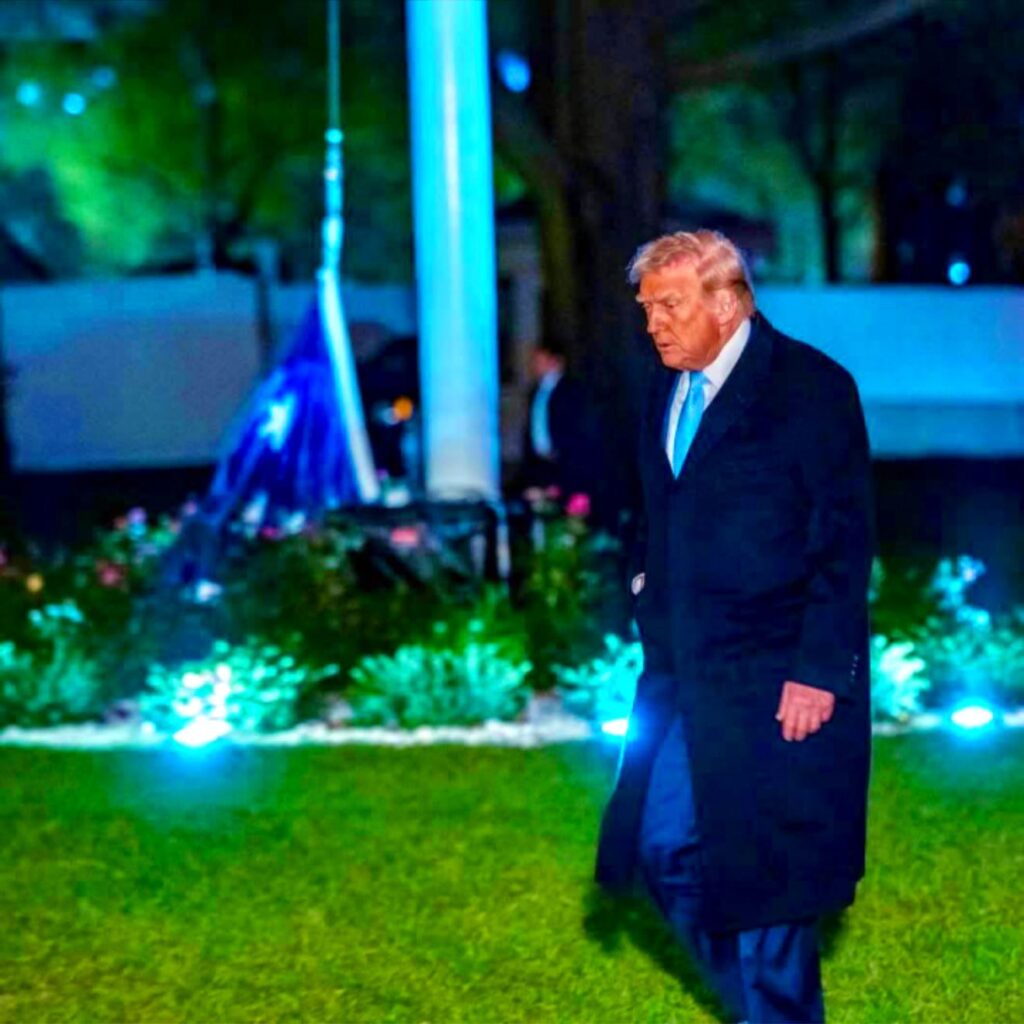
    Donald Trump has spent years navigating investigations, lawsuits, political battles, and nonstop public scrutiny, but the latest development hits harder than the rest. On Thursday, prosecutors formally charged him with four criminal counts: conspiracy to defraud the United States, conspiracy to obstruct an official proceeding, obstruction and attempted obstruction of an official proceeding, and conspiracy to violate rights protected by the Constitution. These charges stem from his alleged role in a sequence of events that has defined American politics ever since—events tied to the chaos, pressure campaigns, and attempts to overturn the 2020 election results.

    For a former president who has lived on headlines, this moment isn’t just another news cycle. It’s a legal escalation that puts him squarely in the center of a courtroom future he’s spent years trying to avoid. Prosecutors aren’t throwing vague accusations. They’re laying out structured, deliberate charges, each aimed at proving that Trump crossed legal lines as he tried to hold on to power after losing the election. And each count carries its own weight, its own implications, and its own potential consequences.

    The conspiracy to defraud the United States charge focuses on the allegation that Trump knowingly pushed false claims of election fraud to undermine the lawful transition of power. Prosecutors argue that he wasn’t merely airing doubts or demanding investigations—he was knowingly spreading misinformation while pressuring officials, courts, and even his own vice president to bend the rules. The government’s position is straightforward: leaders don’t get to rewrite the outcome of an election simply because they don’t like the result.

    The second and third charges—conspiracy to obstruct an official proceeding, and obstruction or attempted obstruction of that same proceeding—are connected to Congress’s certification of the Electoral College results. That certification is a constitutional requirement, a formal step that finalizes a presidential election. Prosecutors claim Trump tried to stop or delay that process through a combination of pressure tactics, last-ditch maneuvers, and encouragement of actions that ultimately disrupted Congress on January 6. Even without proving he physically participated, the allegation is that he played a direct role in setting the conditions for the obstruction to take place.

    The fourth charge, conspiracy to violate civil rights, adds another layer. This one argues that Trump’s efforts effectively aimed to deny millions of voters their constitutionally protected right to have their ballots counted as cast. The government is framing this not as a political dispute, but as a violation of fundamental democratic rights.

    For Trump, this isn’t just bad news—it’s a legal storm unlike any he has faced before. Lawsuits over business dealings, defamation claims, congressional investigations, political theater, all of that sits in a different category. These are federal criminal charges tied to the core of American governance. If prosecutors prove their case, they’re not just saying a former president bent the rules; they’re saying he attacked the democratic process itself.

    This situation also lands at a moment when Trump remains a dominant figure in national politics. He continues to command attention, headlines, and a base that sees him as a political martyr and a fighter willing to take on the establishment. For his supporters, the charges are framed as another attempt to silence him, stop his momentum, or block him from returning to office. For his critics, the charges represent long-awaited accountability. The divide is wide, emotional, and as charged as the political climate that has defined the last several years.

    But strip away the outrage, the commentary, and the online noise, and what remains is the cold reality of a criminal case. Prosecutors will present evidence. Defense attorneys will challenge it. Judges will rule on motions. Trials may run long, and appeals are almost guaranteed. This won’t be a quick saga. It will stretch, evolve, and dominate national attention as it inches through the system.

    Trump is no stranger to legal fights, and he’s made a career out of projecting confidence, even in the face of serious allegations. But this is different. Federal charges relating to attempts to overturn an election carry a gravity that no press conference, rally speech, or social media blast can erase. The stakes aren’t financial. They’re existential—both for Trump’s political future and for how the nation defines accountability at the highest level of power.

    The broader political world is bracing for the fallout. Campaigns are recalculating strategies. Commentators are preparing for months of analysis. Legal experts are dissecting every word in the indictment. And ordinary citizens are watching a moment in history unfold that feels unprecedented, because it is. The country has never seen a former president face charges like these.

    Whatever side people land on, there’s no denying the scale of the situation. This isn’t a simple scandal or a fleeting controversy. It’s a clash between a former president and the justice system, with layers of political, legal, and cultural consequences that will ripple long after the case ends.

    And that’s why this latest blow stands out. Trump has weathered storms before, but this one carries the full force of federal prosecution and the weight of the Constitution. It’s another chapter in a saga that refuses to slow down—a saga that continues to redefine modern American politics and test the limits of the country’s institutions.

    For Trump, the path ahead is steep and unforgiving. For the nation, the outcome will shape how future generations understand power, responsibility, and the rule of law. And for now, one thing is certain: this is just the beginning of a long, hard fight that will keep unfolding in courtrooms, newsrooms, and political arenas across the country.

  • SOTD – 10 Major Retail Stores Take A!

    SOTD – 10 Major Retail Stores Take A!

    Ten of the country’s biggest retail chains are making a deliberate shift this holiday season, stepping away from the catch-all “Happy Holidays” and returning to a more traditional greeting: “Merry Christmas.” It’s a move that signals something larger than a seasonal slogan change. These companies want to plant a clear flag, emphasizing a focus on Christmas itself and the cultural weight it carries for many of their customers.

    The list isn’t made up of fringe names or boutique shops. It includes major national players—Hobby Lobby, Belk, Nordstrom, Home Depot, Walmart, Macy’s, JCPenney, Bass Pro Shops, Lowe’s, and Toys “R” Us. Each of these retailers is integrating “Merry Christmas” into their advertising, signage, and store messaging. For years, many brands leaned heavily on neutral phrasing to keep things broadly inclusive. But this time, they’re leaning back into the traditional greeting that dominated American retail for decades.

    According to the article, this isn’t happening by coincidence. These companies are making “a collective effort to bring back the traditional Christmas greeting,” suggesting a coordinated or at least shared sentiment across the industry. Retailers have always been sensitive to customer expectations, cultural shifts, and what signals will bring people through the doors. In this case, they seem to believe that embracing the familiar phrase brings a sense of warmth, nostalgia, and clarity to the season—something people might be craving more than ever.

    Shoppers are encouraged to participate in the same spirit. The article pushes the idea that if stores are going all-in on “Merry Christmas,” customers shouldn’t hesitate to say it back. The message is simple: join the atmosphere, enjoy the tradition, and don’t shy away from a greeting that once defined December across the country.

    What’s interesting is how this shift fits into the broader landscape of holiday retail culture. For years, companies tried to be careful—sometimes overly careful—with their language during the holiday season. The goal was to avoid alienating anyone, especially in an increasingly diverse and hypersensitive marketplace. “Happy Holidays” offered safety. It covered Christmas, Hanukkah, Kwanzaa, New Year’s, and any other celebrations packed into winter months. But that neutrality also softened the identity of the season. For many customers, “Happy Holidays” didn’t feel wrong—it just didn’t feel personal.

    Retail thrives on sentiment. People spend more when they feel something—nostalgia, warmth, connection, tradition. Christmas, for better or worse, is a brand in itself, and these companies are leaning into that brand again. Not in a political sense, not in a divisive sense, but in a way that re-centers December around the imagery, language, and emotional cues that once dominated store windows, commercials, and customer interactions.

    Hobby Lobby and Bass Pro Shops were already known for maintaining a strong Christmas identity, but others on the list—like Nordstrom and Macy’s—spent recent years focusing more on inclusive messaging. Seeing them return to “Merry Christmas” suggests they’re responding to customer feedback or tracking a cultural moment that has been building quietly. People seem to want stronger anchors, stronger traditions, and brands that aren’t afraid to commit to something specific instead of trying to please every audience at once.

    Retailers aren’t naïve. They understand that greeting choices can become flashpoints, especially in the age of social media. But they also know the holiday season is their biggest financial engine of the year, and emotional tone matters. If their customers want the full Christmas experience, right down to the phrasing used at checkout, they’re willing to deliver it.

    Inside the stores, this shift is already visible. Decorations lean more heavily into classic reds, greens, golds, and winter themes that center Christmas imagery. Ad campaigns use language that’s more direct, nostalgic, and reminiscent of older holiday marketing. Sales associates are instructed to greet customers with “Merry Christmas,” and the stores’ soundtracks reinforce the theme with traditional Christmas music and familiar carols.

    Online, the messaging mirrors the in-store experience. Websites display holiday banners that explicitly reference Christmas rather than broad winter themes. Social media posts lean into Christmas-oriented promotions. Email campaigns make it clear they’re celebrating the season with its traditional name.

    This doesn’t mean the other winter holidays are being erased or dismissed. It simply means the companies are choosing to highlight the holiday that drives the largest share of seasonal spending and holds the strongest cultural presence in the retail landscape. They’re prioritizing clarity over neutrality, specificity over generalized cheer.

    For customers who grew up hearing “Merry Christmas” at every store counter, this shift feels familiar and comforting. For those who prefer broader greetings, nothing stops them from choosing whatever wording feels right. But the message from the retailers is unmistakable: they’re stepping back into a tradition that shaped their busiest season long before marketing departments leaned into generic phrasing.

    The article encourages shoppers to embrace the greeting as part of the atmosphere. “Wherever you shop this Christmas, don’t hesitate to spread the cheer by saying ‘Merry Christmas.’” It’s a call for customers to match the tone retailers are setting, reinforcing a shared cultural moment and re-establishing a seasonal identity that had been diluted over time.

    Whether people see this shift as refreshing, nostalgic, unnecessary, or overdue, it signals something real. Retailers are recalibrating. They’re acknowledging that tradition still has power, that specific language still carries meaning, and that customers respond to seasonal cues that feel authentic rather than sanitized.

    This movement among the ten major stores could also prompt others to follow. Retail is competitive. When one group leans heavily into a theme—especially a theme tied to emotional spending—others pay attention. If these companies see strong customer engagement or improved seasonal sales tied to the return of “Merry Christmas,” expect more brands to embrace the same messaging next year.

    The broader takeaway is straightforward: major retailers are betting that shoppers want a holiday season that feels like a holiday season—not a corporate winter blur. They’re betting people want familiarity, warmth, and a little bit of old-school Christmas spirit. And they’re shaping their messaging to deliver exactly that.

    For now, these ten retailers are standing out, making a clear statement about the kind of holiday experience they want to create. They’re not hiding behind generic greetings anymore. They’re choosing a direction, owning it, and inviting customers to join the moment. And as December unfolds, shoppers will decide whether that choice resonates—one “Merry Christmas” at a time.

  • Melania Trump Embraces Holiday Spirit While Receiving White House Christmas Tree in Style!

    Melania Trump Embraces Holiday Spirit While Receiving White House Christmas Tree in Style!

    The North Portico carried all the weight of holiday tradition on November 24, 2025, but the massive 18½-foot Christmas tree rolling up to the White House wasn’t what stole the moment. All eyes shifted toward the woman waiting to greet it. Melania Trump stepped into the spotlight with her signature calm composure, marking her seasonal return to Washington as she welcomed the official White House Christmas tree. The ceremony was meant to kick off the holidays with charm and nostalgia, but online, the conversation veered instantly toward something else entirely—her outfit.

    The tree itself was a showpiece, a towering Michigan-grown fir from Korson’s Tree Farms. It arrived the old-fashioned way: perched on a horse-drawn carriage pulled by two Clydesdales named Logan and Ben. A military band played while three men dressed in vintage suits and top hats guided the procession. The scene was crafted to look timeless, a deliberate nod to Americana, tradition, and the kind of Christmas presentation presidents have staged for decades.

    Melania stood at the steps of the North Portico to accept the tree, offering a brief assessment—“a beautiful tree”—before posing for photographers. It was routine, ceremonial, expected. But while the fir was slated for the Blue Room, the cameras lingered on Melania. Not the tree.

    Her winter-white Dior coat, immaculate and structured, immediately stole the show. She paired it with vivid red leather gloves and tartan Manolo Blahnik stilettos—a combination that leaned into the holiday palette without slipping into costume territory. The look was icy, sharp, meticulously curated. And the internet reacted exactly as expected: instantly and loudly.

    Within minutes, social media erupted with commentary. Some users mocked the coat’s silhouette, comparing it to a bathrobe or a robe-like pajama ensemble cinched at the waist. “She wore her pajama robe,” one person joked. Another commented, “White bathrobe and red rubber gloves,” taking aim at the contrast of the bright gloves against the clean white coat. Critics, as always, came ready.

    But admiration poured in as well. Fashion watchers praised her for leaning into Christmas colors with precision. “Melania is rockin’ her plaid stilettos ♥️,” one fan posted, zooming in on the shoes that have become a signature part of her public style. Another user commented, “She has the best shoes. Every. Time.” Others went beyond wardrobe, complimenting the entire presence she projected. “She is beautiful and sophisticated. Poise and gracefulness,” wrote one admirer. “Elegance is back in the White House,” another added, echoing a sentiment that often circles her public appearances.

    The coat wasn’t the only striking part of the day. Melania debuted fresh, lighter hair—something noticeable even from a distance. Her coloring change didn’t go unnoticed by professionals, who analyzed it with a level of attention usually reserved for celebrity transformations. Suzie McGill, artistic director at Rainbow Room International, highlighted the “vibrant, lighter shade,” describing it as a polished update that brightened Melania’s complexion while softening her overall appearance. The effect, McGill said, brought warmth without sacrificing the former First Lady’s trademark sleek elegance.

    Kirsty Judge of the Rush Artistic Team labeled the look “cinnamon blonde,” a blend that combined warm beige undertones with an acorn base, eventually lifted through vanilla-blonde highlights. According to Judge, the layering created dimension and radiance—something subtle yet striking in the November light.

    But even the most carefully planned appearance can’t outrun a person’s history. Alongside the admiration and criticism came reminders of Melania’s past controversies. Her 2025 Christmas ceremony unearthed public memory of the recordings released in 2020 on Anderson Cooper 360—audio captured by her former friend and adviser Stephanie Winston Wolkoff. The tapes, secretly recorded in 2018, showcased Melania sounding worn down and fed up during an intense period in Donald Trump’s first term.

    “I’m working… my [expletive] off on the Christmas stuff… who gives a [expletive] about the Christmas stuff and decorations?” she said in one clip, venting about the public expectations placed on her while juggling policy controversies swirling around her husband’s administration.

    Another part of the recording addressed the backlash over family separation policies, with Melania expressing frustration over what she saw as inconsistent reactions from the public compared to previous administrations.

    The resurfacing of these moments reignited discussions about the fallout between Melania and Wolkoff. Once viewed as close confidantes, their relationship fractured dramatically. Wolkoff went on to publish her memoir, Melania and Me, pulling back the curtain on their friendship, the behind-the-scenes operations of the East Wing, and her observations of the Trump marriage itself. The memoir didn’t only offer insights—it reopened questions, accusations, and media debates.

    Stephanie Grisham, the former White House press secretary and chief of staff to the First Lady, condemned Wolkoff’s recordings at the time, calling them an act of betrayal. She argued that Wolkoff sought attention and violated confidentiality agreements to position herself as a key insider. Meanwhile, the memoir also reexamined the 2017 inauguration, where Wolkoff’s event-planning firm received more than $26 million for various activities—money that later became part of broader inquiries into inaugural spending, including $1.6 million routed directly to her company.

    Still, despite the old controversies and renewed chatter, Melania’s appearance at the 2025 tree ceremony marked a return to the public scene with controlled confidence. She didn’t address the past. She didn’t react to criticism. She didn’t give the moment anything other than what the ceremony required: presence, poise, and tightly managed elegance.

    The contrast between the cheerful Christmas tradition unfolding at the White House and the often-chaotic noise surrounding Melania’s public image couldn’t have been sharper. Yet she stood on the North Portico without any visible tension, greeting the season’s most symbolic decoration like someone who has learned not only to withstand scrutiny but to treat it as background static.

    The 18½-foot fir will take its place inside the Blue Room, decorated and admired by visitors, photographed endlessly throughout December. But long after the ornaments come down, the ceremony will be remembered less for the tree and more for the woman who greeted it in winter white and red leather—once again sparking debate, praise, criticism, admiration, and everything in between.

    For better or worse, the holiday tradition continues. And so does the public fascination with Melania Trump.

  • What does it symbolize when a person who passed away appears in your dream!

    What does it symbolize when a person who passed away appears in your dream!

    Most people dream, though many don’t remember the details by the time they wake up. Whether dreams carry real meaning has been argued forever. Some insist dreams are a form of communication from forces we don’t consciously perceive. Others say they’re nothing more than the brain firing off signals in the dark. Scientists point to neural activity, while cultural traditions point to spiritual interpretation. But when someone who has passed away appears in your dream, the experience tends to feel different—heavier, more symbolic, and often unforgettable.

    While we sleep, our brains don’t shut off. They work nonstop, processing the day, filing memories, sorting emotions, and stirring up imagery that can feel random or deeply personal. Sometimes dreams echo daily events. Other times, they drag up fears, unresolved feelings, or things we tried to ignore while awake. But dreaming of a deceased person has a unique emotional weight, almost as if the dream is reflecting a transition happening within us.

    According to Healthline, dreams of the dead often appear during periods of change—new jobs, moves, relationship shifts, major life decisions. These dreams act like internal mirrors, showing us how we’re handling transformation. It’s less about the dead and more about ourselves. The emotional tone of the dream often says more than the dream’s storyline. How we feel upon waking—comforted, shaken, guilty, peaceful—usually hints at the message our mind is trying to deliver.

    Psychologist Rubin Naiman, who has spent years studying sleep, argues that interpreting dreams helps expand our awareness and offers psychological insight. He views dreaming as an extension of consciousness, not a meaningless nighttime glitch. Even though some neuroscientists claim dreams come from the brain “kicking up dust” during REM sleep, Naiman and others believe dreaming holds substance and depth. Cultures like the Indigenous Australians treat dreaming as an essential part of spiritual life, suggesting that not all dreams are created equal.

    Dream experts tend to group dreams about deceased individuals into four categories:

    The first interpretation is straightforward grief processing. When someone we love dies, the emotional wound doesn’t heal in a linear way. The mind revisits what it misses. It brings the person back into our world temporarily so we can feel what we’re not ready to let go of during the day. These dreams often carry sadness or longing, and they surface especially early in the grieving process.

    A second interpretation points to unresolved guilt or unfinished conversations. If there were things left unsaid—or forgiveness never exchanged—the deceased might appear in dreams as the mind’s attempt to confront that lingering weight. The dream becomes a space where the emotional backlog finally gets acknowledged.

    A third perspective comes from dream analyst Lauri Loewenberg, who suggests that sometimes the deceased shows up as a symbol rather than a literal representation. If the person struggled with something—addiction, anger, fear—and we see those traits in ourselves, the dream may be our brain warning us about repeating their patterns. In this case, the deceased isn’t delivering a message; the dream is holding up a mirror.

    The fourth category is the most spiritual: visitation dreams. Many believe that when the dead appear healthy, peaceful, and well-dressed, especially if the dream leaves us feeling calm or uplifted, the encounter is more than symbolic. In these dreams, the person doesn’t appear sick or distressed like they may have been before death. Instead, they show up as a restored version of themselves, offering reassurance, a silent greeting, or a subtle farewell. People often wake from these dreams with an unexplainable sense of warmth or closure.

    Regardless of which interpretation resonates most, dreams of those who have passed away often leave a deeper imprint than ordinary dreams. They stir emotions we’ve tucked away, open wounds we didn’t realize were still raw, or offer comfort we didn’t know we needed. They bridge memory, emotion, and something that feels almost otherworldly, all in one moment.

    Even those who view dreams as random imagery admit that dreams involving deceased loved ones tend to hit differently. They force reflection. They highlight areas of our life where we may be changing, struggling, or growing. They bring forward connections we thought time had buried. And for many people, they serve as a quiet reminder that grief doesn’t run on a schedule and love doesn’t simply vanish.

    No matter how we interpret them—psychological, symbolic, emotional, or spiritual—these dreams tend to reveal what’s happening inside us. They help us understand ourselves a little better, whether by confronting guilt, soothing pain, or reaffirming our bond with the person we’ve lost. They carry meaning because we attach meaning to the people who appear in them.

    For some, these dreams feel like a soft touch from the past. For others, they feel like unfinished business resurfacing. For many, they’re simply glimpses of what the heart hasn’t fully processed. But they all remind us of the same truth: the people who shape us don’t disappear just because they’re gone. They linger in memory, emotion, and sometimes, in the quiet hours of the night, in our dreams.

  • Coffee time! Do Not look if you cannot handle lt! 22 Pics

    Coffee time! Do Not look if you cannot handle lt! 22 Pics

    “Coffee time — don’t look if you can’t handle it” sounds like a casual warning, the kind of caption someone throws onto a post filled with chaotic photos, questionable latte art, or caffeine-fueled disasters. But behind that simple tease sits something bigger: the universal truth that coffee culture is a wild, hilarious, sometimes cursed universe of its own. So here’s the improved, expanded version — a full story built around that idea, pulling all the chaos, charm, and unfiltered energy of those infamous “22 pics” into one long, vivid narrative.

    Coffee time isn’t always a peaceful ritual. Sure, some mornings start with the perfect mug, the perfect grind, the perfect pour. Most don’t. Most mornings are a battlefield of spilled grounds, half-awake decisions, and the kind of mistakes that become legends in group chats. The “don’t look if you can’t handle it” warning fits the reality of what actually goes down when caffeine addicts, sleep-deprived office workers, and overly ambitious home baristas try to survive their daily brew.

    Picture the first scene: a kitchen counter buried under coffee beans, filters, two mugs from yesterday, a cracked French press, and a bag of “extra bold roast” that promises energy but tastes like burnt roofing material. The person in this photo looks like they’ve lived through a storm, because they have: morning. Their hair is a mess, their expression is the embodiment of disbelief, and behind them, the stove clock reads 5:42 AM — the hour of questionable life choices. It’s a reminder that coffee time is war, and not everyone is winning.

    The next image swings into pure chaos: a latte art attempt gone horribly wrong. What was supposed to be a swan now looks like a melted ghost trying to escape the cup. The foam didn’t foam, the milk didn’t swirl, and the result is something a barista would hide behind the counter out of shame. But the person who made it proudly posted it, captioned with, “Nailed it.” And honestly, they did — just not in the way they think.

    Another picture shows the classic workplace coffee pot that’s older than half the employees. It’s stained, cracked, probably haunted, and somehow manages to turn perfectly good beans into a bitter liquid that tastes like pain and regret. Every office has one. Every office worships it and suffers from it simultaneously. Someone probably snapped the picture after noticing a sticky note taped to the machine reading, “OUT OF ORDER — AGAIN.” There’s always that one coworker who tries “fixing it” by smacking it like an old TV. And for reasons no one understands, it usually works.

    A few photos later, the tone shifts from inconvenient to extreme. A mug sits shattered on the floor, coffee sprayed across the tiles like a caffeine crime scene. You can practically hear the gasp that followed. This isn’t just a broken mug — this is heartbreak. That mug meant something. It was the favorite one, the one with the perfect handle grip, the one that survived years of drops, microwaves, and dishwasher cycles. Gone too soon. Rest in pieces.

    Of course, no coffee disaster compilation is complete without the inevitable “exploded coffee in the microwave” moment. Some brave soul reheated their drink with the lid on tight, ignoring every warning label ever printed. The result: a caffeine bomb. The microwave door bursts open in the picture, smeared with coffee from top to bottom. On the counter sits the cup, half melted, lid dangling off the edge like it’s ashamed. Cleaning that mess probably took longer than making a fresh cup — the kind of moment that ruins your morning and your attitude.

    Then there’s the outdoor café photo — sunny, calm, beautiful — right until you notice the seagull mid-attack, beak open, wings outstretched, lunging toward a croissant. The person behind the camera is frozen between laughing and screaming. Coffee splashes out of their cup as the bird makes its move. That picture is a masterpiece of timing: the peaceful world of coffee shattered by the laws of nature reminding everyone who actually runs the coastline.

    A few of the images show people who took their coffee obsession too far. One guy has five different brewing devices lined up — an espresso machine, a Chemex, an Aeropress, a moka pot, and something that looks like it belongs in a chemistry lab. He insists each device creates a “unique flavor profile,” even though all of them taste exactly like coffee. Another photo shows someone hovering over a digital scale, weighing beans like a professional but wearing pajama pants and slippers. Dedication looks different on everyone.

    Then comes the picture of the cold brew experiment gone wrong. A giant glass jar sits on a counter, shattered from the inside because the pressure built up overnight. Coffee, glass, and soaked grounds cover everything. Someone underestimated the power of steeping. Someone learned a lesson the hard way.

    There’s also that iconic moment when someone tries to carry too many drinks at once. The photo probably captures a tray tipping sideways, cups sliding off like doomed passengers on a sinking ship. The person’s face says it all — pure panic mixed with acceptance. You can almost hear the slow-motion “Nooooo!” They lost the battle.

    Not every image is chaotic, though. Some are just painfully honest. A tired parent sits on a couch, cradling a giant mug the size of a small bucket. Their kid climbs the furniture behind them like it’s a jungle gym. The parent stares into the coffee as if it’s the only thing keeping the universe together. And honestly, it probably is.

    Another picture shows a cat knocking over a mug on purpose, tail raised in victory. You know the type — arrogance in fur form. The owner stands there barefoot, staring at the fresh puddle on the carpet they just cleaned yesterday. The photo captures the exact moment they question ever adopting a pet.

    One of the funniest images features a barista who spelled someone’s name so wildly wrong that it’s unrecognizable. Not even close. Not in the same universe. The photo shows the cup with the world’s worst interpretation of “Ashley,” written like a toddler signed it with their eyes closed. Classic.

    And finally, the last image: a beautiful sunrise, a quiet porch, and a steaming cup held in relaxed hands. The calm after the storm. The reminder that, underneath the disasters, spills, broken mugs, and caffeine-fueled chaos, coffee is still a small moment of peace in a world that rarely slows down.

    Coffee time isn’t cute. It isn’t tidy. It’s real, messy, chaotic, funny, and absolutely necessary. And if you can’t handle it, well — you were warned.

  • Authorities name suspect in horrific attack on National Guard Members in DC

    Authorities name suspect in horrific attack on National Guard Members in DC

    Authorities identified a suspect in a brutal shooting that left two National Guard members fighting for their lives in Washington, D.C., and the account of what happened has pushed the city into a storm of grief, anger, and political fire.

    The shooting unfolded on a Wednesday afternoon in Farragut Square, a crowded slice of downtown D.C. where office workers, tourists, and commuters cross paths daily. It sits just blocks from the White House, and on any ordinary day, the area hums with casual noise, food trucks, and traffic. On this day, the calm shattered in seconds.

    Shortly after 2:15 p.m., officials say a lone gunman approached three members of the National Guard who were on duty as part of ongoing security deployments in the capital. Without warning, he opened fire at close range. Two soldiers were hit before the third managed to return fire and wound the attacker. Witnesses described people ducking behind benches, running into buildings, and dropping to the ground as gunshots filled the square.

    The two wounded soldiers, both from West Virginia’s National Guard, were rushed to a hospital in critical condition. Their identities were not immediately released, but Guard leadership confirmed they were part of a larger deployment of more than 2,200 troops currently stationed across the city—925 from D.C. and the remainder from various states.

    The suspect was identified as 29-year-old Rahmanullah Lakanwal, an Afghan national who arrived in the United States in 2021 after the U.S. withdrawal from Afghanistan. He entered through Operation Allies Welcome, a humanitarian resettlement program designed to relocate Afghans who had supported American missions or faced threats under Taliban rule. Lakanwal was taken into custody after being shot by one of the soldiers he targeted and was moved to a hospital under guard.

    Homeland Security Secretary Kristi Noem confirmed the suspect’s immigration background and stressed that authorities believe he acted alone. No broader threat has been identified.

    The shooting set off immediate political reactions. In a statement from Florida, President Donald Trump condemned the incident as “a heinous assault—an act of evil, an act of hatred, and an act of terror.” He announced an immediate increase in security screenings for individuals who entered the country through Operation Allies Welcome and said his administration would begin a comprehensive review of Afghan arrivals from the 2021 resettlement wave.

    “We will ensure the individual responsible faces the steepest possible penalty,” Trump said in a recorded message. “This is not only a crime but an assault on peace and on every citizen who serves this country.”

    Defense Secretary Pete Hegseth followed by ordering an additional 500 National Guard members to the capital for the holiday weekend. Streets already busy with visitors, shoppers, and seasonal events now brace for heavier military presence.

    Operation Allies Welcome, the program at the center of the controversy, resettled roughly 76,000 Afghans across the United States during its one-year span. Participants underwent health and security screenings before being placed in communities nationwide. Though the program was celebrated for its humanitarian goals, critics later questioned the thoroughness of the vetting process, citing gaps created by the chaotic conditions during the withdrawal.

    Following the attack, U.S. Citizenship and Immigration Services temporarily paused new Afghan immigration requests pending a review of current screening procedures—a move that sparked mixed reactions from lawmakers, human rights groups, and veterans.

    Political figures across the spectrum addressed the tragedy. Former Presidents Joe Biden and Barack Obama issued statements condemning the violence, offering condolences, and urging national unity. Biden’s message focused on the families of the injured soldiers, calling their service “a testament to the courage and sacrifice that keeps the nation safe.” Obama described the attack as “a senseless act that wounds not just individuals, but the values we work to uphold.”

    Shawn VanDiver, president of #AfghanEvac—a coalition advocating for Afghan allies—warned against misdirected blame. “This was one man’s act of violence,” he said. “It must not be used to stigmatize thousands of Afghans who risked everything to stand with America.”

    General Steven Nordhaus, head of the National Guard, cut short travel plans and returned to Washington immediately. “Our focus now is on our wounded members, their families, and the continued safety of those serving our nation,” he said.

    These events reignited a long-running debate about balancing national security with humanitarian responsibility. Some argue that tragedies like this illustrate the need for tighter screening and monitoring. Others insist the incident must not overshadow the sacrifices Afghan allies made or derail the country’s commitment to providing refuge to those fleeing danger.

    Public reaction has been polarized—grief for the soldiers, fear stirred by the attack, and frustration over renewed political battles. The attack also pushed forward uncomfortable conversations about integration, trust, and the challenges facing both refugees and the institutions responsible for vetting them.

    Security experts emphasized that even the most thorough vetting process can never guarantee complete risk elimination. Human behavior is unpredictable. Motive, mental health, and personal history all play roles that screenings cannot always detect. But critics argue that vetting failures, if present, must be identified and corrected. Supporters of the resettlement program stress that one violent act cannot define tens of thousands of people who arrived seeking safety.

    Across Washington, the atmosphere is tense. Police presence is visible in parks, transit stations, and around federal buildings. Barricades have been reinforced. Officers have been stationed at intersections that rarely see armed patrols.

    Inside the Guard community, emotions are raw. Soldiers serving on holiday shifts now carry the weight of seeing their own targeted. Many joined deployments expecting routine patrols, crowd control, or quiet shifts. Instead, they found violence a stone’s throw from the White House.

    Families of soldiers across the country watched the news with a mix of fear and resignation. Military service always carries risk, but attacks on U.S. soil—especially in the capital—hit a deeper nerve.

    The heart of the issue circles back to something larger than immigration policy or partisan divides. Incidents like this expose the fragile threads binding a diverse society together. They force leaders to confront questions with no easy answers: How do you ensure safety without feeding prejudice? How do you honor refugees’ sacrifices without dismissing real security threats? How do you protect the nation without abandoning compassion?

    In the end, the political noise will build, the investigations will unfold, and new policies will be debated. But beneath those layers lies the simplest and oldest truth: violence tears holes in communities that cannot be patched with anger alone. Healing requires clarity, fairness, and a refusal to let fear dictate the future.

    Two soldiers now fight for their lives. Their families wait for updates no one ever wants to receive. Investigators sift through the attacker’s past for clues, and leaders weigh decisions that will shape the national conversation for months to come.

    For now, the city stays on alert, the nation watches, and the story continues to expand beyond the crime scene—into politics, policy, morality, and the uneasy place where they collide.

  • Erika Kirks heartbreaking baby confession after husbands murder!

    Erika Kirks heartbreaking baby confession after husbands murder!

    When Amelia Hart stepped into the studio for her first interview since the murder of her husband, she carried the weight of a future that had collapsed in a single afternoon. Her voice was steady, but only barely. Her eyes held the kind of exhaustion that grief carves into a person over time, not days. And when she finally spoke about the family she would never have, it hit harder than anything she’d said since the day her life was torn apart.

    Her husband, Jordan Hart, wasn’t a celebrity in the traditional sense, but he was undeniably known. As the young, charismatic founder of the Liberty Forum, a conservative student movement that exploded across dozens of campuses, he had become a rising political force — the kind of figure who could show up anywhere and instantly gather a crowd. That’s what he was doing on September 10th of that year, standing under a white canopy at Riverbend University, launching the first day of what he called the “Renew America Tour.”

    He never made it past that first event.

    Witnesses said it took a second — maybe less. Jordan was leaning on the edge of his foldable table, engaging a small group of students with that calm, assured presence that made people lean in. Then a crack split the air. For a heartbeat, no one understood what they’d heard. Then Jordan dropped. Blood spread across the collar of his shirt, and the peaceful campus quad transformed into chaos.

    The shooter ran. Students screamed. Someone tried to stop the bleeding with their hands. And by the time campus security reached the scene, the man who had been called “the future of the movement” was barely clinging to life.

    He died before the ambulance doors closed.

    Police spent the night combing through neighborhoods, backroads, and empty industrial lots. By morning, they had their suspect: a 22-year-old former student named Mason Rourke. Investigators would later reveal that the attack was premeditated. Rourke had been following Jordan’s tour plans online for weeks. He had posted rants, angry videos, and threats under anonymous accounts. Prosecutors announced they would pursue maximum charges — including capital murder.

    The arrest brought no peace to Amelia.

    In the days that followed, condolences poured in from across the country. Politicians, journalists, celebrities, former students — all of them praising Jordan’s fire, his conviction, his ability to reach young people who felt disconnected from national politics. The messages were sincere, but none of them touched the hollow quiet that had settled over Amelia’s home.

    She and Jordan had two children: a three-year-old daughter and a one-year-old son. They had built a life that felt both chaotic and grounded, built around messy breakfasts, bedtime stories, and road trips between Jordan’s speaking events. And they had planned on more. A lot more.

    “We wanted four,” Amelia said in the interview, her voice tightening as she spoke. “We always talked about it. We thought we had time.”

    Then the confession she had held back for weeks slipped out.

    “When I got the phone call that he’d been shot, the only thing running through my mind was, ‘Please let me be pregnant.’ Not because a new baby would fix anything. But because it would’ve been one last piece of him. One last gift.”

    She shook her head, swallowing hard.

    “And I wasn’t.”

    That, she said, was the moment everything fully cracked open — the realization that their imagined future had vanished in the same instant he did.

    The host sat quietly, letting her breathe. Amelia wasn’t someone who cried easily, and she didn’t want to cry now. She lifted her chin, blinked hard, and continued.

    “I tell young couples now — don’t wait,” she said. “People think they have all the time in the world. But you don’t. You can build a career anytime. You can return to school anytime. You can start a business at thirty, forty, fifty. But children? That window closes. And sometimes life closes it for you.”

    Her warning wasn’t meant to guilt or judge. It was a plea born from the wreckage of her own stolen future.

    As the interview moved on, she talked about the protective order she’d been granted — the legal barrier preventing Rourke from sending her messages, letters, or any form of communication. She didn’t want his words. She didn’t want his apologies. She didn’t want to know what had twisted his mind into believing murder was a political statement.

    “I don’t care why he did it,” she said. “I care that my children don’t have a father anymore.”

    Public reaction to the interview was immediate. Thousands expressed heartbreak, solidarity, and outrage. Others — predictably — turned it political. Amelia ignored all of it. She wasn’t speaking for headlines. She wasn’t speaking for public sympathy. She was speaking because she needed to let the grief breathe before it suffocated her.

    After the cameras stopped rolling, she took a long breath and admitted something that hadn’t made it onto the broadcast.

    “The hardest part of all of this isn’t the loneliness,” she said. “It’s that my kids will never remember the man who adored them. They’ll grow up with photos and stories, but not memories.”

    She paused.

    “And the memories we were supposed to make… they’re gone.”

    Amelia still wears her wedding ring. She still keeps Jordan’s shoes by the door because she can’t bring herself to move them. She still plays the voice memos he left her from hotel rooms before speeches. And every night, she sits by her children’s beds, watching the two little lives she and Jordan created, knowing she’ll carry both the love and the loss for all of them.

    People talk about stolen futures in vague terms, as if it’s just a figure of speech. But Amelia Hart lives inside one — raising two children alone, holding on to the echoes of a marriage cut short, and grieving the family that existed only in their plans.

    Jordan Hart died in a flash of violence. Amelia lives with the slow aftermath.

    And every morning, she wakes up to the same truth:

    The rest of their story was supposed to be longer. Now, she has to write it alone.

  • Search ends for 9-year-old girl missing for 9 days, she was es! See more

    Search ends for 9-year-old girl missing for 9 days, she was es! See more

    For nine days, the town lived in a kind of suspended breath — a tight, aching tension that settled into homes, schools, and sidewalks. People whispered less, slept less, and prayed more. Every morning started with a question no one wanted to voice out loud: What if today is the day we find out the worst? But they kept searching anyway. Parents who wouldn’t go home. Volunteers who combed through fields until their legs trembled. Officers who refused to clock out even after their shifts ended. No one was willing to give up on a nine-year-old girl who had simply vanished.

    When she was finally found alive, it didn’t feel like a headline. It felt like a release — sharp, sudden, overwhelming. For the first time in over a week, people let themselves exhale.

    It began the afternoon she went missing. A quiet neighborhood, a short walk from school, a child who should’ve arrived home within minutes. But minutes turned into hours, and then into dread. Authorities moved fast, issuing alerts, interviewing neighbors, tracking her last known steps. Search parties grew by the hour. Flashlights cut through darkness as people scanned ravines, abandoned lots, and creek beds. Helicopters circled above the treeline. Everyone knew the odds weren’t good the longer she was gone. But hope is stubborn — especially when a child is involved.

    Day one passed. Then day two. By day three, posters covered telephone poles, shop windows, community boards, and car windshields. Her photograph became the image people saw every time they closed their eyes: bright smile, missing front tooth, hair pulled into a messy ponytail.

    For nine long days, tips came in bursts — some frantic, some vague, some clearly false. People reported sightings in grocery stores, gas stations, and parking lots. Officers chased down every lead, even when exhaustion etched itself deeper into their faces. Nobody wanted to be the person who overlooked something real.

    The turning point came on the morning of the ninth day, when a farmer checking his property on the outskirts of town noticed movement near an old irrigation shed. He assumed it was an animal. It wasn’t. When officers arrived and approached the small structure, they found the girl inside — cold, dehydrated, frightened, but alive. She was immediately taken to the hospital, where doctors confirmed she was stable. She had injuries, but none considered life-threatening. She was conscious, able to speak, and able to recognize her parents the moment they rushed into the room.

    The reunion was described by witnesses as “the kind of moment that crushes you and heals you at the same time.”

    Authorities have not yet revealed the full circumstances of where she’d been or how she’d survived those nine days. They confirmed she had been abducted, but details remain tightly guarded due to the ongoing investigation. A suspect is in custody, and officials have only said that more information will be released once they complete interviews and gather evidence.

    For now, the town isn’t thinking about legal proceedings. They’re focused on the fact that she’s alive — something many feared they’d never be able to say.

    Over the past nine days, the entire community changed. People who barely knew each other became search partners, sharing flashlights, maps, and bottled water. Local cafés fed volunteers for free. Churches opened late into the night so families could gather and pray. Teachers canceled lessons to organize routes and assign volunteers to different search zones. Parents held their children closer, walked them home instead of letting them bike, and checked their doors twice before bed.

    The fear had been real. The anxiety, constant. Every sunset felt heavier. Every sunrise felt cruel, reminding people that another day had passed without answers.

    So when the news finally broke that the girl had been located alive, the reaction was immediate and emotional. Car horns blasted. People cried openly in grocery store aisles. Strangers hugged in parking lots. Teachers canceled classes just so students could talk about what had happened. Relief is its own kind of shock, and it hit everyone at once.

    At the hospital, doctors were careful but optimistic. Physically, she’d recover. Emotionally, the journey would be more complicated, but she had a strong support system — and an entire town ready to make sure she felt safe again.

    Investigators say her survival is remarkable. She had endured cold nights, hunger, fear, and isolation. She had stayed alert, stayed aware, and stayed alive long enough for someone to find her.

    Local officers, many of whom hadn’t slept more than a few hours at a time since the search began, broke down in tears as they updated the public. One officer, holding back emotion during the press briefing, said simply, “We got her. And that’s what matters today.”

    The search, for nine relentless days, had become something bigger than an investigation. It became a testament to what people are capable of when they refuse to let a child disappear into the dark. It became a reminder that communities still rise together when it matters. And now, it becomes a story of survival — one the town will never forget.

    As investigators continue their work and the legal case builds, the town is focused on healing. On letting the girl rest. On showing her a world that fought like hell to bring her home. On believing that even in the moments when it felt like hope was slipping away, something kept pushing them forward.

    For nine days, fear ruled the town. But on the ninth, fear finally broke.

    And a little girl came home.