Category: News

  • Trump Just Revealed The Exact Date For $2,000 Checks, Is Yours Coming Before Christmas?

    Trump Just Revealed The Exact Date For $2,000 Checks, Is Yours Coming Before Christmas?

    President Donald Trump dropped another headline-grabber on Truth Social—this time pitching a nationwide payout fueled entirely by tariffs. His message was blunt: a government-funded dividend, at least $2,000 per eligible American, paid out of revenue collected from foreign imports. No high-income earners included, and no complicated pitch. Just a sweeping promise backed by tariff dollars.

    He framed it as a win-win: tax what comes into the country, strengthen domestic leverage, and hand part of the earnings back to the public. According to him, the system would make the U.S. richer, more respected, and tougher in global markets. That was the energy behind his post, paired with the usual punch at critics—anyone opposing tariffs, he said, simply didn’t understand how powerful they could be.

    But beneath the loud headline, there’s a lot to unpack. The plan sounds simple on the surface, but any nationwide dividend—especially one tied to tariffs—comes with moving parts, unanswered questions, and a long list of implications.

    The core idea is straightforward: tariffs generate money. When the government taxes imported goods, that revenue goes straight into federal coffers. Under Trump’s proposal, a portion of that money would be funneled directly to citizens. If executed as promised, every qualifying adult would see a payment, not unlike a stimulus check but recurring as long as the tariff revenue kept flowing. In theory, the more the U.S. imports, the more money the government collects—and the more it can redistribute.

    But tariffs aren’t magic. They shift market behavior, alter prices, and reshape entire industries. When tariffs rise, foreign companies pay more to sell inside the U.S. Some absorb the cost; others pass it to consumers. Either way, Americans feel the ripple. Trump pushed back on this criticism by framing tariffs as a tool that strengthens the country rather than burdens it. According to him, tariffs make the U.S. “the richest, most respected country in the world,” with low inflation and a booming stock market. That’s the narrative he leans on—tariffs as a weapon that delivers results, not drawbacks.

    Still, even with bold promises, one huge question remains completely open: how exactly would the money reach the people? There’s no official structure, no confirmed model, and no legislative blueprint. At this point, the distribution mechanism is speculation. Some possibilities have been floated—tax rebates, direct cash deposits, or integrating the payout into healthcare credits—but none have been formally mapped out. For a plan this big, the lack of detail is noticeable.

    And then there’s eligibility. High-income earners are excluded, but where the line gets drawn is up in the air. Is it based on adjusted gross income? Household income? Individual earnings? Would the limit mirror past stimulus thresholds or carve out entirely new categories? None of that is defined yet. Until it is, the proposal lives in that familiar political space where big promises float above the specifics.

    What’s clear is that Trump’s pitch is designed to land hard with voters. A $2,000 dividend resonates instantly. It cuts through noise. People understand direct money in their pocket far more easily than they understand trade policy. It’s a simple message backed by a complicated mechanism. And Trump knows the power of simple messaging.

    The broader plan hints at something bigger: reshaping the U.S. economy around a more aggressive trade posture. Tariffs have always been part of Trump’s political identity. He views them as leverage, punishment, motivation, and revenue—all wrapped into one tool. A dividend funded by tariffs would take that belief to its furthest point, turning trade penalties into domestic paychecks.

    But implementation would be a battlefield. Congress would need to approve it. Economists would debate it endlessly. Industries dependent on imports would push back. Consumers would feel the impact if foreign companies shifted costs to them. Exporters could face retaliation from other nations. The entire global trade ecosystem could shift in response. That’s the reality behind the headline: every move in trade policy triggers ten more.

    Still, supporters see the proposition as innovative—using foreign competition to fund American households. They argue that tariffs create negotiating power and force better trade conditions. Opponents say tariffs function as a hidden tax on consumers, raising prices and squeezing purchasing power. Both viewpoints have teeth, which is why tariff debates never die quietly.

    Trump’s framing, however, sidesteps most of that complexity. To him, tariffs equal strength. Strength equals wealth. Wealth equals the ability to hand out dividends. It’s a straight line, no hesitation, no disclaimers. That’s how he sells it: bold, fast, and without second-guessing.

    The missing framework isn’t just a small detail—it’s the backbone. Without clarity on distribution, budgeting, and thresholds, the plan exists more as a political message than a complete program. But political messages often come first; logistics follow later, if the idea gains traction.

    For now, what exists is a promise and a direction: tariff-generated revenue shared with the American public. It’s a dramatic proposal, ambitious in scale, heavy in impact, and light on structure. Whether it becomes a blueprint for national policy or stays as a campaign-style statement depends on future moves, legislation, and economic reality.

    One thing is certain: the idea sparked attention instantly. A guaranteed payout will always do that. People listen. People imagine what it would look like, how it would feel, and what it could mean for them. And Trump knows exactly how powerful that reaction is. That’s why he said it, and that’s why the message landed across the country with force.

    Right now, the dividend plan sits in the space between promise and policy. The concept is bold, the execution unclear, and the fallout—good or bad—entirely dependent on how it’s actually built. But as a political declaration, it does exactly what Trump wants: grabs attention, stirs debate, and re-centers tariffs as a cornerstone of his economic vision.

    Whether the plan ever becomes a reality is another story. But in terms of impact, the signal is loud: tariffs aren’t just about trade anymore. In Trump’s pitch, they’re about turning global competition into cash for Americans. And whether people agree or disagree, nobody can deny—it’s a headline that sticks.


  • Kamala Harris, with tears in her eyes, makes a sad announcement!

    Kamala Harris, with tears in her eyes, makes a sad announcement!

    Kamala Harris’ post-election moment was raw enough that even her closest allies struggled to spin it. After her loss to President-elect Donald Trump, the noise around her campaign split into two camps: those insisting Joe Biden’s late withdrawal wrecked her chances, and those who say that excuse is nothing but denial dressed up as analysis. The truth, according to several former staffers, is far less flattering—they argue the campaign simply misread the landscape from day one.

    Harris stepped in late, sure, but her team acted like the country was waiting for her to arrive. They treated her candidacy as a continuation of an already-established Democratic machine instead of a fresh race that needed fresh strategy. Once the numbers tightened and the momentum slipped, the internal blame game started. But for the people who were actually inside the operation, the idea that Biden sinking the ship is “detached from reality.” Their point is blunt: the campaign lost because it never understood the voters it needed most.

    Willie Brown, former San Francisco mayor and someone who knew Harris both personally and politically dating back to the 1990s, didn’t sugarcoat anything. His criticism cut with the precision of someone who’s watched a thousand campaigns rise and fall. According to him, the team didn’t just make tactical mistakes—they fundamentally failed to learn from history. He pointed straight at the Democrats’ loss with Hillary Clinton and said the campaign refused to answer the hard question: Is the country actually ready to elect a woman president? Instead, they powered forward as if enthusiasm alone could bulldoze reality.

    “Not one of them got it right,” Brown said, frustrated. “They didn’t go back and ask themselves why Hillary didn’t succeed. They didn’t ask the uncomfortable questions. They didn’t question the assumptions. And because of that, they walked straight into the same wall.”

    It wasn’t said with malice. It was said with the resignation of someone who’d seen the warning signs long before election night lit them up in neon.

    Inside the Harris operation, there was confidence—almost too much of it. That confidence created blind spots. They overestimated suburban enthusiasm. They underestimated working-class frustration. They thought they had a firm grip on the coalition Biden held together four years earlier, but support slipped quietly in areas they barely monitored. Staffers later admitted that the team clung too tightly to optimism and too loosely to data.

    The issue wasn’t just messaging; it was perception. Harris entered the race with enormous symbolic weight, but symbols don’t vote—people do. And many voters weren’t sold. Her team kept trying to appeal to everyone at once, crafting speeches that tried to hit ten demographics while resonating with none of them. By the time they realized they needed sharper focus, the Trump campaign had already carved out the narrative, framing Harris as inexperienced, inconsistent, and disconnected from economic concerns.

    In private, some of Harris’ strategists acknowledged the truth: they spent too much time defending Biden’s legacy and not enough time building Harris’ own. Voters were confused. Was she the continuation of Biden’s presidency or a reset? Was she running to preserve the past or draw a new line? Mixed signals turned into mixed support.

    Then there was the Biden factor. Surrogates who wanted a clean scapegoat pointed to his delayed exit, claiming it stole weeks of momentum and fundraising. But insiders countered that by the time Harris took center stage, she had every opportunity to set the tone—and she didn’t. Blaming Biden, they said, was an emotional reaction, not a strategic one. The structural issues were already there.

    Campaign veterans described the internal environment as optimistic but ungrounded. They celebrated small wins, ignored uncomfortable polling, and leaned hard on the idea that Trump was simply “too polarizing to win again.” That assumption aged poorly. Trump wasn’t the weakened opponent they imagined; he was energized, organized, and disciplined in ways his critics didn’t expect. His rallies were overflowing. His messaging was laser-focused. His base was locked in.

    Meanwhile, Harris’ campaign struggled to create a unifying theme. She delivered strong speeches but never developed that one signature message voters could repeat in their sleep. The election became less about what she stood for and more about what she stood against. And when your entire pitch is “I’m not him,” you’re already playing defense.

    In the final weeks, cracks turned into fractures. Some staffers quietly admitted the strategy felt improvised. Key states weren’t getting enough attention. Rural outreach came late. Latino voters didn’t feel engaged. Young voters drifted. The campaign kept pushing national talking points while local concerns grew louder. By the time adjustments were made, the window had closed.

    And when election night delivered the final blow, the disappointment hit hard. Harris wasn’t just a candidate—she was a historic figure, a symbolic turning point. The emotional weight was massive. Her team broke down. She broke down. The loss wasn’t just political; it was personal. Reports described her wiping away tears as the final numbers came in, not because she lost to Trump, but because she felt she failed all the people who believed in her story.

    In that moment, empathy poured in from around the country. But behind the emotion, another reality lingered—the campaign had to face the truth before it could move on.

    That’s where Willie Brown’s blunt analysis echoed what many insiders knew but didn’t want to say: they hadn’t learned the lessons of past defeats. Winning a presidential election takes brutal honesty, sharp instincts, and an unfiltered understanding of the electorate. The Harris campaign had passion, history, and symbolism, but it lacked the hard-nosed realism that wins the biggest political fight in the world.

    Some supporters will keep blaming Biden. Others will blame timing. Others will blame the media, or Trump, or the economic winds. But for the staffers who lived through every hour of the campaign, the conclusion is simpler: the loss happened because they misread America. Not out of malice or incompetence, but out of overconfidence and miscalculation.

    Harris will recover. Politicians do. She still holds influence, still commands attention, still shapes conversations. But the campaign that was supposed to make history instead offered a harsh lesson in political gravity: nothing is guaranteed, no matter how symbolic or historic the candidate.

    And that’s the part no one around her can ignore.

  • JUST IN, UPDATE from one of the soldiers shot yesterday in DC

    JUST IN, UPDATE from one of the soldiers shot yesterday in DC

    Twenty-four-year-old National Guard soldier Andrew Wolfe is fighting for his life in a hospital room in Washington, D.C.—a room that has become the center of gravity for everyone who loves him. After being shot during yesterday’s incident, Andrew made it through emergency surgery, but he’s not out of danger. Doctors are locked in a race against time as swelling in his brain threatens everything: his memory, his mobility, his personality, his future. Every hour matters. Every scan brings either relief or dread. And for his family, each minute feels like an eternity.

    The surgeons did what they could. They stabilized him, relieved pressure, and kept his vital signs from slipping beyond reach. But the next phase is a slow, unpredictable stretch where the body decides what it can recover from. Andrew is young, strong, and stubborn in the best way—qualities that give him an edge now. His medical team calls his survival so far a “promising sign,” but even that is wrapped in caution. Traumatic brain injuries don’t follow scripts. Sometimes the first victory is just surviving the night. And he did.

    His mother, Melody, is living inside a nightmare no parent ever wants to imagine. One moment she was going about her day; the next she was being rushed into a hospital where her son lay battered, unconscious, and hooked to machines that breathe and monitor and fight on his behalf. She described it as “surreal,” a word that barely touches the terror of watching your child lie somewhere between life and death. Every parent has fears tucked away in a dark corner of the mind. She’s now standing in the middle of one.

    The strength she shows in public is the kind held together with threads—faith, fear, love, and exhaustion all tangled into one. She refuses to crumble because she believes Andrew is still fighting. She refuses to let the world look away because she knows how quickly people move on. One news cycle passes, the headlines shift, and the country’s attention scatters. But families like hers stay trapped in the aftermath long after the cameras leave.

    Melody’s voice carries that quiet plea so many families of wounded soldiers share: “Don’t stop praying. Don’t forget him. Don’t let his fight fade into the background.” She knows how fragile hope can be when you’re waiting for a doctor to walk in with an update. One good report lifts you like a wave. One bad one floors you. And even when things seem stable, the fear never leaves—not really. It just quiets down for a moment, waiting for the next unknown.

    Across the country, people who’ve never met Andrew are sending messages, posting updates, organizing prayer circles, lighting candles, gathering on live streams. Someone created a digital vigil where strangers drop notes of support every hour. Soldiers from bases across the U.S. have reached out. Veterans who know this pain too well have been offering comfort to a family they’ve never shaken hands with. That’s what happens when someone in uniform gets hurt—people rally. They feel it personally, like one thread of the nation has been pulled too hard.

    Andrew wasn’t supposed to be a headline. He’s a young man at the start of his adult life—someone who stepped up to serve while many his age were figuring out their next move. His decision to join the National Guard wasn’t glamorous or attention-seeking. It was duty, plain and simple. He wanted to help, to protect, to do something that mattered. And now, because of an act of violence he never saw coming, he might spend months or years rebuilding what was taken from him in seconds.

    His fellow soldiers describe him as the guy who never complained during training, never snapped back at instructions, and always cracked a joke at the worst possible time just to ease the tension in the room. He was the one who’d stay late to help pack gear or double-check equipment. He was the one who took the job seriously without taking himself too seriously. And now they’re all shaken. When one soldier gets hit, the whole unit feels it.

    Some of them showed up at the hospital, still in uniform, standing quietly in the hallway so Melody knew she wasn’t alone. Others sent messages saying they’re ready to fly to D.C. if the family needs anything. That’s how soldiers operate—tight bonds, quiet loyalty, no hesitation.

    But the situation is grim, no matter how much support surrounds them. Brain swelling is unpredictable. Sometimes it slows. Sometimes it spikes. Sometimes it reveals underlying damage that wasn’t obvious in the early scans. The doctors are watching for signs—movement, reflexes, breathing patterns, changes in blood pressure—that might indicate what kind of recovery Andrew could have. They won’t guess, they won’t sugarcoat, and they won’t promise anything they can’t deliver. Families hate that uncertainty, but it’s the truth.

    Melody sits by his bed, reading messages from strangers aloud to him, believing in that old, stubborn hope that coma patients hear voices. She keeps playing the same song he loved as a kid. She keeps touching his hand even when it doesn’t squeeze back. People around her tell her to eat. She barely tastes the food. Her world has shrunk to a hospital bed, a heartbeat monitor, and a prayer list that stretches across the country.

    And still—despite the fear, the shock, the hollowing grief—there’s a thread of strength running through everything. The fact that Andrew made it out of surgery alive is a victory. The fact that his body is fighting, hour by hour, is a victory. The fact that people across the nation refuse to stop supporting him means his story isn’t fading away. His mother clings to that, refusing to let despair take over.

    The coming days will be decisive. They’ll tell doctors whether the swelling is easing, whether his brain is stabilizing, whether rehabilitation is possible, and what kind of future he might have. Recovery won’t be quick or simple. It might take years. It might take relearning basic movements. It might take therapy that pushes his limits daily. But young soldiers have a history of fighting harder than expected. His team believes he has that in him.

    Right now, all anyone can do is wait, watch, and refuse to give up on a 24-year-old who still has a chance—however slim—to come back. Melody won’t leave his side. His fellow soldiers are staying ready. Strangers are keeping vigil. And Andrew Wolfe, bruised and broken but alive, is still in the fight.

    No one is walking away from him.

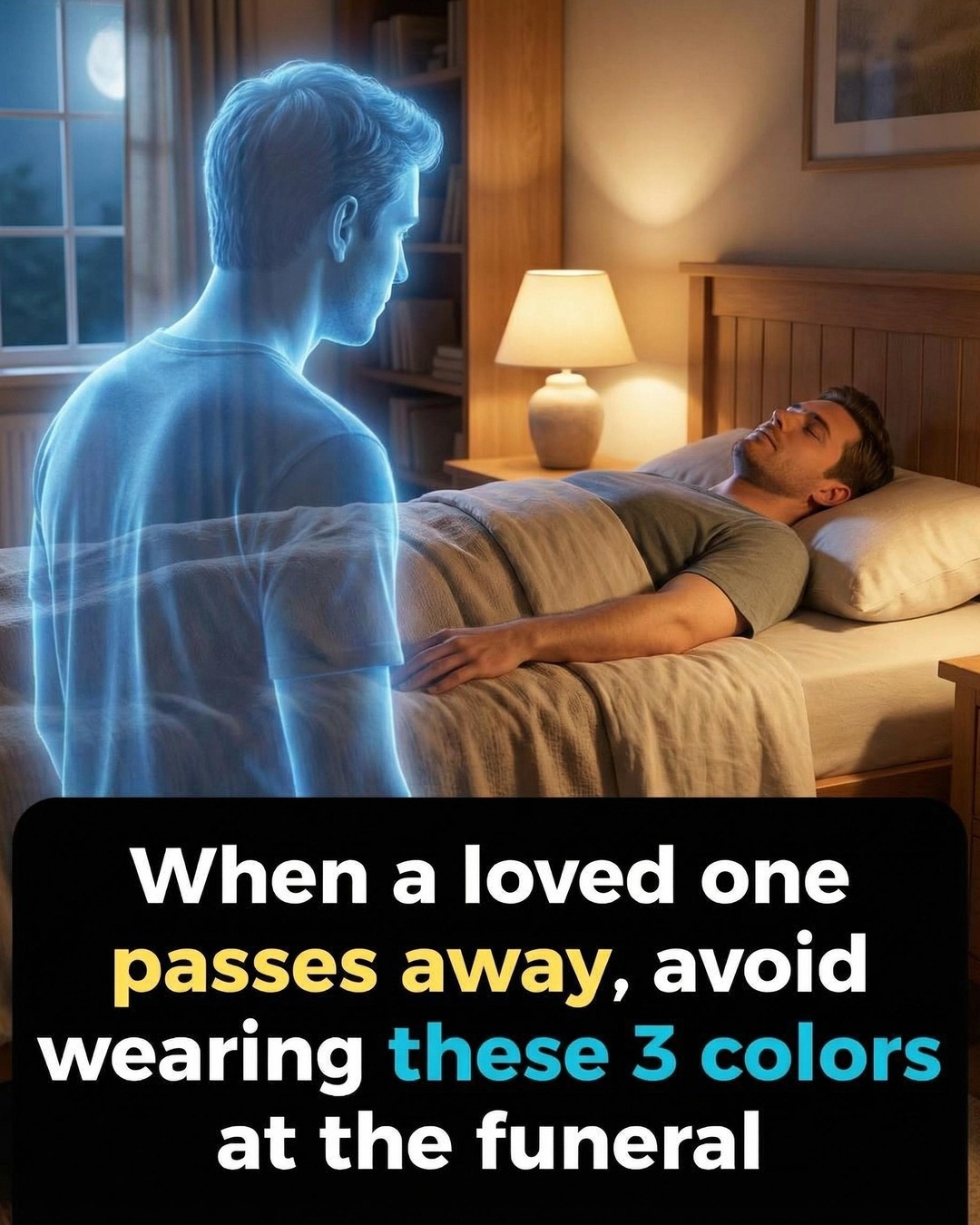
  • Guidelines on Colors You Should Not Wear to a Funeral!

    Guidelines on Colors You Should Not Wear to a Funeral!

    Funerals are some of the most emotionally fragile moments we face. They’re not just gatherings—they’re pauses in the rhythm of life where grief takes center stage, families cling to one another, and memories hold more weight than words. In a setting like that, everything we do becomes part of the atmosphere, including the clothing we choose. Attire at a funeral isn’t about fashion or individuality; it’s about respect, empathy, and understanding the space you’re walking into. Colors, especially, speak loudly without you ever uttering a word.

    Different cultures have different customs, but across much of the world, the rule is simple: avoid anything that distracts from the solemnity of the day. People aren’t there to notice your outfit. They’re there to honor a life, support a grieving family, and sit with their memories. The goal is modesty, subtlety, and sensitivity.

    The clearest and most universally discouraged color at funerals is bright red. Red carries emotional intensity—it signals celebration, passion, excitement, even romance. In many countries, red is tied to weddings, festivals, ceremonies, and moments of joy. Some cultures even view red as a symbol of life and good fortune, which makes it deeply out of place in a room where people are mourning someone they’ve lost. A vivid red dress, shirt, or accessory draws attention instantly, shifting focus away from the purpose of the gathering. Unless the family specifically requests red for cultural or symbolic reasons—which occasionally happens—wearing it can be seen as jarring or disrespectful.

    Equally out of place are neon or fluorescent colors. Shades like electric pink, lime green, highlighter yellow, blazing orange, or any glowing, eye-catching tone send the wrong message. These are colors associated with energy, nightlife, parties, and bold personal expression. They don’t blend quietly into a room, and funerals are the last place where anyone should be trying to stand out. When the goal is to create a quiet, reflective environment, bright colors feel like noise. Dark neutrals—black, charcoal, navy, forest green, muted brown—communicate presence without disruption.

    Then there’s the matter of metallics and shine. Sequins, glitter, gold lamé, silvery fabrics, holographic finishes, or flashy rhinestone accessories might be perfect for celebrations, formal events, or evenings out, but they clash with the somber tone of a funeral. Anything that catches the light dramatically or sparkles from across the room inadvertently becomes the center of attention. And the only thing that should hold attention at a funeral is the person being honored and the people grieving. Simple fabrics, clean lines, and matte finishes show awareness of the emotional setting.

    Some people believe that as long as the outfit is formal or expensive, it’s appropriate—but that’s not necessarily true. High-fashion pieces or elaborate designer clothing can still feel excessive if they’re styled to make a visual statement. At a funeral, it’s better to scale back. A conservative black dress, a dark suit, muted blouses, soft sweaters, modest skirts, or understated trousers are all timeless choices. The old rule—dress nicely without dressing loudly—still holds up.

    Patterns also require caution. Loud prints, oversized florals, animal prints, or anything extremely bold can come off as too celebratory. Minimal patterns, subtle stripes, small checks, or delicate textures may be acceptable depending on the overall tone, but solid colors remain the safest choice. When in doubt, choose something understated. Understatement never offends; overstatement often does.

    Jewelry and accessories deserve the same attention. Large, flashy, or sparkling pieces—dangling earrings, chunky necklaces, oversized bracelets—can undermine the mood of the occasion. Opt for simplicity: a small necklace, a watch, quiet earrings, or a thin bracelet. Accessories should feel supportive, not expressive. They should fade into the background, not take center stage.

    Shoes also matter. Bright-colored sneakers, glittery heels, neon athletic shoes, or trendy statement footwear can clash with the environment. Stick to dark, clean, polished shoes in classic styles—flats, quiet heels, oxfords, loafers, or simple boots.

    Even makeup and hairstyles can contribute to the tone. Ultra-bright lipstick, heavy glitter makeup, dramatic contouring, or experimental hair colors can unintentionally break the mood. Natural or subdued makeup—soft tones, neutral shades—fits the moment. Hairstyles don’t need to be elaborate; neat and modest is enough.

    The guiding principle behind all these choices is respect. Funerals are not about showcasing personality; they’re about showing compassion. Clothing becomes a silent gesture—a way of communicating, “I see your pain, and I’m here with you.” You’re offering comfort through presence, not performance.

    Of course, there are exceptions. Some cultures use white instead of black as the color of mourning. Some families encourage guests to wear the deceased’s favorite color or dress in bright attire to celebrate their life rather than mourn their death. Always defer to the family’s wishes. If they’ve made a specific request, that request overrides general customs. But when no guidance is given, the safest route is always subtlety and muted tones.

    If you ever feel unsure, ask yourself one question: “Will my clothing draw attention away from the purpose of the day?” If the answer is yes, change the outfit. If the answer is no, then you’re probably on the right track.

    Funeral attire doesn’t need to be perfect—it just needs to be thoughtful. A simple, dark outfit shows empathy without saying a word. It helps create a unified atmosphere of support and solidarity. It signals to the family that you understand their pain and are there to honor someone they loved.

    In moments of grief, people remember who showed up for them. They remember the silence, the hugs, the shared tears, and the quiet gestures that acknowledged their loss. Clothing is one of those gestures. When you choose colors and styles that blend gently into the moment, you’re not just following etiquette—you’re offering respect in a way that’s deeply felt, even if never spoken.

    That’s the true role of funeral attire: not to impress, but to honor; not to stand out, but to stand with.

  • We Arrested 5 Bikers For Stalking A Widow Until Her Little Son Ran Outside Screaming The Truth

    We Arrested 5 Bikers For Stalking A Widow Until Her Little Son Ran Outside Screaming The Truth

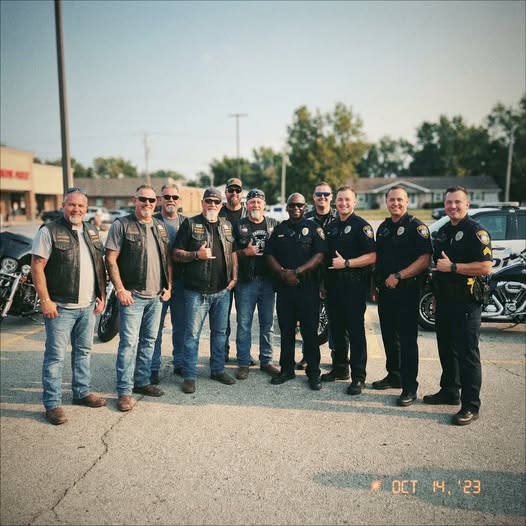
    We arrested five bikers for stalking a widow—at least that’s what we thought. It wasn’t until her seven-year-old son ran outside screaming that everything we believed about that morning collapsed in front of us.

    My name is Officer Marcus Williams. Eighteen years on the force, and I’ve learned that most days follow a familiar rhythm—traffic stops, disputes, routine calls. And then there are days that rip the ground out from beneath you. October 14th, 2023 was one of those days.

    At 6 AM, dispatch sent out a 911 call from a terrified woman. Her husband had been a police officer killed in the line of duty eight months earlier. For three straight weeks, she said, five bikers parked across from her house from sunrise to sunset. No words. No threats. Just watching. As a widow of an officer, she was already carrying enough fear for a lifetime. Now her son was afraid to step outside. She begged us to help.

    Given the circumstances—an officer’s widow, strange men watching her home—we mobilized fast. Four patrol cars, eight officers. We expected retaliation, intimidation, maybe even someone targeting the family of a fallen cop.

    When we rolled onto that quiet suburban street, the bikers were exactly as she described: five older men, beards, leather vests, tattoos, heavy boots. They sat on their motorcycles lined up facing the house. Every visual cue told us danger.

    We jumped out with guns drawn.

    “Off the bikes! Hands where we can see them!”

    They didn’t argue. Didn’t flinch. Didn’t even look confused. They complied instantly, slow and cooperative. One of them—a gray-haired man in his sixties—was already crying.

    “Officers, wait,” he said, voice cracking. “We’re not here to hurt anyone. We’re here for—”

    My partner shoved him onto the bike and cuffed him before he could finish. “Save it,” he snapped. “You’ve been stalking a woman who lost her husband. You’re done.”

    Within minutes, all five were handcuffed, lined up, ready to be loaded into our cruisers.

    Then the front door of the widow’s house burst open.

    A little boy in pajamas sprinted toward us, his face blotchy from crying. His mother chased him, screaming for him to stop, but he was too fast. He threw himself around the waist of the biker my partner had pinned.

    “DON’T TAKE HIM! PLEASE DON’T TAKE HIM!” the boy sobbed. “HE’S MY DAD’S BEST FRIEND!”

    Every officer stopped moving.

    The widow froze in the yard, tears running down her face. The bikers were silent. The boy clung to the man like he was holding onto the last safe thing in the world.

    “What is he talking about?” I asked.

    The older biker swallowed hard, eyes wet. “Officer… Danny Morrison was my brother. We served together in Desert Storm. I promised him that if anything ever happened to him, I’d watch over his family.”

    He took a breath that seemed to hurt. “He was killed eight months ago. We’ve been keeping that promise every day since.”

    Another biker spoke, voice shaking. “We take shifts. Make sure no one bothers them. Danny saved our lives—more than once. Protecting his wife and son was the least we could do.”

    My partner stepped back, stunned. “Why didn’t you just tell her?”

    “Because she didn’t know us,” the oldest man said. “Danny kept his Army life separate. We didn’t want to scare her with five strangers claiming to be her husband’s brothers in arms.”

    The little boy looked up at him, tears streaking his cheeks. “He came to Daddy’s funeral,” he said quietly. “He gave me the flag. He promised Daddy he’d protect us.”

    I felt the bottom drop out of my stomach.

    The widow finally found her voice. “You… knew my husband?”

    The biker reached into his vest and pulled out a worn photo—five young soldiers in desert fatigues, arms around each other, smiling like they’d never known fear. One of them was unmistakably her husband.

    “He saved my life twice,” the biker told her. “Once overseas. Once back home when I nearly drank myself to death. He saved all of us in one way or another.”

    He pointed to each biker. “Danny talked Marcus out of suicide. Helped Tommy win custody of his kids. Took care of us when we were broken. So when he died, we made a pact—we’d protect what he loved most.”

    The widow’s knees buckled. She covered her mouth and sobbed.

    We uncuffed the bikers. The shame hit like a punch. We’d been seconds away from arresting five men who were keeping a sacred promise.

    The oldest biker knelt next to the boy. “Your dad loved you more than anything,” he said softly. “He showed us your picture every day. Said you were his greatest mission.”

    The boy’s voice was tiny. “I miss him.”

    The biker hugged him, crying openly. “We all do, little man.”

    We stood there—eight police officers and five bikers—crying on a quiet street at sunrise.

    The widow apologized, terrified she’d done something wrong. I told her the truth: she’d reacted exactly as she should. Suspicious activity, a child to protect—calling 911 was the right move.

    The bikers apologized too. They never intended to frighten her. They thought staying distant was respectful. Instead, it looked like stalking.

    That morning changed everything.

    We spent the next hour talking. Listening. Hearing stories about Officer Danny Morrison—stories none of us knew, stories his widow had never heard. Stories about bravery, brotherhood, and a man who spent his life saving others.

    Before we left, the boy tugged my sleeve. “Can you come back? My daddy’s friends used to come over. I miss that.”

    We promised we would.

    And we kept that promise.

    The next Saturday, all eight of us returned with food and photos from the precinct. The bikers came too. We spent the afternoon telling stories, laughing, crying, building something new in the space Danny left behind.

    That day turned into a tradition. We visit the Morrisons every month—cops and bikers together. Danny’s son, Danny Jr., is older now. He wants to be a cop like his dad. Or maybe a biker like his uncles. Depends on the day.

    The bikers helped repair the Morrison home. We helped with survivor benefits. Together, we kept Danny’s family standing.

    On career day at school, Danny Jr. brought all thirteen of us—officers and bikers. He told his class:

    “These are my uncles. They all protect me. My daddy said family is who shows up. And they show up.”

    He’s right.

    Every October 14th, we ride together through the streets Danny used to patrol. We stop at the spot where he died. Then we visit his grave. We tell him his family is safe. That we kept the promise.

    Because that’s what brothers do.

    We show up. We protect each other. And we don’t let our fallen heroes’ families face the world alone.

    Officer Daniel Morrison will never be forgotten—not by us, not by his brothers in leather, and certainly not by the son who carries his name.

  • Cashier Laughed At Old Woman Counting Pennies So I Did Something That Got Me Arrested

    Cashier Laughed At Old Woman Counting Pennies So I Did Something That Got Me Arrested

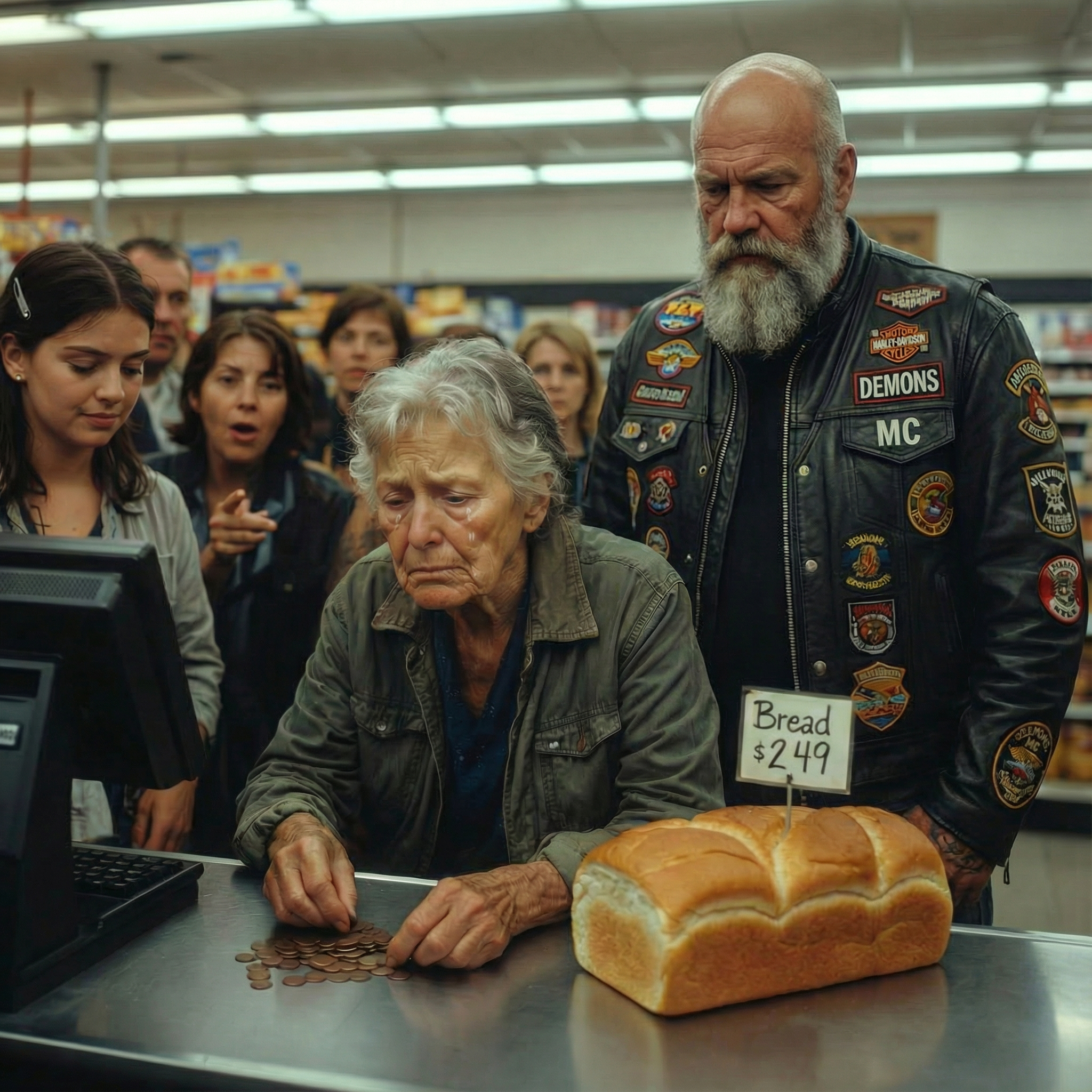
    The cashier started laughing at an old woman who was counting out pennies for a loaf of bread, and something in me snapped right there in the checkout line. I’ve lived sixty-seven years, ridden forty-three of those on two wheels, and I’ve seen my fair share of ugly behavior—but nothing hit me like that moment did.

    She couldn’t have weighed more than a hundred pounds. Eighty, maybe eighty-three years old. Shoulders curled in, hands trembling with arthritis as she pushed coins across the counter—pennies, nickels, a few dimes she must’ve dug out of a jar at home. She counted slowly, whispering numbers under her breath, losing her place, starting over. Just trying to buy a $2.49 loaf of bread.

    “Ma’am, you’re twenty-three cents short,” the cashier told her, rolling her eyes so hard I swear I heard it. “And there’s a line.”

    The old woman apologized like she’d committed a crime. “I thought I had enough,” she whispered. “Let me… let me count again.”

    Someone behind me groaned, loud and impatient. “Come on, lady. Some of us have places to be.”

    Her chin wobbled. Tears welled up. Tears—over a loaf of bread she couldn’t afford while a store full of people just watched.

    That’s when the cashier laughed. Not a nervous laugh. Not a slip. A real, dismissive giggle. “Maybe try the food bank next time, hon.”

    I stepped forward before I even knew I was moving. Slapped a twenty on the counter hard enough that the pennies jumped. “Her groceries are on me,” I said. “And you’re going to apologize to her. Right. Now.”

    The cashier blinked. “Excuse me?”

    “You heard me.”

    “I don’t have to—”

    “You laughed at her,” I growled. “You humiliated an elderly woman over pocket change. Own it.”

    People in line suddenly went quiet. The kind of quiet where you realize you should’ve spoken up but didn’t.

    A manager rushed over, straightening his tie like that made him more authoritative. “Sir, what seems to be the problem?”

    “The problem,” I said, “is your employee mocking a senior citizen for being poor.”

    The old woman tugged my sleeve gently. “Please,” she whispered. “I don’t want trouble. I’ll just go.”

    “No ma’am,” I told her. “You’re not going anywhere without that bread. You did nothing wrong.”

    The manager sighed, clearly annoyed at the ‘scene.’ “Sir, if you can’t calm down, I’ll have to call the police.”

    And that’s when her sleeve slipped.

    The faded numbers inked into her forearm stopped the world cold.

    I’ve seen those numbers before—in documentaries, in museums. Not in real life. Not tattooed on the skin of a trembling woman standing in a grocery store crying over two dollars and some change.

    “Ma’am,” I asked quietly, “were you in the camps?”

    She looked up with eyes too tired for someone who had survived so much. “Auschwitz,” she said softly. “I was fourteen.”

    The entire checkout line went silent.

    I turned to the manager. “She survived Nazis, starvation, losing her entire family. And you’re letting your cashier laugh at her because she’s twenty-three cents short for bread?”

    The manager paled. The cashier stared at the floor, shaking.

    I didn’t wait for a response. “I’m paying for her groceries. All of them. And if you want to call the police, go ahead—because when they arrive, I’ll tell them exactly what happened.”

    Suddenly, no one wanted the police involved.

    The manager stammered out an apology. The cashier whispered one, too late and too small. The woman only nodded—she wasn’t interested in apologies. She just wanted dignity.

    I carried her bread to her cart. “Do you need anything else?” I asked.

    She looked at me like she couldn’t understand why someone would help her. “Why are you being so kind?”

    “Because it’s the right thing to do,” I told her. “And because my mother would rise from the grave and strangle me if I walked away from this.”

    She almost smiled. “Your mother raised you well.”

    “She tried,” I said.

    We walked the aisles together. Her name was Eva. Eighty-three years old. Lived alone. Husband gone six months. Only son passed years earlier. She was living on $1,247 a month in Social Security. Rent was $950. That left her with about $300 to survive on. She was choosing between food and heat. Between medicine and electricity.

    Between feeding herself… and feeding her cat.

    “I give my food to Misha,” she told me. “She is all I have left.”

    That sentence made my chest hurt.

    I didn’t let her argue. I filled three carts with groceries—real food, not the cheapest cans. Food for her. Food for Misha. Basic household items she’d stopped buying because they were “too expensive now.” The total was nearly five hundred dollars. I didn’t hesitate.

    People stared. Good. They needed to.

    I loaded everything into my bike trailer, and she laughed softly. “A biker,” she said. “I should have known.”

    “Does that bother you?” I asked.

    She shook her head. “I survived Mengele. A man on a motorcycle does not frighten me.”

    At her apartment, I unloaded the groceries and met Misha, a skinny old cat who immediately climbed onto my lap like she’d been waiting years for someone to show up.

    I made Eva a sandwich because I realized she hadn’t eaten.

    Then she showed me photos—her family before the war. Thirty-seven people. She was the only one who survived.

    We sat quietly for a long time before she said, “Why did you really help me? Tell me.”

    I thought about the years I’d wasted, the people I’d failed, the daughter I hadn’t spoken to in four years. And I told her the truth.

    “Because I want to be a man my mother would be proud of,” I said. “Because I’m tired of walking past people who need help.”

    Eva squeezed my hand with her frail fingers. “Then keep going,” she said. “Do not let the world turn you hard.”

    I visited her again the next Sunday. And the one after that. She told me stories that should’ve broken anyone, yet she was still gentle. Still kind.

    At her urging, I called my daughter. We’re talking again. Trying again.

    My biker brothers found out about Eva. Now they visit too. She calls us her “scary grandsons.” She makes tea and tells us about liberation day—the American soldier who carried her to the medical tent, crying the entire time.

    When she got pneumonia, twenty-three bikers filled the hospital hallway, refusing to leave. Nurses were terrified until Eva woke up, saw us, and said, “My boys.”

    She’s home now. Still fragile, still fighting.

    And every Sunday, she waits for us.

    I thought I saved her that day. But she saved me. She reminded me what compassion looks like. What loyalty feels like. What humanity should be.

    The world laughed at an old woman counting pennies.

    But that old woman is the strongest person I’ve ever met.

    And she’s family now.

    Because real family isn’t blood.

    It’s the people who show up—especially when nobody else will.

  • Warning! These are the consequences of sleeping co! See more

    Warning! These are the consequences of sleeping co! See more

    Have you ever noticed a bump, mark, or unusual patch of skin in your intimate area and immediately felt that sinking wave of worry? You’re not alone. It’s one of the most common concerns people have about their bodies, yet it’s also one of the least talked-about. When something changes “down there,” it’s natural to feel anxious, embarrassed, or unsure of what to do next. But the truth is simple: genital skin changes happen for all kinds of reasons, and many of them are harmless. Understanding what you’re looking at—and when it matters—is the key to protecting your health without spiraling into panic.

    The genital area is sensitive. It reacts to friction, moisture, grooming habits, sweat, tight clothing, and everyday bacteria. On top of that, it can also reveal signs of infections or medical conditions that need the attention of a healthcare provider. The important thing is recognizing the difference between what’s likely minor and what could be a warning sign.

    Let’s break things down clearly so you can understand what these changes might mean, what they typically look like, and most importantly, when it’s time to get checked by a professional.

    To start, many bumps or spots people worry about turn out to be extremely common problems like folliculitis. This condition happens when a hair follicle becomes irritated or infected—often after shaving, waxing, sweating heavily, or wearing clothing that rubs the skin. These bumps usually show up as small red or white dots, sometimes tender to the touch, sometimes itchy, and occasionally filled with a bit of pus. They often look alarming but usually settle with simple care: keeping the area clean, using warm compresses, and giving the skin a break from further irritation. When the bumps spread, worsen, or don’t improve, that’s when a healthcare provider should take a look.

    Another harmless but often misunderstood issue is the sebaceous cyst. These develop when a tiny gland under the skin gets blocked. They feel like smooth lumps—sometimes firm, sometimes soft—and usually don’t hurt unless they become infected. Many vanish on their own over time, but if they swell or turn painful, a doctor may need to drain them.

    While those causes are generally mild, there are conditions that shouldn’t be ignored. Genital warts, for example, are caused by certain strains of HPV. They tend to appear as small, flesh-colored growths—sometimes flat, sometimes raised, and occasionally in little clusters. They’re usually painless, which is why many people ignore them, but they’re still something that needs medical evaluation and management.

    Herpes simplex virus (HSV) is another condition that shows itself through the skin. It typically produces painful blisters or open sores, often preceded by burning, tingling, or soreness in the area. Outbreaks can recur, especially during times of stress or lowered immunity, but treatment exists to manage symptoms and reduce transmission.

    Some bumps come from conditions most people have never even heard of. Molluscum contagiosum, for example, causes small, round bumps with a tiny dimple in the center. They spread through skin-to-skin contact and can appear anywhere on the body. While the condition clears on its own eventually, it can take months, so a medical professional can offer options for speeding up removal.

    Syphilis—a bacterial infection that has been around for centuries—can start deceptively. Its first symptom is often a single painless sore, known as a chancre. Because it doesn’t hurt, people sometimes miss it entirely. But without treatment, the disease progresses to more serious stages. The good news is that early diagnosis makes treatment straightforward and highly effective.

    Inflammatory skin conditions can also target the genital area. Lichen sclerosus and lichen planus are two such examples. These can cause itching, irritation, and visible skin changes like white patches or flat purple bumps. They aren’t infections, but they can cause long-term discomfort and require medical treatment to manage symptoms and prevent complications.

    So how do you know what’s normal and what’s not?

    There’s no perfect rule, but here’s a practical guideline: pay attention to anything new, anything persistent, anything painful, anything that spreads, anything that bleeds or oozes, anything that changes shape or color, or anything that simply feels wrong to you. Your intuition matters. If a lesion doesn’t behave like a simple pimple or ingrown hair, or if it sticks around longer than it should, go get it checked.

    Many people avoid talking to a doctor about genital symptoms because they’re embarrassed—but medical professionals see these issues constantly. You’re not the first to ask, you won’t be the last, and early evaluation helps you get answers sooner and avoid complications.

    If you ever notice a new bump, spot, rash, sore, or patch of skin that makes you pause, pay attention to the following questions:

    —Has it appeared suddenly?

    —Is it painful, itchy, or burning?

    —Is there any discharge or fluid?

    —Is it spreading or multiplying?

    —Is it changing shape, color, or texture?

    —Is it happening after shaving or irritation?

    —Have you had new sexual partners?

    —Has it been there for more than a few weeks?

    Your answers help point you in the right direction but cannot replace professional evaluation.

    Sometimes bumps are nothing more than clogged pores, ingrown hairs, or skin reacting to heat and friction. Other times, they’re signals from your body that something needs attention. Understanding the possibilities helps you stay calm but vigilant.

    The most important takeaway is this: you don’t have to figure it out alone. And you’re certainly not expected to diagnose yourself. The genital area is one of the most sensitive regions of the body, and changes there deserve the same care and attention you’d give to any other part of your health.

    If something concerns you—no matter how small—reach out to a healthcare provider. They can examine the area, run any necessary tests, and give you peace of mind or the treatment you need. You deserve clarity, reassurance, and proper care.

    Your health begins with paying attention, asking questions, and getting support when you need it. And there’s nothing embarrassing about that—only responsible, proactive self-care.

  • Eric Trump dropped shocking bombshell about his parents marriage on live TV!

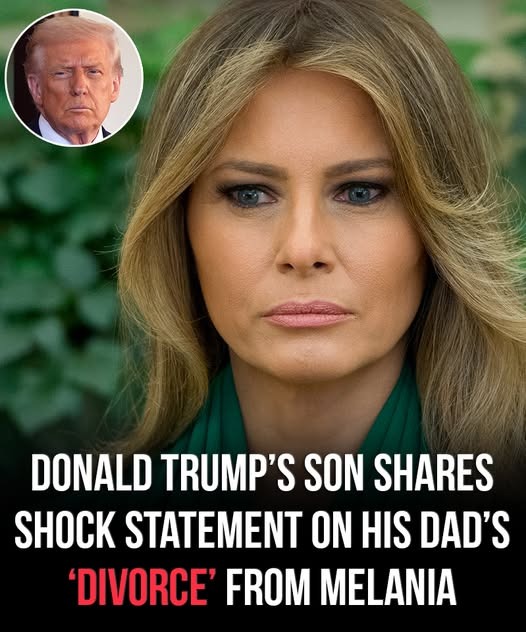
    Eric Trump dropped shocking bombshell about his parents marriage on live TV!

    Keeping up with the Trump family is never simple, and early October added another chapter to their long list of headline-grabbing moments. In a heated TV appearance, Eric Trump claimed that political opponents had gone so far as to try to engineer a divorce between his parents, Donald and Melania Trump. The comment wasn’t just dramatic — it instantly reignited years of public speculation about the former First Couple’s relationship, something that has followed them since their earliest days in the White House.

    The timing of Eric’s statement wasn’t random. Just weeks prior, the internet exploded over a short clip filmed aboard Marine One. As the helicopter landed on the South Lawn, cameras caught what looked like a tense exchange — Donald Trump pointing a finger, Melania shaking her head. Social media ran wild with rumors of a marital argument. But forensic lip readers later clarified that the couple wasn’t fighting at all. They were apparently discussing a mishap at the United Nations, where a malfunctioning escalator had caused a close call during their appearance at the General Assembly.

    Whatever tension was captured lasted only seconds. Moments later, the pair were photographed walking hand in hand, seemingly unbothered. But that brief video was enough to reignite a subject that never stays quiet for long: the state of the Trumps’ marriage.

    So when Eric Trump appeared on Newsmax’s “Rob Schmitt Tonight,” he didn’t just defend his father — he launched a full offensive. According to Eric, the political and legal campaigns against Donald Trump weren’t limited to courtrooms or congressional hearings. He claimed the attacks targeted every corner of their lives, including their family relationships.

    “They came after me like I was a dog,” he said, listing off everything he believes was thrown at them: two impeachments, the Russia investigation, surveillance allegations, media scrutiny, online platform bans, and a cascade of local and federal investigations. He emphasized the 91 criminal charges across several cases, calling them “bogus,” and framed the mugshot release as an attempt to publicly humiliate his father — one he insists ultimately backfired.

    But then he pushed the narrative into far more personal territory.

    According to Eric, political operatives didn’t just go after Donald Trump’s campaign or business dealings — they tried to destabilize his marriage. He said that the raid on Mar-a-Lago, publicized investigations, and even rumors from the infamous Steele dossier were part of a strategy to separate his parents.

    The dossier, compiled by former British intelligence officer Christopher Steele, included unverified and widely disputed allegations. Eric claims that some of the most sensational claims weren’t aimed at voters, but at Melania — an attempt, he said, to weaponize scandal and fracture the Trump family from within.

    “When they talk about outrageous claims in their paid-for fake dossier,” he said, “you better believe their intent is to divide a marriage.”

    Eric also referenced the 2022 FBI search of Mar-a-Lago, during which agents seized dozens of boxes in an investigation into classified documents. Donald Trump repeatedly slammed the raid as politically motivated, while Melania called it a violation of privacy. In a 2024 interview, she described coming home to find strangers had combed through her closets and personal belongings, something she said left her shocked and furious.

    Eric doubled down, saying the raid didn’t just target his father’s office or storage rooms — it extended into personal spaces belonging to Melania and their teenage son. “They raided Melania’s closet,” he said. “They raided 16-year-old Barron’s room.” Whether the broader search was malicious, excessive, standard procedure, or politically charged remains debated publicly, but Eric’s framing was unmistakable: in his view, the intent was personal.

    His appearance marked one of the rare occasions a Trump family member publicly acknowledged strain placed not just on political reputations, but on family dynamics. He painted a picture of a family under siege — legally, financially, politically, and emotionally. According to him, attacks weren’t limited to Donald Trump himself. They extended to employees, business accounts, and personal relationships.

    Still, the claim that political actors tried to trigger a divorce is more assertion than evidence. Nothing concrete has been presented to show such an attempt existed beyond speculation tied to media narratives and the ripple effects of controversy. But Eric’s statement added fuel to a topic that never seems to disappear.

    For years, Donald and Melania Trump’s marriage has been dissected in countless articles, interviews, and viral videos. From Melania’s stoic public appearances to speculation over body language, pundits and social media users have long analyzed their relationship with forensic obsession.

    Eric’s comments brought that scrutiny back into the spotlight. Whether he genuinely believes there was an organized attempt to break up his parents or whether he was emphasizing the emotional fallout from political battles, the impact was the same: he opened the door to more questions, more debates, and more headlines.

    Behind all the noise, the Trumps continue presenting a united front publicly. They appear together at major events, stand together during rallies, and avoid any public acknowledgment of marital strain. But living under that level of attention — legal, political, and personal — undoubtedly shapes their world in ways few families ever experience.

    Eric Trump’s TV moment didn’t just stir controversy. It revealed how deeply the family feels the pressure surrounding them. It also highlighted the line between political war and personal life — a line that often blurs when the Trump name is involved.

    Whether the allegations about attempts to divide the marriage were literal, emotional, or rhetorical remains open to interpretation. But one thing is clear: the Trump family’s private life will continue to be a magnet for speculation, whether they want it or not.

    And as long as Donald Trump remains a central figure in American politics, the public will keep watching, questioning, and reading between the lines — whether the rumors are grounded in reality or simply part of the ongoing political spectacle.

  • BOOM!!! Trump just DROPPED a MASSIVE tax plan to BENEFIT senior citizens!!!

    BOOM!!! Trump just DROPPED a MASSIVE tax plan to BENEFIT senior citizens!!!

    President Trump has rolled out a sweeping new tax proposal—one aimed squarely at senior citizens, service workers, and everyday Americans who’ve felt squeezed by rising costs and stagnant wages. Announced by White House Press Secretary Karoline Leavitt, the plan is being framed as a direct strike against long-protected loopholes used by the ultra-wealthy while giving meaningful financial breathing room to people who actually work for a living.

    At the core of Trump’s proposal is a push to eliminate taxes on tips, Social Security benefits, and overtime pay. For seniors, servers, bartenders, hotel workers, nurses working extra shifts, and anyone stretching long hours to keep up with expenses, the change would be immediate and substantial. Under this plan, retirees would keep more of their monthly checks, and millions of workers across the country would see more take-home pay—without needing to climb tax brackets or sift through complicated filings to get it.

    The message the administration is pushing is straightforward: if you earn it through honest work, you should be able to keep it.

    But the plan doesn’t stop there. Trump also wants to close a set of tax loopholes that have, for decades, helped the most powerful players in America avoid paying their fair share. The most notable among them is the carried-interest loophole, a mechanism that has allowed hedge fund managers and private equity executives to reduce their tax bills dramatically. The administration argues that eliminating this loophole is long overdue and would restore a sense of fairness by ensuring that investment moguls pay closer to what everyday Americans pay.

    Another target is the tax advantages available to major sports team owners—breaks that have allowed billionaire franchise holders to write off staggering amounts of money while continuing to buy and sell teams for astronomical profits. Under the proposed plan, these forms of preferential treatment would be scaled back or eliminated, redirecting that revenue toward broader tax relief for ordinary citizens.

    A major pillar of the proposal is a reduction of the corporate tax rate to 15% for domestic manufacturing. Trump’s team argues that this shift would act as a massive incentive to bring factories back to U.S. soil, strengthen supply chains, increase domestic production, and make American-made goods more competitive. Supporters say it’s a direct move to rebuild the industrial backbone of the country—a reversal of decades of outsourcing that hollowed out small towns and manufacturing hubs across the Midwest and South.

    The plan is pitched as both populist and pragmatic: cut taxes for workers, remove unnecessary tax burdens on seniors, reward companies that build and produce in America, and shut down loopholes reserved for financial elites. In doing so, Trump’s advisors say, the country would see stronger job numbers, a revitalized manufacturing sector, and a boost in consumer spending—all without new taxes on the middle class.

    Critics, of course, are already raising questions. Some worry that cutting taxes too aggressively could widen deficits unless loophole closures generate enough revenue to offset losses. Others argue that political opposition in Congress will make it difficult to pass the plan intact. But among Trump’s base—and among many Americans who live paycheck to paycheck—the message resonates. People want more money in their pockets, less bureaucratic interference, and a tax structure that doesn’t feel rigged against them.

    The proposal’s rollout has put senior citizens front and center. For years, many retirees have complained that taxing Social Security benefits undermines the very purpose of the program. Many feel they paid into it for decades only to have the government take back a chunk when they finally receive the benefits. Trump’s plan directly answers that frustration by eliminating those taxes altogether, turning Social Security into a full and untaxed retirement support system.

    Service workers—millions of whom rely heavily on tips—would also feel the impact immediately. For a sector often hit hardest by inflation, wage stagnation, and unpredictable income, wiping out taxation on tips would mean larger paychecks that reflect their real earnings. Trump has repeatedly emphasized that American workers should not be penalized for the generosity of customers.

    The plan’s focus on overtime pay is another major shift. In many households, overtime isn’t optional; it’s the only way to fill the gap between bills and income. Removing the tax burden on those extra hours rewards hard work directly—something Trump highlights frequently in speeches about the dignity and value of labor.

    Not surprisingly, Trump’s supporters are calling the plan bold, necessary, and long overdue. They argue that middle-class Americans have carried a disproportionate share of the tax burden for too long while major corporations, financial executives, and wealthy investors used creative accounting to reduce or eliminate their obligations. This proposal, they say, levels that playing field.

    Whether the plan will make it through Congress remains to be seen. What’s clear is that the announcement has already sent shockwaves through media outlets, political circles, and financial institutions that have benefited from loopholes for decades. Senior groups, labor unions, service industry advocates, and manufacturing coalitions are already weighing in, many praising the direction of the proposal even if they disagree on the specifics.

    If passed in full, Trump’s tax overhaul would represent one of the most aggressive shifts in tax policy in modern American history—one designed to tilt the financial balance back toward everyday workers and retirees. It’s a dramatic promise with dramatic implications, and as always with Trump, the proposal arrives with energy, controversy, and a sense of upheaval.

    Whether you see it as long-awaited relief or political theater, one thing is certain: this tax plan has the power to reshape the economic landscape for millions of Americans—especially seniors who’ve spent a lifetime paying into a system that may finally start paying them back.

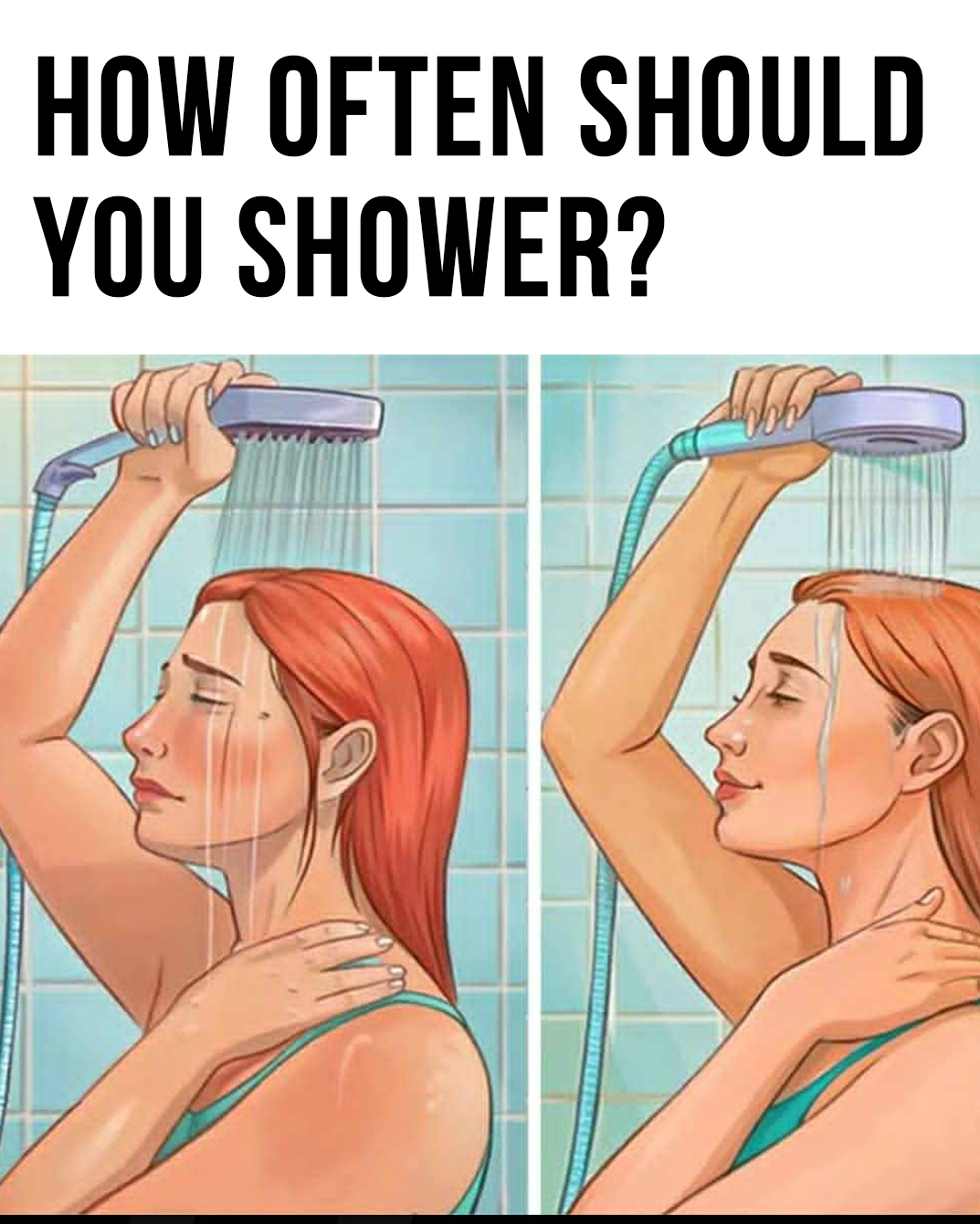
  • The Hidden Cost of Staying Too Clean How Over-Bathing Can Harm Your Skin and Health

    The Hidden Cost of Staying Too Clean How Over-Bathing Can Harm Your Skin and Health

    Most people think being cleaner automatically means being healthier — but dermatologists are warning that the “clean at all costs” mindset is doing the opposite. Those long, steamy showers that feel like heaven after a long day might quietly be damaging your skin, throwing off your body’s natural defenses, and leaving you worse off in the long run. You may not notice it right away, but over time the signs become impossible to ignore: tightness, burning, itching, flaking, redness, and irritation that doesn’t go away no matter how much lotion you slather on afterward.

    Your skin isn’t just a surface that gets dirty — it’s a living, active system designed to protect you. It creates natural oils, builds barriers, maintains moisture, balances bacteria, and reacts to your environment with remarkable intelligence. But it can’t do any of that if it’s attacked every single day with scalding water, harsh soaps, chemical fragrances, and abrasive scrubbing. When that barrier breaks down, your skin becomes vulnerable to everything it’s supposed to block: allergens, irritants, germs, pollutants, and microscopic particles that enter through tiny cracks you can’t even see.

    A lot of people mistake the tight, squeaky-clean feeling after a long shower as a sign of cleanliness. Dermatologists call it what it really is: damage. When you over-wash, you strip away the oils that hold moisture in your skin. Without those oils, your skin cells dry out and shrink, pulling apart just enough to allow irritants inside. That faint stinging sensation after toweling off? That’s your skin telling you it’s lost too much of its natural protection.

    And this isn’t just about vanity. Your overall health takes a hit too. Hot water causes blood vessels to expand rapidly, which can create sudden drops or spikes in blood pressure. For older adults or anyone with circulation problems, dizziness, fatigue, or heart palpitations after a long shower aren’t uncommon. It’s your body fighting to stabilize itself after being shocked by heat.

    Your scalp doesn’t escape the punishment either. Washing your hair every single day strips the natural oils that keep your scalp calm and balanced. The result? Itching, dandruff, burning, brittle hair, and even more oil production as your scalp desperately tries to replace what was lost. It’s a cycle people get trapped in: overwashing causes oiliness, and oiliness convinces them to wash even more.

    Then there’s the immune system — something many people forget their skin is a part of. The good bacteria living on your skin aren’t random; they’re essential teammates that help your body learn what’s dangerous and what’s harmless. When you scrub those away constantly, your immune system misses out on the everyday “training” it needs to stay sharp. Over-sanitizing doesn’t make you safer. It can make your body more reactive, more sensitive, and less resilient over time.

    And the truth is, most healthy people don’t need multiple showers a day — or even one every single day — to maintain proper hygiene. That idea came from modern convenience, not biology.

    Short, warm showers a few times a week often do more for your skin than daily marathon scrubbing sessions. Focusing on the essential areas — the spots that actually require daily attention — is enough for most people. The rest of your skin benefits from being left alone to do its job without interference. Your natural oils rebalance, your skin regains strength, and irritation fades.

    You don’t have to live like you’re avoiding water altogether. A reasonable approach keeps you clean without stripping your body’s defenses.

    Signs you may be over-bathing include persistent dryness, redness, flaking, irritation that doesn’t go away, hair that breaks easily, and skin that feels uncomfortable immediately after a shower. If any of those sound familiar, your “fresh and clean” routine might be exactly what’s harming you.

    And while people often load up on lotions, oils, conditioners, and serums to fix the damage, most of those problems have a simpler solution: stop stripping your skin in the first place.

    Your skin is built to protect you — but only if you stop fighting it.

    If you step out of the shower every day feeling tight, drained, or irritated, it’s not your imagination. Your skin is trying to tell you something. Listening could be the difference between irritated, aging, damaged skin and a healthy, balanced barrier that does exactly what it’s meant to do: keep you safe.

    As strange as it sounds, staying too clean might be the very thing throwing your body out of balance. Sometimes, the smartest thing you can do for your skin — and your health — is simply to give it a break.