Category: News

  • 20 subtle cancer symptoms commonly missed!

    20 subtle cancer symptoms commonly missed!

    Cancer is often described through its dramatic signs — sudden weight loss, visible lumps, overwhelming fatigue — but the truth is, it rarely begins loudly. Most cancers start quietly, with symptoms so subtle that people brush them off for months. Early detection saves lives, yet many early warning signs are missed because they resemble everyday problems: stress, aging, diet, or minor illness.

    Here are 20 commonly overlooked cancer symptoms — the small red flags that people routinely ignore until the disease is far more advanced. Recognizing them early can make all the difference.

    1. Unexplained Weight Loss
      Dropping ten pounds or more without changing your diet or exercise routine is one of cancer’s earliest signals. Cancer cells burn energy aggressively, often draining the body long before diagnosis. Many people chalk weight loss up to stress or appetite changes, which makes this sign easy to dismiss.
    2. Persistent Fatigue
      This isn’t regular tiredness. It’s exhaustion that sleep doesn’t fix — the kind that lingers for weeks. It happens because the body is fighting harder than usual or because cancers like leukemia cause anemia. Fatigue is so common in modern life that people rarely take it seriously.
    3. Unexplained Pain
      Long-lasting pain with no clear cause should never be ignored. Persistent headaches could indicate a brain tumor; nagging back pain could point to issues with the spine or internal organs. Pain gets written off as stress, age, or minor injury — and dangerous clues get lost.
    4. Changes in Skin or Moles
      Skin cancer can hide in plain sight. A mole that changes shape, color, or size needs immediate attention. Jaundice — yellowing of the skin or eyes — can signal pancreatic or liver cancer. Most people ignore skin changes for years, assuming they’re harmless or related to sun exposure.
    5. Difficulty Swallowing
      Trouble swallowing food consistently may indicate cancer of the throat or esophagus. A growing tumor can block or irritate the esophagus. Many people attribute swallowing issues to reflux or eating too fast.
    6. Sudden Changes in Bowel or Bladder Habits
      Ongoing diarrhea, constipation, blood in the stool, frequent urination, or blood in the urine may signal cancers of the colon, bladder, or kidneys. Because these issues overlap with common infections or diet changes, they’re often dismissed until they worsen.
    7. Persistent Cough or Hoarseness
      A cough that lingers for weeks or a voice that suddenly becomes hoarse can signal lung or throat cancer. If the cough produces blood, the risk is even higher. Most people blame seasonal allergies, smoking, or lingering colds.
    8. Unexplained Rashes or Skin Irritation
      Leukemia, lymphoma, and other cancers can show up as bruising, rashes, or pale skin. People often treat them as allergic reactions or eczema without realizing something deeper is going on.
    9. Unexplained Bleeding or Discharge
      Bleeding from the gums, nose, rectum, or unusual vaginal bleeding can indicate cancers of the blood or reproductive organs. Because bleeding is embarrassing to talk about, many people ignore it or hope it resolves on its own.
    10. Swollen Lymph Nodes
      Firm, enlarged lymph nodes — especially in the neck, underarms, or groin — can point to lymphoma or leukemia. Most people assume they’re caused by a mild infection and wait for them to shrink, missing a window for early diagnosis.
    11. Night Sweats
      Waking up drenched in sweat, even in a cool room, can be a sign of blood cancers like leukemia or lymphoma. Many dismiss it as menopause, stress, or temperature changes.
    12. Painful or Unusual Lumps
      Breast cancer, lymphoma, and soft tissue cancers often show up as small, painless lumps — the kind many people ignore. Even painful lumps get dismissed as cysts or muscle knots.
    13. Loss of Appetite or Changes in Taste
      Sudden disinterest in food or a strange bitterness in the mouth may point to liver, stomach, or pancreatic cancers. Stress or emotional shifts are often blamed instead.
    14. Frequent Infections or Fever
      Cancers like leukemia weaken the immune system, making infections more frequent and harder to shake. Persistent low fevers that come and go without explanation should never be ignored.
    15. Shortness of Breath
      Difficulty breathing may indicate lung cancer or cancer that has spread to the lungs. People often blame asthma, allergies, or being “out of shape,” delaying crucial evaluation.
    16. Ongoing Nausea or Vomiting
      Without a clear cause, constant nausea may suggest stomach, liver, or pancreatic cancer. It’s frequently mistaken for food poisoning, pregnancy, or digestive issues.
    17. Unexplained Back or Abdominal Pain
      Pancreatic, stomach, ovarian, and other cancers often cause vague abdominal or back pain that slowly worsens. People commonly blame posture, sitting too long, or pulled muscles.
    18. Chronic Indigestion or Heartburn
      Heartburn that persists even with medication may signal stomach or esophageal cancer. Because spicy food or stress often cause similar discomfort, this warning gets overlooked.
    19. Constant Constipation or Difficulty Passing Stool
      Struggling to pass stool or feeling like you haven’t fully emptied your bowels can indicate colorectal cancer. Constipation is so common that few consider the possibility of something more serious.
    20. Anxiety, Mood Changes, or Cognitive Shifts
      Some cancers alter hormones or affect brain function, leading to depression, anxiety, or personality changes. These symptoms are easily blamed on stress, exhaustion, or external problems — but sometimes, the body is signaling something deeper.

    Early detection is the strongest weapon against cancer. The problem is that most early symptoms look ordinary, even harmless. People shrug them off, self-diagnose, or wait for them to disappear. But cancer rarely waits. When symptoms persist, evolve, or simply feel “off,” it’s worth listening to your body and getting checked.

    No one likes to imagine the worst, but ignoring subtle warning signs can cost months — or years — that make a critical difference in treatment outcomes. Awareness, attention, and timely medical care save more lives than any cure ever will.

    If you notice unexplained symptoms that don’t resolve, get them evaluated. Early action changes everything.
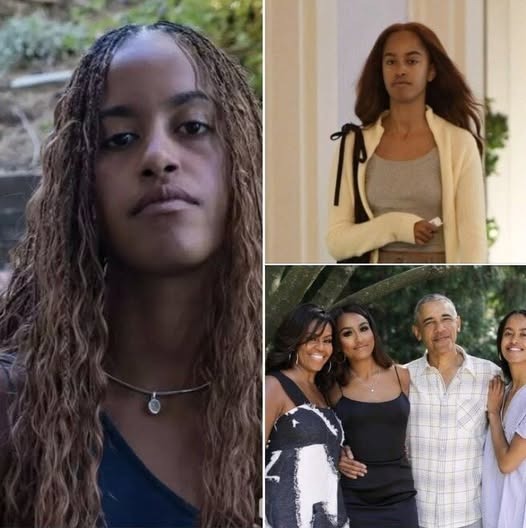
  • Breaking – 20 Minutes ago in Los Angeles , Malia Obama was confirmed as! See more

    Breaking – 20 Minutes ago in Los Angeles , Malia Obama was confirmed as! See more

    Twenty minutes ago in Los Angeles, Malia Obama stepped into the spotlight with an announcement that immediately ignited conversations across the country. The eldest daughter of Barack and Michelle Obama has always carried herself with a certain quiet resolve — deliberate, thoughtful, and determined to build a life not defined by the political weight of her last name. Today’s news made one thing clear: she’s no longer walking softly into adulthood. She’s stepping forward with purpose.

    For years, Malia has balanced her public upbringing with an intentional distance from the frenzy that follows her family. She’s been the daughter who kept her head down, focused on her education, explored her creative ambitions, and built a future on her own terms. While her parents dominated headlines for decades, she stayed grounded, choosing privacy over spectacle and hard work over shortcuts. But now, her confirmation has put her front and center — and for once, she isn’t avoiding the attention.

    What unfolded in Los Angeles was more than a simple announcement; it was the beginning of a new chapter. Malia revealed both a personal decision and a major professional step that signal her transition from the former First Daughter to a woman fully claiming her own identity. She has long been drawn toward storytelling, filmmaking, and the creative world behind the camera. Those who’ve followed her journey know she interned on sets, learned the industry from the inside out, and slowly built credibility not through her parents’ influence but through her own persistence. Today, she confirmed what many suspected — she’s moving deeper into the entertainment world, officially stepping into a role that showcases her passion for writing and visual storytelling.

    But the announcement wasn’t purely professional. Malia also shared a personal milestone, the kind that reminds the public she is no longer the teenager who once waved from the White House balcony, but a young woman with her own priorities, commitments, and relationships. Those close to her say she has become someone who values balance — the intersection of personal fulfillment and professional ambition — and today’s news reflected that. It wasn’t flashy or performative; it was measured, sincere, and very much aligned with who she has always been.

    What surprised people wasn’t the announcement itself, but the reaction. Within minutes, social media platforms lit up with support, curiosity, and — predictably — debate. Malia has always been a magnet for attention, even when she tried to avoid it. Now that she’s stepping into a more public role, the spotlight followed instantly. Some praised her independence and drive, seeing in her a young woman determined to create rather than inherit. Others questioned whether her last name opened doors. But anyone who has watched her trajectory knows she never coasted on privilege; she built experience piece by piece, working behind the scenes instead of in front of flashing cameras.

    Her parents have supported her journey quietly but firmly. Barack Obama has spoken often about raising daughters who know their worth without relying on fame. Michelle Obama has been outspoken about wanting Malia and Sasha to build authentic lives — ones grounded in personal values instead of public expectation. Today’s confirmation seems to show that Malia has listened. She’s charting her own course, disciplined and intentional, stepping into an industry that demands thick skin, creative bravery, and relentless work.

    Those who were present in Los Angeles described her as calm, poised, and direct. No theatrics. No unnecessary drama. Just clarity about what she’s pursuing and why it matters to her. She spoke about storytelling with conviction, about wanting to create work that reflects real experiences and diverse voices. She didn’t position herself as a celebrity; she positioned herself as a creator. And that distinction mattered.

    Her announcement arrives at a time when the public is hungry for narratives of young adults forging their own way beyond family legacy. Malia’s decision resonates because she represents a generation determined to rewrite expectations, to challenge the pressure of being “someone important” by simply being themselves. She has moved through life with the knowledge that millions are watching, yet she’s managed to stay anchored, curious, and grounded.

    In the minutes since her announcement, news outlets have scrambled to cover the story. Not because another celebrity daughter made headlines, but because Malia Obama stepping forward marks the evolution of someone who has been in the public eye since childhood — now stepping into adulthood with confidence, skill, and a clear sense of direction. People are paying attention because they can see she isn’t chasing fame; she’s chasing purpose.

    Los Angeles may be known for bright lights and loud personalities, but Malia arrived with a different kind of energy — one defined by focus and quiet ambition. Her confirmation today didn’t feel like a performance. It felt like the unveiling of work she has already been doing behind the scenes for years.

    The youngest Obama daughter may continue keeping a smaller profile, but today, Malia showed that when she’s ready to speak, she does so with intention. And people listen.

    Whatever comes next — whether it’s film projects, creative collaborations, or new personal chapters — it’s clear she’s firmly in control of her own narrative. She’s not stepping into her parents’ world. She’s building her own.

    And today was the moment she officially stepped onto that path, fully visible and entirely ready.

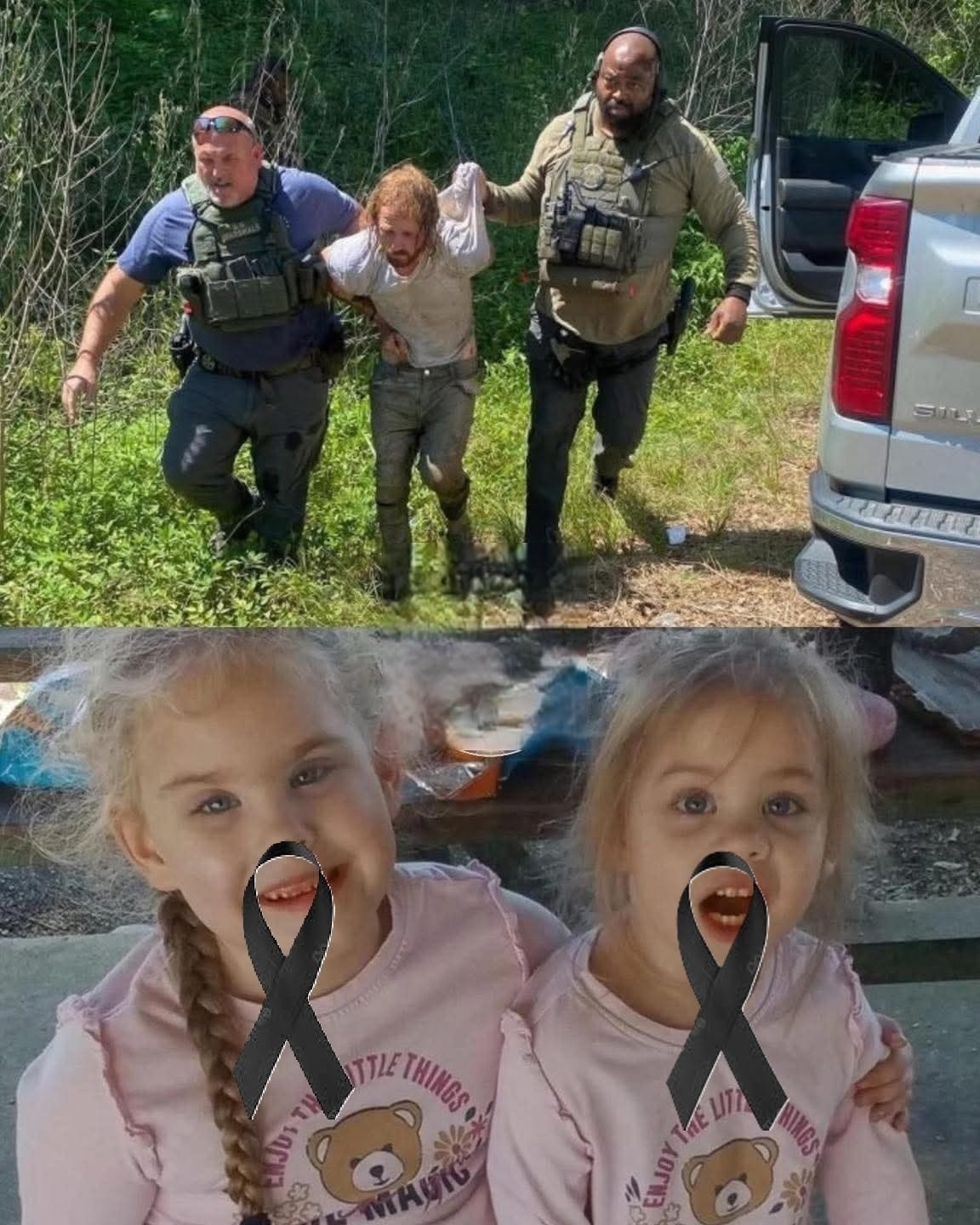
  • Young man puts both daughters inside the fir! See more

    Young man puts both daughters inside the fir! See more

    A quiet neighborhood was thrown into chaos earlier this week after a young father made a sudden, alarming decision that left residents shaken and scrambling to intervene. What began as an ordinary afternoon turned into a moment of pure panic when neighbors spotted smoke rising near a parked family car — with two small girls trapped inside.

    Witnesses say the man had placed both of his daughters, barely old enough to understand what was happening, inside the vehicle before starting a small fire just a few feet away. At first, no one could make sense of what they were seeing. Then instinct kicked in. People dropped what they were doing, shouting for help while sprinting toward the car. Someone ran for a fire extinguisher. Another called 911. Others tried to calm the terrified children through the car windows until responders arrived.

    Fortunately, their quick actions made all the difference. Emergency crews raced to the scene within minutes, pulling the girls out unharmed and stopping the situation before it escalated into something unthinkable. The relief was immediate and overwhelming — a collective exhale from a community that truly believed it was about to witness a tragedy.

    Authorities later confirmed that the girls suffered no physical injuries. Still, the emotional weight of what had happened hung heavily over everyone. Neighbors said the father seemed overwhelmed, exhausted, and visibly unstable in the moments before responders intervened. Some had noticed signs of strain in recent weeks but never imagined something like this could unfold. Investigators are now working to understand exactly what led him to such a desperate act.

    Officials acknowledged that the young father may have been dealing with significant personal or mental-health struggles. Specialists were brought in to assess him, and a full evaluation is underway. The girls were placed in safe care immediately, giving authorities time to determine the next steps and ensure their well-being. Meanwhile, local social-services teams are combing through every detail to understand how best to support the family going forward.

    Residents who witnessed the event are still processing what happened. Many described a mix of fear, disbelief, and heartbreak — fear over what might have occurred if someone noticed too late, and heartbreak for a father who appeared to be drowning in circumstances he couldn’t handle. Some neighbors admitted they wished they had reached out to him sooner, offered help, or simply asked if he was okay.

    Even in the middle of the shock, the community can’t ignore the one undeniable fact: a disaster was prevented because ordinary people acted without hesitation. Their courage, combined with the swift arrival of firefighters and paramedics, kept two young girls safe. Local officials have publicly commended the quick-thinking bystanders, describing their response as the essential difference between a frightening moment and a devastating loss.

    In the aftermath, conversations across the neighborhood have taken on a new tone — one grounded in awareness and responsibility. Families are talking about the pressures parents face, especially young parents who may be struggling alone. Mental-health professionals are reminding residents that crises rarely appear out of nowhere. More often, they are the final boiling point after weeks, months, or even years of internal battles.

    The town has since organized outreach efforts, including mental-health resources and support groups aimed at preventing similar incidents. Officials are urging parents and caregivers not to wait until they feel completely overwhelmed before seeking help. They emphasize that reaching out doesn’t signal weakness — it signals strength, awareness, and the desire to protect the people who matter most.

    For now, the focus remains on the two little girls who escaped unharmed and the father who will undergo evaluation to determine what happens next. The community, though shaken, is hopeful. Many believe this frightening moment can still lead to something positive — a chance for healing, intervention, and rebuilding before irreversible damage occurs.

    As the investigation continues, residents are holding onto the relief that the worst was avoided. They’re also holding onto a deeper understanding: when people pay attention to each other, when they act quickly, when they refuse to turn away from a crisis unfolding in real time — lives can be saved.

    This week could have ended in heartbreak. Instead, through courage, timing, and the right people being in the right place, it ended with two children safely in caring hands and a struggling father finally receiving the help he desperately needed.

  • A Wedding Day That Healed Old Wounds!

    A Wedding Day That Healed Old Wounds!

    Twelve years after my marriage fell apart, I was still carrying the bitterness like a stone in my chest. My ex-husband’s wife — the woman I blamed for destroying everything — was the one face I refused to tolerate. So when my daughter’s wedding day approached, I made one request: she was not to be invited. This was my daughter’s day. I didn’t want old wounds turning it into a battlefield.

    But on the morning of the ceremony, when my ex arrived, she was right beside him. He didn’t even look ashamed. “Wherever I go, my wife goes,” he said with that familiar stubbornness. I snapped back immediately, “I’m the bride’s mother. I don’t want her here.”

    She didn’t argue. She didn’t defend herself. She just offered a small, quiet smile and stepped away, leaving us to our tension. I thought her absence from the room meant victory — that I’d finally drawn a line she wouldn’t cross. But the day had other plans.

    Minutes before the ceremony, a scream cut through the hallway. My daughter’s scream. I ran, my heels slipping on the polished floor. I found her in the bridal suite, surrounded by scattered petals, a ruined bouquet, and a torn hem that had snagged on a chair. She wasn’t hurt, but she stood trembling, tears streaking down her makeup. The pressure of the day had finally cracked through her calm exterior.

    When she saw me, she collapsed into my arms. “Mom, I just want peace today,” she whispered. “Please… please help me.”

    Those words broke something open inside me. I realized how much of my own pain I had let bleed into her life, how the hostility between her father’s wife and me had built an atmosphere thick enough for her to suffocate in. This wedding wasn’t about my past. It wasn’t about what I had lost. It was about her — her joy, her beginning, her moment.

    I steadied her breathing, lifted her chin, wiped her tears, and carefully repaired what I could of her dress. As I worked, someone approached behind me. For a moment, I braced myself, expecting another argument. Instead, my ex-husband’s wife stepped into the room, holding the bouquet — repaired, reshaped, and more beautiful than before.

    “I added flowers from the décor table,” she said softly. “She deserves a beautiful day.”

    It disarmed me in a way I hadn’t expected. For twelve years, I had frozen her in my mind as the villain of my story — the woman who had taken everything from me. But standing there, she wasn’t competing, posturing, or intruding. She was trying. Quietly. Genuinely. For my daughter.

    I felt my resentment loosen its grip, just a little.

    The ceremony began soon after. My daughter, radiant and composed again, walked down the aisle with a grace that took my breath away. I held back tears as I watched her step into the next chapter of her life. My ex-husband watched proudly from the other side. His wife kept her distance, standing far enough back to avoid disrupting anything — present but not imposing, respectful of boundaries I never actually had to verbalize.

    And in the soft music, the white petals, the sunlight pouring through stained glass, something in me finally shifted. I understood that healing sometimes doesn’t come from apologies or explanations. Sometimes it comes from a single quiet moment where you’re reminded that the world has moved on, and you are allowed to move with it.

    That evening, during the reception, laughter filled the room and the earlier tension faded into memory. I approached her — for once not out of anger, but intention. “Thank you,” I said. Not just for the bouquet, not just for stepping back earlier, but for being willing to let the day belong to my daughter.

    She nodded. No gloating, no defensiveness. Just understanding.

    And in that small exchange, the weight I’d carried for more than a decade finally loosened. I realized the anger had been draining me far more than it had punished her. My daughter’s wedding wasn’t only her new beginning — it became mine, too.

    Forgiveness didn’t rewrite the past. It didn’t excuse what had happened. But it freed me from being controlled by it.

    My daughter went home that night with her new husband, glowing and joyful. I went home feeling something I hadn’t felt in years — a sense of peace. A sense that I could finally stop fighting a battle that no longer needed to be fought.

    Her wedding day healed more than one heart. It reminded me that love isn’t always loud, and closure isn’t always dramatic. Sometimes it’s quiet — a repaired bouquet, a respectful distance, a soft nod across a crowded room.

    And sometimes it arrives exactly when you stop expecting it.

  • Pictures That Need A Second Look – Innocent Photos That Look Weird If You Have A Dirty Mindd

    Pictures That Need A Second Look – Innocent Photos That Look Weird If You Have A Dirty Mindd

    Our eyes trick us more than we like to admit. You can walk through an ordinary day and stumble onto something that stops you cold—not because it’s shocking, but because your brain decides to misinterpret it in the most unhelpful way possible. Optical illusions aren’t museum pieces or viral stunts. They’re everywhere. Street corners. Beaches. Family photos. Random snapshots online. And when your mind is in the mood, even the most innocent moments can turn into bizarre mental puzzles that force a second look. Or a third, depending on how corrupted your imagination is.

    People love these accidental illusions because they reveal how fast our brains jump to conclusions. You see a shape, a shadow, a pose, and instantly a story forms. But look again, and suddenly everything shifts. What looked suggestive becomes wholesome. What looked impossible becomes obvious. What looked like chaos falls into place. That split second between misunderstanding and clarity is exactly why these pictures spread like wildfire—they expose the messy, funny, very human way we see the world.

    Think about all the times you’ve glanced at a photo and felt your mind plunge into the gutter before reality yanked it back. It’s not because the picture was dirty. It’s because the mind is fast, emotional, and sometimes a bit too creative for its own good. A dog positioned at the wrong angle suddenly transforms into something entirely different. A person bending over becomes a shape your brain desperately tries to reinterpret. A shadow falls just right and turns a boring moment into something you’d swear belonged in a completely different category of the internet.

    That’s exactly why collections of “look twice” photos keep popping up everywhere. They ride on that instinctive pause—on the shock, the laugh, the tiny moment of confusion when your brain builds the wrong story, then tears it down. And once you’ve seen the real explanation, you can’t unsee it. The magic disappears, replaced by a grin and maybe a little embarrassment.

    But these optical tricks don’t stop at awkward angles or misleading shadows. Sometimes it’s scale. A person in the background perfectly aligned with someone in the foreground makes the two appear fused. A simple shift in perspective can make a child look like a giant, or an adult look like they’ve shrunk into a toy world. Distances collapse. Proportions warp. Your eyes insist you’re seeing something impossible, even though your rational brain knows better.

    Other times, it’s timing. A person’s expression caught mid-blink can turn them unrecognizable. A bird swooping past a camera becomes some kind of alien blur. Water, smoke, and light mutate into strange shapes that look edited but aren’t. The camera doesn’t lie, but it doesn’t explain itself either. It hands you a puzzle and leaves you to confront your assumptions.

    And let’s not pretend the internet isn’t obsessed with these moments. Websites churn them out because people can’t resist clicking. The promise is always the same: “Pictures That Need a Second Look.” It’s bait, sure, but effective bait. We click because we enjoy surprising ourselves. We enjoy catching our own minds misbehaving. And we enjoy being part of the collective gasp when thousands of others fall for the exact same visual trap.

    The story behind these pictures is always simple. Everyday life. Ordinary people. No staging. No special effects. Just the right angle at the right second. A jogger crossing behind someone posing for a photo can create the illusion of animal legs attached to a human torso. Two friends laughing at a beach suddenly appear to be sharing a body thanks to overlapping limbs. A hand placed behind a head turns into a floating limb. Our brains fill in the blanks the wrong way, then laugh when they realize what actually happened.

    Of course, the internet wraps these moments with a carnival of ads and bizarre unrelated links—miracle cures, overhyped supplements, royal family gossip, celebrity drama, medical fear-bait, and every flavor of click-hungry nonsense you can imagine. Articles about optical illusions sit right next to “This simple method eliminates back pain” and “Alien races rumored to have visited Earth.” That’s the digital ecosystem we live in: illusion, confusion, and distraction all piled together like a garage sale run by someone with chaotic energy.

    But regardless of the noise around them, these visual oddities keep pulling people in. They remind us that perception isn’t perfect. That our minds leap before thinking. That we’re wired to find patterns even where none exist. And most of all, they give us a harmless way to laugh at ourselves.

    Everyone has experienced that split-second panic when you think you’ve witnessed something scandalous, only to realize you were fooled by a trick of the light. Everyone has misread a photo and felt their brain backpedal. It’s universal, and that universality is why these compilations never die. They tap into something ancient—the human tendency to guess before understanding.

    So when someone says these images “need a second look,” they’re not overselling it. The first look belongs to instinct. The second look belongs to reason. And the gap between those two is where the fun happens. It’s the moment when your mind catches itself in the act, rewinds, and corrects the narrative.

    Maybe that’s why optical illusions feel refreshing in a world overloaded with staged, polished, curated content. These are accidents. Happy accidents. Real moments captured without intention, yet capable of triggering the same curiosity that artists spend hours trying to engineer. They’re the natural disasters of visual perception—unplanned and unstoppable.

    And if you’ve ever stared at a picture for longer than you’d like to admit, trying to figure out what the hell is happening, you’re not alone. That confusion is the point. The double-take is the entire charm. These images are proof that reality doesn’t always appear as it truly is. Sometimes it shows up dressed as something completely different just to mess with you.

    In the end, these mind-bending snapshots offer a simple lesson: slow down. Look twice. Your eyes are fast, but not always trustworthy. And your brain is brilliant, but occasionally ridiculous. The world is full of weird little surprises, and sometimes all it takes to uncover them is the willingness to look again.

  • I Became Guardian of My Twin Sisters After Mom Died, My Fiancee Pretended to Love Them Until I Heard What She Really Said!

    I Became Guardian of My Twin Sisters After Mom Died, My Fiancee Pretended to Love Them Until I Heard What She Really Said!

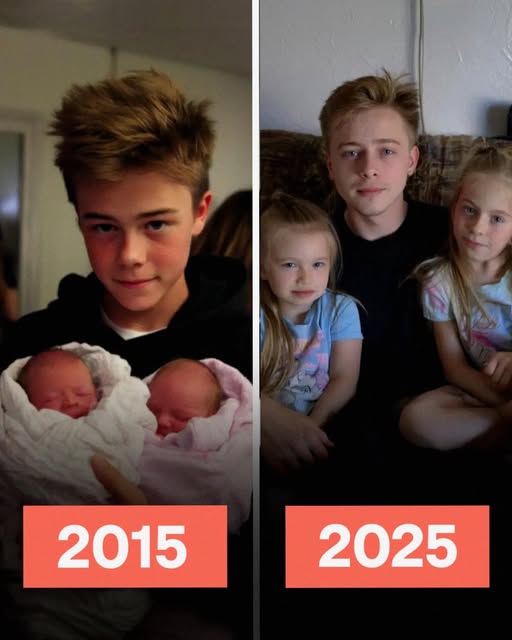
    Six months ago, the biggest things on my mind were parking tickets, overdue project blueprints, and whether our wedding playlist leaned too hard on 80s nostalgia. I was twenty-five, working as a structural engineer, engaged to a woman who already had a Pinterest board full of baby names and a Maui honeymoon half-paid for. My mom, Naomi, texted me vitamin advice like it was a part-time job and reminded me to eat anything that wasn’t caffeine.

    It was stress, sure. But it was the normal, predictable kind. Then a driver blew through a red light on a Tuesday afternoon while my mom was on her way to buy birthday candles for the twins. And just like that, the world ended in the middle of an errand.

    One moment I was a son and someone’s future husband. The next, I was guardian of two ten-year-old girls who suddenly looked at me like I was the last familiar thing left on Earth. All the wedding planning—seating charts, venue emails, save-the-dates—got shoved into a drawer I didn’t open again.

    Our dad wasn’t coming. He’d walked out the day Mom told him she was pregnant with the twins. I was fourteen and watched him carry one suitcase to the door, saying, “I can’t do this again.” We didn’t get so much as a birthday card after that. And we sure didn’t expect him to show up now.

    Lily and Maya stood in the hospital hallway with backpacks still on their shoulders, eyes too wide for their faces. When Maya asked me, “Can you sign our permission slips now?” in a whisper, it hit me harder than the doctor’s words.

    I moved back into Mom’s house that night. My apartment, my framed engineering licenses, my carefully picked-out furniture—all of it suddenly belonged to another version of me. The adult life I’d been building stopped mid-sentence. Now it was early mornings, school drop offs, grief counseling pamphlets, and a calendar full of responsibilities I wasn’t prepared for. But the girls needed someone, so I did what I could.

    Jenna, my fiancée, stepped in fast. Too fast, in hindsight. She moved in two weeks after the funeral, “just until things settle.” She handled lunch boxes, memorized the girls’ routines, learned their opposite food preferences, braided their hair before school, even researched bedtime tricks on Pinterest. She looked like a natural. A blessing. When Maya wrote “JENNA (emergency)” in glitter pen on her notebook cover, Jenna cried and said she’d always wanted little sisters.

    I thought I’d won the lottery. Mom would have adored her, I told myself. That was before I learned who she really was when no one was watching.

    Last Tuesday, I came home early from a site inspection. The sky had that dull grey heaviness that makes old grief stir in your chest. Lily’s gardening gloves drying on the porch railing, Maya’s bike abandoned in the yard—everything looked normal. Quiet. Safe.

    I walked inside, smelling cinnamon and craft glue. The kind of domestic scene I’d once wished for. Then I heard Jenna’s voice in the kitchen—sharp, low, nothing like her usual cheerful tone.

    “Girls, you won’t be staying here long, so don’t get too comfortable,” she said. “James is trying, but come on. I’m not wasting the last years of my twenties raising someone else’s kids.”

    I froze.

    “You’ll be better off in a foster home anyway,” she went on. “They’ll actually know how to deal with your whining. When the social worker comes, you’re going to say you want to leave. Understand?”

    Silence. Then Maya’s tiny, heart-cracking sniff.

    “Don’t cry, Maya,” Jenna snapped. “If you cry again, I’ll throw away those stupid little notebooks you’re always scribbling in.”

    “We don’t want to leave,” Maya whispered. “We want to stay with James. He’s the best brother in the world.”

    “You don’t get to want anything,” Jenna said. “Go do your homework. You’ll still be invited to the wedding, but don’t expect to be bridesmaids.”

    The girls’ footsteps bolted up the stairs. I stayed hidden, pulse hammering, breathing like I’d been punched. I needed to know more before confronting her. And I didn’t have to wait long.

    Jenna’s voice brightened as she picked up the phone.

    “Karen, I swear, this is exhausting. I have to act like perfect mom all day,” she laughed. “Once the adoption goes through, they’re legally his problem, not mine. I just need them out of the house. The insurance money and the house should be for us. He’ll put my name on the deed eventually. I’ll make the girls miserable until he thinks giving them up was his idea.”

    She said it like she was discussing furniture arrangements.

    I slipped back outside before she noticed. In my car, I stared at my own reflection, furious and sick. Every sweet gesture, every braid, every bedtime routine—that had all been strategy to secure a life she wanted without the inconvenience of children.

    That night, I acted normal. Ordered the girls’ favorite pizza. Tucked them in with extra stories and longer hugs. When the house finally went quiet, I sat next to Jenna on the couch.

    “Maybe you were right,” I murmured. “Maybe I can’t do this. Maybe the girls do need another family. Someone more experienced.”

    Her eyes lit up like a match.

    “Oh, sweetheart,” she said, touching my hand, “that’s the mature choice.”

    “And I’ve been thinking… let’s stop dragging our feet. Let’s get married. Big celebration. Everyone there. A fresh start.”

    She nearly vibrated with excitement. Good.

    The next morning, she was on the phone booking venues, florists, photographers—posting a close-up of her ring with the caption: “Our forever starts now.”

    While she planned the wedding of her dreams, I called a locksmith, a lawyer, and my mom’s old friend—the one who helped her install nanny cams when the twins were toddlers. Funny how you forget things like that until you need them.

    The wedding day was exactly Jenna’s style: dramatic and Instagram-ready. She glided through the crowd in lace, kissing cheeks, adjusting the twins’ dresses with fake fondness. The girls stuck close to me, knowing the plan.

    When she lifted her glass to give a toast, I stepped forward with a microphone.

    “Actually, Jen,” I said quietly, “let me say something first.”

    The ballroom screen flicked on behind us. Black-and-white nanny cam footage filled the room. Her voice—crisp, unmistakable—echoed off the walls.

    “I’m not wasting my twenties raising someone else’s leftovers.”

    Gasps. A shattered glass. People turning in their seats.

    I let the clip play. Every word. Every threat. Every lie.

    Jenna tried to interrupt, but I kept my voice calm.

    “You weren’t planning a marriage,” I said. “You were planning a payout.”

    Security escorted her out while she screamed. Her parents walked away in silence. By the next morning, the video had already hit every group chat in town.

    A week later, the adoption finalized. Lily and Maya Jones—officially.

    When the judge signed the paperwork, Maya cried into my shirt, and Lily whispered, “We’re safe now.”

    That night, we cooked spaghetti, played music too loud, and lit a candle for Mom. The girls curled against me on the couch afterward, warm and alive and here.

    “We knew you’d choose us,” Lily murmured.

    And I did. Without hesitation. Without regret.

    We’re not the family I expected. But we’re real. And we’re ours.

  • My Mothers Smile!

    My Mothers Smile!

    I used to hate my mother for being the janitor at my school. Kids would laugh and call me “the maid’s son,” and every time I saw her pushing that heavy cleaning cart down the hallway, humiliation hit me like a punch. I avoided her like my life depended on it—turning away when she waved, changing direction the second I spotted her mop bucket, pretending I didn’t know her when my classmates snickered. Shame settled into my bones so deeply that school stopped being a place to learn and became a daily battlefield.

    When I got accepted into medical school, the pride I felt wasn’t just about the accomplishment—it was about escape. Escape from poverty, from embarrassment, from the memory of her worn shoes squeaking across my school floors. Studying became an obsession. Every exam, every sleepless night, every shift I picked up felt like another brick between me and the life she lived. I was determined to prove I would never end up scrubbing floors for people who didn’t know my name.

    The day I became a licensed doctor felt like the peak of everything I’d fought for. I stood there in my white coat, surrounded by my colleagues, and felt invincible. My mother came to the small ceremony wearing her best dress, a little faded, a little old-fashioned, but ironed to perfection. She radiated pride. And like the ungrateful son I was, I ruined it.

    “I’m glad I didn’t grow up to be a failure like you,” I told her that night.

    I can still hear my own voice—sharp, ugly. She didn’t get angry. She didn’t defend herself. She just smiled with that gentle, steady expression she always had and said, “I’m proud of the man you’ve become, Julian.” That smile made me even angrier. I mistook grace for weakness.

    Two months after she died, I found a box with my name on it in the back of her closet. Inside were items wrapped carefully in tissue paper. My first-grade drawing of a doctor, the stick figure with a giant stethoscope. A small velvet pouch containing two hundred-dollar bills. And a silver locket I’d never seen before. My throat tightened. She had saved money for me even after I became successful.

    Beneath the objects was a thick journal tied with rough twine. Her diary. She had started writing it the year I was born. The cover was worn, the pages soft from years of turning. I hesitated—reading it felt like trespassing—but curiosity and guilt overpowered everything else.

    The first entry described her joy when I was born, how tiny my hands were, how she cried when she held me for the first time. She wrote about wanting just one thing: for me to know I was loved. Her words shredded the cold distance I had built between us.

    I flipped ahead to the years she worked at my school. The diary detailed the long nights, the aching back, the endless double shifts. She cleaned the school until nearly midnight, then took a bus to another job at an office building for a few more hours. She slept maybe three hours a night. Not once did she complain about the labor. Her only regret was the time she missed with me.

    She wrote, “Every dollar is a step up for Julian. He will have choices I never had.” I had built my resentment on nothing but my own ignorance.

    Then I reached the entries about the teasing. She described watching me across the cafeteria, seeing my shoulders tense when kids made fun of her job. It broke her heart. She wrote about using a pseudonym for months so no one would connect her to me. Even that wasn’t enough. But she kept working because the school offered slightly better pay and she needed the money for my future.

    One entry from high school hit me so hard I had to put the journal down. I needed an expensive medical textbook for an AP science class. Over three hundred dollars. Money she didn’t have.

    The entry read: “Julian needs this book. It will open the next door for him. I’ve sold the only thing of value I have left. I won’t tell him. He needs to believe he earns everything on his own.”

    I opened the velvet pouch again and looked at the silver locket. Inside was a tiny black-and-white photo of a young woman—I realized it was my grandmother. I turned it over. The inscription read: “M.J. to E.C. – Forever.” It was the only heirloom she ever had. She sold it for me. The leftover money was the two hundred dollars in the pouch.

    I kept reading.

    She wrote about Mr. Harrison, the head custodian, who noticed how exhausted she was. He arranged for her to get extra office-cleaning jobs so she could be home when I woke up for school, even if it meant she went 24 hours without sleep. She hid all of this from me so I wouldn’t worry.

    Then I discovered something else. I had always assumed I paid my medical school application fees with small scholarships and loans. I was wrong. She had taken on secret weekend cleaning jobs at a prestigious law firm. The diary described crawling on her hands and knees to scrub marble floors, carefully preserving her hands from chemical burns so she wouldn’t scare me with the damage.

    The final entry, written a week before she died, was short:

    “Julian saved a life today. I saw it on the news. My life was not a failure. My purpose is complete. I was never a failure—just a foundation.”

    I don’t remember how long I cried.

    The next morning, I drove to the school district office. An elderly administrator remembered my mother immediately. When I asked about her health insurance—the reason she’d supposedly needed the job—the woman frowned and checked the files.

    “She never needed our insurance,” she said. “Her primary policy was through the law firm. She told us she wanted to work here because it let her be close to the school where her son’s future was unfolding.”

    The truth hit me so hard I had to sit down. She had chosen the job I despised, not out of desperation, but out of devotion. She wanted to be near me. She wanted to contribute to my future in every way she could. Every mop stroke, every late-night shift, every quiet smile—she had built the life I now lived.

    I drove home holding the box like it was the most fragile thing in the world. I had become a doctor, a man respected by strangers, but I had failed to see the greatness in the woman who raised me.

    Now I mentor students from low-income families. I never mention my story, but I always tell them this: greatness doesn’t come from standing alone—it comes from the people who lift you before you can stand at all.

    I made an anonymous donation to the medical school in her name to support students whose parents work in service jobs. It’s the smallest repayment for the life built from her sacrifice.

    I think of her every day now. Not with shame. Not with resentment. But with a gratitude so deep it aches. And whenever I remember her smile—the quiet, knowing one—I finally understand it.

    She wasn’t accepting my cruelty. She was celebrating the success she had spent her entire life building.

    Her success. Through me.

  • My Wife Gave Birth to a Black Baby, I Stayed By Her Side Forever!

    My Wife Gave Birth to a Black Baby, I Stayed By Her Side Forever!

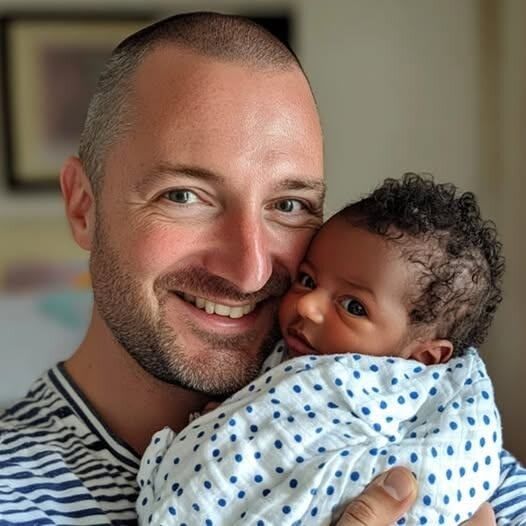
    The delivery room felt like the center of the universe that day. Machines beeped steadily, nurses moved with calm precision, and Emma crushed my hand with every contraction as her face shifted between agony and anticipation. After nine long months, the moment was finally here. The nursery was ready, the baby clothes washed and folded, the names narrowed down. We’d spent countless nights imagining our daughter—Emma’s soft curls, my cheekbones, maybe the dimple that ran through my family.

    Then came that unmistakable cry, sharp and raw. Our daughter entered the world.

    The doctor lifted her gently into the air, tiny fists clenched, legs kicking. She was beautiful, perfect, alive. I felt a surge in my chest so strong it nearly buckled my knees.

    And then Emma screamed.

    “This isn’t my baby!”

    The room froze. Nurses stopped mid-step. The doctor’s hands hovered awkwardly in the space between mother and child. I turned to Emma, thinking she was overwhelmed, maybe frightened or disoriented. But the look in her eyes was more than shock—it was disbelief laced with terror.

    One nurse offered a soft smile. “She’s still attached to you, sweetheart. There’s no mix-up.”

    Emma shook her head, trembling. “No. No, this can’t be right. I’ve never been with a Black man. This isn’t my baby.”

    Her words dropped into the silence like a stone. My heart pounded as I looked again at our daughter. Yes, her skin was darker than ours. But everything else—her nose, her chin—was unmistakably ours. My wife’s panic wasn’t rooted in doubt. It was rooted in confusion.

    I squeezed her hand, steadying her. “Emma,” I whispered, “she’s ours. That’s all that matters.”

    She looked at me, eyes wide, then cautiously turned toward our daughter. When the nurse placed the baby in her arms, she hesitated as though touching something fragile and unknown. But the moment those tiny fingers curled around her pinky, her expression changed. The tension drained from her shoulders. The fear softened into something warmer, deeper.

    “She’s beautiful,” Emma whispered.

    The room seemed to exhale. The medical staff resumed their quiet routines. The doctor gave me a small nod. Whatever had just happened, we’d walk through it together.

    Over the next few days, while Emma healed, I spent hours holding our daughter, memorizing every detail. I felt no doubt. But Emma’s first reaction lingered—not as suspicion, not as judgment, but as a question she couldn’t shake. Even when she cradled the baby lovingly, I saw a flicker of uncertainty in her eyes.

    Then one night, Emma spoke the words she’d been holding in.

    “I want a DNA test,” she said quietly. “Not because I doubt you. Not because I doubt myself. I just… I need to understand.”

    So we did it. Swabs, signatures, the whole process. Then two weeks of waiting.

    When the results arrived by email, Emma opened the message with trembling hands. I stood behind her, my stomach twisting. Her eyes widened. She gasped, covering her mouth.

    Her ancestry chart glowed on the screen.

    She wasn’t just of European descent, as she’d always believed. There it was, bold and undeniable—African ancestry, several generations back. Something her family either never knew or never talked about.

    Emma broke down in tears. “I had no idea,” she whispered. “All this time, I didn’t know who I really was.”

    I wrapped my arms around her, pulling her close. “Nothing changes,” I murmured. “She’s ours. She always was.”

    Emma let out a shaky laugh. “I guess I panicked for nothing.”

    “Childbirth does that,” I teased.

    She swatted my arm, rolling her eyes, but her smile returned. From that moment forward, her doubts evaporated. The missing piece was finally in place.

    Of course, the world always has opinions. Relatives raised eyebrows. Strangers stared a little too long. Grocery store cashiers asked, “Is she adopted?” At first, Emma stiffened every time. But eventually, she found her footing.

    “She’s ours,” she would say. Every time. Calm. Confident. Proud.

    As our daughter grew, we made a choice—not just to acknowledge Emma’s heritage, but to honor it. We read books together, explored history we never knew belonged to our family, and made sure our daughter saw herself reflected in the world around her.

    One evening, when she was five, she climbed into Emma’s lap and studied their hands together.

    “Mommy,” she asked, “why is my skin a different color than yours?”

    Emma smiled gently, brushing a curl off her forehead. “Because you’re special. You carry a beautiful history from both of us.”

    “Like a mix?” our daughter asked.

    “Exactly,” I said, sitting beside them. “Like a painting made from the best colors.”

    She smiled, satisfied, then ran off to play.

    That night, with our daughter asleep and the house quiet, Emma reached for my hand.

    “Do you remember what you told me in the hospital?” she whispered.

    “That she was ours?” I nodded.

    Emma leaned her head against my shoulder. “Thank you. I needed that more than I realized.”

    I looked over at our daughter, dreaming peacefully in her room, and felt the same fierce certainty I’d felt the moment she was born. It didn’t matter what her skin looked like. It didn’t matter where Emma’s ancestors came from. What mattered was the family we were building—rooted in love, in truth, in choosing each other over and over.

    And I knew then that I would stand by them through every question, every challenge, every unexpected twist life threw our way.

    Because family isn’t defined by appearances.

    It’s defined by the people who stay.

  • The $2,000 Trump payment is out! Check the list to see if your name is on it

    The $2,000 Trump payment is out! Check the list to see if your name is on it

    The message hit Mason’s phone just after dawn: “The $2,000 Trump payment is out. Check the list to see if your name is on the list.” No sender ID, no metadata he recognized, just a blunt line that read like a cross between a political blast and a low-grade phishing attempt.

    He stared at it while the coffee maker rattled behind him. He wasn’t the type to chase stimulus rumors or scroll for payout updates, but the language was calibrated—“payment,” “list,” “eligibility,” all terms that trigger the financial survival instinct in people whether they realize it or not. He tried to dismiss it as noise, another scam exploiting economic anxiety. But the phrasing stuck with him, especially the idea of his name being tied to anything involving disbursements, benefits, or government-issued funds.

    He forced himself to ignore it through the morning, but by lunch, the uncertainty got under his skin. Mason hated unresolved variables. And when money entered the equation—even hypothetical money—it added pressure.

    He did what any rational person does when something feels off: he went digging. Not through the link—he wasn’t that naive—but through message boards, financial watchdog threads, political forums, anywhere chatter about unexpected payments might surface. What he found wasn’t clarity. It was a mess. People all over the country reporting the same text. Some swore it was connected to a “new relief program.” Others claimed it was a data-harvesting trap targeting people flagged as economically vulnerable. A few insisted there was a real eligibility roster being circulated, a list of recipients determined by some algorithm that sorted citizens by income tiers, tax history, or credit status.

    He didn’t like the sound of any of it.

    By the time he got home, he was ready to move on. But waiting in his screen door was a white envelope—unmarked, unstamped, delivered by hand. His name written in rigid block letters. Inside: a single typed message.

    “Your eligibility status has been updated. Confirm your placement.”

    That phrase—eligibility status—landed harder than the text message. Bureaucracies didn’t talk like that unless something was being processed. Institutions didn’t use language that specific unless there was a system behind it. And systems meant records.

    Someone had gone from digital contact to physical delivery. Someone had walked up to his house in the dead of night and left a message about his “status.”

    That crossed a line.

    He checked his porch cam. At 3:42 a.m., a hooded figure approached, dropped the envelope, and walked away with the deliberate pace of someone following instructions. No car. No identifiable features. Just a courier executing a task.

    His gut locked up.

    Later, while scanning deeper into the forums, he noticed a recurring name in the discussions: LedgerWatch. Unlike the others, their comments were precise, almost clinical. They didn’t theorize—they corrected people. They didn’t speculate—they hinted like they’d already seen the backend.

    He messaged them.

    The reply came within minutes:
    “You received the envelope. You want to know if the list is real.”

    Mason froze. He hadn’t mentioned the envelope.

    He typed back: “What is this?”

    The answer was immediate.
    “A pre-screening protocol. The money is irrelevant. The list tracks behavioral responses to financial stimulus prompts.”

    He reread it twice. Behavioral responses. Financial stimulus. Pre-screening. This wasn’t about a payout. It was about profiling.

    LedgerWatch sent an address. One line of instruction:
    “Ask for the registrar.”

    Mason didn’t trust it, but curiosity outweighed caution. If someone had tagged him in some shadow financial-testing program, he needed to know.

    The address led to a neglected municipal building—no signage, no staff, just a single lit hallway. At the end sat a fold-out table and an older woman with the posture of someone who handled records for a living.

    Before he spoke, she pushed a paper toward him. A list of names—hundreds of them—some highlighted, some crossed out, some recently added.

    She tapped the page. “These are the people who responded to the stimulus prompts.”

    “This is a scam?” he asked.

    “Nothing so cheap,” she said. “It’s an assessment model. We monitor who reacts to the idea of unexpected funds. Who investigates. Who ignores. Who tries to claim money they aren’t entitled to. It’s a stress test on financial behavior patterns. Institutions pay a lot for this kind of data.”

    “Institutions,” Mason repeated, feeling the word sink in. Banks. Credit bureaus. Policy groups. Campaigns. Whoever wanted predictive analytics on economic behavior.

    “You weren’t on the list,” she continued, “until you engaged. That puts you in the ‘responsive’ category. High curiosity, moderate skepticism, low impulse risk. A valuable data point.”

    He felt a cold flush break across his arms. “So this is surveillance.”

    “It’s analysis,” she corrected. “And you opted in the moment you searched for answers.”

    She wrote his name into an empty slot.

    Mason didn’t wait for more. He walked out, stomach hardening, pulse cold. He finally understood the setup: the payment was bait, the list was the trap, and the real currency wasn’t $2,000—it was human behavior during financial uncertainty.

    He never cared about the money. But now someone cared about him.

    And they had logged his reaction like a transaction.

  • Will $2,000 Trump has promised to almost everyone in America arrive before Christmas? The president has set a date

    Will $2,000 Trump has promised to almost everyone in America arrive before Christmas? The president has set a date

    Trump’s promise hit the country like a jolt: a $2,000 “tariff dividend” check for nearly every American. For weeks, headlines churned, social media ran wild, and supporters clung to the idea that relief money might arrive just in time for Christmas. But beneath the hype, the truth was simpler and far less festive—the payments aren’t coming this holiday season. The proposal is a campaign pitch aimed at 2026, not an authorized payout, and nowhere near ready for real distribution.

    The promise sounded bold: take tariff revenue supposedly flowing into the federal government, convert it into direct payments for middle- and lower-income households, and use whatever remains to shrink the massive $37 trillion national debt. It was a politically clean message—tax foreign imports, reward American families, strengthen the country’s fiscal position. But the math behind it strained under even basic scrutiny. Current tariff collections are a fraction of what would be required to send $2,000 checks to tens of millions of people. To make the numbers work, the plan relies on aggressive projections about future tariffs, future trade behavior, and future revenue streams that simply don’t exist yet.

    Even so, the idea caught fire because the economic anxiety across the country is real. Families are wrestling with rising prices, escalating rents, and stagnant wages. A sudden $2,000 windfall would matter. It would cover groceries for months, knock down a credit-card balance, pay off an overdue bill, or help someone breathe a little easier during the holidays. That longing made the promise sound less like a campaign trial balloon and more like a lifeline.

    But Washington doesn’t run on hopeful phrasing. There is no law. No congressional approval. No IRS distribution plan. Nothing built, funded, or formally drafted. For now, the “tariff dividend” is an idea sitting in political limbo—useful for rally speeches, meaningless for bank accounts.

    If the plan ever moves forward, eligibility will likely resemble previous stimulus programs. High earners would be excluded. Middle-income households would land in the core target zone. Lower-income households would receive the full amount. Adjustments based on family size, marital status, and location would almost certainly come into play. People in expensive coastal cities could see different thresholds from those in the Midwest or South. But again—none of this is codified. It’s speculation drawn from past policy patterns because no official framework exists.

    Despite the uncertainty, the promise has already stirred its own ecosystem of rumors, clickbait, and misleading posts. Articles claim the checks are days away. Social media threads insist the Treasury is preparing distribution lists. Some websites push “eligibility checkers” that do nothing but harvest data. The gap between political messaging and economic reality has created fertile ground for misinformation, especially among people desperate for financial relief.

    Critics have jumped on the plan’s weaknesses. Budget analysts argue that tariff revenue is not predictable enough to support a universal payout program. Economists warn that tariffs ultimately raise costs for consumers, which means American families would pay more at the store while being handed a check meant to compensate for the very price increases the policy triggers. Others point out that trying to pay down the national debt while simultaneously sending out billions—or hundreds of billions—in direct checks is a contradiction dressed as fiscal discipline. You cannot distribute that much money and reduce debt at the same time without massive new revenue sources.

    Supporters counter that the plan is less about perfect accounting and more about political positioning. Tariffs are popular with a large share of voters. Direct payments are even more popular. Linking the two creates a clean narrative: America punishes foreign competitors and rewards its own citizens. Whether the numbers add up is secondary to the emotional appeal.

    Still, none of that gets families any closer to a Christmas payout. No bank deposits. No mailed checks. No IRS announcements. The government cannot release money Congress hasn’t authorized. Agencies cannot implement programs that haven’t been written into law. And no amount of campaign energy turns a proposal into a payment.

    Meanwhile, the online environment around the topic has devolved into a mix of real reporting, political hype, and algorithm-fueled sensationalism. Articles promising instant updates flood feeds. Outrage headlines sell the idea that relief is being “blocked.” Sponsored posts and low-quality ads wrap themselves around the story, all designed to keep people scrolling, hoping, and clicking. The economic uncertainty amplifies everything. When people are stretched thin, even a false rumor about financial relief becomes something they want to believe.

    The story has now taken on a life of its own. The original promise has blurred into hundreds of interpretations and wishful projections. Some think the checks are already approved. Others believe the IRS is quietly preparing distribution systems. Some assume the payments were delayed but still guaranteed. None of it reflects reality. Until lawmakers draft legislation, debate it, vote on it, and send it to the president’s desk, nothing moves.

    The administration’s timeline hints at the real strategy. The plan is aimed at 2026—an election year. A midterm year. A moment when voters will be weighing economic conditions, political trust, and household finances. A $2,000 payment scheduled close to that moment is as much a political tool as it is a policy proposal. Timing matters, and this timing is deliberate.

    For now, households looking for relief will have to rely on existing programs—tax credits, state assistance, or local aid—none of which offer the instant clarity or emotional punch of a single, dramatic $2,000 check. The holiday season will pass without any tariff-funded “dividend” arriving in mailboxes.

    What remains is a mixture of hope, frustration, and political theater. A promise loud enough to dominate headlines but not grounded enough to materialize. Supporters call it visionary. Critics call it unrealistic. Economists call it structurally impossible without sweeping changes to trade policy and federal budgeting.

    And everyday Americans, watching prices rise and paychecks shrink, are left stuck between anticipation and disappointment. The idea of a $2,000 infusion feels tangible. The reality is that it’s still nothing more than a campaign-season headline—an expensive promise that hasn’t taken its first legal breath.

    Until Congress acts, the “tariff dividend” isn’t a check. It’s a pitch. A tactic. A talking point. And Christmas won’t bring anything more than that.