Category: News

  • SAD! B-2 Spirit was shot down to!

    SAD! B-2 Spirit was shot down to!

    The B-2 Spirit exists in a category of its own—an aircraft wrapped in secrecy, engineering brilliance, and a reputation for near-invisibility. Over the years, countless rumors, conspiracy theories, and whispered stories have circulated about one being shot down, often fueled by misunderstandings or misreported events. But across three decades of service, no credible evidence has ever confirmed a B-2 being destroyed by enemy fire. What has happened are a handful of rare crashes—tragic, costly, and thoroughly investigated, but never the result of hostile action.

    Understanding the B-2’s true operational history means looking closely at the few incidents we know about and the technology that has kept the aircraft nearly untouchable in hostile skies.

    The most significant event involving the aircraft happened on February 23, 2008, at Andersen Air Force Base in Guam. It was early morning when the massive flying wing began its takeoff roll, a routine departure that spiraled into disaster within seconds. Unknown to the flight crew, moisture had seeped into the aircraft’s air data sensors—critical components responsible for feeding the flight computer precise information about speed, angle of attack, and other essential parameters.

    When those sensors delivered corrupted data, the onboard computers reacted as if the aircraft was flying differently than it actually was. The B-2 rotated far too early, lifting off before reaching the necessary speed. As the engines strained and the aircraft clawed at the air, it stalled—a deadly situation for any plane, but catastrophic for one as huge and aerodynamically unconventional as the Spirit. Within moments, gravity won. The aircraft plunged back onto the runway and burst apart. Flames engulfed the wreckage.

    Miraculously, both pilots ejected in time and survived. But the aircraft was gone—one of the most advanced machines ever built, lost to a mistake born of faulty data and a vulnerability no one had fully anticipated. The investigation later determined that neither pilot had committed an error. Instead, the tragedy was rooted in a software logic failure and the way the aircraft responded to incorrect sensor inputs. This marked the first time a B-2 had ever been destroyed, and its price tag—an estimated $1.4 billion—made the loss one of the most expensive aviation accidents in history.

    Another serious incident unfolded years later, on September 14, 2021, at Whiteman Air Force Base in Missouri. That day, a B-2 suffered a crash landing that still remains only partially explained. Details released publicly were minimal, but what is known is that mechanical or technical issues occurred during landing, leading the aircraft to veer off the runway and sustain substantial structural damage. Once again, rumors quickly circulated—claims of enemy interference, cyberattacks, or a secret shootdown—none of which withstood scrutiny. The Air Force confirmed that no hostile action or external threat was involved.

    The truth was simpler: even the world’s most advanced aircraft can suffer failures, and even with immense redundancy, things can go wrong.

    These incidents illustrate something important. The B-2 Spirit, despite being designed for penetrating the most dangerous airspace on Earth, is still a machine—complex, sensitive, and unforgiving when systems fail. But when it comes to being shot down, the facts remain unchanged: no adversary has ever successfully brought one down. And there are compelling reasons why that is.

    The B-2’s design begins with its iconic flying wing shape—a silhouette engineered explicitly to scatter radar waves instead of reflecting them. Conventional aircraft create large radar signatures due to vertical stabilizers, protruding engines, or uneven surfaces. The B-2 has none of that. Its smooth, flowing surfaces reduce detection dramatically. Combined with radar-absorbing materials baked into the skin of the aircraft, its radar cross-section becomes comparable to that of a small bird, even though the aircraft spans 172 feet from wingtip to wingtip.

    Its infrared signature is equally suppressed. By embedding the engines deep within the wing structure and channeling heat through carefully shaped exhaust systems, the aircraft hides the thermal cues missiles usually lock onto. The B-2 doesn’t just avoid radar—it avoids heat-seeking systems as well.

    Electronic warfare capabilities strengthen that invisibility even further. The aircraft carries advanced systems capable of jamming, confusing, or spoofing enemy radar and missile guidance. Even if a sophisticated air defense system manages to detect a faint trace of the bomber, keeping lock on it becomes a near-impossible challenge. The aircraft is constantly shifting its electronic footprint, altering its appearance to enemy sensors.

    Altitude also plays a role. The B-2 flies high—far above the range of many surface-to-air missiles and outside the envelope of most interceptors. And unlike other large bombers, the Spirit does not rely on brute force or speed. Its greatest strength is the ability to slip through airspace without anyone ever realizing it was there.

    But the real magic lies in the mission planning. Before a B-2 even leaves the ground, analysts map out the flight path with extraordinary precision. Satellites, intelligence databases, and predictive modeling pinpoint every radar system, every potential threat, and every angle from which the aircraft might be exposed. The result is a tailor-made route that avoids danger zones entirely. The aircraft isn’t just stealthy—it’s strategic.

    This combination of stealth shaping, materials engineering, thermal masking, electronic deception, altitude, and planning makes the idea of shooting down a B-2 more fantasy than feasibility. Even modern, highly advanced air defense systems struggle to track it. Older systems don’t stand a chance.

    That is why, in decades of missions—from training flights to combat operations—the B-2 has flown deep into hostile territory without being touched. It isn’t invulnerable. No aircraft is. But it is engineered to be as close to uncatchable as anything built by human hands.

    Crashes have happened, and each one led to deeper understanding and refinement. But being shot down? Despite the rumors, despite the conspiracies, despite the dramatic speculation—it has never happened. And given the aircraft’s capabilities, the chances of such an event remain extraordinarily slim.

    The B-2 endures not as a myth, but as a testament to what meticulous engineering, strategic foresight, and relentless innovation can create: a machine that redefines what it means to be unseen, and a legacy that continues to influence modern stealth aircraft to this day.


  • TEACHER EXPELLED FOR PROVOKING HER STUDENTS AND FORCING THEM! SEE MORE

    TEACHER EXPELLED FOR PROVOKING HER STUDENTS AND FORCING THEM! SEE MORE

    Social media has a habit of turning ordinary moments into unexpected headlines, and this case was no different. A chemistry teacher, simply doing her job at the blackboard, suddenly found herself thrust into the center of online attention—not for her teaching methods, not for academic innovation, but for something she never sought: her appearance. What began as a casual recording taken by one of her students during class quickly exploded across the internet, reshaping her life in a way she couldn’t have predicted.

    The original clip was simple. She stood at the front of the classroom, marker in hand, explaining a chemical reaction with the calm confidence of someone who knew her material inside and out. But instead of focusing on the lesson, some of her students focused on her. One pulled out a phone, recorded a few seconds, and shared it in a private group chat. Within hours, the video had escaped its intended circle. By the end of the day, it had migrated across multiple platforms.

    Within a week, it had surpassed 100 million views on TikTok alone.

    People weren’t sharing it because of the chemistry lesson. They shared it because the teacher’s beauty became a trending topic, generating thousands of comments from viewers who had no idea who she was but were eager to discuss her looks. What should have been an ordinary school day turned into a viral phenomenon powered entirely by the internet’s fixation on appearance.

    As the video spread, other clips surfaced. Students recorded more moments—her entering the classroom, wiping the board, answering a question, tying her hair back. Each one was consumed and circulated, detached from any educational context. Overnight, she became an online symbol of “the beautiful teacher,” a label that overshadowed the years she’d dedicated to her profession.

    It didn’t stop there. Another story gained traction when a different teacher shared messages she’d received from parents. Many of the messages, meant to discuss class updates or student progress, contained unsolicited comments about her appearance—remarks that were awkward at best and wildly inappropriate at worst. She posted screenshots to highlight how common and uncomfortable it had become for teachers to be treated as online attractions rather than educators.

    These incidents illustrated a growing pattern: classrooms were becoming stages, teachers were becoming content, and students were becoming unintentional paparazzi. The boundaries that once protected educators were eroding.

    For the chemistry teacher, the viral fame came with consequences she never asked for. While some commenters praised her, others objectified her. Some questioned her professionalism simply because she existed in the age of cameras and social platforms. A handful of critics even accused her of “distracting students” by merely showing up to work as herself—a claim rooted more in online sensationalism than any real misconduct.

    The school found itself thrust into the spotlight as well. Parents began calling. Journalists wanted statements. Social media accounts tagged the school relentlessly. Instead of discussing academic performance or curriculum plans, administrators found themselves managing public perception, internet gossip, and waves of commentary from people far removed from the situation.

    Inside the building, the atmosphere shifted. Students whispered more. Phones appeared more frequently in the air. Some treated the teacher like a celebrity; others treated her like a scandal. What should have been a place of learning slowly turned into a spectacle, powered not by anything she had done, but by how quickly people online were willing to turn her into a narrative.

    Conversations began circulating among staff about the pressures teachers now face. Not only must they educate, manage classrooms, and meet administrative demands—they also must navigate the unpredictable world of social media, where a single clip can erase context and twist a situation into something unrecognizable.

    The chemistry teacher found herself at the center of debates she never signed up for. Commentators online argued about whether teachers should be allowed to look a certain way. Some insisted that attractiveness could be “too distracting,” a claim that exposed more about the commenters’ biases than anything about her conduct. Others defended her fiercely, pointing out that teachers shouldn’t have to shrink themselves to avoid becoming targets of inappropriate attention.

    She hadn’t sought fame, but fame had arrived anyway—loud, messy, and uninvited.

    What made the situation even more troubling was how quickly the internet turned something harmless into something distorted. A simple classroom moment became a global talking point, devoid of nuance or respect. And behind the viral clip was a real person who had dedicated her life to teaching, now forced to question her own safety, privacy, and reputation.

    The broader issue is clear: teachers are increasingly being recorded without consent, and those recordings are rarely shared for educational reasons. Social media platforms amplify and reward anything that sparks curiosity or desire, often ignoring the real-world consequences. While some viewers see entertainment, the subjects of those videos experience disruption, judgment, and emotional strain.

    The story of the chemistry teacher is part of a much larger conversation. Teachers everywhere are navigating a world where a day at work can suddenly turn into an online spectacle. Where their appearance becomes more important to strangers than their ability to teach. Where admiration and objectification blur together, creating situations that undermine professional boundaries.

    In the end, what happened to her is not a tale of scandal, despite the headlines designed to exaggerate it. It’s a reflection of a new reality—one where educators must perform their jobs while being watched through lenses that strip away context and humanity. It raises questions about respect, boundaries, and the ethics of recording people without permission.

    Her story forces us to acknowledge something uncomfortable: our society has become so obsessed with viral content that we sometimes forget the people in those videos are real. They have careers, families, responsibilities, and vulnerabilities. And a single moment posted online can alter the course of their lives in ways no one anticipates.

    Teachers are meant to inspire curiosity, not become unwilling attractions. But until the culture shifts, many will continue walking into classrooms knowing that at any moment, a phone might turn their workday into the internet’s latest spectacle—whether they want it or not.

  • What Scientists Want Adults to Know About Long-Term Cannabis Habits

    What Scientists Want Adults to Know About Long-Term Cannabis Habits

    If you’ve seen the headlines about cannabis use after age thirty, you’ve probably noticed the pattern—they’re dramatic, oversimplified, and crafted to spark alarm rather than understanding. But when you dig into what scientists are actually saying, the message is far more nuanced. Researchers aren’t issuing dire warnings or predicting guaranteed damage. They’re framing cannabis through the lens of long-term habits, lifestyle balance, and the ways adulthood reshapes the needs and pressures people face. Their goal isn’t to shame anyone—it’s to offer clarity so adults can make choices that genuinely support the life they want.

    By the time people enter their late twenties and early thirties, life usually demands more of them. Careers become more structured. Responsibilities expand. Personal goals—financial, emotional, and relational—take sharper form. Scientists emphasize that this period is when routines tend to settle in and gain staying power. Whatever someone has been doing casually for years—whether it’s exercise, junk food, scrolling until 2 a.m., or using cannabis—often becomes a repeated pattern without anyone consciously choosing it.

    What researchers explore is how long-term cannabis use interacts with this stage of life. Not in a moral sense, and not with the outdated caricature of laziness or doom, but through measurable patterns: shifts in sleep quality, motivation changes, stress responses, and the ability to maintain consistent routines. These studies don’t claim that everyone will experience problems. Instead, they highlight how habits developed in adolescence or early adulthood can start affecting people differently as their responsibilities expand. The takeaway isn’t fear—it’s awareness. It’s an invitation to check in with yourself and ask whether your habits still support your goals or if they’re starting to pull energy from parts of your life that need attention.

    Another key point scientists make: people use cannabis for a wide range of reasons, and those reasons matter. Some use it socially, some for relaxation, some to manage anxiety after long days, and some simply enjoy it the way others might enjoy a drink. Researchers aren’t claiming all use is problematic. They’re looking at patterns—how often someone uses, why they use, and whether the habit is intentional or automatic. They suggest adults ask themselves honest questions: Is this still helping me? Is it improving my nights, my mood, or my creativity? Or is it becoming a default coping mechanism that’s replacing other forms of relief?

    These questions aren’t moral judgments; they’re tools. Just as someone might evaluate their caffeine intake or late-night work habits, scientists encourage adults to reflect on cannabis with the same level of self-awareness. Long-term well-being depends far more on intention and balance than on any single behavior.

    One area researchers examine closely is how cannabis use interacts with stress. Life in your thirties often brings heavier workloads, more complex relationships, and bigger decisions. Stress levels don’t necessarily decrease—they shift. Some adults use cannabis as a way to decompress, and for many, it works. But studies also suggest that if it becomes the only coping strategy, the underlying stressors can remain unaddressed. Over time, that can lead to a cycle where temporary relief replaces long-term solutions. Scientists aren’t condemning the habit—they’re simply encouraging people to diversify their coping tools, whether through exercise, therapy, creative outlets, or meaningful social connections.

    Another topic researchers touch on is motivation. The stereotype that cannabis destroys ambition has been exaggerated for decades, but some studies do show correlations between very heavy, long-term use and lower drive—particularly when use begins early and continues daily. Again, the message isn’t that adults must quit or that motivation inevitably drops. It’s about understanding how different patterns of use can influence daily momentum, productivity, and the ability to stay engaged with long-term goals.

    One of the most grounded findings in recent research is that moderation, intention, and self-reflection make all the difference. Scientists repeatedly emphasize that outcomes vary widely based on dose, frequency, genetics, environment, and the emotional state someone brings into the experience. Two people with identical habits can have completely different long-term results. That’s why blanket warnings miss the point. Adults benefit more from honest self-evaluation than from scare tactics.

    What unites all the scientific perspectives is a central idea: entering your thirties naturally prompts a reassessment of the choices that shape your everyday life. As responsibilities and ambitions grow, the habits that once felt casual or harmless stand out more clearly. Some people decide to scale back their cannabis use. Others continue but make adjustments—using less often, choosing different strains, or reserving it for weekends instead of daily routines. Many find that being intentional transforms the experience rather than eliminating it.

    The real message researchers offer isn’t “stop.” It’s “pay attention.” It’s a reminder that your long-term well-being is shaped not by single choices but by repeated patterns. Cannabis can fit into a healthy life for many adults—but the key is awareness rather than autopilot.

    And that’s the part headlines rarely mention.

    Scientists aren’t trying to shame people for habits they’ve carried into adulthood. They aren’t predicting disaster. They’re giving adults information powerful enough to support better decisions—decisions that align with who they want to be as their life evolves.

    In the bigger picture, the research boils down to a simple truth: your thirties are a turning point. A stage where clarity matters. A stage where self-reflection pays off. A stage where you decide which habits help you grow and which ones slow you down.

    In a world packed with noise, fear-based headlines, and exaggerated claims, the grounded takeaway is surprisingly calm:

    Your future isn’t defined by your past habits. Your well-being isn’t determined by scare stories. And it’s never too late to reshape your routines with intention, balance, and a clearer sense of what you want your life to look like moving forward.

  • CONFIRMED! Goalkeepers son Bruno just finished his mothe! See more

    CONFIRMED! Goalkeepers son Bruno just finished his mothe! See more

    Confirmed reports have brought to light a deeply emotional moment for Bruno, the son of a respected goalkeeper, who has just completed the heartbreaking task of laying his mother to rest. The day marked the end of a painful chapter filled with shock, mourning, and a kind of grief that reshapes a young person’s world forever. At the graveside, surrounded by family, teammates, coaches, and friends, Bruno stood in silence—an image of strength trying desperately to hold itself together. The weight of the moment was unmistakable. Those who witnessed it described the scene as one of raw sorrow, the kind that settles heavy in the air and lingers long after the ceremony ends.

    Bruno’s mother had been a central figure in his life—a steady force, a voice of reassurance, and the person who championed every dream he dared to chase. From the earliest days of his interest in sports, she had been right beside him, attending every match she could, encouraging him through failures, and celebrating his triumphs as if they were her own. People close to the family recall her energy, her warmth, and the way she always seemed to know exactly what her son needed. She wasn’t just a parent. She was his anchor, mentor, and most trusted confidante.

    Her passing left a void that no gesture of comfort could immediately fill. Friends spoke about the shock that swept through the community as news spread. She had been known for her kindness, for never hesitating to help others, and for treating her son’s teammates like her own children. Many of them arrived at the service carrying flowers, shaking their heads in disbelief, struggling to reconcile the finality of the day with the vivid memories they still held of her greeting everyone with a smile.

    Bruno, trying to maintain composure, spent much of the morning greeting visitors who had come to support him. Coaches offered quiet words, teammates placed hands on his shoulders, and relatives embraced him tightly, aware that no amount of consolation could fully ease what he was experiencing. Despite his pain, he thanked each person personally, demonstrating a maturity well beyond his years. He understood that grief doesn’t belong only to the family; it ripples outward through everyone who loved her.

    Throughout the ceremony, stories of her life were shared—how she worked tirelessly to provide for her son, how she balanced strength with compassion, and how fiercely she believed in Bruno’s future. One relative described her as “a woman who carried her world in her hands and never dropped it, no matter how heavy it became.” Another spoke about her determination, how she navigated hardship with quiet resilience, and how her love for Bruno was so evident that it rarely needed to be spoken aloud.

    Her legacy, as those close to her emphasized, would not be defined solely by her death, but by the countless small ways she shaped the lives around her. And for Bruno, that legacy will likely become a guiding force as he continues to grow, process his grief, and eventually reclaim pieces of his life that now feel fractured.

    The graveside moment was the most difficult part of the day. When the final words were spoken and the casket began its descent, Bruno visibly crumbled. A teammate stepped forward, placing an arm around him. Another walked over and stood by his side. No one spoke. They didn’t need to. Their presence said everything: You are not alone. The quiet solidarity of the group reflected how deeply his loss was felt among the people who train with him, fight for victories with him, and know him beyond the sport.

    Community members attending the funeral said they were struck by how many people showed up—not because the family had requested it, but because his mother’s impact had been wide-reaching. Some were neighbors. Some were longtime acquaintances. Some had only met her in brief passing moments yet felt compelled to pay their respects because of the impression she left. It’s rare, they said, for someone to make others feel welcome with such ease, and even rarer for that warmth to be universally recognized.

    After the burial, the gathering moved to a quieter setting where people shared memories more freely. Laughter mixed with sadness as people told stories of her humor, stubbornness, generosity, and the unwavering devotion she had for her son. Bruno listened, at times smiling through tears, absorbing the pieces of her life he hadn’t fully known or appreciated before. Grief can blur the edges of memory, but hearing others speak about her helped bring her into sharper, fuller detail—a gift he cherished even in the midst of his pain.

    In the days leading up to the funeral, Bruno had kept mostly to himself, overwhelmed but also deeply grateful for the messages he received from fans, teammates, and supporters of his father’s career. His family said the outpouring of love helped him stay grounded during a time when nothing felt familiar anymore. He expressed gratitude publicly, acknowledging that while nothing could replace his mother, the kindness shown to him eased some of the heaviness he carried.

    He also spoke briefly after the ceremony, his voice trembling but steady enough to convey what his heart was struggling to manage. He thanked everyone for being present, for honoring his mother, and for standing with him on what he described as “the hardest day of my life so far.” He said that losing her felt like losing the person who knew him best, but he hoped to live in a way that made her proud.

    Those who know Bruno believe he will carry her guidance with him wherever he goes. His mother shaped his values, his discipline, and his ambition. Her influence is woven into the way he approaches challenges and the way he treats the people around him. And although her absence will leave a hollow space in the years ahead, her presence will be felt in the decisions he makes and the goals he pursues.

    Tragedy often reveals who stands closest to us, and in this case, Bruno learned that he is surrounded by a community ready to lift him when he cannot stand on his own. The grief is immense, but so is the support. As he moves forward—slowly and in his own time—the memory of his mother will continue to guide him, not as a shadow of what was lost, but as a lasting light that shaped the man he is becoming.

    Her legacy is alive in him, carried forward not just in stories, but in the strength he shows as he navigates this painful new chapter.

  • What? The separation between a womans legs means that she is! See more

    What? The separation between a womans legs means that she is! See more

    Across centuries, people have tried to understand personality through physical traits, weaving myths, symbolism, and observation into theories that still fascinate many today. While modern science doesn’t claim that a woman’s leg shape determines her character, the idea persists in cultural traditions, folklore, and personality analysis because—surprisingly—some descriptions resonate with how people actually see themselves. The point isn’t to define anyone, but to explore how certain physical postures or natural stances often reflect deeper tendencies in confidence, independence, emotional expression, and the way someone approaches relationships.

    Among the traits people discuss most is the natural separation between a woman’s legs when she stands relaxed. Some traditions interpret this as a clue about personality or lifestyle, not in a literal sense, but as a metaphor for the energy she projects into the world. These interpretations suggest that our posture—what we do without thinking—can reveal patterns in how we carry ourselves mentally and emotionally. And whether or not someone believes in these interpretations, many women find themselves surprised at how closely the descriptions match their lived experiences.

    One of the most commonly referenced categories is a posture often associated with independence: when a woman’s legs have a slight natural gap, creating what some call a “type B” stance. This isn’t about anatomy or beauty standards—it’s about the message her posture tends to give off. Women who naturally stand this way are often described as confident, grounded, and comfortable in their own space. They don’t shrink themselves to fit into the expectations of others. Instead, they project a quiet assertiveness that signals they know who they are and what they want.

    According to these interpretations, this kind of posture aligns with women who value autonomy. They don’t rely on anyone else to define their worth, and they rarely allow others to dictate how they should live. They tend to be emotionally self-sufficient, not because they avoid connection, but because they’ve learned to depend on their own judgment and inner stability. People around them often notice that they walk with purpose, make decisions with clarity, and rarely hesitate when facing new challenges.

    This independence can sometimes be perceived as intimidating, especially by those who expect women to behave more passively or seek continuous reassurance. But for the people who take the time to understand them, women with this posture often reveal rich depth: loyalty, passion, intense commitment, and an ability to form meaningful bonds that are built on respect rather than dependency. They choose their relationships with care, refusing to settle for anything superficial or unbalanced.

    In romantic settings, they tend to look for partners who complement their strength rather than compete with it. They’re drawn to people who appreciate their individuality, not those who try to control or diminish it. Their approach to love isn’t defined by constant need—it’s defined by steady presence. They give their partner room to grow while expecting the same level of respect in return. And when they commit, they commit fully. Their passion is not loud or dramatic; it runs deep, consistent, and fiercely loyal.

    People who have dated or partnered with women of this personality type often describe them as refreshing—someone who encourages growth rather than dependence, who communicates clearly, who doesn’t use emotional games to get attention. Their independence doesn’t mean they don’t care; it means their love is deliberate and rooted in choice rather than obligation. They believe in building relationships where both individuals maintain their identity while sharing a strong, supportive bond.

    Outside of relationships, these women frequently gravitate toward careers or hobbies that allow them to express their autonomy. They thrive in environments where initiative is valued—entrepreneurship, leadership roles, creative fields, or any space where they can carve their own path. Their sense of purpose drives them, and they’re rarely satisfied with simply following a routine that doesn’t challenge them. They prefer to grow, evolve, and continually refine their goals.

    Socially, they may appear selective, but this is simply because they value meaningful connections. They aren’t the type to maintain a large network of shallow acquaintances. Instead, they invest deeply in a small circle of trusted friends. People often turn to them for advice because they have a grounded, rational way of looking at life. They balance empathy with honesty, offering support without sugar-coating the truth. Their friends admire them for being dependable and emotionally steady.

    This personality type is also known for resilience. When difficulties arise, they don’t collapse under pressure. They analyze, adapt, and move forward. They understand that setbacks are temporary and that growth often comes from discomfort. Their self-reliance isn’t stubbornness—it’s the result of a lifetime spent learning how capable they truly are. They don’t expect others to solve their problems, though they appreciate genuine help when it’s offered. What they want most is partnership, not rescue.

    At the same time, their confidence doesn’t make them immune to vulnerability. They feel deeply—even if they don’t always show it outwardly. They may take longer to open up because they protect their inner world carefully, but once trust is built, they share their emotions with powerful sincerity. Their vulnerability is not something they give freely; it’s something they offer intentionally, and it carries weight.

    For many women, discovering that their natural posture aligns with descriptions of independence and strength can be validating. It reinforces the idea that confidence expresses itself in both subtle and visible ways. Whether these interpretations are taken literally or symbolically, they serve as reminders that body language often mirrors personality—not as a rigid rule, but as a reflection of patterns shaped by mindset, upbringing, and life experience.

    While no physical trait can definitively define a person’s character, these traditional interpretations continue to resonate because they tap into real qualities many women recognize in themselves. They highlight independence, emotional depth, leadership, loyalty, and a strong sense of self—all traits worth celebrating.

    Ultimately, the idea isn’t that leg shape determines destiny. It’s that posture can hint at the way someone moves through the world. And for women whose stance suggests autonomy and confidence, the message is clear: they are guided by their own compass, they know their worth, and they bring strength and passion into everything they choose to build—including their relationships.

    Whether viewed as personality symbolism or simply a poetic way of describing human differences, the story offers a reminder of something universal: the way we carry ourselves often reflects the way we carry our lives.

  • Bidens Daughter Shares Major Update On His Health From The Hospital!

    Bidens Daughter Shares Major Update On His Health From The Hospital!

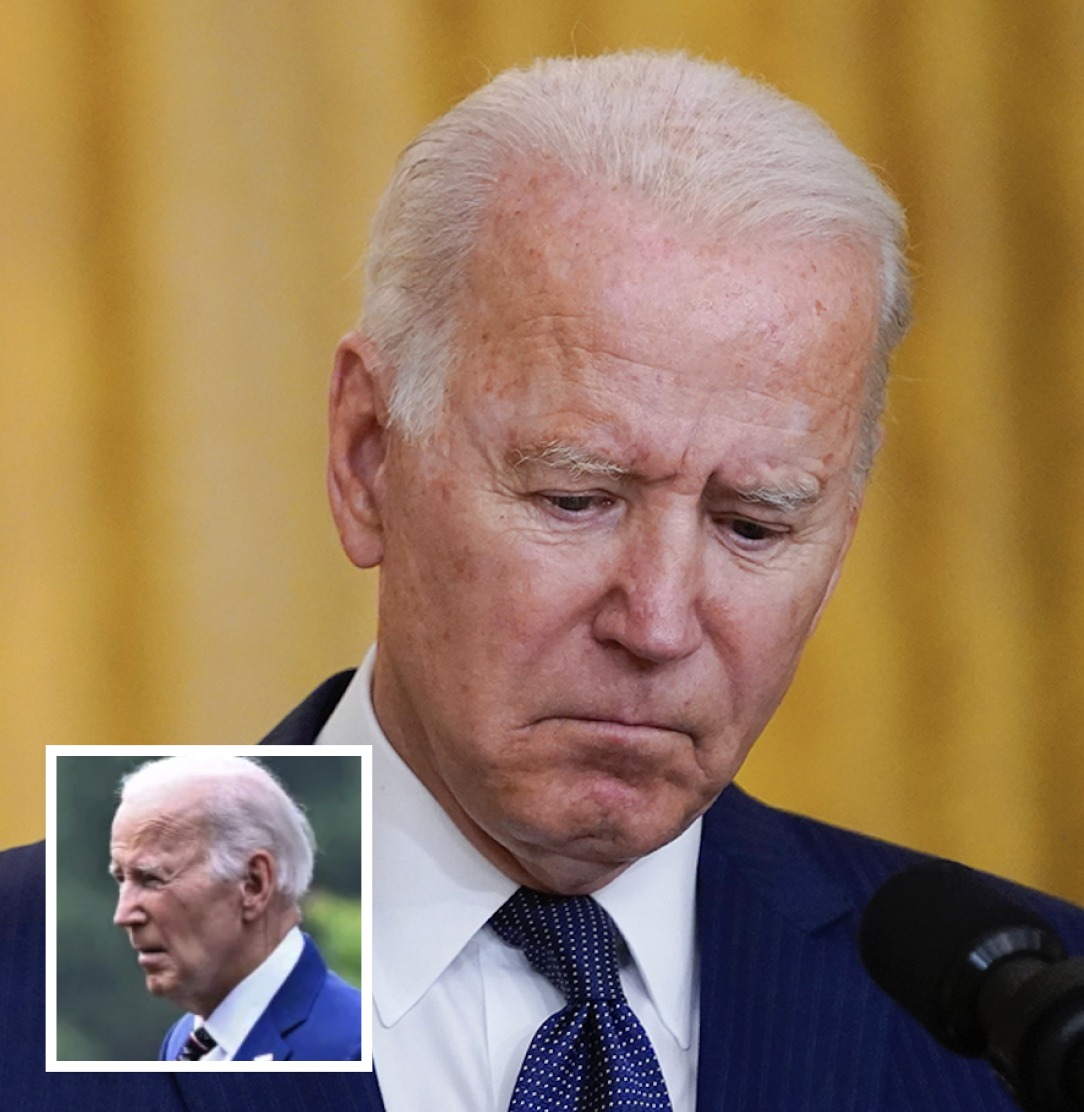
    He didn’t just complete another round of treatment—he survived a war inside his own body. After months marked by radiation burns, sleepless nights, and a fear that crept in no matter how hard he tried to push it away, former president Jonathan Baird finally stood in front of the brass bell that cancer patients dream of ringing. He lifted the rope with trembling hands, surrounded by nurses who had become family, and struck the metal with a force that seemed to come from every wound, every battle, every stubborn refusal to give up.

    But even that triumphant sound didn’t mean the fight was over.

    His daughter, Ashley, spoke to reporters with a voice that broke more than once. She called him “so damn brave,” her words raw and honest, carrying the exhaustion of a family that had spent months living in hospital corridors. She didn’t hide the truth: the scans looked better, but uncertainty still lingered like a shadow stretching into the future. Nothing was guaranteed—not remission, not comfort, not stability. What they had, for now, was a fragile pause between storms.

    The hallway where he rang the bell was unusually quiet that day. Doctors and nurses leaned against walls, watching him with a mixture of relief and awe. They had seen him on the worst days—when the bone pain was so sharp he gripped the edges of the bed until his knuckles turned white, when radiation left him too weak to stand, when the therapy meant to save him nearly broke him. Yet through all of it, Baird refused to speak in defeat. He cracked jokes when he could, comforted other patients, and shoved down his fear because, as he said more than once, “I’ve made it through worse than this.”

    Still, his medical team never sugar-coated the truth. His prostate cancer had advanced aggressively before it was caught, spreading into several bones in his pelvis and spine. The radiation sessions had targeted what they could, slowing the disease but not eliminating it. Now came the part no one could predict—whether the cancer would stay quiet, surge again, or create complications no scan could yet detect.

    For an eighty-two-year-old man who had spent most of his life in the public eye, this was the first battle he had chosen to fight privately. Not because he was hiding, but because the disease humbled him in a way politics never could. Illness stripped away every veneer. In the hospital, he was not a former president. He was a man trying to walk without assistance. A father who needed his daughter to remind him when to take medication. A patient learning that bravery sometimes looks like agreeing to treatments that terrify you.

    Ashley stayed by his side through almost every session. She’d sit in the corner of the room while technicians adjusted machines and whispered to him during the worst waves of nausea. Some days he managed a smile. Other days he didn’t. She described it as “watching the strongest person I know get knocked down over and over, and still insisting he’s fine.” Her updates to the family could be summed up in two words: hopeful, but honest.

    When radiation ended, Baird’s doctors laid out the next phase—hormone therapy, monitoring markers, monthly scans, and what they carefully called “future considerations.” No one was pretending victory. They were acknowledging momentum. The treatment bell wasn’t a finish line; it was a breath.

    And Baird took that breath slowly as he walked out of the hospital wing, leaning on the arm of a nurse who had seen him at his lowest. He paused, looking back at the room where he had spent so many days and nights. On the wall behind the bell were signatures from every patient who had rung it before him. Inspirational quotes. Messages to strangers. A mosaic of survival and hope.

    He pressed his fingers to the wall and whispered, “Let’s hope I earned my place here.”

    His daughter later said she had never seen him more vulnerable.

    Family members described the past months as a blur—of emergency appointments, long drives, complicated decisions, and the kind of conversations no one wants to have with someone they love. They planned for the future while being gently reminded not to assume it. His grandchildren visited when they could, bringing drawings and jokes to lighten the mood. His son flew in repeatedly, trying to hide his fear behind logistical planning and medical questions.

    Supporters outside the hospital speculated endlessly about his health, but inside those walls, it was simple: a father, aging and fragile, surrounded by people who loved him through every terrifying moment. Politics faded. Reputation faded. Only humanity remained.

    Even as the bell echoed behind him, doctors reiterated what the next months would look like. PSA levels. Hormonal suppression. Monitoring bone density. Tracking inflammation markers. Watching for new lesions. They didn’t promise good news. They promised vigilance.

    But Baird, tired and thin, still managed to look forward.

    He joked about wanting one good summer. One backyard barbecue. One weekend trip without pain medication. One night of sleep uninterrupted by alarms or side effects. Even small hopes felt enormous.

    Ashley described the moment they drove home after treatment ended. Her father stared out the window, watching winter trees blur by, and finally said, “I just want enough time to finish loving the people I love.”

    To her, that sentence said everything.

    For now, that’s what the family holds onto—not certainty, but possibility. Not assurance, but gratitude. They know another storm could come. They know everything may change again with the next scan. But they also know he made it through something unimaginably hard. He rang the bell. He walked out on his own feet. And for today, that is enough.

    An aging father steps into an unpredictable future with the same stubborn resilience that carried him through decades of public life. No doctor can promise what comes next, but his family still hopes—fiercely, relentlessly—that he will live to see more days, more sunrises, and more quiet moments with the people who matter most.

  • I Stopped to Help an Elderly Woman After Her Car Crashed – Two Days Later, My Whole Life Changed

    I Stopped to Help an Elderly Woman After Her Car Crashed – Two Days Later, My Whole Life Changed

    I honestly thought pulling over that afternoon was just the decent thing to do. An elderly woman in trouble, a wrecked car, a moment of humanity—nothing more. But when my phone rang two days later and my mother practically screamed for me to turn on the TV, I realized that single choice had kicked off something far bigger than a roadside good deed.

    My wife had been the kind of person who made life feel wide open, like the future was something we could mold with our bare hands. We’d stay up too late in the kitchen talking about Nina’s future, mapping out vacations, laughing at jokes so old and internal they barely made sense anymore. Cancer stole all of that three years ago. It gutted my life in one swift, merciless sweep, leaving me to raise a grieving daughter while stumbling through my own wreckage.

    The grief came in unpredictable waves. I’d reach for my phone to text her something stupidly mundane before remembering she wasn’t there to read it. I’d plate two servings of dinner before catching myself. Every corner of the house held memories that were precious and painful in the same breath. But Nina needed someone functional, someone present. She’d already buried her mother. She couldn’t lose her father to despair too. So I anchored myself to one purpose: show up for my daughter. Completely. No dating, no trying to “move on,” no space for a new relationship when the old one was still carved into my bones. It wasn’t fear—it was loyalty to the life I’d promised my wife we’d give our daughter.

    Most afternoons, the commute home was my mental reset. Twenty-three minutes where the world quieted enough for me to plan dinner, think about Nina’s assignments, or try to decipher if she seemed okay. That Tuesday felt like any other until traffic inexplicably halted. Drivers slowed, craned their necks, then swerved around some unseen disturbance. When I edged forward, I saw it: a silver sedan crushed against the guardrail, the hood crumpled like a kicked can, steam hissing against the cold air. The passenger-side headlight dangled crookedly, swinging like a broken lantern.

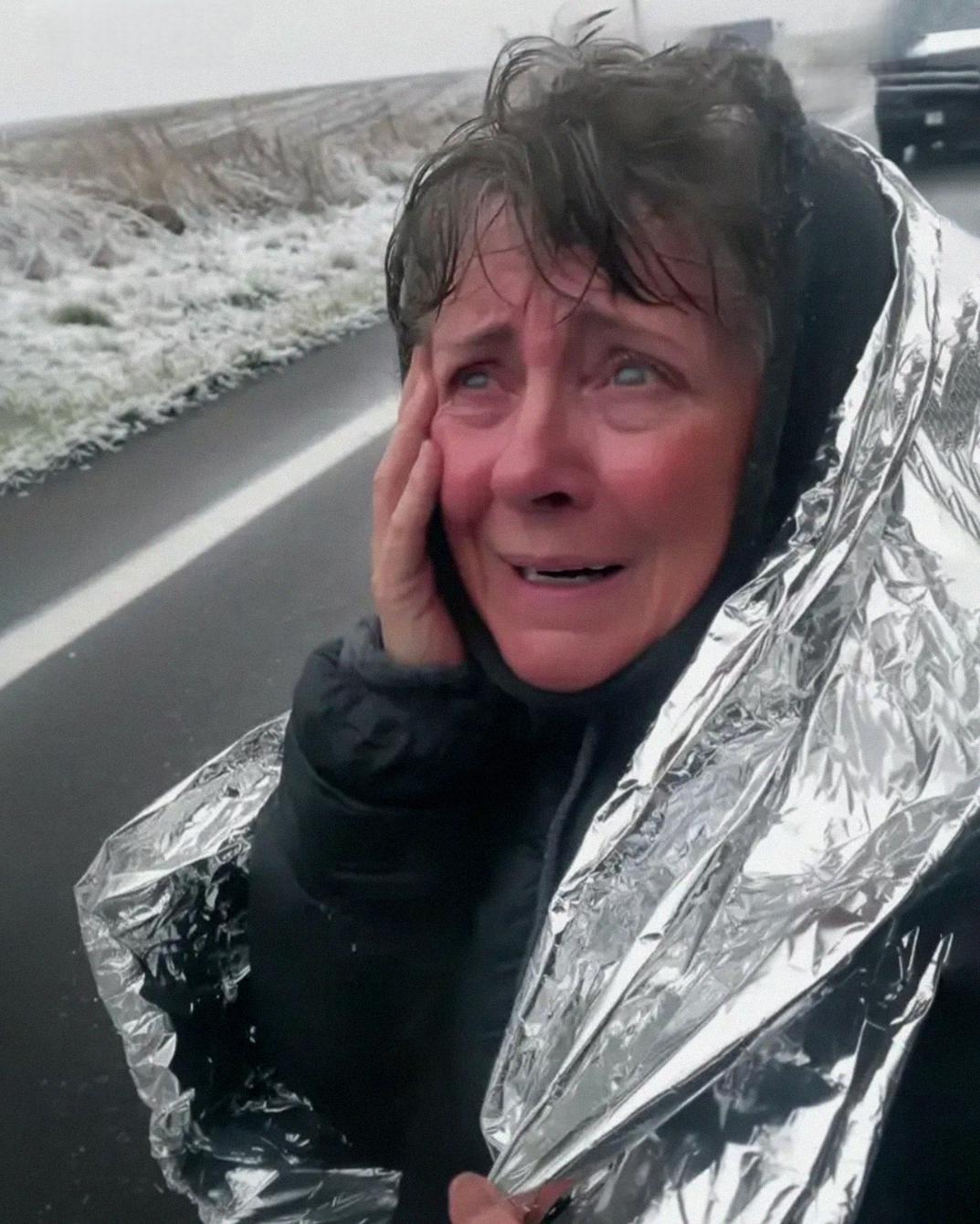
    Next to the wreck sat an elderly woman who looked like the life had drained out of her. Her gray hair hung in damp strings, her hands shaking violently in her lap. She stared at the wreckage the way someone stares at the end of their own story. Three cars slowed down, assessed her like a problem too complicated to bother with, and sped away.

    I felt something flare in me—anger, disbelief, I don’t know. I pulled onto the shoulder before I could talk myself out of it. As I stepped toward her, palms visible, I softened my voice. “Ma’am? Are you alright?”

    Her eyes lifted slowly, like she’d been underwater for hours and was just now surfacing. “The brakes… they just stopped working,” she whispered. “I thought this was it for me.”

    There was such defeat in her voice it rattled me. I jogged back to my car, grabbed the scratchy emergency blanket from my trunk, and draped it around her shoulders. She was trembling so hard I could feel it through the fabric. “You’re okay now,” I said, crouching beside her. “Just breathe with me. In. Out.”

    That did it. Her composure cracked wide open. She collapsed into sobs so deep and raw they shook her entire body. I stayed next to her, steadying her shoulder, murmuring whatever reassurance I could manage. When she finally managed to speak again, she whispered, “I’m Ruth. I can’t believe you stopped.”

    “I’m Leo,” I said. “And I’m staying with you until help gets here.”

    I called 911, kept eye contact with her so she wouldn’t drift back into that hollow place, and waited for paramedics. When they arrived, she gripped my arm hard. “You probably saved my life today,” she said. Her eyes were wet, but steady now.

    After the ambulance pulled away, I stood on the shoulder watching the flashing lights fade into the distance, feeling strangely wrung out. By the time I got home, Nina was doing her homework at the dining table, earbuds in. Life snapped back to normal—dinner, dishes, algebra. Two days passed without incident.

    Then Mom called.

    “Turn on the news right now!” she shrieked before I could even say hello.

    My stomach knotted. I grabbed the remote and flipped through channels until I found the segment. There was Ruth, sitting in a studio, looking composed but emotional under the bright lights.

    “It was the scariest moment of my life,” she said. “Dozens of people drove past. I thought I’d die right there. Then this man—this stranger—showed up and stayed with me until the ambulance came.”

    The screen cut to grainy body-cam footage of me kneeling beside her, blanket around her shoulders. The reporter’s voice played over it: “His act of kindness likely saved her life.”

    Then Ruth looked directly into the camera. “Leo, if you’re watching this… I’d love for you to visit my family’s café. I want to thank you properly.”

    Mom was crying. Nina bolted into the room, phone in hand. “Dad, you’re trending! Can we go? Please?”

    Her excitement made the decision for me.

    That Saturday, Nina and I walked into a cozy café that smelled like cinnamon and fresh coffee. As soon as the bell on the door jingled, everyone turned. And then—unexpectedly—they applauded. Nina’s face lit up brighter than I’d seen in years.

    Ruth hurried over, flour on her apron, and hugged me like a long-lost relative. “You came! Sit, sit. Everything today is on us. Your daughter is beautiful—what can I bring her? Hot chocolate? We make it by hand.”

    She ushered us to a booth, then waved over a woman in her early thirties with warm eyes and a shy smile. “This is my daughter, Virginia.”

    She set the drinks down, but her gaze rested on me longer than necessary. “There aren’t enough words to thank you for what you did,” she said softly.

    We talked. All of us. Laughing, sharing stories, easing into something unexpectedly comfortable. One visit turned into two. Then three. Soon Saturdays at the café became tradition. Nina blossomed there—laughing, chatting, growing closer to Ruth and Virginia.

    And somewhere along the way, Virginia and I began talking about deeper things. Loss. Parenting. Hope. She made me feel seen in a way I hadn’t let myself feel in years. When we finally went on a real date, Nina all but shoved me out the door.

    “Dad, you deserve to be happy,” she said. “Mom would want this for you.”

    Ruth cried when she found out. Virginia just squeezed my hand and smiled.

    And I realized something: pulling over that Tuesday didn’t just help an elderly woman. It cracked open a future I’d assumed was closed to me forever. Love didn’t replace what I lost, but it found the space grief hadn’t filled.

    Sometimes one small moment of choosing kindness is enough to restart an entire life.

  • Can You Spot What Makes This Unique? A Test of Eyesight and Nostalgia

    Can You Spot What Makes This Unique? A Test of Eyesight and Nostalgia

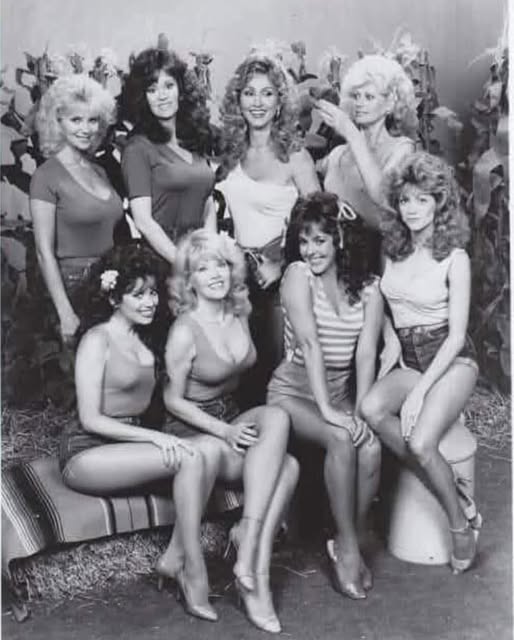
    Hee Haw wasn’t just another show on the dial—it was the weekly gathering spot for millions of families who built small rituals around its time slot. Before streaming, before endless scrolling, before content became disposable, there was something grounding about knowing that once a week, you’d sit together and laugh at the same jokes, listen to the same music, and share the same hour of simple, good-natured joy. Watching an unedited moment from the show today feels like cracking open a time capsule and releasing everything warm and familiar about a different era. It isn’t just nostalgia; it’s a reminder of a time when entertainment felt human.

    Back then, Hee Haw was a fixture in living rooms across the country. The TV would glow, the room would quiet, and for that one hour, the outside world could wait. Parents, kids, grandparents—everyone gathered in one place without their attention being pulled in a dozen directions. The humor wasn’t mean-spirited, the pacing wasn’t frantic, and the performers leaned into the silliness with an honesty that made you feel like they were laughing with you, not at you. It was a show that didn’t take itself seriously, yet somehow delivered moments that stuck with people for decades.

    What hits hardest in the uncut footage circulating today is the authenticity. The cast didn’t hide their mistakes; they embraced them. Someone would trip over a line, break character, or burst out laughing, and instead of reshooting the scene, the producers often let the moment stand. Those tiny imperfections did something modern television rarely attempts—they made the cast feel real. The laughter wasn’t choreographed. The energy wasn’t manufactured. You weren’t watching a performance; you were watching people having fun doing their jobs.

    The “Kornfield Jokes” skits captured that charm better than anything. A group of cast members would pop up between the stalks of corn, deliver one-liners as goofy as they were harmless, and try (often unsuccessfully) not to crack up at each other. The cornfield was never about the jokes themselves. It was about the feeling that you were in on something light and communal, something unconcerned with polish or perfection. The cast members teased one another, played off each other’s timing, and occasionally lost their composure in ways that only made the audience love them more. In an era obsessed with flawlessness, those moments now feel almost revolutionary.

    Music played an equally important role. Whether the stage hosted country legends or rising singers getting their first big moment, the atmosphere was relaxed and friendly. Performances were marked by little improvisations, unrehearsed smiles, and glances exchanged between musicians who genuinely enjoyed being there. You saw the craft, the talent, but you also saw the camaraderie. The unedited clips reveal details you missed as a kid—tap-tuned rhythms, subtle harmonies, shared nods of encouragement. These weren’t just performances; they were conversations set to melody.

    Hee Haw mattered because it created memories that families carried with them long after the credits rolled. For many, it wasn’t simply entertainment but a thread woven through childhoods, family traditions, and even generational identity. Parents remember watching it with their kids. Kids remember watching it with their grandparents. The show became a marker in time, a constant presence that stood outside of every era’s distractions and worries. It was a celebration of humor, community, and small joys.

    Now, decades later, those uncut clips still resonate. They’re reminders of a kind of entertainment that wasn’t trying to impress or provoke—it was simply trying to make you smile. There was no pressure to shock, no race to dominate ratings with controversy, no desperate need to reinvent itself every season. Hee Haw was consistent. Predictable in the best way. Comforting. And that’s exactly why it has stayed alive in the memories of the people who grew up with it.

    Today’s viewers—especially those discovering the show for the first time through old footage—can still feel that sincerity. Even without the nostalgia, the humor lands because it’s gentle. The music hits because it’s honest. And the cast shines because they’re not pretending to be polished versions of themselves; they’re simply showing up as people who enjoy what they’re doing.

    There’s something timeless about watching a cast laugh at their own jokes. It’s a reminder that entertainment doesn’t need to be flawless to be meaningful. In a world where everything is edited, filtered, refined, and re-shot until every imperfection is erased, Hee Haw’s uncut moments feel like a breath of fresh air. A return to authenticity. A glimpse into a time when a small stumble could become the funniest moment of the night, and nobody felt the need to hide it.

    The show’s staying power comes from its heart. It didn’t try to be something it wasn’t. It didn’t chase trends or reinvent itself every season. It leaned into the joy of shared laughter, simple storytelling, easy music, and a cast that genuinely liked being together. People talk about it now with the kind of warmth usually reserved for old friends.

    Looking back, what made Hee Haw so unique wasn’t its format, jokes, or costumes. It was the way it brought people together without needing to try very hard. That’s what the unedited clips reveal most clearly—not just the humor, not just the songs, but the feeling of connection. The sense that for thirty or sixty minutes each week, millions of people were sharing the same joy across living rooms everywhere.

    It’s easy to underestimate the power of that connection. Today, entertainment is personalized to the point of isolation—everyone watching something different on their own device, in their own room, at their own time. Hee Haw belonged to everyone. And in those rare unedited moments—the unscripted laughter, the little mistakes, the natural chemistry—you see exactly why the show refuses to fade into obscurity.

    It wasn’t just television. It was a gathering place. A shared ritual. A reminder that warmth and simplicity can be just as memorable as anything grand. That laughter doesn’t need to be perfect to matter. And that sometimes the most meaningful moments are the ones no one planned at all.

  • This young woman only ate one piece of bread a day for 5 years, Now grab a tissue before you see her today

    This young woman only ate one piece of bread a day for 5 years, Now grab a tissue before you see her today

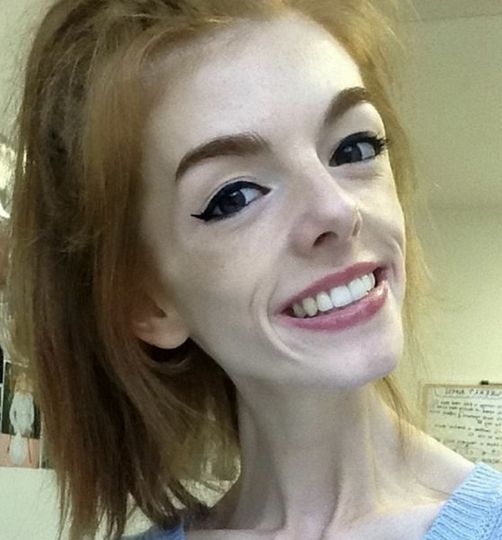
    Annie Windley’s story hits with the kind of force that comes from truth—raw, unpolished, and painful in ways most people will never fully understand. Eating disorders aren’t trends, phases, or moments of insecurity. They are lifelong battles fought quietly in bedrooms, bathrooms, hospital wards, and inside the darkest corners of the human mind. Annie knows that war intimately. For years, her life narrowed down to a single destructive routine: surviving on one piece of bread a day. Five years on the edge. Five years shrinking herself into a shadow of who she was meant to be.

    Her struggle began in her teens, in the years when most young people are discovering themselves. Instead, Annie was disappearing. At her lowest point, she weighed just 29 kilograms—63 pounds. Numbers cold enough to make doctors’ faces fall and urgent enough to draw red lines across her medical charts. Her body was breaking down. Her heart could fail at any moment. Standing up was exhausting. Climbing stairs was impossible. Even staying conscious became a battle she couldn’t always win.

    Hospital beds replaced classrooms. Monitors replaced conversations. Tubes replaced meals. And yet, even when her body was shutting down, her mind was trapped in the unforgiving grip of anorexia—a voice that tells you thinner is safer, control is everything, and hunger is success. It’s a voice that doesn’t just get quiet; it has to be fought down.

    For five years she lived inside that mental cage. Five years of appointments, interventions, and long nights staring at ceilings, wondering whether she’d survive the week. But somewhere inside her, something refused to die out—a small, stubborn spark that believed she could be more than her illness.

    Running became the unexpected lifeline that helped her fight her way back. At first, it was just a way to feel like she had some power left. But as she grew stronger, the miles became something else entirely. Running didn’t punish her body—it rewarded it. It taught her that strength and movement could come from nourishment, not deprivation. Every step whispered a different truth: your body can carry you if you let it.

    When she crossed the finish line of the Chesterfield Half Marathon, it wasn’t just a race. It was a resurrection. A moment that said louder than any diagnosis: you’re still here. And that mattered.

    In one of her posts, she wrote that recovery is “a breathtaking process… thrilling, unforgettable, and amazing.” Anyone who’s lived with an eating disorder knows this isn’t romanticism. It’s an acknowledgment that rehabilitation is brutal and beautiful at the same time. It doesn’t erase the disorder. It teaches you how to live without letting it rule you.

    Annie was diagnosed in 2012. Two years later she began therapy, trying to piece herself back together. But it wasn’t until 2017 that something shifted. She didn’t do it for doctors. She didn’t do it to quiet her family’s worry. She did it for herself. That mindset changed everything. Recovery that isn’t chosen can’t last. Recovery rooted in self-worth has a fighting chance.

    The climb back was anything but graceful. She described it as “incredible”—a word that captures both the agony and the courage involved. Every day she pushed herself toward meals her illness begged her not to eat. She faced the mirror and refused to let it dictate her value. Over four months, she gained three stones—about 42 pounds—making her the heaviest she had been since 2014. Every pound was a victory. Every ounce meant survival.

    One of the most powerful things Annie learned along the way is that happiness has nothing to do with size, numbers, or symmetry. It comes from how we treat ourselves and the people around us. Self-respect, kindness, purpose—these are the things that fill the void anorexia creates.

    Running helped her find that purpose. It redirected the obsessive drive anorexia feeds on and transformed it into something empowering. It became a measure of her strength, not her fragility. She started setting goals she could reach without destroying herself. After years of measuring food, she learned to measure progress, pride, and possibility.

    Her message to others is straightforward and sharp: follow your passion because it’s the one thing that fights the darkness with real force. Whether it’s running, art, writing, music—find something that pulls you forward instead of pulling you under.

    Annie remembers the worst days vividly. Days when she fainted just trying to walk. Days when her body shook from starvation. Days when one piece of bread had to last from sunrise to sunset. She remembers collapsing, dizzy spells, the way her body felt like it was dissolving. And she remembers the fear—the fear that she would disappear completely.

    Today she’s not just heavier. She’s stronger. She’s present. She’s building a relationship with her body that isn’t based on punishment. She’s teaching others that recovery isn’t a finish line you sprint toward—it’s a lifelong practice, a decision you recommit to every day. She tells people that the illness may always whisper, but you can learn to silence it.

    “We must show our disorders that we are able to do so. We don’t want to spend our lives full of regret,” she says. It’s a message wrapped in truth: eating disorders steal years, but they don’t have to steal your future.

    Her transformation is nothing short of remarkable. Not because she looks “better”—because she lives better. Because she reclaimed her time, her energy, her voice, her joy. She’s proof that even after years trapped in a body collapsing under starvation, healing is possible. Not easy, not quick, but possible.

    And sometimes, that hope is all someone needs to take the first step—just like Annie did.

  • SOTD – After My Grandmas Death, My Husband Rushed Me to Sell Her House, When I Learned the Reason, I Was Furious and Made Him Regret It

    SOTD – After My Grandmas Death, My Husband Rushed Me to Sell Her House, When I Learned the Reason, I Was Furious and Made Him Regret It

    The day my grandmother died, something in my world shifted—quietly, almost imperceptibly at first—until the shift became an undeniable fracture running straight through my marriage.

    I’m Mira, thirty-six years old, living just outside Portland in one of those calm, postcard neighborhoods where you can predict who’s walking their dog at what hour. People tend to assume a lot when they see a tidy house, healthy kids, and a decent marriage. They assume stability. Love. Security. And for a long time, I assumed the same.

    My husband, Paul, and I had been married seven years. On the surface, he was reliable, polished, composed—exactly the kind of man who looked like he had his life in order. Our twin girls, Ellie and June, adored him. And most days, watching him carry them to bed after our mandatory Friday movie night, I would’ve sworn I adored him too.

    But grief has a way of stripping varnish off everything.

    My grandmother’s death hit me harder than I ever expected. She had raised my mother in that little house on the hill surrounded by hydrangeas, and she’d raised me in her own way—teaching me how to bake lavender cookies, how to sew a button, how to stand up straight even when life tries to fold you in half. When she died at ninety-two, it felt like losing the last living witness to who I’d been before adulthood tumbled in.

    Three days after the funeral, I went back to her house to gather her things. I stood there holding her afghan blanket, still smelling faintly of lavender soap, and felt a lump rising in my throat.

    That’s when Paul started pushing.

    “We need the money, not your memories,” he said, arms crossed, his tone more impatient than grieving.

    The words landed like a slap. The house wasn’t even cold from her absence, and already he was talking about listing it. Something about his urgency scraped at me, a wrongness I couldn’t name yet.

    I ignored his pressure the best I could, but his agitation grew louder, sharper, strangely emotional for a man who hadn’t spent much time with her. He kept glancing at the stairs like the house itself owed him something.

    Then, as I was preparing to leave, Grandma’s neighbor, Mrs. Callahan, appeared at the gate. A quiet woman, never one for gossip—and yet there she was, eyes darting, voice lowered.

    “If you only knew what your husband was doing here… while your grandmother was still alive.”

    Before I could ask a single question, she pressed a small brass key into my palm. The attic key.

    “My grandmother gave this to you?” I asked.

    “She made me promise to hand it to you personally.”

    And just like that, the ground under my feet shifted again.

    Paul was waiting in the car, tapping furiously on his phone. I told him to take the girls home. He wasn’t thrilled, but he left. I climbed the stairs alone, the key warm from my hand.

    The attic door creaked open, the single bulb flickering to life, illuminating dust and forgotten relics. A row of old boxes. Stack of afghans. And in the corner, the brown leather suitcase I hadn’t seen since I was a child—the same one I’d pretended was filled with pirate treasure.

    Inside the suitcase were photo albums, old bills, neatly labeled envelopes, and on top—a letter.

    “For Mira.”

    Her handwriting, shaky but unmistakable.

    I opened it, heart thudding.

    She wrote that Paul had been visiting her for months without telling me. Pressuring her. Insisting she sell the house. Claiming we needed the money badly, that I was fragile, that our marriage would break under financial strain.

    She wrote that something about him frightened her. That his stories didn’t add up. That he needed money quickly, and she feared he’d drag me down with him. She apologized for ever believing him and told me she changed her will—leaving the house solely to me.

    “If you can prove he deceived me, the house is yours,” she wrote. “Be careful, my dear. Paul needed a lot of money. I don’t know why.”

    It felt like ice water poured straight through my chest.

    I gathered every document she’d left, locked them in a storage unit, and placed the most important papers in a bank safety deposit box under only my name.

    By the time I returned home, something inside me had gone very still.

    The next morning, I confronted him.

    He denied everything at first. Then he deflected. Then he tried to charm his way out. But when I told him I had proof—written, legal, irrefutable—the mask cracked.

    Turns out, my financially polished husband had gambled away two-thirds of our savings on a crypto scam. When it crashed, he panicked. Lied about bills. Lied about repairs. And when those lies couldn’t cover the bleeding anymore, he looked to my grandmother as his way out.

    He called it a “mistake.”

    I called it what it was: betrayal.

    I didn’t scream. I didn’t break anything. I didn’t let him sweet-talk or guilt-trip or twist the story.

    I hired a lawyer.

    The divorce was filed quietly. He cried, begged, promised, pleaded—but there are some things you don’t come back from. Manipulating a dying woman who loved me? That was it. That was the end.

    He moved out. I kept the house—the one he tried so hard to steal out from under me. I changed the locks. Painted the walls. Hung up the photo of Grandma and me baking. And on my office shelf, I placed her letter in a silver frame.

    Not as a warning.

    As a reminder.

    She protected me until her last breath. And even from the grave, she saved me from a man who never deserved the life he was pretending to build with me.

    Some inherit money. Some inherit land.

    I inherited the truth.

    And that truth set me free.