Category: News

  • A Late-Night Act of Kindness That Returned to Us Years Later!

    A Late-Night Act of Kindness That Returned to Us Years Later!

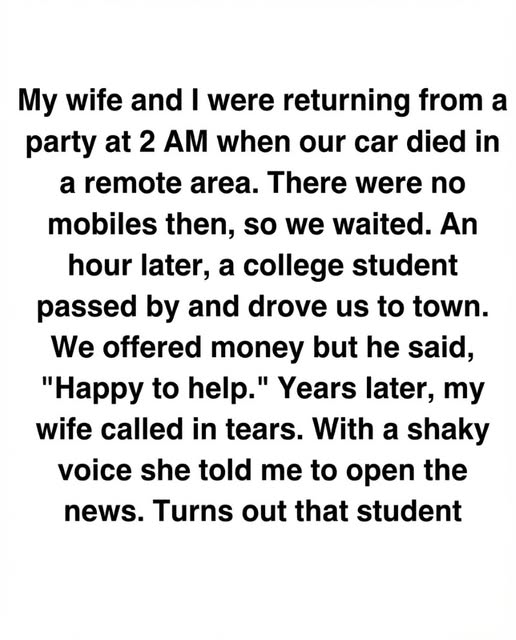
    Some nights stay with you forever, even when they seem ordinary at the time. One of those nights began for my wife and me just after two in the morning, driving home from a small party on the outskirts of town. The roads were empty, the air was cold, and conversation had faded into that comfortable silence couples fall into after a long evening. Then, without warning, the car sputtered, shuddered once, and died.

    We rolled to the side of the road and sat there, staring at each other in disbelief. This was long before cell phones, before roadside assistance apps, before any easy way to call for help. We tried the ignition again and again. Nothing. The engine was done. The road was remote, barely lit, and so quiet it felt abandoned by the rest of the world.

    At first, we assumed someone would come along quickly. A few minutes passed. Then thirty. Then an hour. The cold crept in through the windows. My wife wrapped her coat tighter around herself. I remember feeling frustrated and oddly exposed, like we had slipped outside the boundaries of normal life into a place where anything could happen—or nothing at all.

    Just when we started discussing whether to walk toward the nearest town, headlights appeared in the distance. A single car slowed as it approached us, then pulled over without hesitation. A young man stepped out, probably in his early twenties, wearing a worn jacket and carrying himself with a calm confidence that immediately put us at ease.

    “Car trouble?” he asked, as if it were the most natural thing in the world to stop for strangers at that hour.

    He was a college student, driving home after a late night studying at the library. He listened carefully as we explained the situation, then offered to drive us into town so we could find help or a place to stay for the night. There was no suspicion in his voice, no impatience. Just a simple willingness to help.

    We were grateful beyond words. During the drive, we talked casually. He didn’t brag or talk about himself much. He mentioned school, his classes, and how he tried to help when he could because, as he put it, “You never know when you’ll be the one stuck on the side of the road.”

    When we reached town, we offered him money. He shook his head immediately.

    “No,” he said. “Happy to help.”

    That was it. He smiled, wished us well, and drove off into the night. We never even caught his full name. The entire encounter lasted less than half an hour, but it left an impression that lingered. Over the years, my wife and I would occasionally bring it up—usually when we heard a story about kindness or when we helped someone ourselves. We always said the same thing: it’s strange how much a small gesture can mean when you least expect it.

    Years passed. Life moved on. Jobs changed. Family obligations grew. That night on the roadside became one of those quiet memories tucked away, still warm but rarely revisited.

    Then one afternoon, long after we’d almost forgotten it, my wife called me at work. Her voice was unsteady, emotional in a way that immediately caught my attention.

    “Can you open the news?” she asked. “Right now.”

    I did, expecting bad news. Instead, I saw a headline about an international humanitarian award being given to a community organizer whose work had transformed access to education in underserved areas. The article described decades of service—building educational programs, mentoring at-risk youth, organizing scholarships, and advocating tirelessly for better resources in struggling communities.

    And there was his photo.

    The same face. The same warm, open smile. Older now, more lines around the eyes, but unmistakably the young man who had stopped for us on a dark road all those years ago.

    I just stared at the screen. My wife was crying on the other end of the line, overwhelmed by the realization. The article went on to describe his life’s work: how he had chosen service over comfort, impact over recognition. How he believed lasting change came not from grand gestures, but from consistent, everyday acts of care.

    What struck us hardest was how little his essence seemed to have changed. The man being celebrated internationally was the same person who had refused money and said, “Happy to help,” without a second thought.

    As we read more, we learned that he often spoke about the moments that shaped him—times when people had helped him when he was struggling, when strangers showed compassion without expecting anything in return. He credited those moments with teaching him what kind of person he wanted to be.

    That made us pause. We wondered if our brief encounter had meant anything to him. Probably not in a dramatic way. It was just one small stop on one ordinary night. But then again, maybe that was the point. Maybe kindness doesn’t need to be remembered by both sides to matter. Maybe it plants something quietly and lets it grow on its own.

    That evening, my wife suggested we write to him. We tracked down the organization that had honored him and sent a letter, not expecting much. We told him about the night our car broke down, how a college student had helped us without hesitation, and how seeing his face in the news had brought that memory rushing back with unexpected force.

    Weeks passed. Then one day, a handwritten envelope arrived in the mail.

    He remembered.

    He wrote that the night he helped us had stayed with him too—not because it was dramatic, but because it reminded him that doing the right thing doesn’t require planning or recognition. He said that encouragement from strangers, especially in his early years, had given him strength during moments of doubt. Helping people, he wrote, grounded him. It reminded him why he chose the path he did.

    Reading his words, we both sat quietly for a long time. That single moment on a dark roadside had rippled outward in ways we could never have predicted. We hadn’t changed the world that night. We hadn’t even done anything remarkable. And yet, somehow, we had been part of a larger story about how kindness moves through people, carried forward quietly, often unseen.

    It changed how we looked at our own choices. We became more attentive. More willing to stop. More aware that even small acts might matter far more than we realize. Not because they lead to awards or recognition, but because they reinforce something essential in all of us: the belief that people are worth helping.

    Life doesn’t usually announce the significance of a moment when you’re living it. Most of the time, it just feels like another night, another inconvenience, another stranger passing through. Only years later do you realize that something meaningful happened, something that connected you briefly to a life much larger than your own.

    That night taught us a lesson we still carry with us. You never know how far a simple act of kindness can travel. You never know whose path it might steady, or what future it might quietly support. Sometimes, all it takes is stopping when you don’t have to, helping when no one’s watching, and trusting that doing the right thing is reason enough.

    And sometimes, years later, life gives you a glimpse of what that kindness became.
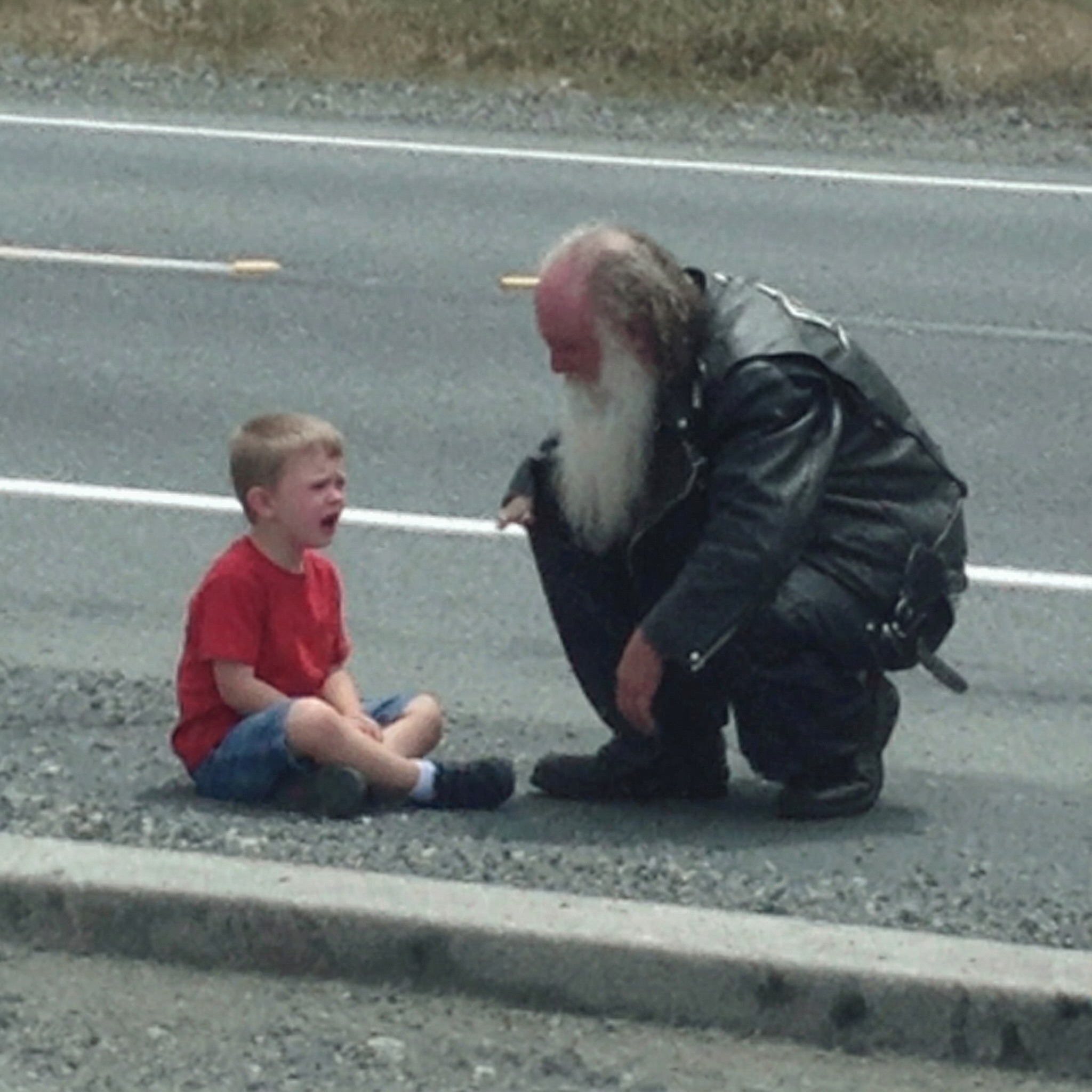
  • Child Services Said Bikers Like Me Cant Adopt The Boy They Dumped At Dealership!

    Child Services Said Bikers Like Me Cant Adopt The Boy They Dumped At Dealership!

    They left him like an inconvenience, not a child. Right there in the parking lot of a motorcycle dealership, the foster parents shoved a small boy out of their car, peeled away, and didn’t look back. Taped to the back of his jacket was a note that said they “couldn’t handle him anymore.” That was it. No goodbye. No explanation. Just abandonment.

    I noticed him because he didn’t belong there. A skinny kid in dinosaur pajamas, rocking back and forth, clutching a beat-up stuffed dragon while grown adults stepped around him like he was part of the concrete. I was inside buying brake pads when the manager started dialing the police, talking about “removing an abandoned child” like he was debris.

    Then the kid walked straight toward my Harley.

    He put his hand on the gas tank, slow and careful, like he was touching something alive. And after six months of silence, according to the paperwork, he spoke.

    “Pretty bike,” he said softly. “Like dragon wings.”

    I’m Big Mike. Sixty-four years old. Been riding since I was eighteen. Vietnam vet. Beard, tattoos, the whole package people cross the street to avoid. That kid wasn’t scared of me for a second. He hummed while his fingers traced the emblem on my tank, calm for the first time since being dumped.

    The note said his name was Lucas. Nine years old. “Severely autistic. Nonverbal. Violent outbursts.” That last part was bullshit. What I saw wasn’t violence. It was fear. Raw, bone-deep fear. And somehow, the bike grounded him.

    I crouched down slowly. Years of wrenching on engines teaches you patience.

    “Nice dragon you’ve got,” I said.

    He held it up. “Toothless. From movie.”

    So he could talk. He just didn’t when people pushed him. I understood that better than most. After the war, I didn’t say a word for months.

    The manager came back, nervous. “Sir, police are on the way. You should move your bike.”

    “He’s staying,” I said. Flat. Final.

    Lucas kept tracing the metal, over and over. Repetition. Control. Survival.

    “Want to sit on it?” I asked him.

    He froze. Then looked straight at me. Bright green eyes. Sharp. Present.

    “Really?”

    I lifted him onto the seat. His face lit up like someone turned the sun on. He made engine noises, raised Toothless into the air, laughing. Pure joy.

    That’s when Child Services arrived.

    Ms. Patterson. Clipboard. Tight smile. Zero patience.

    She said his name like a case number and told him she was taking him to an emergency placement center. The joy vanished. Lucas locked onto the handlebars and screamed, not angry, not defiant—terrified. A full panic spiral.

    I put my hand on his back. “Breathe with me. Slow.”

    He matched my breathing. Just like that.

    Ms. Patterson stared. “How did you—”

    “By not treating him like a problem,” I said.

    She insisted he had to go. Group home. Temporary holding. Same place he’d bounced through again and again.

    “I’ll take him,” I said.

    She laughed. “We can’t place a child with a biker. You people aren’t safe.”

    That did it.

    “You let him get dumped in a parking lot,” I said. “Don’t lecture me about safe.”

    I called my daughter. Jennifer. Family court lawyer. Smart as hell.

    She showed up fast, took one look, and went to work. Emergency custody petition. Media threat. Paperwork flying. Lucas never left my bike.

    After three hours, they agreed to a 72-hour placement.

    Lucas finally spoke to Ms. Patterson. “Mike has dragons. Bike is dragon. I stay with dragons.”

    That night, he ate mac and cheese at my kitchen table and narrated everything to Toothless. No yelling. No chaos. Just calm. He slept on the couch. I stayed up in the recliner. At 2 a.m., he woke screaming about “the bad place.”

    I told him the truth. “You’re safe. They can’t take you tonight.”

    He whispered, “Seven families didn’t want Lucas.”

    That number hit harder than anything I’d heard in decades.

    “Well,” I said, “the dragons want you.”

    The next day I took him to the Road Guards. Veterans. Riders. Men the world calls dangerous without knowing a damn thing. Lucas walked right up to Snake, our biggest guy, and pointed at his tattoos.

    “You have dragons on your arms.”

    Snake dropped to one knee and showed him every one.

    Those men were gentle. Patient. Protective. They didn’t flinch when Lucas rocked or repeated himself. They saw what mattered.

    Over the next weeks, they helped with everything. Home inspections. Security upgrades. References. Forty bikers doing yard work freaked the social worker out until she realized every one of them had clean records and charity work a mile long.

    At the custody hearing, a biological aunt appeared out of nowhere. Claimed family rights. Jennifer leaned over and told me she was chasing benefits.

    Lucas walked into the courtroom on his own.

    “Seven families didn’t want Lucas,” he told the judge. “Mike wants Lucas. Aunt never looked until money.”

    Dead silence.

    “I’m autistic,” he said. “Not stupid.”

    Then he hugged me. First time ever.

    The judge granted custody on the spot.

    Six months later, Lucas became my son. The courthouse was packed with bikers in leather and tears. He wore a small vest with a patch that read “Dragon Keeper in Training.”

    He’s thirteen now. Still autistic. Still different. Still brilliant. He rebuilds engines, understands systems most adults don’t, and knows—without question—that he belongs.

    The people who dumped him lost their license. Ms. Patterson learned. Bought a motorcycle. Changed how she does her job.

    And me? I stopped being a widower waiting out the clock. I became a dad again.

    Lucas still talks through Toothless when feelings get heavy. Last week, Toothless told me, “Mike saved Lucas. But Lucas saved Mike too.”

    He was right.

    We didn’t find family the normal way. We found it in a parking lot, next to a motorcycle, where someone decided different meant disposable.

    They were wrong.

    Different just needed understanding.

  • UPDATE! SAD NEWS ABOUT TERRY BRADSHAW!

    UPDATE! SAD NEWS ABOUT TERRY BRADSHAW!

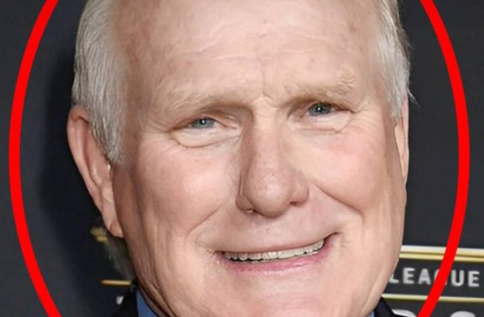
    Terry Bradshaw has spent most of his life in the public eye as a champion quarterback, a Hall of Famer, and a familiar voice on NFL broadcasts. What he kept private until recently was one of the toughest battles he has ever faced—one that had nothing to do with football, stadiums, or scoreboards. Over the past year, Bradshaw quietly fought two separate cancers: bladder cancer and Merkel cell carcinoma, a rare and aggressive form of skin cancer. Today, he says he is cancer-free.

    The revelation surprised many fans, not because Bradshaw lacks toughness, but because of how completely he carried on as if nothing was wrong. While viewers saw the same humor, energy, and confidence on television, behind the scenes he was navigating diagnoses, treatments, surgeries, and the constant uncertainty that comes with a cancer fight. It was a season of life defined not by wins and losses, but by resilience, patience, and faith.

    Bradshaw has never been one to dramatize adversity. When he spoke about his experience, he did so plainly. The treatments were hard. The waiting was harder. There were moments of fear and exhaustion that tested him in ways football never did. But he credits a strong medical team, early detection, and the unwavering support of family and friends for carrying him through. He also leaned heavily on his faith, which he says gave him clarity and steadiness when the path ahead felt unclear.

    Bladder cancer was the first diagnosis. It required treatment and monitoring, and just as Bradshaw was working through that process, doctors discovered Merkel cell carcinoma on his neck. Unlike more common skin cancers, Merkel cell carcinoma is rare, fast-moving, and potentially deadly if not treated early. Bradshaw underwent surgery and radiation. The physical toll was real, and so was the mental weight of facing a second cancer before fully putting the first behind him.

    Despite it all, Bradshaw kept showing up. He continued working. He continued laughing. He continued being the Terry Bradshaw fans have known for decades. What people did not see were the long days of recovery, the medical appointments, and the quiet moments where optimism had to be a choice rather than a feeling. He has since said that he did not want sympathy or headlines while he was still in the middle of the fight. He wanted to focus on getting better.

    When Bradshaw finally shared his story publicly, the response was immediate and overwhelming. Fans from every generation reached out with messages of encouragement, gratitude, and respect. Fellow athletes and broadcasters praised him not just for surviving, but for his honesty and composure. Many said his story gave them courage to face their own health struggles or to finally schedule checkups they had been putting off.

    One recurring theme in the reactions was admiration for Bradshaw’s refusal to let illness define him. He never presented himself as a victim. Instead, he framed the experience as a reminder that life is fragile and time is not guaranteed, even for those who seem larger than life. He encouraged people to pay attention to their bodies, to take symptoms seriously, and to understand that early detection can save lives.

    Bradshaw’s message landed because it was real. There was no motivational spin, no forced positivity. He acknowledged the fear. He acknowledged the difficulty. But he also emphasized gratitude—gratitude for modern medicine, for skilled doctors, for family, and for the chance to keep living a full life. He spoke about how illness strips away distractions and leaves you with what truly matters.

    Those close to Bradshaw say the experience deepened him. The jokes are still there, the charisma unchanged, but there is a quieter perspective underneath it all. Friends describe him as more reflective, more appreciative of ordinary moments. Winning Super Bowls brought pride. Beating cancer brought humility.

    Now cancer-free, Bradshaw is focused on recovery and moving forward. He plans to continue his broadcasting career and remain active, but with a renewed sense of purpose. He has said he wants to use his platform to raise awareness about cancer screenings and preventive care, particularly for men who often avoid doctors until something is seriously wrong. If sharing his story convinces even one person to get checked early, he considers it worth it.

    Bradshaw’s journey is not a story of invincibility. It is a story of vulnerability handled with strength. It is a reminder that no amount of fame, success, or physical toughness makes someone immune to illness. Champions get sick. Legends struggle. What matters is how they respond when the fight is no longer public and the stakes are deeply personal.

    In a career filled with dramatic comebacks and iconic moments, this chapter stands apart. There were no crowds cheering, no trophies at the end, no highlight reels. Just a man confronting his mortality and choosing to keep going. Choosing hope. Choosing trust in others. Choosing to believe that life after cancer could still be meaningful and full.

    Bradshaw has said that you never know what life will throw at you, but you can choose how to face it. His choice was not denial or bitterness, but courage grounded in realism. He did the work. He endured the treatments. He accepted help. And now, on the other side, he speaks with the authority of someone who has been tested in the most personal way possible.

    For millions who grew up watching him play and later listening to him on Sundays, this story adds depth to the legend. Not because it is tragic, but because it is human. It shows that strength is not about never being afraid. It is about moving forward even when you are.

    Terry Bradshaw’s cancer battle did not happen under stadium lights, but it may be one of the most meaningful victories of his life. He emerged not just cancer-free, but grounded, grateful, and determined to make the time ahead count.

  • Update – The Vatican shakes! It came to light the se! see more

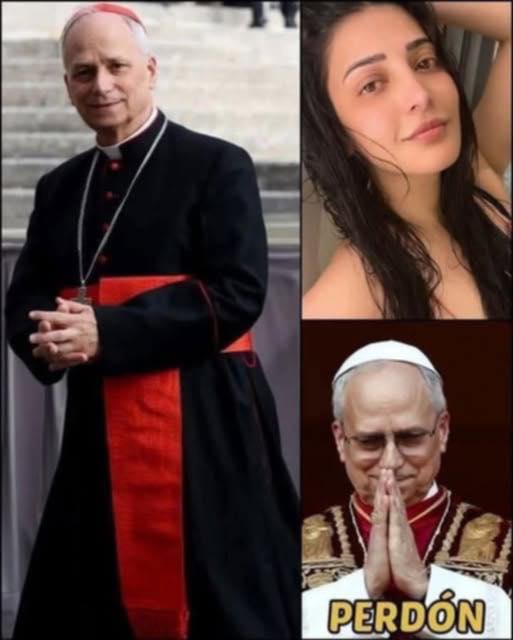
    Update – The Vatican shakes! It came to light the se! see more

    Justin Drew Bieber, born on March 1, 1994, in London, Ontario, emerged from modest beginnings to become one of the most influential figures in modern popular music. His rise was not the result of industry connections or manufactured hype, but a rare convergence of raw talent, timing, and the disruptive power of the internet. What began with homemade videos uploaded online evolved into a global career that reshaped how pop stars are discovered, marketed, and sustained.

    Bieber’s early life was grounded and far from glamorous. Raised primarily by his mother, Pattie Mallette, he showed musical instincts almost as soon as he could walk. He taught himself to play the piano, drums, guitar, and trumpet, performing in local competitions and busking on the streets of Stratford. His mother began uploading videos of his performances to YouTube so friends and family could watch. Those clips traveled far beyond their intended audience.

    In 2007, American music executive Scooter Braun stumbled across one of those videos by accident. Recognizing both vocal ability and charisma well beyond Bieber’s years, Braun tracked him down and arranged a meeting with Usher. Within months, Bieber was signed to RBMG Records, marking the start of a career that would redefine teen stardom in the digital era.

    His debut EP, My World (2009), introduced him to the mainstream. Songs like “One Time” and “One Less Lonely Girl” connected instantly with young audiences, driven by Bieber’s clear voice, earnest delivery, and relatability. The project made him the first artist to have seven songs from a debut record chart on the Billboard Hot 100. He was no longer just a viral sensation—he was a commercial force.

    The release of My World 2.0 in 2010 confirmed that his success was not a fluke. The album debuted at number one in the United States, powered by “Baby,” which became one of the best-selling singles in U.S. history and one of the most viewed music videos of all time. Bieber had become a global teen idol, with fan devotion reaching levels rarely seen since earlier pop phenomena.

    Rather than slowing down, Bieber expanded his reach. In 2011, he released Under the Mistletoe, a Christmas album that debuted at number one, making him the first male artist to achieve that feat with a holiday release. The album demonstrated both his commercial power and his willingness to experiment within traditional formats.

    By the time Believe arrived in 2012, Bieber was actively reshaping his image. The album leaned into dance-pop and R&B influences, signaling a transition from teen idol to more mature artist. It also made him the first artist in history to earn five U.S. number-one albums before turning 19. Commercially, he was untouchable.

    But success came with consequences. Between 2013 and 2014, Bieber faced intense scrutiny, legal troubles, and public backlash. His behavior offstage became headline material, and his public image took a serious hit. For many young artists, that period would have ended a career. Instead, it became a turning point.

    In 2015, Bieber staged one of the most significant comebacks in modern pop history. His collaboration with Jack Ü on “Where Are Ü Now” introduced a new sound built on electronic dance music, earning him a Grammy Award for Best Dance/Electronic Recording. That single set the tone for Purpose, an album that marked both artistic and personal reinvention.

    Purpose produced three U.S. number-one singles—“What Do You Mean?”, “Sorry,” and “Love Yourself”—and showcased a more restrained, emotionally reflective version of Bieber. The album resonated worldwide, and he became the first artist to occupy all top three positions on the UK Singles Chart simultaneously. The comeback was not just commercial; it restored credibility.

    From 2016 to 2017, Bieber dominated global charts through collaborations. “I’m the One” and his remix of “Despacito” reached number one on the Billboard Hot 100 in consecutive weeks, making him the first artist in history to debut new number-one songs back-to-back. “Despacito” went on to be named the greatest Latin song of all time by Billboard and earned Bieber his first Latin Grammy Award, further proving his cross-genre adaptability.

    Rather than confining himself to pop, Bieber continued to diversify. In 2019, he released “10,000 Hours,” a country collaboration with Dan + Shay. The song topped charts and won the Grammy Award for Best Country Duo/Group Performance, underscoring his ability to succeed across musical boundaries without losing his identity.

    Throughout his career, Bieber has continuously evolved—musically, personally, and professionally. He has navigated fame at an age when most people are still discovering who they are. His journey has included mistakes, public reckoning, growth, and accountability. Unlike many artists who fade after early success, Bieber adapted, learned, and remained relevant in an industry that rarely allows second chances.

    Beyond chart records and awards, Bieber’s influence is cultural. He was among the first global pop stars born from social media rather than traditional industry pipelines. His rise changed how labels scout talent and how artists engage with fans. He helped define the modern relationship between celebrity and digital platforms, for better and worse.

    Today, Justin Bieber stands as a figure shaped by both extraordinary success and intense pressure. His career reflects not just talent, but endurance—the ability to recalibrate, mature, and continue creating amid constant public attention. From YouTube videos to sold-out arenas, from controversy to reinvention, his story is one of evolution rather than perfection.

    Justin Bieber’s legacy is not confined to any single era or genre. It is defined by his impact on pop music, his role in reshaping the industry, and his capacity to grow beyond the version of himself the world first met. Whether admired, criticized, or debated, his influence on modern music is undeniable—and his journey remains one of the most consequential in contemporary entertainment.

  • Vanna White bids an emotional farewell to Pat Sajak ahead of his final showww!

    Vanna White bids an emotional farewell to Pat Sajak ahead of his final showww!

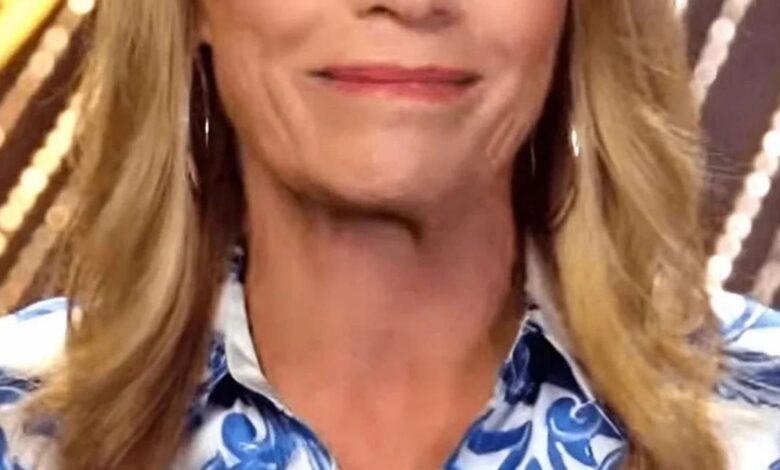
    Vanna White walked onto the Wheel of Fortune set knowing she was facing a moment she had quietly dreaded for years. After more than four decades standing beside Pat Sajak, the man she has often described as her “brother,” she was preparing to say goodbye. Not just to a co-host, but to a partnership that shaped her adult life, her career, and a piece of American television history. On the eve of Pat’s final episode, Vanna recorded a message that stripped away polish and performance. When it aired, viewers saw something rare for Wheel: raw emotion.

    “I can’t believe that tomorrow is our last show together,” she said. Simple words, heavy with meaning. Forty-one years is not just a number. It’s a lifetime of routine, trust, and shared space. More than 8,000 episodes. Endless contestants. Thousands of small, private moments between takes that the audience never saw. There’s no script for ending something like that. You don’t rehearse closure when a partnership lasts longer than many marriages and careers combined.

    Vanna didn’t try to dress the moment up. She acknowledged, honestly, that she didn’t know how to summarize everything they had experienced together. The years moved fast, she said. One day they were newcomers in 1982, hosting a game show that was far from guaranteed success. The next, they were fixtures in American households, a constant presence through decades of cultural shifts, personal milestones, and national upheavals. What began as a job slowly became a rhythm, and that rhythm became family.

    In the early days, Wheel of Fortune wasn’t the institution it is now. There was no certainty it would last. But Pat and Vanna built it piece by piece. Pat with his dry, unforced humor. Vanna with her warmth, grace, and steady presence. Together, they created something viewers could rely on. The show didn’t thrive because of flashy twists or shock value. It thrived because it felt safe, familiar, and human. People didn’t just tune in for puzzles. They tuned in because Pat and Vanna felt like people they knew.

    That familiarity wasn’t an act. Over the years, they lived real life in parallel, sometimes publicly, sometimes painfully privately. They aged on camera. They went through marriages, children, losses, health scares, and personal reinventions. When Vanna lost her fiancé in a plane crash in the late 1980s, Pat was there. When Pat stepped away temporarily for medical reasons years later, Vanna held the fort without question. Their careers didn’t just overlap. They were intertwined.

    In her farewell, Vanna made that clear without exaggeration or drama. She thanked Pat for his consistency, his kindness, and his ability to make her laugh every single day. She acknowledged that the show’s success was never about one person. It worked because neither of them tried to dominate the spotlight. They respected the balance. They showed up, did the work, and trusted each other to do the same. That kind of partnership can’t be manufactured. It only comes from time and mutual respect.

    What made the moment especially heavy was the reality of finality. Tomorrow wouldn’t be just another episode. It would be the last time Pat turned toward Vanna with a familiar glance. The last time his voice guided contestants through a round. The last time they stood shoulder to shoulder on a set that had been home for most of their adult lives. No matter how professional you are, a chapter like that doesn’t close quietly.

    Vanna also spoke to the strange feeling of imagining Wheel of Fortune without Pat Sajak. The show has survived industry upheavals, changing audiences, and the rise and fall of countless competitors. Through it all, Pat and Vanna were the anchor. Their consistency gave the show its identity. Now, one half of that anchor was stepping away, and the weight of that reality was impossible to ignore.

    Still, her message wasn’t rooted in fear or uncertainty. It was grounded in gratitude. Gratitude for every episode filmed. Every contestant encouraged. Every fan who made them part of a daily routine. Gratitude for a job that never felt like a burden because it was shared with someone she genuinely cared about. Gratitude for the laughter that carried them through long taping days and long years.

    As she spoke, her composure wavered—not because she was trying to be dramatic, but because forty-one years is a long time to share a stage with someone. Longer than most friendships last. Longer than most people stay in one profession. She wasn’t just saying goodbye to a colleague. She was saying goodbye to a rhythm, a sense of certainty, and a chapter of her own identity.

    The story of Pat Sajak and Vanna White goes beyond television. It’s a lesson in longevity, chemistry, and trust. They proved that consistency can be powerful. That genuine rapport matters. That audiences respond to authenticity more than spectacle. For generations, they were a quiet constant at the end of the day, a reminder that not everything needs to change to stay relevant.

    When Vanna said the years “went by like that,” she wasn’t exaggerating. Time moves differently when routine becomes second nature. One day you’re new. The next, you’re iconic. Then suddenly, you’re standing on the same stage for the last time, realizing that something you thought would always be there is ending.

    Pat Sajak’s departure marks the close of one of the longest-running and most stable hosting partnerships in television history. Wheel of Fortune will continue, because the show is bigger than any single person. But the era defined by Pat and Vanna will always stand apart. It was an era built on warmth, mutual respect, and the simple power of two people who genuinely enjoyed working together.

    Vanna’s farewell captured that perfectly. It wasn’t polished. It wasn’t performative. It was real. A sincere thank-you from someone who understands how rare and irreplaceable those 41 years truly were.

    Tomorrow, she will stand on that stage one last time beside Pat Sajak, the man she has laughed with for most of her life. They will give the world their final show together. And when the lights dim and the wheel stops spinning, an era that shaped generations will take its quiet, well-earned bow.

  • 8 Hidden Signs That Angels Are in Your Home!

    8 Hidden Signs That Angels Are in Your Home!

    Some people notice it first in the atmosphere of their home. The air shifts without warning, growing softer, warmer, calmer. A quiet settles in, the kind that doesn’t feel empty but full, as if the space itself is holding its breath. Others feel it physically—a gentle warmth across the shoulders, a cool breeze that arrives on cue during a moment of stress, or a sudden sense of peace that cuts through grief or anxiety without explanation. These moments rarely appear randomly. They tend to arrive when you are exhausted, hurting, or silently asking for reassurance.

    Many believe these experiences are subtle signs of angelic presence. Not dramatic, not overwhelming, but quiet and intentional. Angels, according to spiritual traditions across cultures, do not announce themselves loudly. They work through impressions, sensations, and small disruptions that gently pull your attention inward. When you begin to notice these signs, your home may feel less like a physical structure and more like a protected space.

    One of the most commonly reported signs is an unexplained shift in energy. A room that felt heavy suddenly feels lighter. Tension fades without effort. You may walk into your home after a difficult day and feel an immediate sense of relief, as if something unseen is absorbing the weight you carried in with you. This change is often strongest in moments of prayer, reflection, or emotional vulnerability, when defenses are down and awareness is heightened.

    Another sign appears through light. Lamps flicker without electrical issues. Candles burn brighter or steadier than usual. Devices glitch or reset during moments of deep thought or prayer, then return to normal. While easy to dismiss as coincidence, these moments often align too perfectly with emotional peaks to ignore. Light has long been associated with spiritual presence, and subtle disruptions are said to be one way angels draw attention without causing fear.

    Many people report finding feathers in strange places. Not outside, where they belong, but inside—on countertops, beside beds, in bathrooms, or in rooms with closed windows and doors. These feathers often appear during periods of loss, uncertainty, or transition. The symbolism is ancient: feathers represent protection, reassurance, and the reminder that you are not alone. Their sudden appearance can feel deeply personal, as if placed there deliberately.

    Sound can also play a role. Soft music with no clear source. A tone or hum that fades when you try to focus on it. Gentle ringing in the ears that brings calm instead of discomfort. Some describe hearing their name spoken quietly, not audibly but internally, with a sense of kindness rather than alarm. These experiences are typically brief, subtle, and impossible to recreate, yet they leave a lasting emotional imprint.

    Scent is another powerful indicator. The smell of flowers, incense, or something comforting like vanilla or fresh air can suddenly fill a room where no such source exists. These fragrances often appear during moments of reflection or remembrance and vanish as quickly as they arrive. Smell is tied directly to memory and emotion, making it an effective way for spiritual presence to evoke comfort and familiarity without words.

    Visual signs are often fleeting. Small sparkles or flashes of light at the edge of your vision. Orbs that appear briefly and then disappear. Shadows that don’t feel threatening but protective. These moments are usually seen peripherally, never directly, and they often occur when you are relaxed or emotionally open. The key difference is the feeling they bring—not fear, but calm, reassurance, or quiet awareness.

    Patterns and symbols may also begin to repeat. Numbers appearing again and again on clocks, receipts, or license plates. Shapes like hearts showing up unexpectedly. Words or phrases that surface repeatedly through different sources. These repetitions can feel oddly specific, aligned with thoughts you haven’t spoken aloud. Many interpret this as guidance, a nudge toward awareness, or confirmation that you are on the right path.

    There is also the unmistakable sense of presence. The feeling that someone kind is nearby, watching over you, not intruding but standing guard. It may feel like gentle pressure behind you, or the sense of not being alone in a room even when you know you are. Unlike anxiety-induced sensations, this presence brings calm, not tension. It doesn’t demand attention. It simply exists.

    Dreams can intensify when angels are believed to be near. Vivid, comforting dreams with clear messages. Encounters with figures that radiate peace. Reunions with loved ones who offer reassurance rather than sorrow. These dreams often feel different from ordinary ones—clearer, emotionally grounded, and memorable long after waking.

    Your emotional state may also shift. You may find yourself calmer in situations that once overwhelmed you. More patient. More trusting. Less reactive. This isn’t forced positivity or denial of reality, but a subtle strengthening of inner stability. Many believe this emotional grounding is a direct result of protective presence, helping you navigate life without carrying unnecessary weight.

    When these signs appear, acknowledgment matters. Gratitude, spoken or silent, is often said to strengthen awareness. You don’t need rituals or grand gestures. Simply recognizing the moment, breathing into it, and allowing yourself to feel supported is enough. Over time, this awareness can change how your home feels. It becomes a place of refuge rather than just shelter.

    A home touched by this presence often feels different to visitors as well. People may comment on how calm or peaceful it feels without knowing why. Conflict may dissipate more easily. Rest feels deeper. Even silence feels comforting rather than empty. The space begins to carry an energy that reflects protection rather than chaos.

    Belief isn’t required for these experiences to have meaning. What matters is how they make you feel: safer, steadier, less alone. Whether interpreted spiritually or psychologically, these moments often arrive when they are most needed. They remind you that even in isolation, support exists.

    Angels, according to countless traditions, do not interfere loudly. They guide quietly. They protect subtly. Their signs are not meant to prove anything, but to reassure. To remind you that your struggles are seen, your emotions acknowledged, and your path supported.

    When you pause, notice, and allow these moments to settle, your home can begin to feel different. Less like walls and furniture. More like a space held gently in something larger. A place where unseen care lingers, steady and patient, waiting not for belief, but for awareness.

  • People are losing their minds after spotting detail about Barron Trump I had no clue!

    People are losing their minds after spotting detail about Barron Trump I had no clue!

    The more Barron Trump stays out of the spotlight, the more fascinated the public becomes. Unlike most children of high-profile political figures, the youngest son of Donald and Melania Trump has grown up largely away from cameras, interviews, and social media. That silence has only amplified curiosity. Every rare appearance sparks conversation, speculation, and, most recently, outright disbelief.

    Barron Trump was born in 2006, the same year his parents married. From the beginning, his life was unconventional. He was raised in Trump Tower in Manhattan, where reports say he had an entire floor to himself. Despite the wealth and resources surrounding him, his upbringing was more hands-on than many would expect. Melania Trump chose not to rely on a traditional nanny. Instead, she personally cared for Barron, preparing his meals and managing his daily routine. By her own accounts, she was deeply involved in his childhood, prioritizing privacy and stability over public exposure.

    Just minutes after Barron was born, Donald Trump did something characteristically untraditional. Barely 20 minutes into fatherhood for the fifth time, he called into MSNBC’s “Imus in the Morning” radio show to announce the news. At the time, Trump joked about staying young by continuing to have children, while Melania’s website shared that Barron weighed 8½ pounds and measured 21 inches long at birth. Even then, he was already larger than average.

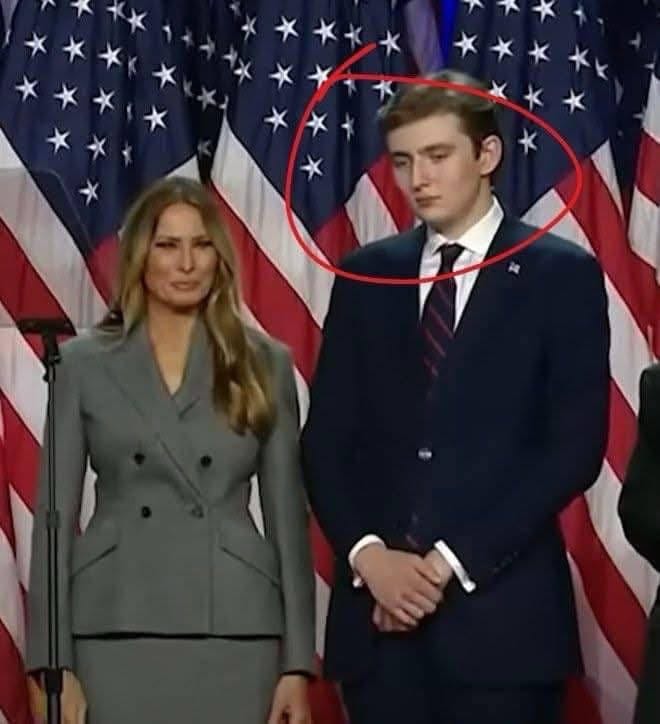
    As Barron grew older, it became clear that his height would set him apart. Over the years, each new photo seemed to surprise people more than the last. While his siblings matured mostly out of the public eye, Barron’s physical growth became impossible to ignore. He steadily towered over his parents and siblings, eventually surpassing even his father’s height. Today, that transformation has become the detail people cannot stop talking about.

    Recent photos taken at the funeral of Melania Trump’s mother, Amalija Knavs, reignited that fascination. Amalija passed away on January 10 at the age of 78, a loss that deeply affected the family. She had been a constant presence in Melania’s life and played a significant role in Barron’s upbringing. The funeral, held in Palm Beach, Florida, brought the family together publicly during a moment of mourning, and the images quickly spread across media outlets.

    Melania announced her mother’s passing with a heartfelt statement, describing Amalija as a strong woman who carried herself with grace, warmth, and dignity. She emphasized her mother’s devotion to her family, especially her grandson. Melania had been noticeably absent from public events during the holidays, later revealed to be because she was caring for her ailing mother. Amalija’s death marked the end of a quiet but influential presence in the Trump family.

    Amalija and her husband, Viktor Knavs, became U.S. citizens in 2018 after years of living in the country on green cards sponsored by their daughter. Long before that, they had been deeply involved grandparents. They helped raise Barron, spending significant time with him and supporting Melania’s emphasis on family and cultural roots. According to reports, Barron speaks Slovenian and regularly used the language with his aunt Ines, who lives in New York. His aunt also reportedly handled the paperwork for Barron to acquire Slovenian citizenship, reflecting how closely connected he remained to his mother’s heritage.

    Donald Trump has publicly acknowledged the role his in-laws played in Barron’s life. At a campaign rally shortly after Amalija’s death, he thanked her openly, calling her one of the most special people he had ever known. He credited her care and cooking for Barron’s remarkable height, joking that “that’s how he got so tall.” Even in grief, Trump leaned on humor, but the message was clear: Amalija was central to Barron’s upbringing.

    Trump has also joked repeatedly about Barron’s height and athletic potential. He once lamented that Barron preferred soccer over basketball, despite being unusually tall. According to Trump, Barron politely but firmly told him that soccer was his sport of choice. Trump described him as a “special boy,” a comment that resonated with supporters and critics alike.

    As Barron entered adulthood, public reaction intensified. Many people struggled to reconcile the image of the sleepy child seen at Donald Trump’s 2017 inauguration with the towering young man now appearing beside his parents. Online reactions ranged from disbelief to humor. Some claimed the photos had to be edited. Others joked that Barron looked like multiple people stacked on top of each other. The sheer scale of his growth became a running joke across social media.

    For years, reports claimed Barron stood at 6 feet 7 inches. Donald Trump later corrected that figure, stating his son is actually 6 feet 8 inches tall. Even that number now seems outdated. Recent photos taken on election day, when Barron voted for the first time, sparked fresh amazement. He appeared even taller, prompting renewed speculation that he may still be growing.

    Comments poured in almost immediately. Some joked that his presence alone proved time had passed. Others suggested professional basketball teams might come calling. While most of the commentary was lighthearted, it underscored something deeper: Barron Trump’s transformation has become a visible marker of time, change, and the quiet passage of years since his father first entered politics.

    Despite the attention, Barron has remained largely silent. He does not give interviews, maintains no public social media presence, and appears content staying out of political theater. He is reportedly attending a business school in New York, focusing on education rather than public life. That restraint stands in contrast to the noise surrounding his family name and may explain why each glimpse of him generates such intense interest.

    Barron Trump has grown up surrounded by power, wealth, and controversy, yet his public image remains surprisingly undefined. People don’t argue about his opinions or actions. They talk about his height, his privacy, and the mystery surrounding him. In an era where overexposure is the norm, his absence has made him more compelling.

    What continues to stun people isn’t just how tall Barron Trump has become, but how little the public truly knows about him. He has aged quietly while the world watched everything else loudly. And every time he steps briefly into view, the reaction is the same: disbelief, amazement, and the realization that time has moved faster than anyone expected.

  • I Criticized My Husband for His Low Salary, Not Knowing He Spent Most of It on 2 Babies I Never Saw!

    I Criticized My Husband for His Low Salary, Not Knowing He Spent Most of It on 2 Babies I Never Saw!

    My name is Jenna Rowe, and for months I was convinced my marriage was slowly collapsing under the weight of money problems and unspoken resentment. Bills kept stacking up no matter how carefully I tracked them. Our savings shrank. My husband came home later and later every night, exhausted and distant, and our conversations turned into arguments that echoed through the apartment like background noise we couldn’t shut off. I thought I knew exactly what was wrong.

    I was wrong about everything.

    One night, after another tense evening of balancing numbers that refused to make sense, I finally snapped.

    “We can’t keep living like this, Marco,” I said as he stood in the bedroom loosening his tie. “I don’t understand where the money is going. I thought you earned more than this.”

    He stopped moving. His shoulders dropped slightly, like he’d been carrying something heavy all day and had finally set it down.

    “I’m doing everything I can, Jen,” he said quietly.

    “I know,” I replied, rubbing my temples. “But we used to make it to the end of the month. Now we don’t. Sometimes I can’t even afford groceries.”

    He looked at me with an expression that made my stomach twist. Not anger. Not defensiveness. Just sadness.

    “I’m sorry,” he said.

    That should have been enough. But instead, suspicion crept in. A thought I hated but couldn’t silence: maybe he wasn’t telling me everything.

    Three months earlier, I had quit my part-time job after my fibromyalgia worsened to the point where basic tasks left me in pain for hours. My doctor told me stress was making it worse. Marco didn’t hesitate.

    “Quit,” he said. “We’ll figure it out.”

    Except now, it felt like nothing was figured out at all.

    Marco kept “working late.” And the later he came home, the darker my thoughts became.

    Then one Thursday evening, everything cracked open.

    He texted that he’d be late again, citing a deadline. But less than an hour later, while driving back from the pharmacy, I passed his office.

    His car was pulling out of the parking lot.

    It wasn’t even five-thirty.

    My heart started racing. Without thinking, I followed him. I told myself I just wanted answers. But deep down, fear was steering the wheel.

    Marco drove across town into a neighborhood we hadn’t set foot in for nearly a year. A neighborhood that made my chest tighten the moment I recognized it.

    His brother Dean lived there. With his wife, Riley.

    We had cut them out of our lives after Riley mocked my health, sneered at our finances, and once told me I should never have children because I’d “fall apart.” When we were close to losing our apartment, they refused to let us stay even one night.

    And now Marco was pulling into their driveway.

    I parked a few houses down, shaking. The front door opened, and Riley stepped outside.

    She smiled.

    Then she hugged Marco.

    Not a polite greeting. A familiar, comfortable embrace.

    My vision blurred. My first thought was betrayal. My second was humiliation. And then I saw what Marco was holding.

    A baby.

    Tiny. Wrapped in a pale yellow onesie. Sleeping against his shoulder like it belonged there.

    Riley stepped back, and she was holding another baby.

    Twins.

    I felt like the ground dropped out from under me.

    They’re his, my mind screamed.

    I didn’t knock. I didn’t hesitate. I stormed into the house.

    “What is going on?” I shouted.

    Marco turned so fast he nearly dropped the baby.

    “Jenna—wait—”

    “Don’t,” I snapped, tears already spilling. “Are those your children?”

    The room went dead silent.

    “No,” Marco said immediately. “God, no.”

    Riley looked like she might collapse.

    “They’re mine,” she said softly.

    I stared at her, stunned. “But Dean—”

    “Dean is in jail,” Marco said.

    The words didn’t register at first.

    Riley explained through a trembling voice. Dean had been investigated for fraud and embezzlement. His affair partner turned over evidence. He was arrested when she was seven months pregnant. Their accounts were frozen. Everything was seized. The house was the only thing untouched, because it wasn’t in his name.

    She had nothing. No income. No support. Two newborns.

    “And Marco,” I whispered, finally understanding. “The money?”

    “I’ve been helping,” he said. “Food, formula, bills. Repairs. Feeding the babies so Riley could sleep.”

    I sat down hard on the couch, my legs barely holding me.

    “You should have told me,” I said.

    “I know,” he replied. “But after everything that happened… I didn’t want to put that on you. I thought I could handle it.”

    Riley looked at me, eyes red and exhausted. “He saved us,” she said. “I know I don’t deserve it.”

    I looked at her properly for the first time. The arrogance was gone. She looked broken. Worn down. Human.

    Marco hadn’t betrayed me. He had protected two innocent lives in silence.

    “I am angry,” I said slowly. “But not because you helped them. Because you didn’t trust me with the truth.”

    He nodded. “I was wrong.”

    I took his hand. “Marriage isn’t protection. It’s honesty.”

    That night, something shifted.

    Riley apologized. Not defensively. Not casually. Truly. She didn’t ask for forgiveness. She just owned what she’d done.

    I didn’t forgive her right away. But I let go of the hatred.

    Over time, things changed. Riley found part-time work. The twins thrived. Marco still helped, but no more secrets. I was there too, holding babies who wrapped their tiny fingers around mine.

    One evening, Riley watched me rock one of the twins to sleep.

    “You’re going to be a great mom someday,” she said softly.

    For the first time, the words didn’t hurt.

    Marco and I weren’t falling apart.

    We were rebuilding.

    Together.

  • UPDATE – The $2,000 Trump payment is out! Check the list to see if your name is on it!

    UPDATE – The $2,000 Trump payment is out! Check the list to see if your name is on it!

    The message landed on Mason’s phone just after sunrise, the kind of hour when your brain isn’t fully awake and instincts do most of the thinking.

    “The $2,000 Trump payment is out. Check the list to see if your name is on it.”

    No sender name. No official header. No link preview. Just a blunt line that read like a hybrid of political bait and financial panic fuel. Mason stared at the screen while his coffee maker rattled behind him, steam hissing like background static. His first thought was simple: scam. The wording was sloppy, engineered to provoke urgency without offering substance.

    He deleted messages like that all the time.

    Except this one didn’t leave his head.

    It wasn’t the money. Mason wasn’t desperate. But the language was precise in the way manipulation often is. “Payment.” “List.” “Your name.” Those words didn’t promise riches; they triggered curiosity, the quiet fear of missing something that might already be in motion without you.

    He told himself to ignore it. By midmorning, he was still thinking about it.

    By lunch, the uncertainty started to itch.

    Mason hated loose ends. Especially financial ones. He didn’t click anything. He didn’t reply. Instead, he did what felt safer: research. He combed forums, Reddit threads, watchdog blogs, obscure political boards—anywhere people tracked scams, relief programs, or shady payout rumors.

    What he found wasn’t reassurance.

    Dozens of people reported receiving the same message. Some claimed it was tied to a “new relief initiative” quietly rolled out. Others insisted it was a data-harvesting scheme targeting people with specific income profiles. A few were convinced there was an actual list—some internal registry of names connected to tax history, credit behavior, or voting records.

    None of it lined up. All of it felt wrong.

    By the time Mason got home, he was ready to let it go. He had already decided it wasn’t worth another minute of mental space.

    Then he saw the envelope.

    It sat halfway inside his screen door, plain white, no postage, no return address. His name was written in stiff, block letters, like someone had copied it from a database rather than written it by hand.

    Inside was a single sheet of paper.

    “Your eligibility status has been updated. Confirm your placement.”

    No logo. No signature. No explanation.

    That phrase—eligibility status—hit harder than the text message. Bureaucracies didn’t use language like that unless something was being processed. Systems didn’t talk about “placement” unless there was a structure behind it. And someone had physically delivered this to his house.

    That crossed a line.

    Mason checked his porch camera. At 3:42 a.m., a hooded figure approached, slid the envelope into the door, and walked away at an unhurried pace. No car. No hesitation. No attempt to hide their face from the camera, like anonymity wasn’t even the point.

    It felt procedural.

    Back online, Mason dug deeper. Buried in the comment threads, one username kept appearing: LedgerWatch. Unlike everyone else, they weren’t guessing. They corrected misinformation. They shut down bad theories. Their replies were short, precise, and unsettlingly confident.

    Mason messaged them.

    The response came in under two minutes.

    “You received the envelope. You’re wondering if the list is real.”

    His stomach tightened. He hadn’t mentioned the envelope.

    “What is this?” he typed.

    “The payment is a trigger,” came the reply. “The list tracks behavioral responses to financial stimulus prompts.”

    Mason reread it slowly. Behavioral responses. Stimulus prompts. This wasn’t about money. It was about observation.

    LedgerWatch sent an address. No explanation. One instruction.

    “Ask for the registrar.”

    Every instinct told him not to go. And every instinct told him he wouldn’t sleep if he didn’t.

    The address led him to an old municipal building on the edge of downtown. No signage. No security desk. Just a single hallway lit by flickering fluorescent lights. At the far end sat a folding table and an older woman with glasses, posture straight, expression neutral. The kind of person who looked like she’d spent decades filing records that mattered to people who never saw them.

    Before Mason could speak, she slid a clipboard toward him.

    A list of names. Hundreds of them. Some highlighted. Some crossed out. Some with handwritten notes in the margins.

    “These are individuals who responded to the prompt,” she said calmly.

    “This is a scam,” Mason said.

    She shook her head. “Scams want money. This wants patterns.”

    She explained without emotion. The payment message was a stimulus event. The text, the envelope, the phrasing—everything calibrated to test response types. Who ignored it. Who panicked. Who clicked immediately. Who researched quietly. Who tried to claim money that didn’t exist.

    “Financial behavior under uncertainty is extremely valuable data,” she said. “Banks, policy groups, campaigns—any entity that needs predictive insight into economic stress reactions.”

    Mason felt cold.

    “I wasn’t even on the list,” she continued, “until you started investigating. That moved you into the ‘responsive’ category. High curiosity. Controlled impulse. Moderate skepticism. Low fraud susceptibility.”

    She wrote his name onto a blank line.

    “You opted in,” she said. “The moment you sought confirmation.”

    Mason stood up without another word.

    As he walked out into the night, the reality settled in fully. The $2,000 payment was never real. The list was. And the real transaction had already happened.

    It wasn’t about money.

    It was about watching who flinched when money was mentioned—and who didn’t.

    And now, somewhere, his reaction had been logged, categorized, and stored like a financial footprint he never agreed to leave.

  • UPDATE – Police find elderly man who had been missing for 7 months! he was burie! See more

    UPDATE – Police find elderly man who had been missing for 7 months! he was burie! See more

    The phone call came long after hope had worn thin. For seven months, an elderly man’s disappearance haunted his family, unsettled a quiet town, and lingered in the minds of investigators who refused to let the case fade into statistics. Every unanswered question became heavier with time. Every day without news stretched grief into something raw and exhausting. And when police finally found him, buried beneath disturbed earth far from his home, the relief of knowing collided violently with the horror of how the story ended.

    He didn’t vanish dramatically. There was no struggle witnessed, no urgent alarms. He disappeared the way many elderly people do—quietly, gradually, almost invisibly. At first, it was small things. Missed phone calls. A doctor’s appointment he never showed up for. Neighbors realizing they hadn’t seen him on his usual morning walk. The kind of absence that doesn’t scream at you immediately but grows louder with every passing hour.

    When police conducted the initial welfare check, his home was still there, unchanged. No signs of forced entry. No chaos. Just silence. His wallet and personal belongings were missing. His car was gone. What began as concern quickly escalated into fear.

    Search efforts ramped up fast. Volunteers from the community joined law enforcement, combing wooded areas, fields, back roads, and abandoned properties. Flyers went up on bulletin boards and storefront windows. His name circulated through local news and social media. Family members clung to the possibility that he had wandered off, gotten lost, or suffered a medical emergency and was waiting somewhere to be found.

    Weeks passed. Then months.

    As time dragged on, the hope that he might still be alive thinned, but it never fully disappeared. His family lived in a constant state of suspension, unable to grieve, unable to move forward. Every phone call made their hearts race. Every rumor reignited possibilities. Sightings were reported, investigated, and dismissed. Each dead end left behind a deeper ache.

    Police kept the case open, even as leads dried up. They reviewed traffic cameras. They retraced known routines. They examined bank activity and phone records. Nothing definitive surfaced. It was as if he had slipped through the cracks of the world.

    The town felt it too. People locked their doors more carefully. Conversations lowered in volume when his name came up. The unanswered question of what happened lingered like a fog, creating unease that never quite lifted.

    Then, seven months after he vanished, a call came in that changed everything.

    A passerby noticed something strange in a remote area miles from the man’s home. A patch of ground that didn’t look right. Soil that appeared freshly disturbed despite the time that had passed. Police were dispatched, not expecting answers, but unable to ignore the possibility.

    What they uncovered ended the search.

    Buried beneath the earth was the body of the missing man.

    The confirmation was devastating. For his family, the pain was immediate and absolute. The fragile hope they had carried for months collapsed into grief, shock, and disbelief. Knowing he was gone hurt deeply—but knowing he had been buried, hidden away, raised unbearable questions.

    Who brought him there?
    Why was he buried instead of left where he fell?
    How long had he been lying beneath the soil while people searched, prayed, and waited?

    The discovery answered one question but opened dozens more.

    Investigators immediately shifted the case from missing person to homicide investigation. The burial itself suggested intent. Someone had taken the time to conceal him. That detail alone erased any notion of a simple accident.

    Forensic teams worked carefully, documenting the scene, analyzing soil layers, and preserving evidence that might reveal when and how he was placed there. Autopsy results were awaited with painful anticipation, both by detectives seeking answers and by family members desperate to understand his final days.

    Surveillance footage from nearby roads was reexamined. Old tips were reopened. People who had spoken to him in the days before his disappearance were contacted again. Investigators looked for patterns that might have been overlooked months earlier.

    For the family, the waiting continued—but now it was a different kind of waiting. No longer for a miracle, but for truth. For accountability. For justice.

    Grief came in waves. Not just sadness, but anger. Anger that he had suffered. Anger that he had been alone. Anger that someone had taken his life and tried to erase him. They were left imagining scenarios they wished they never had to consider.

    The town mourned too. Candles appeared near his home. Flowers were placed where his photo once hung on missing posters. People spoke about him more openly now, sharing memories, small stories, moments they wished they had appreciated more when he was still there.

    Police have remained tight-lipped about suspects, emphasizing that the investigation is active and ongoing. They have urged anyone with information—no matter how small—to come forward. After seven months of silence, even the smallest detail could matter.

    What haunts this case most is not just the outcome, but the time in between. The months when he lay buried while people searched fields, checked roads, and hoped against reason. The realization that answers existed somewhere all along, hidden just out of reach.

    For his loved ones, there will never be a clean ending. Even if arrests are made, even if justice is served, the loss remains. But truth matters. Knowing what happened matters. It gives shape to grief and allows healing to begin, however slowly.

    This case is a reminder of how fragile routine can be, how easily someone can vanish, and how devastating the silence can become when answers don’t come. It is also a reminder of persistence—of officers who refused to close the file, of a family who never stopped waiting, and of a community that refused to forget.

    The search is over. But the pursuit of justice has only just begun.