Category: News

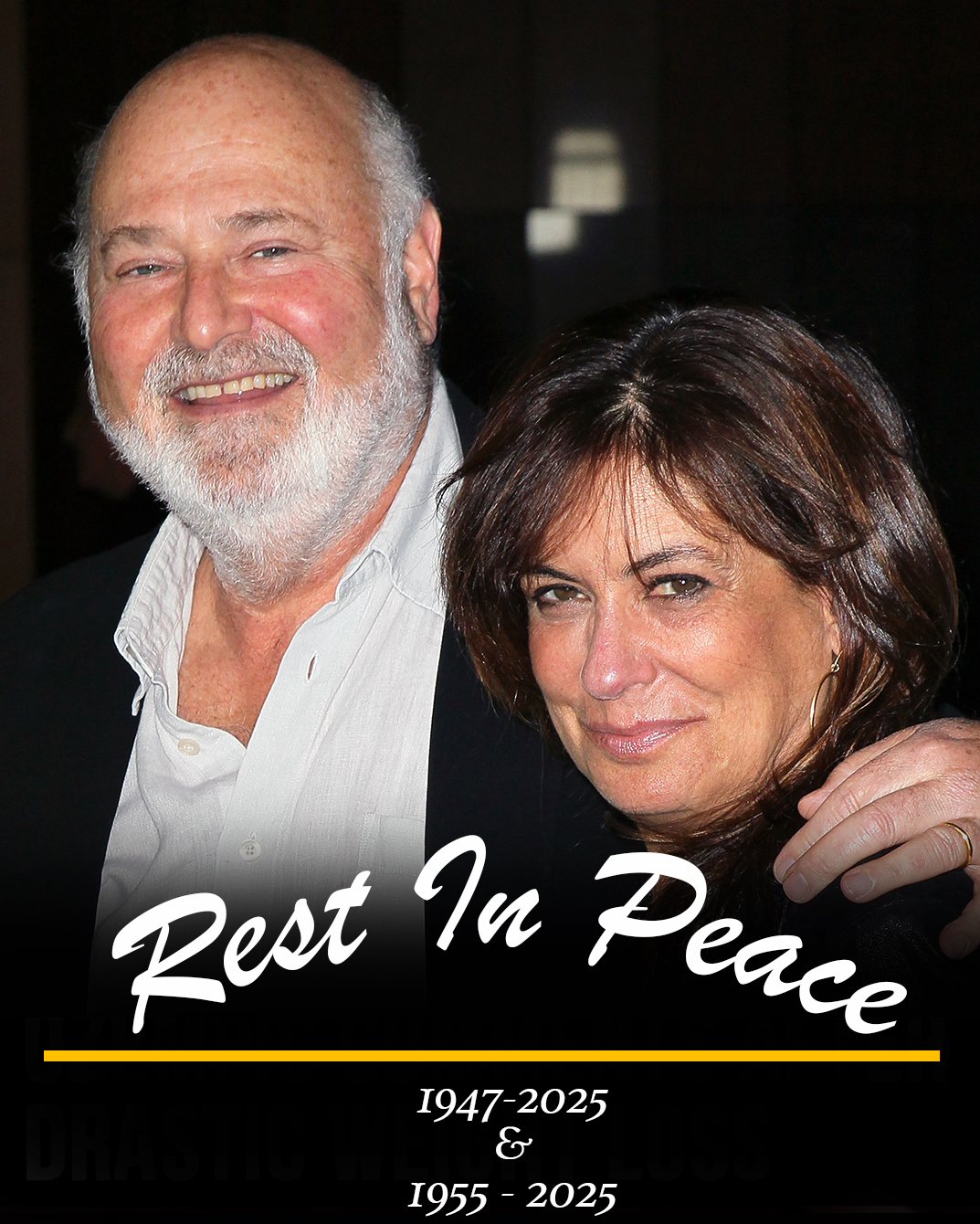
  • Rob Reiner And wife Michele found dead at LA home – wounds consistent with knife!

    Rob Reiner And wife Michele found dead at LA home – wounds consistent with knife!

    Los Angeles woke to shock and disbelief as news broke confirming the deaths of legendary filmmaker Rob Reiner and his wife, Michele Singer Reiner, inside their Brentwood home. Authorities have classified the case as an apparent homicide, marking a devastating and unexpected turn in the lives of a couple long associated with creativity, partnership, and decades of influence in American film and television.

    According to law enforcement officials, Rob Reiner, 78, and Michele Singer Reiner, 68, were found deceased on Sunday afternoon, December 14, 2025. First responders were dispatched to the upscale Brentwood residence shortly after 3:30 p.m. local time following a report requesting medical assistance. When Los Angeles Fire Department personnel and police officers entered the home, they discovered both victims unresponsive. They were pronounced dead at the scene.

    Investigators have confirmed that both Rob and Michele Reiner suffered wounds consistent with knife injuries. The Los Angeles Police Department’s Robbery-Homicide Division has taken over the investigation, underscoring the seriousness and complexity of the case. As of now, no suspect has been publicly identified, no arrests have been announced, and officials have not released information regarding a possible motive. The investigation remains active and ongoing.

    A spokesperson for the Reiner family released a brief statement confirming the deaths and requesting privacy as relatives and close friends grapple with the loss. The announcement sent ripples through Hollywood, where tributes from filmmakers, actors, writers, and fans began pouring in almost immediately. Social media platforms and entertainment news outlets were flooded with messages honoring Reiner’s extraordinary career and expressing sorrow over the violent circumstances surrounding the couple’s deaths.

    Rob Reiner was one of the most influential figures in modern American entertainment. He first became a household name portraying Michael “Meathead” Stivic on the groundbreaking television series All in the Family, a role that placed him at the center of cultural and political conversations in the 1970s. He later transitioned behind the camera, building a directing career that few in Hollywood can rival.

    His filmography includes some of the most enduring titles in cinema history. This Is Spinal Tap redefined satire. Stand by Me captured the fragile intensity of childhood friendship. The Princess Bride became a timeless cultural phenomenon. When Harry Met Sally… reshaped the romantic comedy genre, while A Few Good Men delivered one of the most quoted courtroom dramas of all time. These films continue to generate massive viewership, streaming revenue, and search traffic decades after their release, cementing Reiner’s status as a Hollywood icon.

    Michele Singer Reiner was an accomplished photographer and producer in her own right. Known for her artistic eye and creative sensibility, she maintained a quieter public profile while remaining deeply respected within artistic circles. The couple met during the production of When Harry Met Sally… and married in 1989, building a partnership that spanned more than three decades. Together, they raised three children and were often described by colleagues as deeply devoted, grounded, and supportive of one another.

    Their Brentwood home, located in one of Los Angeles’ most affluent and closely watched neighborhoods, has now become the center of an intensive criminal investigation. Law enforcement sources have not disclosed whether there were signs of forced entry or whether the couple may have known their attacker. Officials have emphasized that all possibilities remain under consideration as forensic teams continue to examine evidence from the scene.

    The violent nature of the deaths has intensified public attention and speculation, though authorities have urged restraint and patience. In high-profile cases involving celebrities, misinformation can spread rapidly, especially across social media and entertainment gossip platforms. Investigators have asked the public to rely solely on verified updates from official channels as they work to establish a clear timeline and identify those responsible.

    The loss of Rob and Michele Reiner resonates far beyond Hollywood. Reiner was not only a filmmaker but also a vocal advocate on social and political issues, frequently engaging in public discourse and civic activism. His work influenced generations of directors and screenwriters, shaping storytelling norms across genres. Michele’s influence, while less visible, was deeply felt among those who knew her, particularly within creative and philanthropic communities.

    Entertainment industry analysts note that Reiner’s legacy is measured not just by box office success or awards, but by cultural endurance. His films remain fixtures in streaming algorithms, film school curricula, and popular culture discussions. The tragic circumstances of his death have reignited conversations about personal security, celebrity safety, and violent crime even in neighborhoods considered among the safest in Los Angeles.

    As the investigation unfolds, fans and colleagues continue to reflect on the couple’s contributions rather than the violence that ended their lives. Memorial posts highlight moments of humor, warmth, and humanity that defined Reiner’s public persona. Many have emphasized that his storytelling consistently centered on empathy, moral complexity, and connection—values that stand in stark contrast to the brutality of his final chapter.

    Officials have not provided a timeline for when additional details may be released, but they confirmed that updates will be shared as soon as verified information becomes available. Until then, the case remains one of the most closely watched breaking news stories in the United States, dominating headlines across national news networks, entertainment media, and online search trends.

    For now, Hollywood mourns the loss of a creative giant and his life partner, while investigators work quietly behind the scenes. Rob Reiner and Michele Singer Reiner leave behind a legacy defined by art, collaboration, and decades of shared life—one that endures despite the tragic and unanswered questions surrounding their deaths.


  • SOTD – Reports here, unbelievable earthquake with large magnitude tsunami warning just!

    SOTD – Reports here, unbelievable earthquake with large magnitude tsunami warning just!

    Late Wednesday night, a powerful earthquake off the southern coast of Alaska sent shockwaves across the region, triggering widespread fear, emergency alerts, and a brief but intense tsunami warning that stretched as far as Hawaii. The massive seismic event, measured at magnitude 8.2, quickly became one of the most closely watched natural disaster stories in the United States, as residents scrambled for safety and experts assessed the potential for catastrophic damage.

    According to the U.S. Geological Survey, the earthquake struck at approximately 10:15 p.m. local time, about 75 miles southeast of Chignik, Alaska. The tremor originated deep beneath the ocean floor, a factor that ultimately limited surface destruction but did little to reduce the terror felt across coastal communities. The Alaska Earthquake Center confirmed that the quake was strongly felt across the Alaska Peninsula and on Kodiak Island, where emergency protocols were immediately activated.

    Within minutes of the quake, tsunami sirens sounded in Kodiak, jolting residents into action. Emergency alerts flashed across mobile phones, warning people to move to higher ground. Families evacuated homes in darkness, some carrying children, others grabbing only what they could reach in seconds. Schools and designated shelters opened their doors as people sought refuge, unsure whether massive waves might soon follow.

    For many, the night unfolded in surreal fragments of fear and uncertainty. At Camp Woody on Woody Island, caretaker Questa Harper was sitting in a rocking chair, winding down after a long day, when she felt something was wrong. The chair seemed to sway unnaturally, not forward and back, but sideways. At first, she thought it was fatigue playing tricks on her. Then her phone lit up with an emergency earthquake alert.

    Camp staff quickly gathered approximately 69 campers, escorting them out of buildings and up a wooden stairway leading to higher elevation. To keep fear from spiraling, they sang together as they climbed into the darkness. Once on the hill, staff brought sleeping bags, water, snacks, fuel, and a generator. With only a few cabins available, many slept outside under a dry, unusually warm night sky, waiting anxiously for the all-clear.

    More than 400 miles away in Cold Bay, another coastal community felt the quake in a different but equally unsettling way. Michael Ashley, the 21-year-old manager of the Cold Bay Lodge, was preparing for bed when the ground beneath him seemed to swell and roll. He later described the sensation as being on a boat riding a wave, an experience that lasted at least a full minute.

    Despite the intensity, panic did not immediately take hold. Earthquakes are a known reality in the Aleutian region, and many residents have lived through multiple seismic events. Ashley carefully secured valuable items, including a collection of rare Japanese glass fishing floats—historic artifacts that often wash ashore and are prized by collectors. One particularly large float had been discovered only recently, and protecting it felt symbolic amid the uncertainty.

    As the night wore on, reports of serious structural damage remained limited. Homes, lodges, and campgrounds shook violently, but there were no immediate reports of collapsed buildings or widespread injuries. The depth of the quake and the sparse population of the region played a crucial role in preventing a larger disaster.

    The event quickly drew comparisons to past seismic milestones in Alaska’s history. In July 2020, a magnitude 7.8 earthquake struck near the same general area, prompting evacuations but causing minimal damage. In 2018, a magnitude 7.0 earthquake rocked Anchorage, buckling roads, cracking buildings, and causing significant infrastructure damage. Alaska remains one of the most seismically active regions on Earth, experiencing tens of thousands of earthquakes each year.

    According to data from the Alaska Earthquake Center, more than 49,000 seismic events were recorded in Alaska and surrounding areas in a single recent year. The region also experienced some of the strongest earthquakes globally, reinforcing its reputation as a geological hotspot. Southern Alaska, stretching from Anchorage to the Aleutian Islands, sits atop a volatile boundary where the Pacific Plate pushes northward and dives beneath the North American Plate.

    Seismologist Stephen Holtkamp explained that this ongoing plate movement builds immense stress along fault lines. When that stress is released, it can result in powerful earthquakes like the one felt Wednesday night. He noted that the earlier July quake may have altered stress patterns, increasing the likelihood of subsequent seismic activity in nearby areas. Aftershocks are expected, and experts continue to monitor the region closely.

    Indeed, the U.S. Geological Survey reported at least two dozen aftershocks in the hours following the main quake. One of the strongest measured magnitude 6.1 and occurred approximately 70 miles southeast of Perryville on the Alaska Peninsula. While smaller than the initial event, such aftershocks can still be dangerous, especially for damaged structures and unstable terrain.

    For roughly two hours, the National Tsunami Warning Center placed southern Alaska, the Alaska Peninsula, and the Aleutian Islands under alert. A tsunami watch was briefly issued for Hawaii, prompting heightened concern across the Pacific. The National Weather Service warned that hazardous tsunami waves were possible, but the alert was canceled just over an hour later after data confirmed that significant wave activity was unlikely.

    Tsunamis are most commonly triggered by large earthquakes beneath or near the ocean floor, where sudden displacement of water sends waves radiating outward across entire ocean basins. These waves can travel at high speeds and strike distant coastlines with little warning, making early detection and rapid communication critical.

    Ultimately, the feared tsunami did not materialize, and authorities lifted all warnings. Relief spread quickly, but the psychological impact lingered. For many residents, the night served as a stark reminder of how fragile normal life can be in seismically active regions.

    The earthquake now ranks among the strongest worldwide since 1990, placing it in a rare category of extreme seismic events. It also rekindled memories of the most powerful earthquake ever recorded in North America: the magnitude 9.2 Great Alaska Earthquake of 1964. That disaster shook the ground for more than four minutes, killed over 125 people, devastated Anchorage, and destroyed much of the state’s early infrastructure.

    While Wednesday’s quake did not approach that level of destruction, it underscored the ongoing risks faced by communities along Alaska’s southern coast. Emergency preparedness, early warning systems, and public awareness once again proved critical in preventing loss of life.

    As aftershocks continue and experts analyze fault behavior, Alaska remains on alert. For those who lived through the night, the experience will not soon be forgotten—a reminder of nature’s immense power, the importance of readiness, and the thin line between disruption and catastrophe in one of the most geologically dynamic places on Earth.

  • Shock! Trumps Condition Has Escalated to! See more

    Shock! Trumps Condition Has Escalated to! See more

    The moment many had speculated about for years finally arrived with undeniable force. Federal prosecutors unveiled sweeping criminal charges against former President Donald Trump, marking one of the most consequential legal developments in modern American political history. The indictment, dense and meticulously constructed, outlines what prosecutors describe as a coordinated effort to overturn a lawful presidential election and undermine the core mechanisms of U.S. democracy.

    According to the charging documents, Trump is accused of engaging in multiple conspiracies that strike at the foundation of constitutional governance. Among the most serious allegations are conspiracy to defraud the United States, obstruction of an official proceeding, and participation in a scheme designed to deprive citizens of rights guaranteed under federal law. Each charge carries profound legal consequences, but taken together, they represent something larger: a direct challenge to the principle that no individual, regardless of power or office, is above the law.

    Prosecutors allege that following his electoral defeat, Trump used his position, influence, and a network of allies to pursue an aggressive strategy aimed at retaining power. The indictment paints a detailed picture of pressure campaigns directed at state officials, attempts to disrupt congressional certification of electoral votes, and the deliberate promotion of false claims intended to sow confusion and distrust among millions of voters. These actions, prosecutors argue, were not isolated misjudgments but part of a sustained and calculated effort.

    The narrative laid out by federal investigators is stark. It describes a former president allegedly leveraging misinformation to fracture public trust, exploit institutional weaknesses, and push the boundaries of executive authority beyond anything previously tested in U.S. history. Legal experts note that the scope of the case places it among the most significant federal prosecutions ever brought against a political figure, rivaling moments that reshaped public faith in government itself.

    Trump’s legal team responded swiftly and forcefully. They characterized the indictment as a politically motivated attack and accused the Justice Department of weaponizing the legal system to damage a leading political rival. In public statements and fundraising messages, Trump portrayed himself as the victim of partisan persecution, vowing to fight every charge and insisting that his actions were lawful, justified, and protected by presidential authority.

    That defense strategy is expected to play out both inside and outside the courtroom. Analysts anticipate an aggressive legal battle involving constitutional arguments, executive privilege claims, and challenges to prosecutorial authority. At the same time, Trump’s political allies have amplified his narrative across conservative media platforms, framing the case as an existential threat not just to him, but to millions of Americans who support him.

    Beyond the legal maneuvering, the indictment has triggered a broader national reckoning. The central question extends far beyond Trump’s personal fate: what happens to a democracy if a president can allegedly orchestrate efforts to overturn an election without accountability? For scholars of constitutional law and democratic governance, the case represents a stress test of the system itself.

    Financial markets, political institutions, and global observers are watching closely. The United States has long positioned itself as a standard-bearer for democratic norms, rule of law, and peaceful transitions of power. A criminal trial involving a former commander in chief, particularly one centered on election interference and abuse of power, places those ideals under unprecedented scrutiny.

    Public reaction has been deeply polarized. Supporters of the prosecution argue that the charges affirm a commitment to accountability and democratic resilience. Critics warn of dangerous precedents, fearing that criminalizing political disputes could deepen divisions and destabilize governance. The debate has dominated cable news, online platforms, and search trends, with terms related to federal indictment, election interference, and constitutional crisis surging across the digital landscape.

    Legal analysts emphasize that the burden of proof will be high. Prosecutors must demonstrate not only that Trump’s actions were improper, but that they met the legal thresholds required for criminal conviction. Intent, coordination, and causation will be central issues, examined through documents, testimony, and recorded communications. The process is expected to be lengthy, complex, and fiercely contested.

    The timing of the case adds another layer of complexity. With a presidential election cycle underway, the intersection of criminal proceedings and electoral politics raises questions about campaign strategy, voter perception, and institutional neutrality. Courts will be tasked with balancing the defendant’s rights, the public’s interest in transparency, and the imperative to avoid undue influence on democratic processes.

    Internationally, the indictment has reverberated across diplomatic and political circles. Allies and adversaries alike are assessing what the case signals about American stability and the durability of its institutions. In many countries, prosecutions of former leaders have been flashpoints for unrest or reform. In the United States, the outcome may redefine how power is constrained long after officeholders leave the White House.

    At its core, this case is not just about one man or one election. It is about the mechanisms designed to prevent the concentration of unchecked power. It is about whether democratic systems can withstand internal pressure when tested by those who once led them. The trial will examine not only evidence and statutes, but the collective commitment to constitutional boundaries.

    Trump’s supporters see a leader fighting back against what they view as systemic bias. His critics see a long-overdue confrontation with accountability. Between those poles lies a nation grappling with trust, legitimacy, and the meaning of self-government in an era of extreme polarization.

    Whatever the verdict, the consequences will extend far beyond the courtroom. Legal precedents may be set. Political strategies may be reshaped. Public confidence in institutions may either fracture further or begin a slow process of repair. The indictment ensures that the coming months will be defined by intense legal drama, constitutional debate, and historical significance.

    This is not merely another headline in an endless news cycle. It is a defining moment that will test the resilience of American democracy, the independence of its justice system, and the principle that power is ultimately constrained by law. The outcome will help determine not only Donald Trump’s future, but the contours of accountability for generations to come.

  • The Zodiac Signs Most Likely to Experience Psychic Dreams! Is Yours One of Them?

    The Zodiac Signs Most Likely to Experience Psychic Dreams! Is Yours One of Them?

    Have you ever woken from a dream with your heart racing, certain that what you saw meant more than imagination? Some dreams linger long after morning light, carrying emotions, symbols, or scenes that feel unsettlingly real. Across cultures and centuries, dreams have been viewed as gateways to the subconscious, spiritual messages, or even glimpses of future events. In modern astrology and dream interpretation, many believe that certain zodiac signs are naturally more attuned to this hidden realm.

    Astrologers often point out that while anyone can experience vivid or prophetic dreams, some people seem especially gifted at it. These individuals report dreams that foreshadow events, reveal emotional truths, or offer guidance that later proves accurate. Patterns emerge when these experiences are compared, and they often align with specific zodiac signs known for intuition, emotional depth, or visionary thinking.

    Here are the zodiac signs most closely associated with psychic dreams, spiritual visions, and premonitions during sleep, and why their connection to the dream world runs so deep.

    Pisces, born between February 19 and March 20, is widely regarded as the most spiritually receptive sign of the zodiac. Ruled by Neptune, the planet linked to dreams, illusion, and higher consciousness, Pisces individuals often feel as though the boundary between waking life and the subconscious is thin. They are deeply intuitive, emotionally sensitive, and naturally open to subtle energies.

    Many Pisces describe dreams that are vivid, symbolic, and emotionally intense. These are not fleeting fragments but detailed narratives filled with water imagery, shifting landscapes, and powerful feelings. A Pisces may dream of an emotional event before it happens or experience strong déjà vu tied directly to scenes they once saw in sleep. Their dreams often feel like psychic downloads, carrying messages about relationships, personal transformation, or collective energy.

    For Pisces, sleep becomes a spiritual experience rather than simple rest. Dreams serve as tools for emotional healing, intuitive development, and even prophetic insight. This sign’s natural empathy allows them to tap into not only their own subconscious, but the emotional undercurrents of others as well.

    Cancer, born between June 21 and July 22, is ruled by the Moon, the celestial body most associated with intuition, emotions, and the dream cycle. Lunar influence gives Cancer an extraordinary emotional memory and sensitivity, making their dream world rich with meaning. Cancers often dream about family, home, and past experiences, but these dreams frequently carry warnings or emotional foresight.

    A Cancer may dream of tension or separation shortly before a relationship changes, or feel unease in a dream that later aligns with real-life news involving a loved one. Their psychic dreams are often subtle rather than dramatic, encoded through emotional symbolism instead of direct imagery.

    What makes Cancer unique is how closely their dreams mirror their emotional reality. Their subconscious acts like an internal compass, guiding them away from emotional danger and toward security. For this reason, dream journaling can be especially powerful for Cancer signs, helping them decode intuitive signals that surface while they sleep.

    Scorpio, born between October 23 and November 21, has a reputation for intensity, secrecy, and emotional depth. Ruled by Pluto, the planet of transformation, death, and rebirth, Scorpio’s connection to the unconscious mind is profound. Their dreams are often dark, symbolic, and disturbingly accurate.

    Scorpios are known for experiencing prophetic dreams that reveal betrayal, illness, or major life changes before they occur. They may dream of someone they haven’t thought about in years, only to receive news involving that person shortly afterward. These dreams are rarely random. They arrive with force and clarity, often leaving Scorpio unsettled long before reality confirms the message.

    Unlike other signs, Scorpio tends to keep these visions private. They trust their instincts but rarely share them until events unfold. Their dreams act as a form of emotional intelligence, allowing them to prepare for change, protect themselves, and navigate life’s hidden currents.

    Aquarius, born between January 20 and February 18, is often associated with logic, innovation, and forward-thinking ideas. Yet beneath this rational exterior lies a powerful intuitive channel. Ruled by Uranus, the planet of sudden insight, awakening, and future vision, Aquarius often receives information in flashes, especially during sleep.

    Aquarian dreams frequently involve large-scale themes such as social change, technology, global events, or abstract concepts. Some Aquarians report dreaming about news events, cultural shifts, or breakthroughs before they appear in headlines. While they may not frame these dreams as mystical, the accuracy can be striking.

    Aquarius processes intuition intellectually. Their psychic dreams may arrive as symbols, patterns, or complete ideas rather than emotional experiences. They often wake with clarity, insight, or a sense that something significant is approaching. For Aquarius, dreams are a source of innovation and foresight, bridging intuition and intellect.

    Sagittarius, born between November 22 and December 21, is ruled by Jupiter, the planet of expansion, wisdom, and spiritual growth. Known as the explorer of the zodiac, Sagittarius seeks meaning in all forms, including dreams. Their dream life is often visionary, philosophical, and deeply symbolic.

    Sagittarians frequently experience dreams that guide them toward new paths, careers, or locations. They may dream of travel, teaching, or personal evolution long before real-life opportunities arise. Some report lucid dreams, spiritual encounters, or out-of-body sensations, particularly during periods of transition.

    Rather than predicting specific events, Sagittarius dreams often illuminate purpose. They offer insight into direction, destiny, and personal truth. These dreams don’t fade upon waking; they inspire action, encouraging Sagittarius to pursue growth and authenticity in the waking world.

    The connection between these signs and psychic dreams is not random. Pisces, Cancer, and Scorpio are water signs, deeply emotional and intuitive by nature. Their subconscious minds are highly active, making them receptive to symbolic messages and emotional foresight. Aquarius and Sagittarius, though not water signs, possess expansive, future-oriented minds that remain open to abstract and spiritual insight.

    This openness is key. Psychic dreams often arise when the mind is willing to listen rather than control. While anyone can experience prophetic dreams, these zodiac signs are more likely to encounter them frequently and interpret them meaningfully.

    For those who suspect their dreams carry deeper messages, simple practices can enhance awareness. Writing dreams down immediately upon waking preserves details. Noticing recurring symbols helps uncover personal meaning. Paying attention to emotional tone often reveals more than imagery itself. Most importantly, trusting intuition allows dream insight to integrate into daily life.

    Dreams that feel unusually real, emotionally charged, or persistent are rarely meaningless. They are reflections of the subconscious communicating in its native language. For some, guided by astrology and intuition, these nighttime visions are not just dreams, but messages waiting to be understood.

    If you belong to one of these zodiac signs, it may not be coincidence that your dreams feel different. They may be one of your most powerful tools for insight, awareness, and spiritual connection.

  • City Orders Restaurant To Remove Flags Honoring Fallen Heroes, Owner Refuses SEE IT BELOW!

    City Orders Restaurant To Remove Flags Honoring Fallen Heroes, Owner Refuses SEE IT BELOW!

    What began as a routine zoning dispute has turned a quiet corner of Grand Rapids into a national conversation about patriotism, civic authority, and the limits of remembrance. At the center of the controversy is local restaurant owner Johnny Brann, whose decision to display large American flags and a memorial honoring fallen service members has drawn a formal order from the city demanding their removal. Brann has refused—and in doing so, has ignited a debate that reaches far beyond municipal code.

    For Brann, the flags and memorial are not marketing tools or political statements. They are personal. They represent sacrifice, loss, and a promise that the men and women who died in uniform will not fade into anonymity. The display, which includes towering flags visible from the roadway and signage dedicated to fallen heroes, has stood outside his restaurant as a quiet but unmistakable tribute. Customers stop to read it. Veterans pause. Families take photos. For many, it is a rare public acknowledgment of service in a world that often moves on too quickly.

    City officials see it differently. According to Grand Rapids zoning regulations, the size and placement of the flags and signage violate local ordinances. Enforcement officials argue that allowing one business to bypass these rules sets a precedent that undermines the city’s ability to regulate signage consistently. From their perspective, the issue is not the message, but the method. Laws, they insist, must apply equally, regardless of intent.

    That distinction has done little to cool public reaction. Supporters of Brann argue that reducing a memorial to a zoning infraction strips it of context and humanity. They see the order as an example of bureaucratic overreach, where rigid enforcement ignores the emotional and cultural weight of honoring military service. Critics of the city’s decision say it reflects a growing disconnect between local government and the values of the community it serves.

    Brann has made it clear that he is not refusing to engage with the legal process. He has stated his intention to file for a zoning variance, attend hearings, and comply with procedural requirements. But he has also drawn a firm line. No citation, fine, or administrative order, he says, will compel him to remove a tribute rooted in gratitude and grief. The memorial will stay while the process unfolds.

    That stance has transformed the dispute into something larger than a compliance issue. It has become a test of how communities balance rule of law with moral conviction. Supporters have rallied online and in person, framing the situation as a clash between patriotism and paperwork. Social media posts featuring images of the flags have circulated widely, driving national attention and search traffic around phrases like “fallen heroes memorial,” “First Amendment rights,” and “city zoning controversy.”

    Legal experts note that cases like this often hinge on narrow technical details—flag height limits, setback requirements, signage classifications. Yet they also acknowledge that public pressure can influence how aggressively a city chooses to enforce or interpret its codes. Variances exist precisely for situations that fall outside ordinary circumstances, and Brann’s attorneys are expected to argue that the memorial serves a unique civic and cultural function.

    Veterans’ groups have weighed in as well, some expressing disappointment that a memorial honoring the fallen would face removal at all. Others emphasize that remembrance should unite rather than divide, urging compromise rather than confrontation. The debate has spilled into city council meetings, local radio shows, and opinion columns, each framing the issue through a different lens—constitutional rights, municipal authority, community values.

    For city officials, the challenge is equally complex. Backing down risks accusations of selective enforcement and favoritism. Pressing forward risks appearing indifferent to the symbolism of military sacrifice. The longer the standoff continues, the more it forces the city to articulate why its rules matter and how they can coexist with deeply held public sentiment.

    What makes this case resonate is its emotional clarity. Brann is not asking for tax breaks or special treatment. He is asking to keep visible symbols that say, simply, that some sacrifices should never be forgotten. In an era where public memory often feels fleeting, the flags stand as a physical reminder of permanence.

    The question now confronting Grand Rapids is not just whether the memorial complies with code, but what message its removal would send. Would enforcing the rule affirm fairness and order, or would it signal that remembrance has limits defined by paperwork? Conversely, would granting an exception honor community values, or erode the authority of local governance?

    As hearings approach and legal filings move forward, the flags remain in place, fluttering above the restaurant and the debate alike. Customers continue to dine beneath them. Passersby continue to stop. And the city continues to deliberate.

    In refusing to quietly comply, Johnny Brann has forced a reckoning that many municipalities eventually face: when law and legacy collide, which one gives way? The answer will shape not only the outcome of this dispute, but how Grand Rapids defines the space between regulation and respect.

  • UPDATE – Museum issues response after mom claims she saw sons skinned body displayed!

    UPDATE – Museum issues response after mom claims she saw sons skinned body displayed!

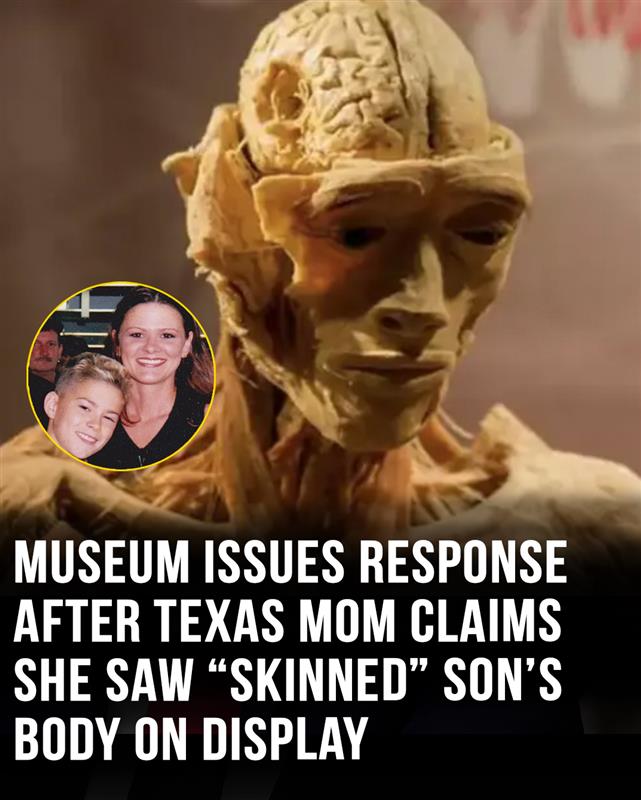
    A Las Vegas anatomy museum has issued a firm response to renewed and deeply disturbing allegations from a Texas mother who believes one of its plastinated human displays is actually the body of her deceased son. The claim, which has circulated online for years and recently resurfaced across social media and alternative news platforms, has reopened an emotional and unresolved chapter surrounding a death she has never been able to accept.

    Kim Erick maintains that her son, Chris Todd Erick, who died in 2012 at the age of 23, was not cremated as she was told and that his remains were instead used without consent in the Real Bodies anatomy exhibition. Her belief centers on a plastinated cadaver known as “The Thinker,” a seated, skinless human figure that was displayed for years in Las Vegas and other cities as part of the popular educational exhibit.

    Chris was found dead in his bed at his grandmother’s home in Midlothian, Texas, approximately 30 miles south of Dallas. Authorities informed Kim that her son had died in his sleep after suffering two heart attacks, allegedly caused by an undiagnosed congenital heart condition. In the days following his death, while Kim says she was still in shock and struggling to process what had happened, Chris’s father and grandmother arranged for his cremation. She was later given a necklace containing ashes she was told belonged to her son.

    Almost immediately, Kim began to question the official narrative. Her doubts intensified when she eventually obtained police photographs from the scene. According to her, the images showed injuries she says were never explained to her by investigators: bruising, marks across his chest and abdomen, and what she interpreted as signs of restraint or prolonged suffering.

    In an emotional post shared on social media, Kim wrote that “something very bad happened in that room,” claiming she believed her son had been harmed in the days leading up to his death. She alleged that Chris may have been “tortured for two days” before he died. Despite her assertions, a homicide investigation conducted in 2014 concluded there was no evidence of foul play. The medical examiner’s findings and police reports upheld the original ruling, leaving Kim devastated and unconvinced.

    Unable to reconcile the official explanations with what she believed she had seen, Kim began years of independent research. In 2018, she visited the Real Bodies exhibition, a well-known traveling anatomy display that features plastinated human cadavers preserved using a scientific process designed for medical education. It was there, she says, that her suspicions crystallized.

    One particular specimen stopped her cold. The figure known as “The Thinker” bore what Kim believed to be a distinctive skull fracture on the right temple—an injury she says matched medical documentation related to Chris. She also claimed that an area of skin where her son had a tattoo appeared to have been cleanly removed, something she interpreted as intentional concealment of identifying marks.

    Standing in front of the display, Kim later described the experience as overwhelming and traumatic, saying she felt as though she was looking directly at her son’s dissected body. The moment reignited her grief and propelled her into a public campaign for answers, accountability, and forensic verification.

    Kim demanded that the exhibition allow independent DNA testing of the specimen. The request was denied. Organizers of Real Bodies stated unequivocally that the cadaver had no connection to Chris Erick and that such testing was neither warranted nor feasible. The exhibition’s owner, Imagine Exhibitions, Inc., released a detailed statement through fact-checking outlet Lead Stories, expressing sympathy for Kim’s loss but categorically rejecting her claims.

    According to the company, all specimens used in the Real Bodies exhibition were legally acquired overseas, primarily in China, through documented and regulated processes that complied with international standards at the time. The company stated that “The Thinker” had been part of the collection for more than two decades and had been publicly displayed in Las Vegas since at least 2004—eight years before Chris’s death.

    Archived photographs of the specimen from years prior to 2012 were published to support the timeline, and experts noted that plastination is an extensive scientific procedure that can take many months to complete, making Kim’s theory incompatible with established records. Imagine Exhibitions also emphasized that plastinated specimens are biologically anonymized, with no identifying DNA available for comparison.

    Despite these explanations, Kim’s distrust deepened when “The Thinker” was quietly removed from the Las Vegas exhibit not long after her allegations gained traction online. She later learned the specimen had reportedly been transferred to Union City, Tennessee, but said she was eventually unable to track its location. To her, the removal felt suspicious rather than routine.

    For Kim, the issue goes far beyond a single exhibit. She has repeatedly stated that her fight is about dignity, transparency, and a mother’s right to know what truly happened to her child. “Chris was never abandoned in life,” she has said, “and I won’t allow him to be abandoned in death.”

    In July 2023, the discovery of more than 300 piles of unidentified cremated human remains in the Nevada desert reignited her fears. Although authorities did not link the remains to any museum or exhibition, Kim publicly called for advanced forensic analysis, including testing for chemicals associated with plastination, to rule out any broader mishandling of human remains.

    Experts and investigators continue to stand by the documented evidence, insisting there is no factual basis for Kim’s claims. Museum officials stress that misinformation surrounding anatomy exhibitions has fueled unnecessary fear and confusion, while acknowledging the profound grief driving Kim’s actions.

    The story has become a viral and polarizing case study at the intersection of grief, forensic science, ethical sourcing of human remains, and public trust in institutions. Online searches related to “Real Bodies exhibit controversy,” “plastinated human cadavers,” “museum ethics,” and “unidentified human remains investigation” have surged as the debate continues.

    Yet for Kim Erick, statistics, timelines, and official statements have never been enough. Her search for answers persists, sustained by loss, conviction, and a refusal to let her son’s story end without what she believes is the full truth. Whether her claims are ultimately remembered as tragic misunderstanding or unresolved mystery, they underscore the enduring power of grief—and the lengths to which a parent will go when closure feels just out of reach.

  • Cannot put one over on a nurse!

    Cannot put one over on a nurse!

    You really can’t put one over on a nurse—especially one who knows how to hold a grudge and has access to medical-grade tape.

    The motorcycle patrolman learned that lesson the hard way.

    It started innocently enough. He was rushed into the hospital late one night with a raging case of appendicitis. Sirens, flashing lights, concerned doctors—the whole emergency-room drama. Surgery went smoothly, the appendix came out, and the medical team assured him everything had gone perfectly. Textbook procedure. No complications. Recovery should be quick.

    But the next morning, something felt… off.

    It wasn’t pain. It wasn’t nausea. It was a strange, persistent sensation across his chest, like something was tugging at him every time he shifted in bed. A faint pulling, almost like someone was messing with his chest hair.

    At first, he ignored it. Post-surgery discomfort, he figured. Hospitals are full of weird sensations. But as the hours passed, the pulling didn’t stop. It got worse. Every breath, every movement, it felt like his chest hairs were being gently but relentlessly yanked.

    His mind started racing.

    Had the doctors done another procedure without telling him? Was there some experimental medical device involved? A hidden complication no one had explained? He imagined worst-case scenarios—internal monitors, unexpected stitches, maybe something had gone terribly wrong.

    Finally, curiosity and anxiety won out.

    With some effort, he pulled his hospital gown down just far enough to see what was going on.

    That’s when he froze.

    Firmly taped across his very hairy chest were three wide strips of industrial-strength adhesive tape. The kind that laughs at soap, water, and human dignity. And written across the tape in bold, black marker were the words:

    “GET WELL QUICK… FROM THE NURSE YOU GAVE A TICKET TO LAST WEEK.”

    The realization hit harder than the anesthesia ever had.

    A week earlier, he’d pulled over a speeding car near the hospital. The driver—a nurse finishing a brutal shift—had begged for a break. He didn’t budge. Ticket written. No mercy.

    Nurses, it turns out, have long memories.

    And access.

    The laughter echoing from the nurses’ station when he rang the call button confirmed everything. Justice, medical-style, had been served.

    But if that story proves you should never underestimate a nurse, the next one proves you should never underestimate an old man—especially one who’s bored.

    In a quiet rural town, a retired farmer found himself with too much time on his hands. After decades of waking up before dawn, tending land, and working until his bones ached, retirement felt less like freedom and more like slow torture.

    So he opened a medical clinic.

    No medical degree. No modern equipment. Just a sign nailed to the door that read:

    “GET TREATED FOR $500 — IF NOT CURED, GET $1,000 BACK.”

    The sign alone caused a stir. Locals whispered. Doctors scoffed. One young physician in particular—Dr. Young—was absolutely convinced the old geezer was running a scam.

    And Dr. Young saw opportunity.

    Confident in his medical training and certain the old man was a fraud, he decided to pay the clinic a visit and walk out $1,000 richer.

    Dr. Young entered the clinic with a smug smile.

    “I’ve lost my sense of taste,” he announced. “Nothing tastes like anything anymore.”

    The old man didn’t even blink.

    “Nurse,” he said calmly, “bring the medicine from box twenty-two. Three drops in the patient’s mouth.”

    The nurse obeyed.

    The moment the liquid touched Dr. Young’s tongue, he recoiled.

    “AAAGH! That’s gasoline!”

    The old man smiled. “Congratulations. You’ve got your taste back. That’ll be five hundred dollars.”

    Dr. Young paid, furious but determined.

    A few days later, he returned.

    “This time,” he said, “I’ve lost my memory. I can’t remember anything.”

    The old man nodded thoughtfully.

    “Nurse, medicine from box twenty-two. Three drops.”

    Dr. Young jumped back. “Oh no you don’t! That’s gasoline!”

    The old man clapped his hands together. “Congratulations! Your memory is back. Five hundred dollars.”

    Now down a thousand dollars, Dr. Young stormed out, humiliated. But his ego wouldn’t let it go. He had to win.

    Several days later, he returned for one final attempt.

    “My eyesight is failing,” he announced dramatically. “I can barely see.”

    The old man frowned. “Hmm. That’s unfortunate. I don’t have medicine for that.” He reached into a drawer and handed over some cash. “Here’s your one thousand dollars back.”

    Dr. Young smiled—until he counted it.

    “This is only five hundred dollars!”

    The old man leaned back, grinning. “Congratulations! Your vision is back. That’ll be five hundred.”

    The nurse nearly choked trying not to laugh.

    Sometimes wisdom doesn’t come from textbooks, and revenge doesn’t come from shouting. Sometimes it comes from patience, timing, and knowing exactly when to smile.

    Between the nurse with the marker and the old farmer with the fake clinic, one truth stands out clearly: experience beats arrogance every time. You can have authority, education, and confidence—but underestimate the wrong person, and you’ll pay for it.

    Usually in cash.

    Sometimes with tape.

    And always with your pride.

  • URGENT! A few hours ago a big fire broke out in M! See more

    URGENT! A few hours ago a big fire broke out in M! See more

    A major fire erupted just hours ago, sending thick plumes of smoke into the sky and plunging an entire section of the city into fear, confusion, and urgent evacuation. What began as a routine day quickly transformed into a full-scale emergency as flames tore through buildings and firefighters raced against time to prevent the blaze from spreading further.

    According to initial reports, the fire broke out in the heart of a densely populated area, prompting immediate response from local fire departments, police units, and emergency medical services. Sirens echoed through surrounding neighborhoods as crews arrived within minutes, battling intense heat and rapidly shifting flames. Witnesses described scenes of chaos as residents fled nearby buildings, some carrying children, pets, and whatever belongings they could grab in seconds.

    Eyewitness accounts paint a dramatic picture. Several residents reported hearing loud popping sounds, followed by a sudden rush of smoke that filled streets and alleyways. Within moments, visibility dropped, and panic set in. People were seen covering their faces, shouting warnings to neighbors, and guiding elderly residents to safety as authorities blocked off major roads to allow emergency vehicles unobstructed access.

    Fire officials confirmed that multiple properties were affected, including both residential and commercial structures. While the full scope of the damage is still being assessed, early indications suggest that the fire spread rapidly due to a combination of strong winds, closely packed buildings, and highly flammable materials inside the initial structure. Crews worked tirelessly to contain the blaze, deploying aerial ladders, high-pressure hoses, and specialized equipment to reach upper floors and prevent roof collapses.

    Emergency responders established a safety perimeter as a precaution, urging residents to stay clear of the affected zone. Temporary shelters were opened for those displaced, and medical teams remained on standby to treat smoke inhalation and minor injuries. As of the latest update, authorities have not confirmed any fatalities, though several individuals were reportedly evaluated by paramedics at the scene.

    The cause of the fire remains under active investigation. Preliminary information suggests it may have originated inside a commercial building, but officials emphasized that no conclusions will be drawn until forensic fire investigators complete a thorough examination. Electrical faults, equipment malfunction, or human error have not been ruled out. Authorities are urging the public to avoid speculation and rely only on verified updates from official sources.

    As the firefighting operation continued, the scale of coordination became evident. Fire crews worked alongside police to manage crowd control and traffic diversions, while utility companies were called in to shut off gas and electricity in surrounding blocks to reduce the risk of explosions. Drones were reportedly used to assess hot spots from above, helping commanders make real-time decisions in an evolving emergency.

    Social media quickly filled with videos, photos, and live updates from people on the ground. Clips showing towering flames and thick black smoke spread rapidly across platforms, driving massive online engagement and making the incident trend in breaking news searches. Hashtags related to the fire surged as residents sought information, shared evacuation alerts, and checked on loved ones.

    Local news stations interrupted regular programming to provide continuous coverage, with helicopters capturing aerial footage of the blaze and reporters relaying updates from emergency briefings. Online news websites experienced traffic spikes as readers searched for real-time developments, safety instructions, and information about road closures and shelter locations.

    Safety officials used the moment to remind residents of the importance of fire preparedness. They urged people to maintain working smoke detectors, have evacuation plans, and follow instructions from emergency services without delay. Fire experts noted that fast response and community cooperation likely prevented a far worse outcome.

    As the flames were gradually brought under control, crews began the painstaking process of overhaul—searching for hidden embers, reinforcing weakened structures, and ensuring the fire would not reignite. Investigators cordoned off the origin point, marking the beginning of what could be a lengthy review to determine accountability and prevent future incidents.

    For many residents, the emotional impact may linger long after the smoke clears. Fires of this magnitude leave more than physical damage; they disrupt lives, displace families, and leave communities grappling with uncertainty. Local officials acknowledged this, stating that recovery efforts would focus not only on rebuilding structures but also on supporting affected individuals through emergency assistance and community resources.

    This incident serves as a stark reminder of how quickly normal life can be interrupted by disaster. In a matter of hours, routine streets became emergency zones, and ordinary buildings became battlegrounds between fire and rescue crews. The response showcased the dedication of first responders who placed themselves in danger to protect others.

    Authorities have promised continued updates as more information becomes available. Residents are advised to monitor official announcements, avoid restricted areas, and seek assistance if they have been displaced or affected by the fire.

    As the city begins to assess the damage and recover from the shock, attention remains fixed on the bravery of emergency personnel and the resilience of the community. While questions remain about how the fire started and the full cost of its destruction, one thing is already clear: rapid response and collective action prevented an even greater tragedy.

  • Epsteins Ex-Attorney Reveals Two Democrats On The Epstein List!

    Epsteins Ex-Attorney Reveals Two Democrats On The Epstein List!

    Alan Dershowitz’s latest remarks have reopened one of the most volatile fault lines in modern American politics: the unresolved legacy of Jeffrey Epstein and the dangerous space between accountability and defamation. What he describes is not a list carved in legal stone, but a shadowed landscape of sealed interviews, redacted documents, and names that appear in allegations without ever having been tested in court. In that space, the line between transparency and reputational destruction grows perilously thin.

    According to Dershowitz, who once represented Epstein and later became a central figure in the fallout from the case, FBI interviews conducted with Epstein victims include references to numerous high-profile individuals. Some of those names, he says, belong to prominent Democrats. His comments immediately reignited public interest in what has come to be known as the “Epstein list,” a phrase that has taken on a life of its own in digital media, political discourse, and online speculation.

    Yet the reality is far more complex than viral headlines suggest. Being named in an interview, affidavit, or victim account does not equate to criminal guilt. In many cases, individuals are mentioned secondhand, in passing, or based on hearsay rather than direct accusation. Still, once a name enters the public bloodstream—especially in connection with Epstein—it can be nearly impossible to separate implication from proof.

    Figures such as former Senate Majority Leader George Mitchell, former New Mexico Governor Bill Richardson, former Israeli Prime Minister Ehud Barak, and others occupy this uneasy middle ground. Their names have surfaced in various contexts related to Epstein, yet none has been convicted or formally charged in connection with his crimes. Some have issued categorical denials. Others have acknowledged limited contact while rejecting any suggestion of wrongdoing. Legally, they remain unproven. Publicly, they remain under a cloud.

    Dershowitz’s own history illustrates how destructive that ambiguity can be. He was directly accused by Virginia Giuffre, one of Epstein’s most well-known accusers, who claimed he had engaged in sexual misconduct. After years of litigation and public scrutiny, Giuffre formally withdrew her allegations against him. No court ever found Dershowitz liable. The accusation collapsed—but not before inflicting immense personal and professional damage.

    That episode alone serves as a cautionary tale about the power of accusation in an era of instant information and permanent digital records. Even when claims are retracted, the initial allegation often remains more visible than the correction. Search engines, social media algorithms, and partisan commentary do not easily forget.

    Another example underscores the risk even more starkly. Sarah Ransome, an Epstein accuser, later admitted that she fabricated some of her most explosive allegations. She acknowledged that claims involving figures such as Bill Clinton, Donald Trump, and Richard Branson were not true. Yet those statements, despite being admitted falsehoods, remain embedded in legal filings, media archives, and online databases. They continue to resurface, stripped of context, as if confession never occurred.

    This is the paradox at the heart of the Epstein files. On one hand, there is a legitimate and urgent demand for transparency. Epstein’s crimes were real, systematic, and protected for years by wealth, influence, and institutional failure. Victims deserve justice, and the public has a right to know who enabled, ignored, or participated in abuse. On the other hand, releasing unfiltered material—especially allegations never tested in court—risks destroying innocent lives alongside guilty ones.

    That tension has intensified with renewed calls to unseal Epstein-related documents. A presidential order directing federal agencies to review and potentially release additional files has added urgency to the debate. Supporters argue that sunlight is the only way to dismantle elite impunity. Critics warn that mass disclosure without careful vetting could weaponize unproven claims and turn due process into collateral damage.

    Legal experts emphasize that investigative files are not verdicts. FBI interviews, victim statements, and affidavits often include uncorroborated information gathered precisely so investigators can sort fact from fiction. When those materials are released without context, the public may interpret inclusion as guilt, even when the justice system never reached that conclusion.

    The political implications are enormous. In a polarized environment where accusations are readily used as weapons, selective leaks or misleading narratives can shape elections, careers, and public trust. High-profile names—especially those associated with power, wealth, or influence—become symbols rather than individuals, judged not by evidence but by proximity.

    Dershowitz’s warning is not a defense of secrecy for its own sake. It is a reminder that truth-seeking requires discipline, not just exposure. Transparency without precision can become another form of injustice. The Epstein case has already demonstrated how institutions failed victims for years; repeating that failure by abandoning standards of proof would only compound the harm.

    There is also a deeper cultural question at play. Can a society conditioned by outrage cycles, click-driven media, and algorithmic amplification handle nuance? Can it distinguish between accusation and adjudication, between being named and being proven guilty? Or has the very concept of due process become too slow, too restrained, for a digital age that demands instant moral clarity?

    For victims, the stakes are equally high. Some fear that reckless disclosure could discredit legitimate claims by mixing them with admitted falsehoods. Others worry that continued secrecy protects powerful abusers. Both concerns are valid, and neither is easily resolved.

    What emerges from the Epstein saga is not a simple battle between exposure and cover-up, but a test of whether democratic institutions—and the public itself—can uphold justice without surrendering to spectacle. Accountability must be real, evidence-based, and fair. Anything less risks replacing one kind of abuse with another.

    As Epstein-related documents continue to be debated, reviewed, and potentially released, the country stands at a crossroads. It can demand truth while respecting the presumption of innocence, or it can allow suspicion to become sentence. The difference will define not only how this case is remembered, but how future reckonings with power and abuse are handled.

    The Epstein story is far from over. But if it is to end in justice rather than chaos, it will require something increasingly rare: patience, precision, and the courage to protect both victims and the innocent at the same time.

  • My Husband Received a Christmas Gift from His First Love – After He Opened It in Front of Us, Our Life Changed Forever!

    My Husband Received a Christmas Gift from His First Love – After He Opened It in Front of Us, Our Life Changed Forever!

    Christmas morning used to feel like a protected space in our home, sealed off from surprises and pain. It was always the same comforting rhythm: soft holiday music humming through the living room, cinnamon rolls rising in the oven, our daughter padding across the floor in fuzzy socks, believing—by choice, not innocence—in the magic of Christmas. Predictable. Safe. I thought that was what a happy marriage looked like.

    I didn’t know how fragile that sense of certainty really was.

    My husband Greg and I had been married for twelve years, together for even longer. We weren’t flashy people, not prone to drama or grand gestures. Our life was built on quiet routines: shared coffee cups in the morning, school drop-offs, work emails at night, Sunday breakfasts that stretched into lazy afternoons. We had one child, Lila, eleven years old, thoughtful and observant in a way that sometimes startled me. That year, her note to Santa read, “Thank you for trying so hard.” I cried alone in the kitchen when I found it.

    A week before Christmas, a small package arrived in the mail. Cream-colored paper. Heavy stock. Elegant, deliberate wrapping. There was no return address, only Greg’s name written across the top in graceful handwriting I didn’t recognize. When I handed it to him, his entire body went still. His thumb hovered over the ink as if touching it might hurt.

    “Callie,” he said under his breath.

    That name landed like a crack in glass.

    Callie was his first love. The one he’d mentioned only once, years ago, during an early, honest conversation when we were still learning each other’s histories. He’d said she taught him heartbreak before he understood what real commitment meant. They broke up after college. No explanation. No closure. He told me it nearly unraveled him—and that meeting me later showed him what stability and partnership truly looked like.

    Without another word, he slid the package beneath the tree.

    I didn’t push. Christmas with a child is sacred territory. I told myself it was probably harmless, an old memory resurfacing, nothing more.

    Christmas morning arrived wrapped in lights and laughter. Lila insisted we all wear matching red flannel pajamas. Greg smiled for her, but something in him was tight, coiled. We opened gifts slowly, honoring tradition, until his hands closed around that box.

    They shook. Not subtly. Visibly.

    When he opened it, all the color drained from his face. Tears filled his eyes instantly, spilling before he could stop them.

    “I have to go,” he said, voice barely steady.

    Lila looked up, confused. “Dad?”

    He knelt, held her face, kissed her forehead. “I love you more than anything. I’ll be back. I promise.”

    Then he was gone.

    I followed him into the bedroom, fear rushing in. He was pulling on clothes with frantic energy.

    “Greg, stop. Talk to me. What was in that box?”

    “I can’t,” he said. “Not yet.”

    “You don’t get to walk out on Christmas without explaining.”

    He finally looked at me. Pale. Stripped down to something raw and frightened.

    “I’m sorry,” he said. And then he left.

    The door closed softly. Somehow that was worse.

    Lila and I sat in the living room surrounded by half-opened gifts. The cinnamon rolls burned. The Christmas lights blinked like nothing had changed. I told her her dad had an emergency. She nodded, but her voice grew quiet, guarded.

    Greg didn’t come home until nearly nine that night.

    When he walked in, he looked hollowed out. Snow clung to his coat. He held the box out to me like something sacred and dangerous.

    “Are you ready to know?” he asked.

    Inside was a photograph. A woman I recognized immediately—Callie, older now, wearier, regret etched into her face. Standing beside her was a teenage girl. Fifteen, maybe sixteen. Same chestnut hair as Greg. Same eyes. Same unmistakable shape of the nose.

    On the back, a single sentence was written in careful ink.

    “This is your daughter. We’ll be at the café from noon to two. If you want to meet her, this is your only chance.”

    Her name was Audrey.

    Greg told me everything. How he drove to the café they’d frequented in college. How the moment he saw Audrey, something inside him clicked into place before words were spoken. How she asked questions no teenager should have to ask a stranger. Why weren’t you there? Did you know about me? What kind of man are you?

    Callie explained she’d discovered the pregnancy after they broke up. She’d been dating someone else—wealthy, stable—and convinced herself it was better to let him believe the child was his. It stayed that way for years, until Audrey ordered a DNA test “just for fun.” The truth detonated everything.

    Greg took a paternity test immediately. So did Audrey.

    The results were undeniable.

    Greg had another child.

    Callie’s marriage collapsed. Then came legal papers demanding years of back child support. Greg was furious, but focused. “I won’t let this hurt Audrey,” he said. “She didn’t choose any of this.”

    He began seeing her regularly. Coffee shops. Long walks. Museums. Slow, careful conversations. Building trust from nothing.

    The first time Audrey came to our house, Lila watched from behind the curtains. Then she walked up, handed Audrey a plate of cookies, and said, “You look like my dad.”

    Audrey smiled. That was enough.

    They built a gingerbread house together that afternoon.

    That night, Greg asked me if I was angry.

    “No,” I said honestly. “You didn’t choose this. But you are choosing what comes next.”

    That Christmas changed everything. Our marriage. Our family. Our understanding of love.

    Not neatly. Not gently.

    But it expanded us instead of breaking us.

    In a world obsessed with perfect families and curated lives, our story became something messier and more honest—one built on accountability, emotional resilience, blended family dynamics, and the hard work of trust. The kind of story no one plans for, but many live through quietly.

    Sometimes the truth arrives wrapped in elegant paper with no return address. And sometimes, if you’re brave enough to open it, you discover your heart is capable of holding more than you ever imagined.