Category: General News

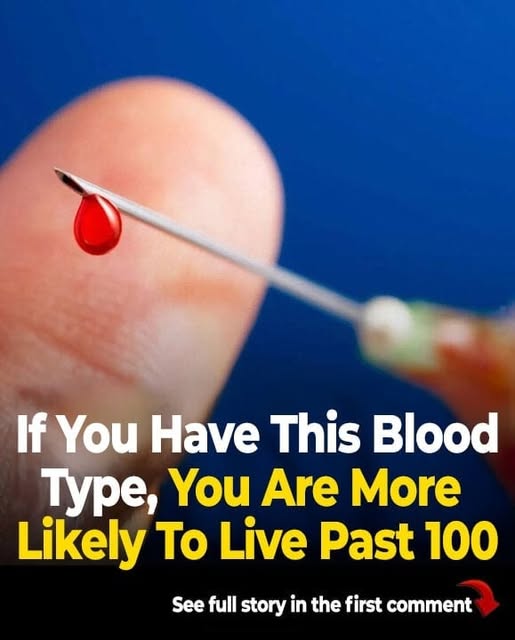
  • Studies Indicate That Individuals With This Blood Type Have a Higher Likelihood of Living to 100!

    Studies Indicate That Individuals With This Blood Type Have a Higher Likelihood of Living to 100!

    For most of human history, reaching the age of 100 was a statistical anomaly — a rare, almost mythical milestone reserved for the unusually hardy. But with modern medicine, better hygiene, and improved living conditions, centenarians are no longer curiosities. They’re the fastest-growing age group in many countries. Even so, the mystery remains: why do certain people live so much longer than others?

    A large team of Swedish researchers set out to answer part of that question by digging through decades of health data. They weren’t looking for miracle diets, exotic supplements, or secret longevity exercises. They focused on something far more ordinary: routine blood tests taken years — and sometimes decades — before participants approached old age.

    Their question was simple and bold: do basic lab markers hint at who is more likely to live past 100?

    The study analyzed tens of thousands of individuals, linking blood test results to long-term health outcomes through Sweden’s famously comprehensive national registers. This wasn’t speculation or anecdote — it was hard data tracked across up to 35 years of follow-up. The findings don’t promise a guaranteed path to extreme old age, but they do reveal patterns connected to survival, resilience, and the biology of aging.

    The project used the AMORIS cohort, a massive clinical dataset built from routine lab testing in Stockholm County. From this pool of more than 800,000 individuals, researchers focused on 44,636 people born between 1893 and 1920 who had blood work done between 1985 and 1996. Everyone was roughly the same age when the tests were taken — a crucial detail that keeps the comparisons fair.

    Participants were then tracked until death or the end of 2020. Out of the group, 1,224 lived to 100. Roughly 85% of the centenarians were women, which matches global patterns of female survival advantage. Thanks to Sweden’s national registers, researchers could accurately link lab results with hospital data, diagnoses, causes of death, and other outcomes. They used standard statistical tools — logistic regression, descriptive statistics, clustering — to identify which blood values were associated with exceptional longevity.

    The study focused on 12 common biomarkers: glucose, total cholesterol, creatinine, albumin, uric acid, iron, total iron-binding capacity, and several liver enzymes (AST, GGT, ALP, LD). In other words, the same everyday tests a primary-care physician orders during a routine checkup.

    Some early interpretations misread the cholesterol findings, so the authors clarified their results. Low cholesterol — specifically, values in the lowest quintile — was linked to reduced odds of reaching 100. High cholesterol, however, neither increased nor decreased the odds. In other words, extremely low cholesterol may reflect frailty or hidden illness, while moderate or even moderately high cholesterol isn’t necessarily harmful for extreme longevity.

    The general theme was clear: extremes, in either direction, are rarely good. Moderate, stable values tended to show the best outcomes.

    This pattern played out across several biomarkers. Low iron was linked with lower odds of reaching 100, while very high iron-binding capacity also pointed to reduced odds — again illustrating the “too low or too high” danger zone. High glucose levels were associated with significantly lower odds of exceptional longevity, which matches what decades of diabetes research has already established. Chronic hyperglycemia damages blood vessels, nerves, and organs over time, increasing the risk of cardiovascular disease, stroke, and premature death.

    For glucose, the takeaway was straightforward: consistently high readings make extreme longevity less likely. The researchers didn’t diagnose diabetes in the cohort; instead, they grouped people into quintiles and tracked outcomes. Still, the biological logic aligns with established medical advice — avoid chronic high blood sugar if you want to protect your long-term health.

    Liver and kidney markers told their own story. Higher creatinine levels — which can indicate reduced kidney filtration — were associated with lower odds of reaching 100. Kidney health, often overlooked, turned out to be a major predictor of survival. Since kidney function naturally declines with age, persistently elevated creatinine should never be brushed off.

    Several liver enzymes showed clear relationships as well. People with high levels of gamma-glutamyl transferase, alkaline phosphatase, and lactate dehydrogenase had lower odds of hitting the century mark. These enzymes can rise due to alcohol intake, liver damage, medication use, or other metabolic stressors. The message is simple: a chronically burdened liver doesn’t support long life.

    Aspartate aminotransferase (AST) displayed a U-shaped pattern. Both very high and very low levels were linked to lower odds of reaching 100. This suggests that not only overt liver damage but also frailty, malnutrition, or muscle loss may influence AST values and long-term outcomes.

    Uric acid — a compound associated with gout, kidney stones, and metabolic issues — showed one of the clearest dose-response curves in the study. The highest uric acid quintile had the lowest likelihood of reaching 100, while the lowest quintile had almost double the odds. Researchers noted that high uric acid often correlates with chronic inflammation and metabolic dysfunction, two major enemies of longevity.

    In a subset of participants, C-reactive protein (CRP), a key inflammation marker, was also studied. Lower CRP was linked with higher odds of reaching 100, which matches the enormous body of research connecting low inflammation with healthier aging. However, CRP wasn’t measured in everyone, so the finding is suggestive rather than definitive.

    Across the board, the patterns pointed to the same conclusion: longevity isn’t built on perfection; it’s built on balance. Extreme highs and extreme lows in common biomarkers consistently predicted lower odds of living to 100. Middle-range stability — not ultra-low, not ultra-high — was the sweet spot.

    Glucose that isn’t chronically elevated. Cholesterol that isn’t suppressed to an extreme. Liver enzymes that aren’t spiking. Kidney markers that aren’t creeping upward. Uric acid kept at calm levels. Iron status that’s neither deficient nor excessive. These patterns fit what physicians already see in everyday practice, but the long follow-up of this study gives them sharper, more compelling context.

    This research doesn’t claim destiny can be read from a single blood panel. Genetics, environment, lifestyle, stress levels, social support, diet, activity, and plain luck all shape how long a person lives. But these biomarkers offer clues about the body’s internal environment — clues that reveal which systems are under strain, which systems are stable, and which systems are primed for resilience.

    In the end, the Swedish study’s message is refreshingly grounded. No miracle numbers. No silver bullets. Just the quiet truth that longevity tends to favor bodies that avoid extremes — bodies that stay metabolically balanced, inflammation-free, and organ-healthy over many decades.

    A hundred years of life isn’t built in one day. But the foundation is visible in the most ordinary tests — the ones doctors check every day.

    And for many, that means the simplest numbers are the ones worth paying attention to.

  • How to make yourself eligible after Donald Trump promised to give $2,000 to almost everyone in America!

    How to make yourself eligible after Donald Trump promised to give $2,000 to almost everyone in America!

    When Donald Trump jumped onto Truth Social this week and declared that Americans would soon receive a $2,000 “dividend,” the announcement exploded across the country. Supporters called it bold. Critics called it impossible. But one thing was certain: people wanted to know exactly who would qualify and how the money would actually reach them. Trump framed the payout as a reward for what he views as the economic windfall generated by his aggressive tariff strategy. According to him, the tariffs have transformed the United States into “the richest, most respected country in the world,” with soaring markets, healthier retirement accounts, and a long-awaited chance to start paying down the national debt.

    “This is all because of Tariffs,” Trump wrote. “People who oppose them are FOOLS. We are taking in trillions. The country has never been stronger.”

    The promise was blunt: $2,000 for “almost everyone.” But once his economic team began speaking publicly, the picture grew more complicated.

    Treasury Secretary Scott Bessent, who has quickly become one of the main architects of Trump’s economic messaging, hinted that the payments wouldn’t be universal. In an interview on Fox & Friends, he floated the first real eligibility guideline: families earning under $100,000 a year would likely make the cut. His phrasing wasn’t definitive, but it was deliberate. The administration is still arguing internally over the income ceiling, though Bessent signaled the president is leaning toward a broad payout rather than a narrow one.

    “Well, there are a lot of options here,” Bessent said. “The president’s talking about a $2,000 rebate for families making less than, say, $100,000. That’s one model being discussed.”

    If that threshold becomes official, nearly 150 million Americans could qualify — almost double the reach of Trump’s earlier stimulus checks, which capped eligibility at $75,000 for single filers and $150,000 for couples. Policy analysts immediately began running the numbers. Erica York from the Tax Foundation estimated that at a $100,000 income cap, the cost balloons to roughly $300 billion. That’s a staggering price tag for any administration, and it raises the question the White House has not answered cleanly: where the money comes from.

    Tariff revenue is Trump’s favorite talking point, but the math is unforgiving. As of September 30, total U.S. tariff revenue stood at $195 billion — not even close to what’s needed for a one-time national dividend of this scale. The Treasury Department projects $3 trillion in cumulative tariff income over the next decade, but that projection spreads across ten years and assumes continued tariff increases. Even then, the revenue is already earmarked for other obligations. Using it for a massive cash payout would mean borrowing against future income while the national debt pushes past $38 trillion.

    Still, Trump isn’t slowing down. In his view, the tariffs themselves are the engine that will fund this promise. He has doubled down with fresh hikes: 50% taxes on imported cabinets and talk of a 100% tax on branded pharmaceuticals. Trump insists that these tariffs strengthen America’s financial position without harming consumers, a stance economists have repeatedly challenged. But politically, the message is simple: tariffs are paying for America’s comeback, and Americans deserve their share.

    While Trump paints the idea as a straightforward stimulus check, Bessent has been walking that back. Speaking to ABC, he made it clear the $2,000 might not take the form of a one-time payment at all. Instead, he hinted at a patchwork of tax adjustments that could add up to the same value across the year.

    “It could come in lots of forms,” Bessent said. “No tax on tips, no tax on overtime, no tax on Social Security, deductibility of auto loans. These policies are already helping people, and we’re expanding that.”

    He framed these changes as the early stages of Trump’s larger plan — savings that appear gradually on paychecks rather than landing as a single windfall. Supporters argue this approach builds long-term relief instead of a one-shot check. Critics say it buries the promise in confusing tax code gymnastics, making the “$2,000 dividend” more slogan than substance.

    White House Press Secretary Karoline Leavitt tried to strike a confident tone when pressed for details. She didn’t offer concrete eligibility rules or a rollout timeline, but emphasized Trump’s commitment to delivering something tangible.

    “The president made it clear he wants to make it happen,” Leavitt said. “His team of economic advisers is looking into it.”

    Behind the scenes, the administration is juggling two realities. First: Trump publicly committed to sending Americans money — a promise that energizes his base and applies pressure to Congress, economists, and even his own cabinet. Second: actually paying for a program this large forces the White House to confront the limits of tariff revenue, increased borrowing, and the political fallout of adding to the national debt.

    The tension between those realities is already visible in the way Bessent speaks about the plan. He knows the math. He knows tariffs alone won’t cover it. So he shifts the focus from checks to tax cuts, from an immediate payout to a blended approach that stretches across the year. This gives the administration flexibility. If the numbers don’t add up, they can claim the $2,000 arrived indirectly through tax relief rather than through a direct deposit.

    Meanwhile, Trump continues framing the checks as a symbol of national strength — a kind of victory dividend funded by America’s assertive economic posture. He talks about tariffs not as a burden but as proof that the U.S. finally has leverage again.

    “We are the richest, most respected country in the world,” he wrote. “And this is only the beginning.”

    Whether that’s political bravado or an economic plan with real legs is still unclear. Until the White House announces the final eligibility rules, Americans are left watching the back-and-forth between bold promises and the messy reality of federal budgeting.

    One thing is certain: if the threshold lands at $100,000, nearly half the country will qualify. If the payout comes as a blend of tax breaks rather than a check, millions may not realize when — or how — their “dividend” shows up. And if tariff income falls short, the administration will have to choose between reducing the payout, borrowing heavily, or shifting the cost to future budgets.

    For now, all the country has is a promise, a handful of interviews, and a White House scrambling to make the numbers line up behind the scenes.

    The president says the money is coming. His team insists they’re working on it. And the rest of America is waiting to see whether this becomes a major economic policy — or another headline built on hype.

  • The iconic talk show host has!!

    The iconic talk show host has!!

    When Donald Trump jumped onto Truth Social this week and declared that Americans would soon receive a $2,000 “dividend,” the announcement exploded across the country. Supporters called it bold. Critics called it impossible. But one thing was certain: people wanted to know exactly who would qualify and how the money would actually reach them. Trump framed the payout as a reward for what he views as the economic windfall generated by his aggressive tariff strategy. According to him, the tariffs have transformed the United States into “the richest, most respected country in the world,” with soaring markets, healthier retirement accounts, and a long-awaited chance to start paying down the national debt.

    “This is all because of Tariffs,” Trump wrote. “People who oppose them are FOOLS. We are taking in trillions. The country has never been stronger.”

    The promise was blunt: $2,000 for “almost everyone.” But once his economic team began speaking publicly, the picture grew more complicated.

    Treasury Secretary Scott Bessent, who has quickly become one of the main architects of Trump’s economic messaging, hinted that the payments wouldn’t be universal. In an interview on Fox & Friends, he floated the first real eligibility guideline: families earning under $100,000 a year would likely make the cut. His phrasing wasn’t definitive, but it was deliberate. The administration is still arguing internally over the income ceiling, though Bessent signaled the president is leaning toward a broad payout rather than a narrow one.

    “Well, there are a lot of options here,” Bessent said. “The president’s talking about a $2,000 rebate for families making less than, say, $100,000. That’s one model being discussed.”

    If that threshold becomes official, nearly 150 million Americans could qualify — almost double the reach of Trump’s earlier stimulus checks, which capped eligibility at $75,000 for single filers and $150,000 for couples. Policy analysts immediately began running the numbers. Erica York from the Tax Foundation estimated that at a $100,000 income cap, the cost balloons to roughly $300 billion. That’s a staggering price tag for any administration, and it raises the question the White House has not answered cleanly: where the money comes from.

    Tariff revenue is Trump’s favorite talking point, but the math is unforgiving. As of September 30, total U.S. tariff revenue stood at $195 billion — not even close to what’s needed for a one-time national dividend of this scale. The Treasury Department projects $3 trillion in cumulative tariff income over the next decade, but that projection spreads across ten years and assumes continued tariff increases. Even then, the revenue is already earmarked for other obligations. Using it for a massive cash payout would mean borrowing against future income while the national debt pushes past $38 trillion.

    Still, Trump isn’t slowing down. In his view, the tariffs themselves are the engine that will fund this promise. He has doubled down with fresh hikes: 50% taxes on imported cabinets and talk of a 100% tax on branded pharmaceuticals. Trump insists that these tariffs strengthen America’s financial position without harming consumers, a stance economists have repeatedly challenged. But politically, the message is simple: tariffs are paying for America’s comeback, and Americans deserve their share.

    While Trump paints the idea as a straightforward stimulus check, Bessent has been walking that back. Speaking to ABC, he made it clear the $2,000 might not take the form of a one-time payment at all. Instead, he hinted at a patchwork of tax adjustments that could add up to the same value across the year.

    “It could come in lots of forms,” Bessent said. “No tax on tips, no tax on overtime, no tax on Social Security, deductibility of auto loans. These policies are already helping people, and we’re expanding that.”

    He framed these changes as the early stages of Trump’s larger plan — savings that appear gradually on paychecks rather than landing as a single windfall. Supporters argue this approach builds long-term relief instead of a one-shot check. Critics say it buries the promise in confusing tax code gymnastics, making the “$2,000 dividend” more slogan than substance.

    White House Press Secretary Karoline Leavitt tried to strike a confident tone when pressed for details. She didn’t offer concrete eligibility rules or a rollout timeline, but emphasized Trump’s commitment to delivering something tangible.

    “The president made it clear he wants to make it happen,” Leavitt said. “His team of economic advisers is looking into it.”

    Behind the scenes, the administration is juggling two realities. First: Trump publicly committed to sending Americans money — a promise that energizes his base and applies pressure to Congress, economists, and even his own cabinet. Second: actually paying for a program this large forces the White House to confront the limits of tariff revenue, increased borrowing, and the political fallout of adding to the national debt.

    The tension between those realities is already visible in the way Bessent speaks about the plan. He knows the math. He knows tariffs alone won’t cover it. So he shifts the focus from checks to tax cuts, from an immediate payout to a blended approach that stretches across the year. This gives the administration flexibility. If the numbers don’t add up, they can claim the $2,000 arrived indirectly through tax relief rather than through a direct deposit.

    Meanwhile, Trump continues framing the checks as a symbol of national strength — a kind of victory dividend funded by America’s assertive economic posture. He talks about tariffs not as a burden but as proof that the U.S. finally has leverage again.

    “We are the richest, most respected country in the world,” he wrote. “And this is only the beginning.”

    Whether that’s political bravado or an economic plan with real legs is still unclear. Until the White House announces the final eligibility rules, Americans are left watching the back-and-forth between bold promises and the messy reality of federal budgeting.

    One thing is certain: if the threshold lands at $100,000, nearly half the country will qualify. If the payout comes as a blend of tax breaks rather than a check, millions may not realize when — or how — their “dividend” shows up. And if tariff income falls short, the administration will have to choose between reducing the payout, borrowing heavily, or shifting the cost to future budgets.

    For now, all the country has is a promise, a handful of interviews, and a White House scrambling to make the numbers line up behind the scenes.

    The president says the money is coming. His team insists they’re working on it. And the rest of America is waiting to see whether this becomes a major economic policy — or another headline built on hype.

  • The flowers you love the most uncover hidden aspects of your personality!

    The flowers you love the most uncover hidden aspects of your personality!

    Flowers don’t just brighten a room — they reveal something about you. People have been assigning meaning to flowers for centuries, long before personality tests, psychology blogs, or social media self-discovery trends existed. Across cultures, flowers were used to communicate emotions, intentions, and traits people didn’t always say aloud. And even now, the flowers you’re instinctively drawn to can hint at parts of your personality you don’t always show.

    It isn’t magic, and it isn’t a science experiment. It’s more like a quiet reflection: your taste in flowers mirrors how you process the world, how you express your emotions, and the way you move through relationships. Their colors, shapes, scents, and cultural symbolism carry messages — and if one flower feels like “you,” there’s usually a reason.

    So, what does your favorite flower say about you? Here’s a deeper look.

    Daisies come first for people who have a natural lightness about them. These are the optimists — the ones who find joy in small moments and spread it without trying. They tend to be friendly, approachable, and open-hearted. But their brightness can fool people. Daisy-lovers often hide their insecurities behind a welcoming smile. They play the role of “the happy one” so consistently that few realize how much emotion they keep tucked away.

    Roses belong to the romantics — but not the naive kind. People who love roses feel deeply and don’t shy away from vulnerability. They’re generous with their affection but guarded with their trust. Just like the flower itself, they have thorns. If you hurt them or break their trust, they don’t bounce back instantly. They can be passionate, jealous, protective, and fiercely loyal. When they love, it’s wholehearted. When they’re wounded, it shows.

    Daffodil lovers are a blend of nostalgia and optimism. Historically associated with beautiful eyes and poetic admiration, daffodils symbolize a person who likes to lead without demanding attention. These people are often creative, reflective, and charismatic in a subtle, effortless way. They love being surrounded by friends, yet they also crave independence. They tend to idealize the past, sometimes to a fault, but their forward momentum is anchored in hope rather than regret.

    Gerbera fans radiate energy. These flowers come in bold, playful colors, and the people who love them usually do, too. Gerbera lovers have a youthful spirit, even if they’re not young anymore. They’re expressive, fun-loving, and emotionally vibrant. They’re also caretakers — warm, nurturing souls who stay connected to nature and beauty. They embrace color, movement, and change with an openness others admire.

    Marigold lovers aren’t flashy, but they’re unforgettable. These people are grounded, practical, and deeply rooted in their values. They appreciate tradition, history, and the meaning behind things more than novelty. Marigold fans are often artistic or spiritually inclined, but they approach creativity with discipline, not chaos. Their strength is quiet, stable, and earned. People rely on them because they’re dependable, not because they demand attention.

    Lily lovers are the romantics with depth. Ancient mythology tied lilies to purity, divinity, and love, and the people drawn to them usually have those qualities baked into their personality. They take relationships seriously, often valuing long-term commitment over temporary excitement. They’re empathetic, intuitive, and emotionally intelligent. Their downside? Their innocence or kindness sometimes attracts people who take advantage of them. But when they wise up, they become remarkably strong.

    Dahlia lovers are sophisticated — and they know it. Dahlias are associated with elegance, structure, and individuality. People who feel connected to this flower usually appreciate art, design, and detail. They notice things others gloss over and find beauty in the tiny, overlooked corners of life. They’re patient, observant, and calm under pressure. They value uniqueness and don’t chase trends; they create their own lane. Their refinement isn’t about money or status — it’s about intention.

    Violet lovers tend to get overlooked the same way the flower often does. These people are quiet, thoughtful, and grounded in simplicity. They enjoy a slower pace of life, prefer nature to noise, and value authenticity over performance. They’re not attention-seekers, and in a loud world, people sometimes misunderstand their silence. But violets are some of the strongest souls you’ll meet. Their calm comes from depth, not emptiness. They see the world clearly and love sincerely.

    Every preference comes with layers. Maybe you love daisies because you crave simplicity. Maybe roses speak to your passion. Maybe violets feel like the safe, familiar softness you don’t always find in people. Flowers don’t define you, but they reflect you. They reveal the energy you gravitate toward and the emotions you feel most intensely.

    Taken together, these choices sketch out something bigger: how you love, how you cope, and how you see yourself.

    If you gravitate toward bright, cheerful flowers like daisies or gerberas, you’re likely someone who wants to bring joy into the spaces you occupy. You’re expressive and emotionally open, even when you’re struggling underneath.

    If you lean toward romantic or symbolic flowers like roses or lilies, you take relationships seriously, value emotional depth, and tend to love all-in. You feel things strongly — the good and the bad — and you don’t do anything halfway.

    If you’re drawn to understated flowers like violets or marigolds, you’re introspective, loyal, grounded, and authentic. You think deeply, choose carefully, and connect meaningfully.

    If you prefer elegant, structured flowers like dahlias, you’re the type who notices the details others miss. You’re refined without being fragile, creative without being chaotic, and independent without being distant.

    What your favorite flower reveals isn’t a rigid diagnosis — it’s a reflection. A glimpse. A quiet hint. Flowers are emotional symbols for a reason. They’re the language people use to express the things they can’t always say out loud. And when you pick a flower as your favorite, you’re choosing something that mirrors you.

    Your personality shows up in how you love, how you give, how you protect yourself, and how you try to bring beauty into the world. Flowers just give that personality a shape.

    If you enjoyed the meaning behind your favorite flower, share it with someone who might want to explore theirs. After all, the flowers we love don’t just brighten our lives — they say something about who we are when no one’s looking.

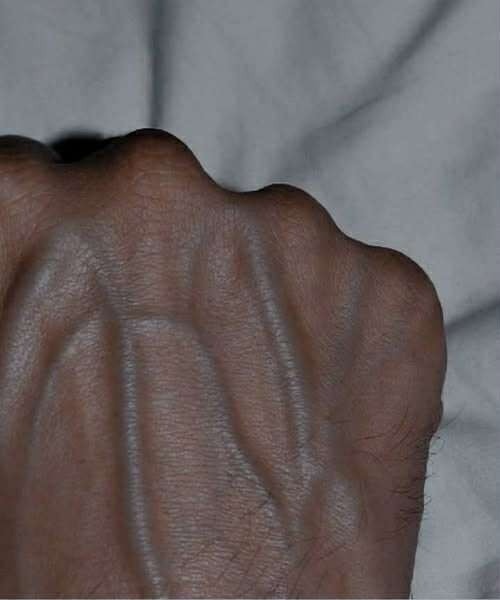
  • Visible Veins Explained! Normal Causes, Health Risks, and When to Worry

    Visible Veins Explained! Normal Causes, Health Risks, and When to Worry

    Most people don’t think twice about their veins—until one day they catch the mirror, look down at their hands or legs, and suddenly those blue lines seem a lot more pronounced than they used to be. Sometimes it’s curiosity, sometimes it’s vanity, and sometimes it’s a flicker of worry: Should I be paying attention to this?

    The truth is simple. Visible veins aren’t automatically a sign of trouble, but they aren’t meaningless either. Your veins sit right at the intersection of body composition, circulation, aging, and lifestyle. The way they look can reflect perfectly normal changes—or hint at something you shouldn’t ignore.

    If you want a straight, no-nonsense breakdown of why veins become more visible and what it means for your health, here it is.

    Veins have one job: return blood back to your heart. They sit closer to the surface than arteries, which means they’re influenced by temperature, hydration, body fat, exercise, genetics, and age. When something shifts in those categories, your veins can look sharper, darker, or raised.

    A lot of the time, those changes are harmless. In fact, for athletes or people who’ve slimmed down, visible veins are practically expected. Low body fat means less cushioning between your skin and your blood vessels. When the fat layer thins out, the veins underneath look like they’ve suddenly “popped out” even though they’ve been there all along.

    Aging plays a huge role, too. As skin loses collagen and elasticity, it becomes thinner and more transparent. Combine that with a natural decrease in subcutaneous fat, and veins start to show through. There’s nothing dramatic about it—it’s part of getting older, the same way fine lines show up around your eyes.

    Exercise is another big factor. When you work out, your blood vessels dilate to move more oxygen through your muscles. Even after the workout ends, the veins can stay more pronounced, especially if you’re consistently active. It’s a sign of good circulation, not bad health.

    Heat has the same effect. Warm weather or a hot shower will make veins expand so your body can cool itself down. They’ll look bigger, darker, and more pronounced—and then fade again when your temperature regulates.

    And of course, genetics matter. If your parents have visible veins, odds are you will, too. Skin tone also affects visibility; veins show more easily through lighter skin.

    But here’s where things shift. Not all visible veins are just cosmetic quirks. Sometimes the sudden appearance of prominent veins is your body signaling a problem with circulation, vein valves, inflammation, or clotting. And you don’t want to brush that off.

    Chronic venous insufficiency (CVI) is one of the most common culprits. It happens when the valves inside your veins stop closing properly, causing blood to pool instead of flowing upward toward the heart. The result? Heaviness, swelling, aching, and bulging veins—especially in the legs. CVI builds slowly, but once symptoms start, ignoring them only makes things worse.

    Varicose veins fall under this same umbrella. These are the thick, twisted veins that protrude under the skin. They’re often painful, itchy, or accompanied by discoloration around the ankle. They can be hereditary, but they can also show up after long periods of standing, pregnancy, or weight gain.

    Then there are conditions you absolutely can’t afford to ignore.

    Superficial thrombophlebitis is a clot in a vein close to the surface. It’s not typically life-threatening, but it’s painful—redness, swelling, and a hard, rope-like vein you can feel. It needs medical attention.

    Deep vein thrombosis (DVT) is the serious one. A clot in a deep vein can break loose and cause a pulmonary embolism. If your veins suddenly look different and you notice swelling, warmth, redness, or sharp leg pain, you don’t wait. You get medical help—immediately.

    But even outside those conditions, there are plenty of minor triggers that temporarily make veins more noticeable. Hard workouts can do it. Dehydration can do it. Hormonal shifts—pregnancy, menstruation, menopause—can do it. Sudden weight loss can make veins look like they showed up “overnight.”

    So how do you know what’s normal and what’s not?

    If your veins have been visible for years, if you’re fit, lean, or naturally fair-skinned, odds are they’re just part of your body’s design.

    But if your veins suddenly change—appearance, size, shape, or if they come with pain, swelling, heat, discoloration, or a heavy, dragging sensation in your legs—that’s not something you brush aside.

    Those symptoms are worth a doctor’s visit, if only to rule out what you don’t want to deal with later.

    If your concern is more cosmetic than medical, options exist. Lifestyle tweaks like staying active, maintaining a healthy weight, elevating your legs, and keeping hydrated can improve circulation. Compression stockings aren’t glamorous, but they work. And if you want a more permanent solution, treatments like sclerotherapy or laser therapy can minimize visible veins under the guidance of a vascular specialist.

    Prevention isn’t complicated. Move your body regularly—especially if you have a job where you sit or stand for hours. Drink enough water. Avoid smoking. Keep your weight stable. And pay attention to changes instead of shrugging them off.

    One thing people rarely talk about is the emotional side of visible veins. For bodybuilders, veins are trophies. For someone aging into their sixties, they may feel like a reminder of time. For people who’ve lost a lot of weight, visible veins can be both empowering and uncomfortable. For someone dealing with chronic vein issues, it can be frustrating and painful.

    Your reaction to your veins says as much about you as the veins themselves.

    The bottom line is simple. Visible veins are usually harmless. They’re often a product of genetics, lifestyle, or the natural aging process. But sometimes they’re the body’s early alarm system for deeper issues—venous insufficiency, inflammation, or clotting problems.

    Knowing the difference matters.

    Listen to your body. If a change feels sudden, unexplained, or comes with symptoms you can’t ignore, get medical advice. If it’s cosmetic and you want solutions, they exist. And if your veins are simply becoming more visible because life is moving forward, that’s normal, too.

    Your veins aren’t just lines under your skin—they’re part of your circulatory health, your aging process, your habits, and your genetics. Understanding them gives you one more tool to take care of yourself properly.

  • My Husband Yelled at Me to Leave the Bedroom Because Our Babys Crying Disturbed Him – But When His Father Intervened, His Face Turned Pale

    My Husband Yelled at Me to Leave the Bedroom Because Our Babys Crying Disturbed Him – But When His Father Intervened, His Face Turned Pale

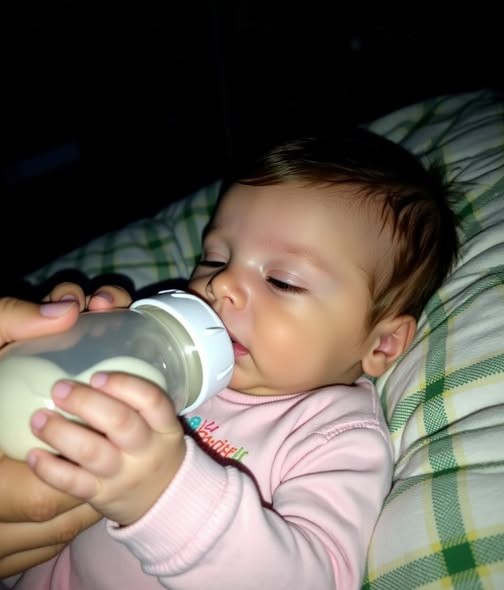
    The first weeks after Ivy was born blur together in my memory — not because they weren’t meaningful, but because everything was happening through exhaustion. I remember fragments: her soft breaths against my chest, the creak of the cradle beside our bed, the dull ache that lived permanently in my abdomen after my unexpected C-section. I remember watching the world shrink to one small room, one tiny baby, and the sound of my own heartbeat trying to keep a steady rhythm despite the upheaval.

    Becoming a mother wasn’t the shock. The shock was how everything else shifted around me.

    Ivy is only two months old, and she’s the best thing that’s ever happened to me. But recovery is slow. Some days I can’t stand straight without my scar pulling. I sleep in short bursts, I eat whatever I can grab, and I forget what the word “rested” even feels like. I knew motherhood would be hard — but I didn’t expect to feel like I was doing it alone.

    Before Ivy arrived, Rowan was all-in. He’d press his cheek to my stomach and whisper to her through the skin.

    “She’ll have your smile,” he once murmured, kissing the stretch marks by my side. “And your fire.”

    We’d laughed about it then. It felt like we were on the same team.

    When we brought Ivy home, we agreed she’d sleep in the cradle next to our bed. He promised he’d be there if I needed him. And I believed him — until night after night proved otherwise.

    When Ivy woke, my body reacted before my brain did. I’d lift her carefully, heart pounding, terrified I’d wake Rowan — not because he needed sleep, but because of how irritated he’d become. Every night he seemed more inconvenienced, more impatient, more distant from the man who used to talk to our daughter before she was even born.

    “Here we go again,” he’d mutter into the pillow.

    “Feed her quick.”

    “Try to keep her quiet, Amara.”

    Sometimes he didn’t even turn over. He got up twice in the first two weeks — once to hold her awkwardly until she cried louder, the second time to hand her back almost immediately.

    “She wants you,” he said, already retreating into sleep. “She always wants you.”

    So it became my responsibility alone. The late-night feeds. The diaper changes under the dim glow of my phone. The hours spent patting her back until her tiny body relaxed again. I tried not to resent him. I told myself he was adjusting. I told myself he’d come around.

    But then one night, everything snapped.

    It was 2:30 a.m. Ivy’s cry broke through the silence. I moved fast, trying not to disturb Rowan. I had her in my arms, feeding her, when he suddenly sat up and glared at me like I was doing something wrong.

    “Enough, Amara!” he snapped. “I can’t sleep like this! Every night I’m listening to her cry and you making noise. Do you know how annoying it is?”

    I froze. Ivy whimpered softly, and I held her closer.

    “She’s hungry,” I whispered. “She’s a newborn.”

    “Then feed her somewhere else,” he shot back. “The kitchen. The bathroom. I don’t care. I need sleep. Or does that not matter to you?”

    I stared at him, stunned. “She needs to stay close to us. Moving her makes it harder for her to settle.”

    “Oh, spare me,” he muttered, throwing himself back onto the pillow. “You always have an excuse. You don’t care about anyone but yourself.”

    And that was it. He fell asleep like he hadn’t just ripped through my heart.

    The next morning, he kissed my forehead like nothing happened. No apology. No acknowledgment. Just a man walking out the door while I stood there holding our baby, hands shaking.

    Hours later, when the house was quiet and Ivy slept on my chest, someone knocked. It was Livia, my mother-in-law, holding groceries and laundry detergent.

    “I thought you could use help,” she said, stepping inside.

    Something in me cracked. She hugged me gently, then rolled up her sleeves, started a stew, put laundry on, and held Ivy so I could eat an actual meal. Before she left, I told her Rowan was overwhelmed. I didn’t mention the awful things he said — I didn’t have the strength.

    “You’re doing wonderfully,” she said. “Victor will talk to him.”

    And she meant it.

    A few days later, my sister-in-law Kiera arrived with diapers and chocolate, plopped onto my couch, and stayed until I laughed for the first time in weeks. She didn’t sugarcoat anything.

    “Men are clueless sometimes,” she said. “You’re not invisible, Amara.”

    Then came dinner at Victor and Livia’s house, where the warmth almost felt like a balm. Kids yelling, pasta steaming, laughter bouncing off the walls. I felt like a person again.

    But then, from the dining room, Rowan’s voice cut through the comfort.

    “She insists on feeding the baby right there in the bedroom,” he said loudly. “Every night. I’m exhausted. She doesn’t even care that I need sleep for work.”

    I stood frozen in the kitchen doorway, knife still in my hand.

    Victor looked at him slowly, wiped his mouth, and pushed back his chair.

    “Stand up,” he said.

    Rowan blinked. “Dad—”

    “Stand. Up.”

    He did.

    “I didn’t raise you to be this selfish,” Victor said, voice sharp and steady. “Your wife is recovering from surgery. She’s up every night keeping your child alive while you complain about being disturbed. Do you hear how pathetic that sounds?”

    Rowan swallowed hard.

    “When your mother fed you at night,” Victor continued, “I sat beside her. I made tea. I kept her company. I was her partner. Not a burden. Not a child needing special treatment.”

    He picked up Ivy’s diaper bag and pressed it into Rowan’s hands.

    “From now on, you get up. You help. You show up. And if you don’t, you’ll answer to me.”

    Rowan’s face drained of color.

    The drive home afterward was silent.

    That night, at 3 a.m., when Ivy cried, I stayed still.

    And Rowan got up.

    He fumbled with the bottle warmer, whispered to her softly, rocked her awkwardly, but he did it — all of it — without a single complaint.

    A few nights later, I woke to find him sitting at the edge of the bed, quietly crying.

    “I’m sorry,” he whispered. “I was awful. I didn’t understand. I don’t know how you’ve been doing this alone.”

    I reached for his hand, and we sat there in the soft dark, both of us hurting, both of us trying.

    Things aren’t perfect now. But they’re better. Livia still drops off meals. Kiera still shows up with chocolate and chaos. Rowan tries — really tries.

    And me? I’m still tired. Still healing. But I’m not breaking anymore.

    Because I remembered something important:

    I’m Ivy’s mother.

    And that strength doesn’t come from sleep or help or validation.

    It comes from love — the kind that gets up every night, aches every day, and still keeps going.

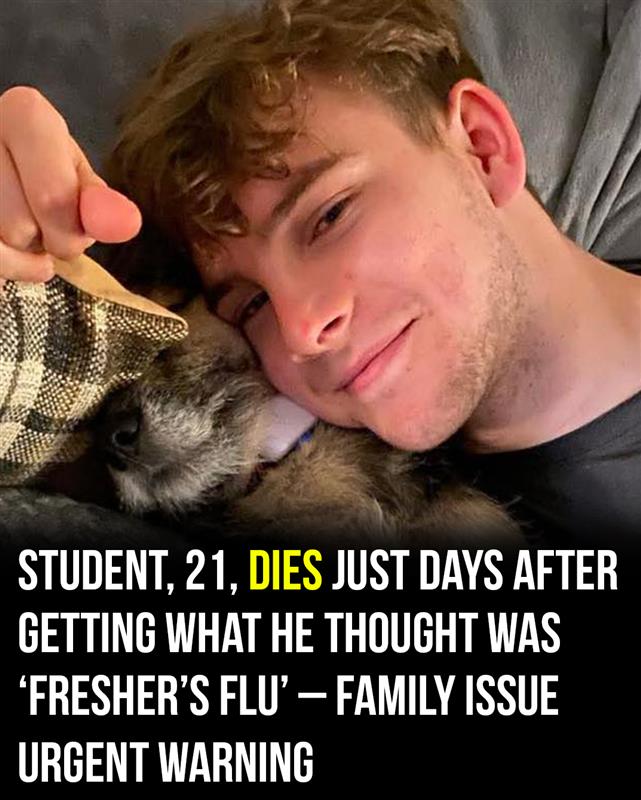
  • 21-Year-Old Student Thought He Had Freshers Flu, Days Later, His Family Faced Every Parents Worst Nightmare

    21-Year-Old Student Thought He Had Freshers Flu, Days Later, His Family Faced Every Parents Worst Nightmare

    When 21-year-old Lucas Martin came home complaining about a headache and feeling run-down, nobody in his family panicked. It sounded like the same thing every new student gets sooner or later — fresher’s flu. He’d only just wrapped up his time at the University of Liverpool, excited about job prospects, travel plans, and everything he believed was waiting for him. So when he shrugged and said he “just needed rest,” the Martins took him at his word. They had no reason to think anything was seriously wrong.

    But what started as ordinary symptoms quietly snowballed into something far more dangerous — something that would alter the course of his family’s life in a matter of days.

    At first, the signs were mild and easy to dismiss. Lucas complained of feeling unusually tired, like he couldn’t shake the exhaustion even after sleeping most of the day. He had a low fever and seemed slightly out of it, sometimes forgetting what he was going to say in the middle of a sentence. His brother, Connor, later recalled how it all seemed so innocent at the time. “It just looked like a rough virus,” he said. “Nothing anyone would jump to worry about.” No rash. No stiff neck. None of the classic red flags people associate with meningitis.

    Looking back, that’s what haunts them — how deceptively normal everything seemed.

    On September 9, Lucas went to bed early. He’d been quieter that evening, choosing to lie on the sofa with a blanket pulled up to his chin. When his dad asked if he needed anything, Lucas just shook his head. “I’ll be fine tomorrow,” he mumbled.

    Tomorrow never came.

    The next morning, September 10, his father walked into his room and found Lucas sitting on the edge of the bed, trying — and failing — to form words. His speech was slurred, almost as if he were half-asleep or intoxicated, but his eyes were wide and frightened. He kept touching his temples, massaging them like he was trying to push the pain away.

    Something was terribly wrong.

    His parents rushed him into the car and drove straight to the hospital. Within minutes of arrival, nurses and doctors surrounded him, firing questions he couldn’t answer. His confusion worsened. His temperature spiked. And then someone said the word no one expected to hear: meningitis.

    A serious bacterial infection. Fast-moving. Unpredictable. Deadly when not caught early.

    Lucas was moved to intensive care and placed into an induced coma to protect his brain from swelling. His family barely had time to process what was happening. One moment he was a healthy 21-year-old with a bright future; the next, they were watching machines breathe for him.

    For two days, the Martins lived in the surreal, fluorescent-lit haze of the ICU waiting room — hours that felt both endless and brutally fast. Nurses came and went with updates that never seemed to bring good news. Connor sat with his parents, replaying every memory he could think of: the late-night talks, Lucas’s plans for a business he wanted to start, the way he could walk into a room and lift the mood instantly.

    “I kept thinking he’d wake up,” Connor said later. “He’s strong. He’s young. He’ll push through. That’s what we kept telling ourselves.”

    But on September 12, just 48 hours after being admitted, Lucas’s body couldn’t fight anymore. The infection had hit too fast and too aggressively. At 2:14 p.m., doctors told the family there was nothing left they could do.

    Their world broke open.

    Connor remembers that moment with a clarity he wishes he didn’t have. The sterile smell of disinfectant. The sound of his mother wailing somewhere behind him. The impossible stillness of the monitor when the lines finally stopped climbing and falling. Lucas looked peaceful, far more peaceful than the violent speed of his illness deserved. He looked like someone sleeping. Someone who might wake up.

    But he didn’t.

    Lucas had been the family’s spark — the one who joked too loudly, dreamed too boldly, loved too fiercely. Losing him felt like losing gravity. Everything that had been certain was suddenly unrecognizable.

    In the weeks that followed, as shock made room for grief, the Martins started piecing together what happened. They learned that some strains of meningitis don’t show the hallmark rash. Some cases skip the obvious symptoms altogether. And when they hit, they hit fast. Far faster than most people understand.

    The hardest truth was this: the only thing that could have saved him was recognizing the danger sooner.

    Connor spoke publicly about it for the first time not long after Lucas’s funeral. “If you’re worried, take action,” he said, voice breaking. “Don’t assume it’s the flu. Don’t wait. We waited. We thought we were being reasonable. And we’ll regret that forever.”

    The family refused to let Lucas’s story end with heartbreak alone. They created Looky’s Aid — a charity named after Lucas’s childhood nickname — to provide scholarships, health-awareness programs, and resources for young people. Their goal wasn’t complicated: to make sure students and parents know the warning signs they missed. To make sure someone else’s child gets help before symptoms turn irreversible. To make sure no family wakes up in the same nightmare they did.

    And slowly, something unexpected began to happen. People started sharing Lucas’s story in schools, universities, local clinics, and online. Students sent messages saying they’d gone to urgent care because they remembered his name. Parents said they learned what symptoms to watch for. A few even said the information saved their child’s life.

    His legacy grew — not just in mourning, but in action.

    Now, Lucas’s story travels far beyond the walls of the home he left behind. It’s shared in university halls at the start of term. It’s talked about in parent groups. It’s repeated in doctors’ offices when worried families need reassurance or a push to act quickly.

    A boy who lived loudly, dreamed boldly, and died far too soon still manages to impact people he never met. Through awareness. Through hope. Through his family’s refusal to let silence win.

    Lucas Martin didn’t survive meningitis. But because of him, others might. His life was short, but his impact reaches farther than he ever realized — proving that even in loss, love can keep moving forward.

    When 21-year-old Lucas Martin came home complaining about a headache and feeling run-down, nobody in his family panicked. It sounded like the same thing every new student gets sooner or later — fresher’s flu. He’d only just wrapped up his time at the University of Liverpool, excited about job prospects, travel plans, and everything he believed was waiting for him. So when he shrugged and said he “just needed rest,” the Martins took him at his word. They had no reason to think anything was seriously wrong.

    But what started as ordinary symptoms quietly snowballed into something far more dangerous — something that would alter the course of his family’s life in a matter of days.

    At first, the signs were mild and easy to dismiss. Lucas complained of feeling unusually tired, like he couldn’t shake the exhaustion even after sleeping most of the day. He had a low fever and seemed slightly out of it, sometimes forgetting what he was going to say in the middle of a sentence. His brother, Connor, later recalled how it all seemed so innocent at the time. “It just looked like a rough virus,” he said. “Nothing anyone would jump to worry about.” No rash. No stiff neck. None of the classic red flags people associate with meningitis.

    Looking back, that’s what haunts them — how deceptively normal everything seemed.

    On September 9, Lucas went to bed early. He’d been quieter that evening, choosing to lie on the sofa with a blanket pulled up to his chin. When his dad asked if he needed anything, Lucas just shook his head. “I’ll be fine tomorrow,” he mumbled.

    Tomorrow never came.

    The next morning, September 10, his father walked into his room and found Lucas sitting on the edge of the bed, trying — and failing — to form words. His speech was slurred, almost as if he were half-asleep or intoxicated, but his eyes were wide and frightened. He kept touching his temples, massaging them like he was trying to push the pain away.

    Something was terribly wrong.

    His parents rushed him into the car and drove straight to the hospital. Within minutes of arrival, nurses and doctors surrounded him, firing questions he couldn’t answer. His confusion worsened. His temperature spiked. And then someone said the word no one expected to hear: meningitis.

    A serious bacterial infection. Fast-moving. Unpredictable. Deadly when not caught early.

    Lucas was moved to intensive care and placed into an induced coma to protect his brain from swelling. His family barely had time to process what was happening. One moment he was a healthy 21-year-old with a bright future; the next, they were watching machines breathe for him.

    For two days, the Martins lived in the surreal, fluorescent-lit haze of the ICU waiting room — hours that felt both endless and brutally fast. Nurses came and went with updates that never seemed to bring good news. Connor sat with his parents, replaying every memory he could think of: the late-night talks, Lucas’s plans for a business he wanted to start, the way he could walk into a room and lift the mood instantly.

    “I kept thinking he’d wake up,” Connor said later. “He’s strong. He’s young. He’ll push through. That’s what we kept telling ourselves.”

    But on September 12, just 48 hours after being admitted, Lucas’s body couldn’t fight anymore. The infection had hit too fast and too aggressively. At 2:14 p.m., doctors told the family there was nothing left they could do.

    Their world broke open.

    Connor remembers that moment with a clarity he wishes he didn’t have. The sterile smell of disinfectant. The sound of his mother wailing somewhere behind him. The impossible stillness of the monitor when the lines finally stopped climbing and falling. Lucas looked peaceful, far more peaceful than the violent speed of his illness deserved. He looked like someone sleeping. Someone who might wake up.

    But he didn’t.

    Lucas had been the family’s spark — the one who joked too loudly, dreamed too boldly, loved too fiercely. Losing him felt like losing gravity. Everything that had been certain was suddenly unrecognizable.

    In the weeks that followed, as shock made room for grief, the Martins started piecing together what happened. They learned that some strains of meningitis don’t show the hallmark rash. Some cases skip the obvious symptoms altogether. And when they hit, they hit fast. Far faster than most people understand.

    The hardest truth was this: the only thing that could have saved him was recognizing the danger sooner.

    Connor spoke publicly about it for the first time not long after Lucas’s funeral. “If you’re worried, take action,” he said, voice breaking. “Don’t assume it’s the flu. Don’t wait. We waited. We thought we were being reasonable. And we’ll regret that forever.”

    The family refused to let Lucas’s story end with heartbreak alone. They created Looky’s Aid — a charity named after Lucas’s childhood nickname — to provide scholarships, health-awareness programs, and resources for young people. Their goal wasn’t complicated: to make sure students and parents know the warning signs they missed. To make sure someone else’s child gets help before symptoms turn irreversible. To make sure no family wakes up in the same nightmare they did.

    And slowly, something unexpected began to happen. People started sharing Lucas’s story in schools, universities, local clinics, and online. Students sent messages saying they’d gone to urgent care because they remembered his name. Parents said they learned what symptoms to watch for. A few even said the information saved their child’s life.

    His legacy grew — not just in mourning, but in action.

    Now, Lucas’s story travels far beyond the walls of the home he left behind. It’s shared in university halls at the start of term. It’s talked about in parent groups. It’s repeated in doctors’ offices when worried families need reassurance or a push to act quickly.

    A boy who lived loudly, dreamed boldly, and died far too soon still manages to impact people he never met. Through awareness. Through hope. Through his family’s refusal to let silence win.

    Lucas Martin didn’t survive meningitis. But because of him, others might. His life was short, but his impact reaches farther than he ever realized — proving that even in loss, love can keep moving forward.

  • SCOTUS Declines To Hear Students Bid To Wear Two Genders Shirt To School

    SCOTUS Declines To Hear Students Bid To Wear Two Genders Shirt To School

    The U.S. Supreme Court has decided it will not hear the appeal of a Massachusetts student who was barred from wearing a T-shirt to school that read, “There are only two genders.” The decision effectively leaves in place the rulings of lower federal courts, which sided with the school district and held that the restriction didn’t violate the student’s First Amendment rights.

    But the refusal wasn’t unanimous. Justices Clarence Thomas and Samuel Alito made it clear they disagreed with the Court’s decision to stay out of the fight. Both argued that the lower courts mishandled the case and twisted long-standing First Amendment standards. Alito, joined by Thomas, emphasized that if a school is free to teach students about social topics like LGBTQ+ rights or gender identity, then it must also make room for opposing viewpoints — even those that spark controversy or discomfort. In his words, “If a school sees fit to instruct students of a certain age on a social issue like LGBTQ+ rights or gender identity, then the school must tolerate dissenting student speech on those issues.”

    The case centers on L.M., a middle-school student in Middleborough, Massachusetts. Because he’s a minor, his full identity remains private. His guardians, Christopher and Susan Morrison, filed a lawsuit in 2023 after school administrators told the student he couldn’t wear the shirt. When he tried wearing a second shirt that read “There are censored genders,” that one was also banned. The Morrisons argued that the school violated the standard set by the Supreme Court in the 1969 Tinker v. Des Moines decision — the landmark ruling that protected students who wore black armbands to protest the Vietnam War, famously declaring that students do not “shed their constitutional rights at the schoolhouse gate.”

    In their lawsuit, the Morrisons said the school was opening the door to selective censorship and viewpoint discrimination. They argued that the district’s stance — banning speech because it might cause “negative psychological impact” or because officials found it “demeaning” — essentially rewrites the First Amendment. Their complaint said the policy “gives schools a blank check to suppress unpopular political or religious views,” and warned that the reasoning used by the lower courts flips Tinker on its head.

    Representing the student is the Alliance Defending Freedom (ADF), a prominent Christian conservative legal group known for bringing — and often winning — high-profile cases on religious liberty, gender, sexuality, and speech rights. ADF argued that the student’s message was political speech, and that political speech has the highest level of constitutional protection. They claim the school banned the shirt not because it caused disruption, but because administrators disagreed with the message.

    The school district tells a different story. Their attorneys say ADF is “attempting to rewrite the facts,” and ignoring sworn statements from school staff at Nichols Middle School. Those statements outline the broader context administrators were dealing with: a young student body, ongoing mental-health struggles among transgender and gender-nonconforming students, and specific history of bullying incidents involving vulnerable kids. According to the district, the shirt wasn’t just a political statement — it was a message that directly impacted the safety and mental well-being of other students, some of whom were already dealing with suicidal ideation.

    Administrators said the shirts created a distraction in the school environment and inflamed tensions. Some transgender students reported feeling targeted, anxious, or unsafe. The district stressed that middle-school students are still developing emotionally and socially, and that the school has a responsibility to protect the wellbeing of every child in the building. They argued that allowing the shirts would have undermined that responsibility.

    While the Supreme Court declined this case, the justices will address a different, much larger issue this term: whether bans on gender-affirming care for minors violate federal protections against sex discrimination. The specific case involves Tennessee, but the ruling could ripple across the country. Around half of all states with Republican-controlled legislatures have passed similar bans. Whatever the Court decides will reshape the legal landscape surrounding transgender rights for years to come. A decision is expected by early summer.

    The Court has also been making waves in a separate dispute — one involving government transparency and an agency created by former President Donald Trump. Last week, the Court stepped in to protect the new Department of Government Efficiency (DOGE) from complying with immediate freedom-of-information requests. DOGE was created through Executive Order 14158 on Trump’s first day in office, with the stated purpose of slashing government waste and “modernizing federal technology” to improve efficiency.

    Lower courts had ordered DOGE to start releasing certain records tied to an ongoing lawsuit. Now, Chief Justice John Roberts has issued an administrative stay, pausing those orders while the Supreme Court reviews the case. He offered no explanation, which only fueled critics’ frustration. The stay doesn’t resolve anything — it simply freezes action and buys time.

    Roberts wrote only one line beyond the basic order: the lower-court rulings “are hereby stayed pending further order.” For transparency advocates, it’s yet another roadblock in a long struggle to force the new agency into the open. For DOGE, it’s a temporary shield while it tries to keep its internal workings confidential.

    All of this — the T-shirt debate, the transgender-care case, and the DOGE transparency fight — underscores how deeply the Supreme Court continues to shape cultural, political, and institutional battles across the country. And even when the justices choose not to take a case, their silence can be just as consequential as their rulings.

    In the Massachusetts dispute, the Court’s refusal leaves the lower-court decision intact: schools can restrict student speech they believe directly undermines the safety or emotional wellbeing of vulnerable classmates, especially in younger grades. Whether that standard will hold in future cases — or whether future courts will revisit the issue — remains an open question. But for now, the message is clear: the First Amendment still applies inside schools, but schools have broad authority to decide when student expression crosses the line from opinion into disruption.

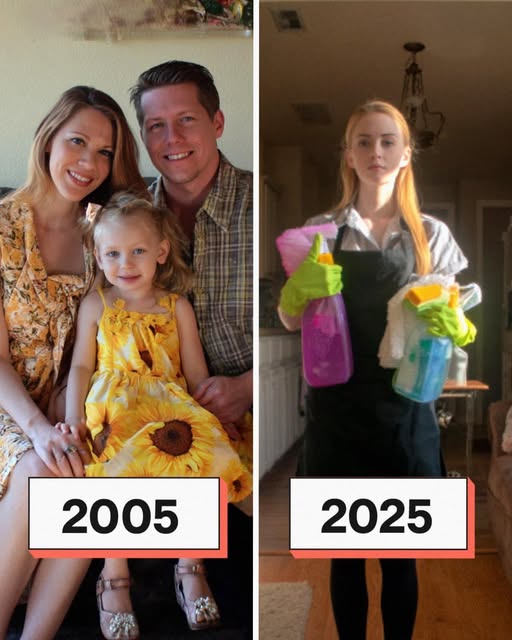
  • After My Parents Died, My Aunt Took Their Money and Gave Me Away – 20 Years Later, I Got Hired as Her Housekeeper

    After My Parents Died, My Aunt Took Their Money and Gave Me Away – 20 Years Later, I Got Hired as Her Housekeeper

    I took the new cleaning contract assuming it was just another wealthy client with a big house and a bigger ego. My company, PureSpace Services, had been growing fast — six employees, two vans, and a waiting list. We’d made a name for ourselves by being meticulous and discreet. But when I opened the booking request and saw the name “Diane,” my stomach tightened.

    My aunt.

    The woman who wrecked my life before I was old enough to understand what was happening.

    I was three when my parents died in a car crash. Everything they had — the house, the savings, the life insurance — was left in my name. At the funeral, Diane arrived dripping in pearls and perfume, floating from relative to relative like she was the grieving widow instead of the distant aunt no one really liked. She vowed to take care of me. “Family takes care of family,” she said.

    For a while, she played the part. She moved into my parents’ house, redecorated it like a magazine spread, and introduced herself to everyone as my guardian. But the performance didn’t last.

    One morning, she packed the house bare, emptied every account linked to my name, sold the property, and drove me to a foster home. No explanation. No hug. No goodbye. She left me there like I was an unwanted package.

    That day rewired me. By sixteen, I was cleaning houses after school to support myself. By eighteen, I was mopping corporate hallways until dawn. By twenty-three, I was running my own cleaning business — and I built every inch of it out of the wreckage she left behind.

    I thought I’d buried her memory for good. But then her booking popped up on my screen: “3,500 sq. ft. colonial. Weekly cleaning. Cash. Requires strict discretion.”

    Her full name. Her new address. And the irony: she was asking for trust.

    I could’ve declined. Any sane person would have. Instead I heard myself typing, “Accepted. I’ll handle this personally.”

    Three days later, I stood at her front door. The house was exactly what I expected — oversized, self-important, and screaming old money. When she opened the door, she looked almost unchanged from my childhood: pearls, perfect hair, and eyes as cold as polished stone.

    “Yes?” she snapped.

    “Good morning, ma’am,” I said evenly. “I’m with PureSpace Cleaning.”

    She gave me a fast, dismissive glance. “I hope you’re more competent than the last girl. Come in.”

    I stepped inside. The place was spotless to the point of obsession — but soulless. Everything looked curated, nothing looked lived in. A museum with scented candles.

    “Start upstairs,” she instructed. “And stay out of my jewelry box.”

    I nodded and got to work.

    Week after week, I came back. She still didn’t recognize me. Not once. But she loved to talk — not to me, just near me. She’d ramble on about charity galas, committee meetings, haute cuisine luncheons. She dropped names like confetti and bragged like it was oxygen.

    But then, one afternoon while I dusted the vanity in her room, she paused with a dramatic sigh.

    “I had a niece once,” she said, swirling her wine like she was reliving a tragedy.

    My heart didn’t speed up. It froze.

    “She was my sister’s child. Sweet girl at first. I tried to raise her, but she was… difficult. Ungrateful. Some children don’t appreciate sacrifice.”

    I kept dusting.

    “That must’ve been hard,” I said, my voice steady.

    She nodded, pleased with the attention. “Anyway, she disappeared long ago. For the best, honestly.”

    It took everything in me not to turn and look her dead in the face.

    Each visit became a test of control. The lies, the entitlement, the warped revision of my entire childhood — she believed every word she said. She had rewritten me out of her story like I never existed unless she needed to play the martyr.

    But I waited. Quietly. Carefully.

    A week later, she hosted a luncheon for her latest social-charity project. The dining room filled with women who all sounded exactly like her — polished voices, manicured opinions, and more gossip than substance. I moved through the rooms cleaning up glasses and plates while she performed for them.

    “We’ve worked so hard for everything we have,” she said, hand pressed to her chest with false humility. “My husband and I built our life from nothing.”

    Nothing? She built her life on the ashes of mine.

    After the guests left, she returned to her room to change for her evening plans. She called out irritably, “Bring up the fresh linens.”

    I carried them up, set them on the bed, and for the first time, spoke to her like myself.

    “You don’t remember me, do you?”

    She looked up, annoyed. “Am I supposed to?”

    I held her gaze. “I’m the niece who ‘disappeared.’ The one you abandoned after you drained everything my parents left me.”

    Her face went still — not with guilt, but with panic. The past she’d buried was standing in front of her holding a basket of linens.

    “That’s ridiculous,” she said sharply. “You can’t prove—”

    “I don’t need to prove anything to you,” I cut in. “I’m not here for revenge. I’m here because you hired me. And because I wanted you to see what I became without you.”

    She opened her mouth, but nothing came out.

    “I built my life from scratch,” I said. “I earned every dollar you stole. And while you spent twenty years convincing yourself you were the victim, I was actually living the life you tried to destroy.”

    She stepped back, gripping the vanity for balance. For the first time, I saw something real — not remorse, but fear of losing control of her carefully curated narrative.

    “I won’t be back next week,” I said. “I’m closing the contract. Hire someone else to polish your empty house.”

    I walked out, leaving her staring after me.

    The sun hit my face when I stepped outside, and it felt like oxygen after a lifetime underwater. I didn’t get justice in a courtroom. I didn’t get an apology. I didn’t expect one. What I got was better — the final word.

    Not as her victim.

    But as the woman she couldn’t break.

    If you want this expanded further, angled darker, or shifted into a different storytelling style, just say so.

  • My 6-Year-Old Daughter Drew Our Family and Said, This Is My New Little Brother, Her Words Left Me Speechless

    My 6-Year-Old Daughter Drew Our Family and Said, This Is My New Little Brother, Her Words Left Me Speechless

    When my daughter was born, I swore I’d protect her imagination the way no one protected mine. I wanted her to grow up believing that anything was possible, that her drawings, songs, and wild ideas were worth listening to. So when she came running into the kitchen early one Saturday morning, clutching her crayons and grinning with all the joy in the world, I didn’t think twice.

    “Mommy, look! I drew us!” she said.

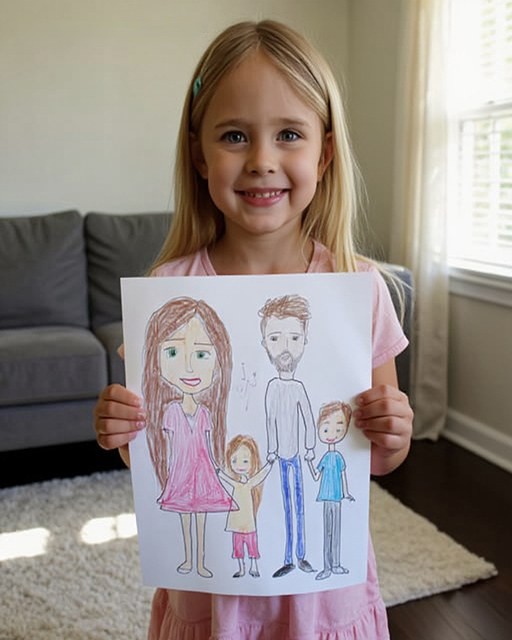
    I turned from the stove, spatula midair, and took the paper from her tiny hands. It was a typical kid drawing — uneven lines, bright colors, big heads, small bodies. Me with long hair. My husband, David, with short brown hair and that big square smile she loved to exaggerate. Our daughter in her favorite pink dress, a sun in the corner, flowers along the bottom, little hearts floating above us.

    Then my eyes stopped on something unfamiliar. There was a fourth figure.

    A little boy.

    He stood right next to her, holding her hand. His hair was dark, his shirt blue. And unlike her usual chaotic stick figures, this one had defined features. A face. Eyes. A hint of a smile. A strange level of care.

    I smiled, trying to keep it light. “Sweetheart, who’s this?”

    She looked up at me, unbothered and cheerful. “That’s my brother!”

    My hand froze above the frying pan. “Your… brother?” I said. “Do you mean your cousin?”

    “No, Mommy. My brother.” She said it like it was obvious. “He plays with me when you and Daddy are sleeping.”

    A small chill slid through me — not fear, just confusion. Kids have imaginary friends. It’s normal. But this felt… specific.

    “What do you mean he plays with you?” I asked.

    She shrugged like it was nothing. “We play house. He’s nice.”

    I kissed her cheek and hung the drawing on the fridge. But something about that little boy’s face stuck with me. The shape of it looked familiar, though I couldn’t pinpoint why.

    I chalked it up to coincidence and moved on.

    But the week that followed made everything harder to ignore.

    David had been acting strange lately. More distant. Distracted. He used to spend his evenings building Lego towers with our daughter, reading her stories, dancing with her in the living room. Over the last month, that version of him faded. He came home late. Took phone calls in the hallway. Turned his screen away when I walked by.

    Once, a notification lit up on his phone. A name flashed before he locked it: Anna.

    I asked what was going on. He brushed it off with a smile and a kiss. “Just work stress. Nothing to worry about.”

    Meanwhile, our daughter kept talking about “her brother.”

    One night, while tucking her in, she whispered, “He said he misses Daddy.”

    My heartbeat spiked. “What did you say, baby?”

    She repeated it, soft and certain. “He misses Daddy. He said Daddy doesn’t visit anymore.”

    The air left my lungs. “What’s his name?”

    “I don’t know,” she said. “But he looks like Daddy.”

    That night I didn’t sleep.

    The next morning, after David left for work, I went into his study. I never touched that room — he liked to keep it organized “his way.” His laptop was open. My hands shook as I entered our anniversary date.

    His files loaded instantly.

    It took a few minutes of digging before I found a folder labeled “Misc.” Inside, between receipts and random documents, were photos I had never seen.

    The first one nearly made my knees buckle.

    David was standing in a park, holding a little boy who looked exactly like the one in my daughter’s drawing. Same brown hair. Same dimple. Same smile.

    The timestamp was from a year ago.

    Another photo showed the boy on David’s shoulders, both laughing. And next to them, a woman. The same woman whose name had appeared on his phone.

    Anna.

    I stared at the screen until my vision blurred. My husband had a son. A son he never told me about. A son our daughter somehow sensed before I ever caught on.

    That evening, when David walked in the door, loosening his tie and asking about dinner, I looked at him with a new kind of clarity.

    “We need to talk,” I said.

    His eyes flickered. “Okay… about what?”

    “Who is Anna?”

    He froze. That half-second was all the answer I needed.

    “I saw her name on your phone,” I continued. “And the photos. The boy. Your son.”

    He sank onto the couch, burying his face in his hands. “I didn’t want you to find out like this.”

    “So it’s true?”

    “Yes.”

    He told me the story — that he and Anna had dated in college, that she got pregnant after they broke up, that he didn’t know until years later, after he and I were engaged. That she didn’t want to interfere with his “new life.”

    “And you agreed to that?” I asked, voice cracking. “You kept this secret for years?”

    He nodded, defeated. “I thought I was protecting you. I thought I could handle it quietly.”

    The words tasted like poison.

    “You weren’t protecting me,” I said coldly. “You were protecting yourself.”

    Then I told him what our daughter had said. What she’d drawn. How she already knew she had a brother without anyone saying a word.

    David stared at me in disbelief. “I don’t understand how that’s possible.”

    Neither did I. But the truth was staring us in the face — kids see things adults miss. Especially the things we try to hide.

    Days passed in a haze of silence and arguments. But eventually, we agreed we couldn’t shield our daughter from reality when she’d already put the pieces together herself.

    One weekend, we took her to the park — the same one from the photos. She ran ahead, laughing. That’s when I saw him.

    A small boy with dark brown hair.

    He spotted my daughter, and both kids froze for a split second — then smiled, like they’d known each other forever, and ran toward the swings together.

    Anna approached quietly, looking unsure. “I didn’t want to cause trouble,” she said. “They just… seem connected.”

    I nodded. “They are.”

    The rest of the day was awkward, emotional, and strangely healing. Two families, thrown together by a truth that refused to stay buried.

    The months that followed were rough — therapy sessions, trust rebuilding, long conversations that cut deep. But slowly, painfully, a new reality formed. Not perfect. Not simple. But real.

    One evening, I found a fresh drawing on the fridge. Five figures now: me, David, our daughter, the little boy, and Anna. All holding hands under the same sun.

    In her world, family didn’t break — it expanded.

    Maybe she was right. Maybe love could survive the mess, the secrets, the heartbreak. Maybe it could grow stronger because of it.

    And for the first time since everything fell apart, I let myself believe that our story wasn’t ending.

    It was changing.