Category: General News

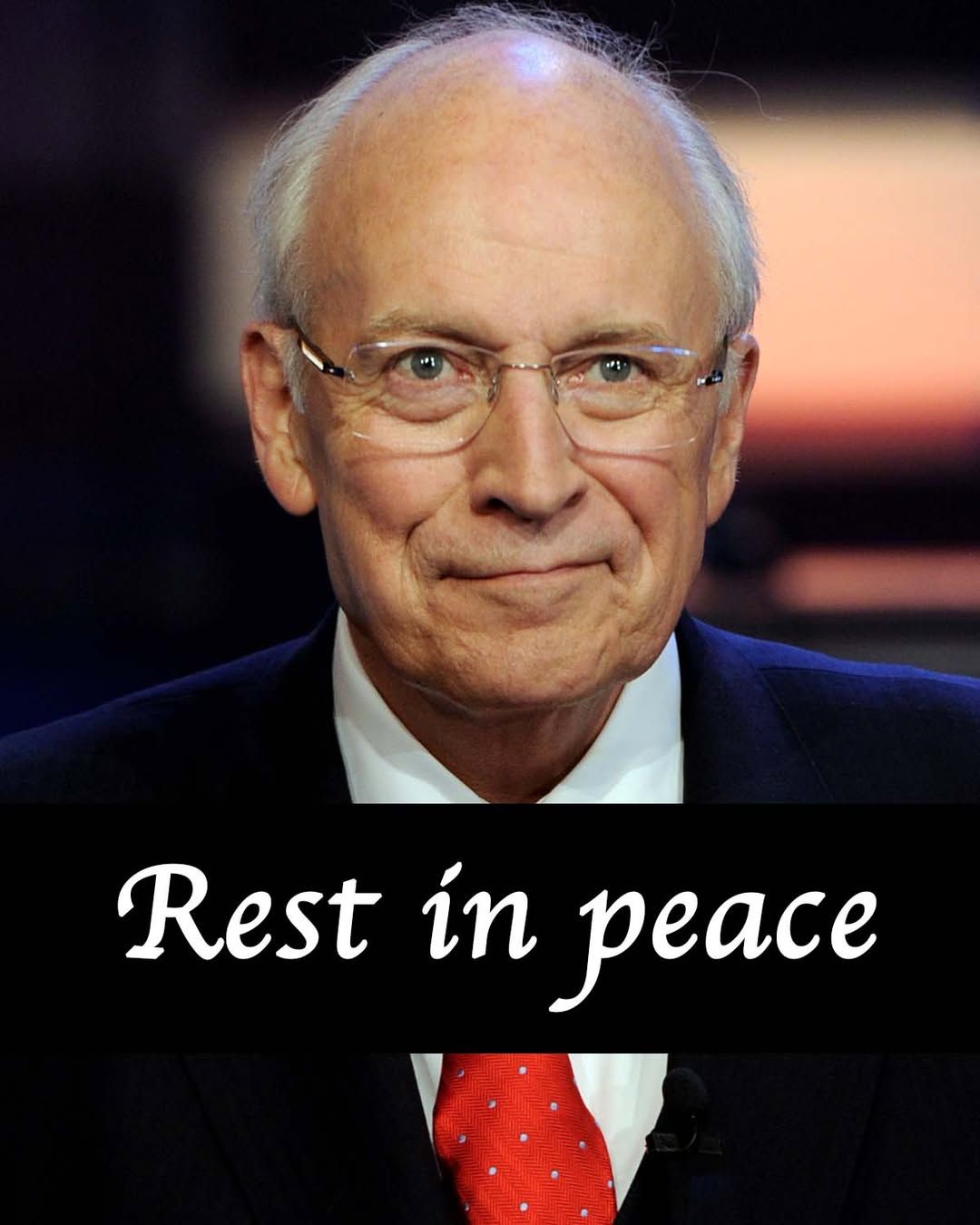
  • Breaking – Former vice president Dick Cheney dies at 84!

    Breaking – Former vice president Dick Cheney dies at 84!

    He died on November 3 2025, at 84, leaving behind a life that was as consequential as it was contested. His family said the cause was complications from pneumonia and chronic heart and vascular disease. People.com+1

    Roots & Ascent

    Dick Cheney was born January 30 1941, in Lincoln, Nebraska, and grew up in Casper, Wyoming. HistSecDef+1 He studied political science at the University of Wyoming (earning both a B.A. and M.A.) after a brief stint at Yale. George W. Bush White House Archives+1
    His early career was not glamorous: from congressional aide, to positions under Nixon and Ford, culminating in his service as the youngest White House Chief of Staff under Gerald Ford. Biography+1
    He served six terms as a U.S. Representative from Wyoming (1979–1989) before being appointed Secretary of Defense under President George H.W. Bush from 1989 to 1993. Wikipedia+1

    The Vice Presidency

    In 2000, George W. Bush chose Cheney as his running mate. From 2001 to 2009, Cheney served as the 46th Vice President of the United States. Wikipedia+1
    His tenure redefined the office: after the September 11 attacks, Cheney helped shape America’s response — the wars in Afghanistan and Iraq, an expanded surveillance state, and a broad concept of executive power. Encyclopedia Britannica
    Whether one admired or opposed him, both agreed he wielded great influence: some historians call him the most powerful Vice President in U.S. history.

    Style and Philosophy

    Cheney believed strongly in a robust executive branch. He once said, “The Constitution doesn’t prohibit a strong executive. It assumes one.” That belief underpinned his every major decision.
    His critics saw him as a symbol of unchecked power and secrecy; his supporters regarded him as a decisive strategist who refused to sacrifice security for popularity.

    The Man Behind the Public Role

    Behind the formidable public persona was a man of more modest interests: hunting, fly-fishing in Wyoming, and home life. He married Lynne Cheney in 1964, and they had two daughters, Liz and Mary, and several grandchildren. His marriage lasted over six decades. Encyclopedia Britannica
    Those who knew him remarked on his dry wit, loyalty, and intensity — traits that translated seamlessly into his public career.

    Health Battles

    Health issues shadowed Cheney throughout his adult life. He suffered his first heart attack at 37, followed by multiple cardiac events. In 2012 he received a heart transplant. Wikipedia
    Despite these challenges, he remained active in public life long past what many considered the usual retirement age.

    Legacy: Divided and Durable

    Cheney’s legacy is complex. He shaped American policy for decades — on defense, foreign policy, executive authority, and national security.
    To some, he was a patriot, a thinker, someone who understood the machinery of power better than most. To others, he represented danger: the expansion of presidential authority, the erosion of civil liberties, a “war presidency” unfettered.

    When asked late in life how he wanted to be remembered, he said simply: “I served my country the best way I knew how. History will make its judgment. I’ve made mine.”

    Final Thoughts

    He leaves behind his wife Lynne, daughters Liz and Mary, grandchildren, and a nation still wrestling with many of the issues his career helped define. People.com+1
    In the end, Dick Cheney lived as he governed — quietly powerful, fiercely determined, and on his own terms.


  • Do Not get fooled by the supermarkets, They are selling you meat from! See more

    Do Not get fooled by the supermarkets, They are selling you meat from! See more

    Supermarkets have always relied on one thing to keep customers loyal: trust. Shoppers trust that what they’re buying is what the label says it is, that the quality matches the price, and that the food they bring home to their families is safe. But recently, that trust has started to crack — not because of a single dramatic incident, but because of a slow, unsettling pattern that customers around the country began noticing at nearly the same time.

    It started with something small: the texture of certain packaged meats seemed… off. Not spoiled, not obviously bad, but strangely inconsistent. One week the steak tasted rich and tender, the next week it was stringy and oddly watery. Chicken breasts that had always cooked normally suddenly released a flood of liquid in the pan. Ground beef browned unevenly, had an unusual smell, or behaved in ways long-time home cooks couldn’t quite explain.

    At first, shoppers chalked it up to a bad batch. Maybe the store had rushed inventory. Maybe a truck had been delayed. Maybe colder temperatures during transport created the odd texture. People grumbled, returned packages, exchanged them for something else — but it wasn’t enough to raise alarms.

    Then the complaints multiplied.

    Online forums filled with identical experiences. Local Facebook groups shared warnings. Food bloggers wrote long posts comparing batches they’d purchased weeks apart. Something wasn’t right, and it wasn’t isolated.

    What finally broke the silence was an independent investigation by a small food-testing group that decided to analyze several suspicious products bought from multiple stores. They weren’t expecting anything dramatic — maybe poor handling, maybe incorrect storage temperatures. But what they found was more complicated, and far more concerning.

    Certain meat distributors — not the grocery chains themselves, but companies supplying them — had quietly begun mixing lower-grade imported meats with higher-quality domestic cuts. Sometimes the meat came from facilities with minimal oversight or vague regulatory histories. Sometimes it was simply a cheaper grade being blended and repackaged without disclosure.

    This wasn’t about safety. The meats weren’t contaminated or dangerous. But they were mislabeled, misrepresented, and absolutely not worth the “premium” price tags shoppers were paying.

    The packaging looked exactly the same as always: clean labels, familiar logos, certified stamps. The prices hadn’t changed. The shelves didn’t look any different. The deception was subtle — subtle enough that most customers never would have known without the shifting taste and texture giving it away.

    When the findings hit the public, food safety experts were quick to voice their concerns. Not about immediate harm, but about transparency. For years, consumers have already struggled to decipher confusing labels like “natural,” “enhanced,” “injected,” and “processed in.” Now it became clear that even labels that seemed straightforward could hide uncomfortable secrets.

    One expert put it bluntly: “The problem isn’t the meat. The problem is the lie.”

    Supermarkets were quick to distance themselves. They insisted they had no idea what was happening inside their suppliers’ processing facilities. They emphasized that they rely on certifications, audits, and compliance from third-party distributors. And in fairness, that’s true: grocery chains aren’t the ones grinding, cutting, or mixing the meat. They’re the end point in a much larger supply web.

    But customers didn’t care about corporate hierarchies. They cared that the steak they bought last week wasn’t the quality they paid for. They cared that chicken that used to taste like chicken now tasted like water and preservatives. They cared that companies they trusted to feed their families didn’t notice — or didn’t look closely enough.

    One mother, interviewed outside a market, summed up the feeling perfectly: “I can’t afford to waste money. If I’m buying something labeled premium, I expect premium — not leftovers from who-knows-where that got slapped under a fancy brand.”

    Online, frustration turned into anger. Consumers shared photos, receipts, even videos of meats cooking down into half their size due to excessive moisture. Some started checking country-of-origin labels more carefully. Others abandoned certain brands altogether.

    As the controversy grew, supermarkets scrambled to regain control. Many issued statements promising to review their supply chains. Some cut ties with the distributors involved. Others launched internal quality audits to verify that their products matched what the labels promised.

    But the damage was done. Trust, once shaken, rarely snaps back into place.

    Consumers began asking bigger questions — not just about meat, but about everything they buy.

    Where do our groceries really come from?
    What happens between the farm and the shelf?
    How many steps — and how many hands — handle our food before we touch it?
    How much do labels actually reveal?

    Food transparency advocates have warned for years that the supply chain is too complex, too opaque, too vulnerable to cost-cutting shortcuts. Now millions of everyday shoppers were seeing it for themselves.

    Experts gave simple advice:

    Read labels carefully — especially the fine print.
    Choose brands known for consistent quality.
    Buy from local butchers or farms when possible.
    Research companies, not just products.
    Pay attention to recalls and public reports.

    None of these suggestions solve the deeper problem, but they give consumers a slight advantage in a system built on speed and volume.

    Meanwhile, regulatory agencies announced they were reviewing documentation from the distributors involved. Some hinted at possible fines. Others promised tighter oversight. Whether any of these changes will last, or whether they’ll fade when headlines quiet down, remains to be seen.

    For now, supermarkets are in damage-control mode. They’re issuing assurances, tightening supplier requirements, and trying to convince customers that the products on the shelves are exactly what the labels claim.

    But the truth behind this whole situation is simple, and it’s bigger than meat:
    Consumers don’t want to guess what they’re feeding their families.
    They don’t want marketing disguised as honesty.
    They don’t want to pay top dollar for something that belongs in the bargain bin.

    They want transparency.
    They want choice.
    They want respect.

    And they deserve all three.

    This incident didn’t cause a food crisis — but it did expose a trust crisis. And that’s harder to fix. Because trust isn’t restored with coupons, statements, or promotional sales.

    It’s restored when companies stop assuming customers won’t notice.

    When the food industry stops cutting corners behind closed doors.

    When the labels finally tell the truth — all of it.

    Until then, shoppers will keep looking closer, reading deeper, and questioning more. And maybe that’s the one good thing to come out of all of this: people are paying attention now. And once consumers start paying attention, they rarely stop.

  • Father Discovered His Twin Sons Were Actually His Brothers, The Truth Tore His Family Apart!

    Father Discovered His Twin Sons Were Actually His Brothers, The Truth Tore His Family Apart!

    I can still feel the exact moment my life cracked in half, like someone had taken a hammer to everything I thought was solid. It didn’t happen during an argument or a dramatic confession. It started with something stupidly ordinary — a medical form at a pediatric appointment.

    Our twin boys, Jacob and Mason, had just turned eight. Two tornadoes in sneakers. Wrestling each other on the living room rug one minute, building Lego cities the next. They were smart, funny, loud, exhausting — everything you picture when you think of healthy, happy boys. Hannah and I used to say they were the best thing we ever did together.

    Then Jacob started getting strange bruises and frequent nosebleeds. Nothing catastrophic, but enough for the pediatrician to run some precautionary genetic tests. They swabbed both boys, then asked Hannah and me to provide samples “for comparison.” I handed mine over without a second thought.

    A few days later, the doctor’s office called.

    The nurse’s voice was strange — too careful, too polite. She told me the boys were fine medically, but there was something unusual in the paternity portion of the test. They needed me to come in.

    “Can’t you just tell me over the phone?” I asked, already feeling a weight settle in my gut.

    Another pause, heavy enough to crush bone.

    “Mr. Harper… according to the results, you are not biologically related to the twins.”

    The world didn’t just tilt — it split. I remember gripping the edge of my desk, staring at a stack of client files like they suddenly belonged to someone else.

    “There’s a mistake,” I said. “Run them again.”

    She agreed. But the damage had already begun.

    That night I told Hannah. The moment the words left my mouth, her expression shifted — fear, guilt, grief — all in one flash.

    “Those tests aren’t always accurate,” she said quickly. “We should redo them.”

    I could hear the panic in her voice. But I could also see something else. Something she’d been carrying for years.

    We went to a different clinic the next morning. I watched every step of the process myself, making sure nothing could be questioned.

    A week later, the new results came in.

    Not my biological children.

    But the twist was worse. Much worse.

    The twins were related to me. They shared half my DNA — not as my sons, but as my half-siblings.

    The father of my children… was my own father.

    I didn’t scream. I didn’t cry. I just sat there, staring at the paper like it was written in another language. My mind was quiet — too quiet — the way the world gets right before a tornado hits.

    When I finally got home, Hannah was waiting, sitting rigidly on the couch. She knew. And she knew I knew.

    “How long have you known?” I asked. My voice didn’t sound like mine.

    Her lips trembled. “It was before I met you. Before I even knew who you were.”

    “No games,” I said. “Tell me the truth.”

    So she did. In a shaky, halting voice.

    She’d met a man years before we ever started dating. A man who charmed her, flirted with her, and disappeared after a single night. She didn’t know his last name. Didn’t know he was older. Didn’t know he was married.

    Didn’t know he was my father.

    When she became pregnant, she tried contacting him, but got nowhere. Months later, she met me — and by some cosmic cruelty, realized the man she’d slept with was my father only after we were already falling for each other.

    “I was terrified,” she whispered. “I didn’t know how to tell you. I thought I’d lose you forever. And when the boys were born… you loved them so much. You were their father. I thought the truth didn’t matter anymore.”

    “You should have told me,” I said. “You should have told me before we built a life based on a lie.”

    She broke. Sobs wracked her shoulders.

    I walked out. I had to. Staying in that room felt like drowning.

    Hours later, without even thinking, I ended up at my parents’ house.

    My father answered the door wearing that same calm, detached expression he always had. The one that used to make people trust him instantly. The one that now made my stomach turn.

    I handed him the test results.

    He read them, his face going pale. He didn’t deny it. Didn’t even try.

    “It was a mistake,” he said quietly.

    “A mistake?” I snapped. “You slept with my wife before she was my wife.”

    He swallowed hard. “I didn’t know she was going to end up with you. I met her once. I never even knew she was pregnant.”

    “And when you DID figure it out?”

    He looked away, shame flickering across his face. “I didn’t know how to tell you. I thought… if I said nothing… it would spare you.”

    No apology. Just justification.

    I walked out before the rage in me did something irreversible.

    The next few days were a blur. A small motel room. Missed calls. Messages from Hannah saying the boys were asking for me. I didn’t know how to breathe, let alone respond.

    The twins were innocent. They were the victims in all this. But every time I closed my eyes, I saw my father’s face stamped onto theirs — the same smile, the same dimples. It made me sick.

    When I finally came home, the boys sprinted toward me, shouting “Dad!” and tackling my legs.

    And that’s the moment I broke.

    Because I loved them. Because they were mine — maybe not by blood, but by every scraped knee, every bedtime story, every moment that mattered.

    Later that night, after they fell asleep, Hannah and I talked.

    She looked destroyed. “I know you’ll never forgive me,” she said. “But please… don’t abandon them.”

    “I won’t,” I said. “But you and I… we’re done.”

    She nodded, tears sliding down her cheeks. “I know.”

    That was months ago. We’re separated now. Not legally — yet — but separate lives, separate homes, separate everything. I’m still Dad on the weekends. I still take the boys fishing, teach them how to fix their bikes, help them with homework. They don’t know the truth, and maybe they won’t for a long time.

    My father moved out of state after my mother found out. Turns out the shame hit her harder than it hit him. I haven’t spoken to him since.

    I don’t know what forgiveness looks like in this situation. I don’t know if it’s possible. Some wounds don’t heal. They just become part of you.

    But I do know this:

    The twins are mine. Not by biology. Not by accident. But by love, by effort, by every day I showed up.

    And maybe that’s enough.

    Maybe the man I become next isn’t the man shaped by betrayal.

    Maybe he’s the man shaped by who he chooses to love — even when everything else falls apart.

  • First Democrat Casualty Of Epstein Fallout Stepping Down!

    First Democrat Casualty Of Epstein Fallout Stepping Down!

    The announcement landed quietly, almost like a footnote — a short statement emailed to reporters just after dawn. But within minutes, the shockwaves had spread through newsrooms, political circles, and social media feeds across the country.

    Jonathan Hale — economist, strategist, former university president, former Treasury Secretary, and one of the most influential Democratic voices of the past three decades — was stepping back from public life.

    He didn’t resign. He didn’t retire. He simply wrote one sentence that signaled the end of an era:

    “Given recent revelations, I will be reducing all public engagements indefinitely as I work to rebuild trust with those closest to me.”

    The “revelations” he referred to came from a single source: a 700-page cache of documents released by the House Committee on Oversight and Accountability. The collection, known publicly as the Vesper Files, contained seven years of correspondence between Hale and a disgraced financier named Marcus Vesper — a man whose name had become synonymous with scandal, manipulation, and abuse.

    For years, rumors had swirled about Vesper’s connections to high-profile individuals. But rumors were easy to ignore. Emails were not.

    The Long Shadow of an Old Relationship

    The documents showed that Hale and Vesper had maintained contact long after Vesper’s first conviction in 2009. Their exchanges weren’t merely perfunctory check-ins or political pleasantries. They were personal. Casual. At times, unsettlingly close.

    Committee members were stunned to discover messages sent as recently as July 2019 — one day before Vesper’s second arrest on federal charges.

    What made the findings so explosive wasn’t simply the timeline. It was the tone. The emails revealed a dynamic that felt deeply at odds with Hale’s public persona — the measured intellectual, the moral compass of his party, the cautious technocrat who prided himself on discipline and control.

    In one message, Hale confided in Vesper about a romantic interest, asking for advice with an awkward vulnerability. In another, Vesper jokingly referred to himself as Hale’s “wingman.” The chat logs showed Vesper offering introductions, favors, and private events — the kind of influence that corrodes reputations from the inside out.

    None of the messages contained illegal activity. But the optics were devastating.

    The Disconnect Between Public Image and Private Choices

    Hale had always been perceived as a man who played the long game — smart, steady, strategic. Even critics admitted he had a gift for navigating crises without leaving fingerprints. His tenure in academia and government was marked by complex decisions and controversial reforms, but his intellect was rarely questioned.

    He had built an identity around being the adult in the room, the one who kept emotion out of policy, the one who reminded others of the ethical cost of cutting corners.

    The emails told a different story — not criminal, but naïve. Not malicious, but uncomfortably dependent. A brilliant man blinded by a relationship he should have severed years earlier.

    Political allies were blindsided. Critics pounced. Commentators filled airtime with speculation. Was Hale manipulated? Or complicit? Was he protecting someone? Or simply unwilling to confront his own mistakes?

    For the first time in his career, Hale said nothing.

    A Controlled Implosion

    When Hale’s statement arrived, it was clinical and brief, giving the public nothing to cling to, nothing to dissect.

    Close aides later revealed that the situation had caused turmoil in Hale’s personal life. His partner reportedly felt betrayed, believing Hale had kept parts of his past deliberately obscured. Friends described him as “ashen,” “quiet,” and “more shaken than anyone had ever seen him.”

    He wasn’t stepping back because a committee asked him to.

    He was stepping back because the people who mattered to him — the few who had survived decades of political storms — were now questioning the foundation of their trust.

    And for Hale, that was the one thing he couldn’t spin, rationalize, or out-think.

    Fallout and Reflection

    Political operatives scrambled to assess the damage. Donors whispered. Academics distanced themselves. A handful of loyalists insisted Hale had done nothing morally wrong — that bad judgment should not be equated with bad character.

    But the broader public didn’t see nuance.

    They saw another powerful man who maintained ties to someone everyone else knew to avoid.

    They saw ego disguised as mentorship.

    They saw a failure of judgment large enough to overshadow a lifetime of work.

    The committee stopped short of recommending further investigation, noting that the emails contained no evidence of criminal behavior. But the report concluded with a single, damning observation:

    “Proximity to predators fosters their power. Those who ignore that truth bear responsibility for their silence.”

    Hale never responded.

    A Legacy Interrupted

    As the dust settled, one thing became clear: Jonathan Hale’s influence — once vast, far-reaching, and nearly untouchable — had collapsed in the span of one news cycle.

    Not because he broke the law.

    Not because he engaged in the crimes committed by Marcus Vesper.

    But because he failed to sever ties with a man everyone else had the sense to walk away from.

    Powerful careers often end in scandal, fury, or denial.

    Hale’s ended in something quieter, stranger, and maybe more tragic:

    self-inflicted disappointment.

    He disappeared from cameras, campuses, and conferences. His final public act was not a speech, not a policy, not a warning.

    Just a retreat.

    A reminder that sometimes brilliance blinds people to the dangers of loyalty — and that even the most respected figures can underestimate the cost of standing too close to someone who has already fallen.

  • BREAKING NEWS confirms that the Earth will begin to! See more!

    BREAKING NEWS confirms that the Earth will begin to! See more!

    Rumors spread faster than facts. They always have, but the digital age turned whispers into explosions. That’s exactly what happened when a fringe website published a single, vague headline claiming that on November 27th, the Earth would experience a “global-level event” that would “affect more than 10,” without explaining what “10” meant — continents, countries, cities, geological points, energy systems? Nothing. Just enough ambiguity to hook the anxious, and enough drama to ignite the internet like dry grass.

    It started like most modern panic cycles do: a screenshot, ripped from context, plastered across social media with captions like “WHAT IS THIS???” and “SOMEONE EXPLAIN.” Nobody knew where the claim came from. Nobody asked. It didn’t matter — the headline was terrifying enough to fuel a wave of speculation.

    By midnight, conspiracy channels were already stitching together their own explanations. Some said it referred to a chain of solar flares. Others insisted it meant a magnetic pole shift, or a meteor, or a secret government experiment finally going wrong. A few went even darker, talking about global blackouts, tectonic resets, or “The Silence,” a term someone invented on the spot, which somehow became a trending hashtag by morning.

    Within hours, the algorithm treated the rumor like breaking news. Millions saw it before a single scientist even knew it existed.

    The original post itself was a mess. The grammar was shaky. The timeline made no sense. The images attached looked AI-generated. There were no sources. No references. No author listed. Just one dramatic line claiming “BREAKING NEWS confirms that the Earth will begin to…” — and then a click-through link that led to nothing but ads, pop-ups, and a paragraph that contradicted itself twice.

    But fear doesn’t bother with details. It just spreads.

    By noon the next day, emergency hotlines reported an uptick in callers asking about earthquakes that hadn’t happened. School forums lit up with parents wondering whether they should cancel trips. A few people started stocking up on water and canned food. Gas stations got a little busier — just enough for the rumor to feel “real.”

    That’s always how it works: panic creates evidence of panic, which convinces more people the threat is real.

    The website behind the claim doubled down, posting cryptic follow-ups hinting that “governments are hiding the truth” and “only those paying attention will understand.” Again, no proof. No data. No expert commentary. Just enough uncertainty to drag more people into the anxiety loop.

    Scientists stepped in eventually, but skeptics brushed them off. It didn’t matter that geologists were baffled, or that astronomers pointed out there was no unusual planetary activity scheduled for the end of November. “Of course they’ll deny it,” commenters said. “They always do.”

    It became a self-fulfilling belief system: any reassurance was treated as evidence of a cover-up.

    Meanwhile, people who actually understood the Earth — its cycles, its quakes, its solar interactions, its atmospheric shifts — could only shake their heads. They knew the truth: real global events don’t need cryptic blogs to announce them. Real science doesn’t hide behind blurry graphics and breathless punctuation.

    But the story kept growing. News anchors began referencing it, not because they believed it, but because ignoring it became impossible. If millions of people were talking about something, journalists had to address it — even if it was nonsense. Once a rumor reaches that scale, the truth has to fight for oxygen.

    Psychologists were asked to comment. They explained, patiently, that humans are wired to gravitate toward dramatic predictions because uncertainty feels worse than fear. Fear is tangible. Fear gives you a plan. Uncertainty leaves you suspended.

    When people sense instability in the world — political tension, financial strain, climate anxiety, the constant hum of global unease — they become more vulnerable to sweeping narratives that promise an explanation, even a catastrophic one.

    A doomsday headline, no matter how flimsy, gives shape to the dread people already carry.

    Researchers also pointed out something else: vague predictions spread better than specific ones. “Something will happen” is powerful because it can be twisted to fit anything — a storm, a protest, a stock market dip, a celebrity scandal, an earthquake on the other side of the world. The brain connects dots that were never meant to be connected.

    By November 25th, governments had issued quiet clarifications, not because they were worried about the date, but because they were tired of misinformation causing real-world disruption. Grocery stores reported small waves of panic buying. Two school districts sent letters home to calm parents. One small town even held an emergency council meeting because residents demanded “answers.”

    The irony was painful: the rumor created its own crisis.

    On November 27th itself — the big day — the world woke up, stretched, and kept spinning as usual. No cosmic shift. No catastrophic chain reaction. No mysterious countdown. Planes took off. Dogs needed walking. People went to work. Weather systems did what weather systems always do: behave with their usual mix of chaos and normalcy.

    The only notable event that day was the global exhale of people realizing, once again, that the internet had tricked them.

    But the lesson lingered.

    A psychologist interviewed afterward said it best: “The danger isn’t the rumor. It’s the fact that people don’t know how to recognize unreliable information. That’s the real global threat.”

    The website responsible for the claim didn’t apologize. It didn’t retract anything. Instead, it posted a new article suggesting that the “energetic shift” had happened “spiritually” and that only the “awake” would understand. The comments filled instantly with people claiming they had “felt something.”

    And the cycle continued.

    Because misinformation doesn’t die. It mutates.

    The truth is simple: if a major Earth event were actually coming, you wouldn’t find the warning buried on a sensational blog with no evidence. You’d hear it from astronomers, researchers, universities, observatories, geological agencies, and international scientific coalitions.

    Real science doesn’t whisper in the shadows.

    But conspiracy sites do — because whispers spread faster than facts.

    In the end, the story wasn’t really about Nov. 27th at all.

    It was about the ease with which fear travels, the cracks in our collective skepticism, and the uncomfortable truth that in a world full of noise, credibility has become something people need to learn — not assume.

    And as long as people chase the scariest headlines they can find, there will always be someone willing to write them.

  • Only 3 Minutes Ago! Tragedy Hit! Princess Anne announces a royal family member has PASSED AWAY this morning, prompting Harry and Meghan to rush home, Sadly, that person was!

    Only 3 Minutes Ago! Tragedy Hit! Princess Anne announces a royal family member has PASSED AWAY this morning, prompting Harry and Meghan to rush home, Sadly, that person was!

    A day that began quietly for most of the United Kingdom was suddenly shaken by an emotional and unexpected announcement from Princess Eleanor of Westmarch — one that rippled through the monarchy and the public like a cold shockwave. Standing before cameras in Windsor’s East Hall, her voice steady but her eyes heavy with grief, she delivered the news no one anticipated.

    “It is with profound sadness that I share the peaceful passing of Lady Amelia Rothesay, my beloved cousin and one of the gentlest souls in our family. She devoted her life to grace, to culture, and to service. We are heartbroken.”

    Lady Amelia, 61, was the only daughter of the late Princess Helena, younger sister to Queen Margaret II. Although technically a royal, Amelia had lived most of her life outside the spotlight — by choice. She was known for her quiet strength, her artistry, and her unwavering loyalty to her family, even during its most turbulent years.

    A trained painter and patron of the Royal School of Illustration, Lady Amelia was admired for her devotion to the arts more than her lineage. Her exhibitions, often held without fanfare, drew admirers from around the world who praised her for capturing emotion in a way that felt almost sacred.

    The palace confirmed that Amelia passed away early this morning after a short but severe illness that had not been made public. She died in her London townhouse, surrounded by her sons, her husband, and two close friends who had kept vigil by her bedside.

    News of her death stunned not only royal-watchers but also those within the monarchy itself. Amelia was not a controversial figure. She was not a politician. She was simply loved — quietly, deeply, and consistently.

    But the shock deepened when a secondary announcement leaked only minutes later: Prince Adrian and his wife, Duchess Maren of Redwood — who had long been based abroad — were now urgently returning to the UK.

    The couple, who stepped back from royal duties three years ago and moved to the United States, had maintained a warm relationship with Lady Amelia despite the significant physical and emotional distance from the family.

    According to palace insiders, Prince Adrian had always regarded Amelia as one of the few relatives who treated him not as a symbol, not as a disgraced heir, but simply as a human being. He once described her, privately, as “the rare kind of royal who understands duty without losing her heart.”

    Those closest to Amelia said she never judged Adrian for his decisions to leave the institution behind. Instead, she wrote him letters — handwritten, thoughtful, sometimes pages long — whenever the tabloids tore into him. She believed in honesty, not hostility; compassion, not control. Adrian was reportedly one of the few people she trusted with her truest feelings about the pressures of royal life.

    It was no surprise to anyone who knew their bond that Adrian and Maren booked the next available flight as soon as the news reached them.

    The monarchy, already navigating a period of transition and public skepticism, felt the loss deeply. King Rowan III, who grew up playing in the gardens of Summerwood House with Amelia, is said to be “devastated beyond words.” Sources close to him say he was informed late last night, and has since canceled a week of engagements to privately grieve.

    Princess Eleanor, who announced Amelia’s passing, was particularly close to her cousin. Their childhood photos show them walking hand-in-hand, attending school together, and sharing laughter at family holidays when the cameras weren’t there. Eleanor once referred to Amelia as “my anchor,” a description that now feels painfully literal.

    The royal household has entered an official period of mourning. Flags have been lowered. Public appearances have been postponed. The palace gates, usually buzzing with tourists, have grown unnaturally still.

    But behind those gates, something else is happening — something quieter.

    Servants say they’ve seen elderly retainers who knew Amelia in their youth crying openly. Staff members who worked with her at the Royal School of Illustration described her as “the kindest woman in a cruel environment.” Her art students, some of whom she had personally mentored out of difficult circumstances, gathered outside the palace with their sketchbooks, holding them to their chests in silent tribute.

    The public response has been overwhelming. Social media flooded instantly with messages, sketches, and memories. Many recalled moments when Amelia appeared unexpectedly at their local exhibitions or community events, always without security, always smiling, always sincere.

    Even critics of the monarchy — and there are many — seemed to agree on one thing: she represented the best of what royalty could be, but rarely was.

    As Prince Adrian and Duchess Maren’s plane crossed the Atlantic, tabloids churned out speculation about whether the tragedy might reunite the fractured family. Some commentators suggested Amelia’s passing could be the emotional catalyst needed to mend years of estrangement. Others argued the rift was too deep, too political, too public.

    No one knows the answer yet — perhaps even Adrian and Maren don’t.

    What is certain is this: monumental grief has a way of dragging truth to the surface.

    According to a palace aide, Amelia’s final days were filled with requests for letters, calls, and personal messages to specific family members — not to repair public relationships, but private ones.

    “She wanted peace,” the aide said. “Not for the institution. For the people she loved.”

    Amelia’s funeral is expected to be held at St. Brigid’s Chapel next week, a small, ivy-covered church she adored for its quiet charm. The king will attend. Princess Eleanor will deliver the eulogy. And Prince Adrian, despite years of distance, will reportedly be seated in the front row.

    The royal family has weathered scandal, scrutiny, abdications, divorces, and political storms — but loss is the one thing that strips away ceremony and leaves only humanity.

    Lady Amelia Rothesay lived without demanding attention, and died without spectacle. Yet in her absence, she has drawn the scattered branches of her family back into one moment of collective grief.

    For the public, the headlines may fade. For the monarchy, the ceremonial mourning will end. But for those who truly knew her — the cousins who leaned on her, the artists she inspired, the prince she comforted across an ocean — her absence will carve a space that cannot be filled.

    And perhaps, in the quiet gravity of her passing, something long-broken might finally begin to heal.

  • Trump called for his own party to release them!

    Trump called for his own party to release them!

    A strange late-night clip made the rounds online: a visibly agitated former president delivering what sounded like an ominous warning to a reporter. The video set off a wave of commentary, accusations, and armchair psychoanalysis. But the moment drove home something larger — how volatile presidential communication has become in the modern media environment, especially when global tensions are high and every sentence is treated like a foreign-policy signal.

    Presidential communication today exists in a pressure cooker. Every world leader speaks under scrutiny, but no one faces the same real-time dissection as the American president. Once upon a time, presidential messages were measured, deliberate, and filtered through layers of advisers. Now, everything from an offhand remark to a raised eyebrow can set off geopolitical tremors. Understanding how leaders communicate in moments of crisis is essential, because one miscalculated sentence can shape global markets, alliances, or even military decisions.

    The presidency evolved alongside the technology that carries its voice. In the early republic, presidents communicated mostly through speeches printed in newspapers. That world is gone. Radio brought voices into homes, television brought faces into living rooms, and now social media blasts unedited thoughts to millions in seconds. This immediacy is both powerful and dangerous.

    A president can bypass traditional media, speak directly to the public, and control a narrative — but they can also escalate a diplomatic standoff before their national security team finishes breakfast. That instantaneous reach creates an environment where every word is a potential headline, every phrase a diplomatic test, and every slip a weapon for someone, somewhere.

    Modern presidents face a paradox: the demand for constant transparency mixed with the expectation of flawless discipline. This creates risks. A casual answer to a reporter can be interpreted as a policy shift. A sarcastic remark can be spun as a threat. Even silence gets analyzed. And when international stakes are high, ambiguity becomes fuel.

    The relationship between presidents and the press is its own battleground. Reporters push for clarity. Presidents try to avoid saying anything that boxes them into commitments they may later need to break. Press secretaries walk a tightrope every day, balancing national security with public accountability. Sometimes they give half-answers because the full truth would spook allies, strengthen adversaries, or reveal strategies not yet finalized.

    Behind the scenes, informal briefings allow presidents and their teams to give journalists context while keeping sensitive material out of public view. These off-record conversations help prevent misinformation — but they also highlight how much of international diplomacy depends on nuance the public never hears.

    The speed of modern news cycles complicates everything. A rumor can trend worldwide before intelligence agencies finish verifying the real story. A misleading clip can spark outrage before fact-checkers even weigh in. Presidents now operate in an environment where narratives form instantly and stubbornly, often faster than the truth.

    Foreign governments monitor every briefing, every interview, every tweet, and sometimes misunderstand the intention behind a statement meant for a domestic audience. That misinterpretation alone can trigger calls between diplomats, military repositioning, or economic fallout.

    Diplomatic communication still relies on quieter tools — ambassadors, back channels, private calls, summits closed to cameras. These conversations often accomplish far more than public speeches because they allow honesty, flexibility, and precision without political theatrics. But public messaging still sets the tone. A single phrase from a president can help open a negotiation or slam it shut.

    Crisis communication is its own science. When the stakes rise — whether it’s a military confrontation, a terrorist attack, or an unstable foreign regime — presidents must balance transparency with caution. They need to reassure the public without revealing intelligence assets, threaten adversaries without escalating into open conflict, and coordinate with allies without exposing disagreements.

    Sometimes the goal is deterrence: make consequences unmistakably clear. Other times, the goal is de-escalation: soften rhetoric, widen the exit ramp, avoid cornering an adversary. The wrong tone at the wrong moment can turn a manageable crisis into a runaway one.

    Congress complicates communication further. The president speaks for the executive branch, but Congress holds critical authority over foreign policy — from sanctions to war powers. A statement that sounds bold and decisive may be meaningless without congressional backing. A hint at military action may be legally impossible without a vote. This dual-power structure means presidents must calibrate their words to avoid making promises they cannot legally fulfill.

    Alliances add another layer. NATO allies listen closely for consistency and commitment. Countries in volatile regions watch for signs of shifting priorities. Economic partners gauge how statements might influence trade or sanctions. When the United States speaks, the world reacts — not always in predictable ways.

    Domestic politics also lurk in the background. Partisan divides can warp public reception of foreign-policy messaging. A statement meant to convey unity might instead become fodder for political attacks. Election cycles encourage oversimplified rhetoric that doesn’t map neatly onto complex international realities. Interest groups, advocacy organizations, and media outlets all compete to interpret — or weaponize — presidential messages.

    Add technology to the mix, and the challenge grows taller. Cybersecurity concerns limit what can be shared digitally. Artificial intelligence tools can distort or mimic presidential speech, creating new avenues for misinformation. Global communication networks ensure that even private remarks can go viral in minutes if captured on a phone or leaked by someone in the room.

    History offers lessons. Cold War leaders learned to choose their words with surgical precision, knowing a misinterpreted signal could tip the nuclear balance. Later presidents navigated crises in the Middle East, Europe, and Asia while adjusting to the rise of the internet and real-time global journalism. Each era forced leaders to refine how they communicated, balancing strength with restraint.

    And yet the central truth hasn’t changed: presidential communication shapes global reality.

    One sentence can steady a market. One offhand comment can raise the alert level of a foreign military. One ambiguous phrase can spark an emergency meeting of the UN Security Council.

    The digital era magnifies every slip, and the expectations placed on modern leaders leave almost no margin for error. That reality is why the video of a former president issuing what appeared to be a veiled threat hit such a nerve. People understand instinctively that language from a national leader — even an ex-leader — carries weight.

    Going forward, presidential communication strategies will need constant adaptation. Technology will evolve, geopolitical tensions will shift, and public expectations will grow even sharper. Leaders will need to balance authenticity with precision, transparency with caution, and speed with wisdom.

    In the end, effective communication isn’t just about messaging — it’s about maintaining stability in a world that watches every word.

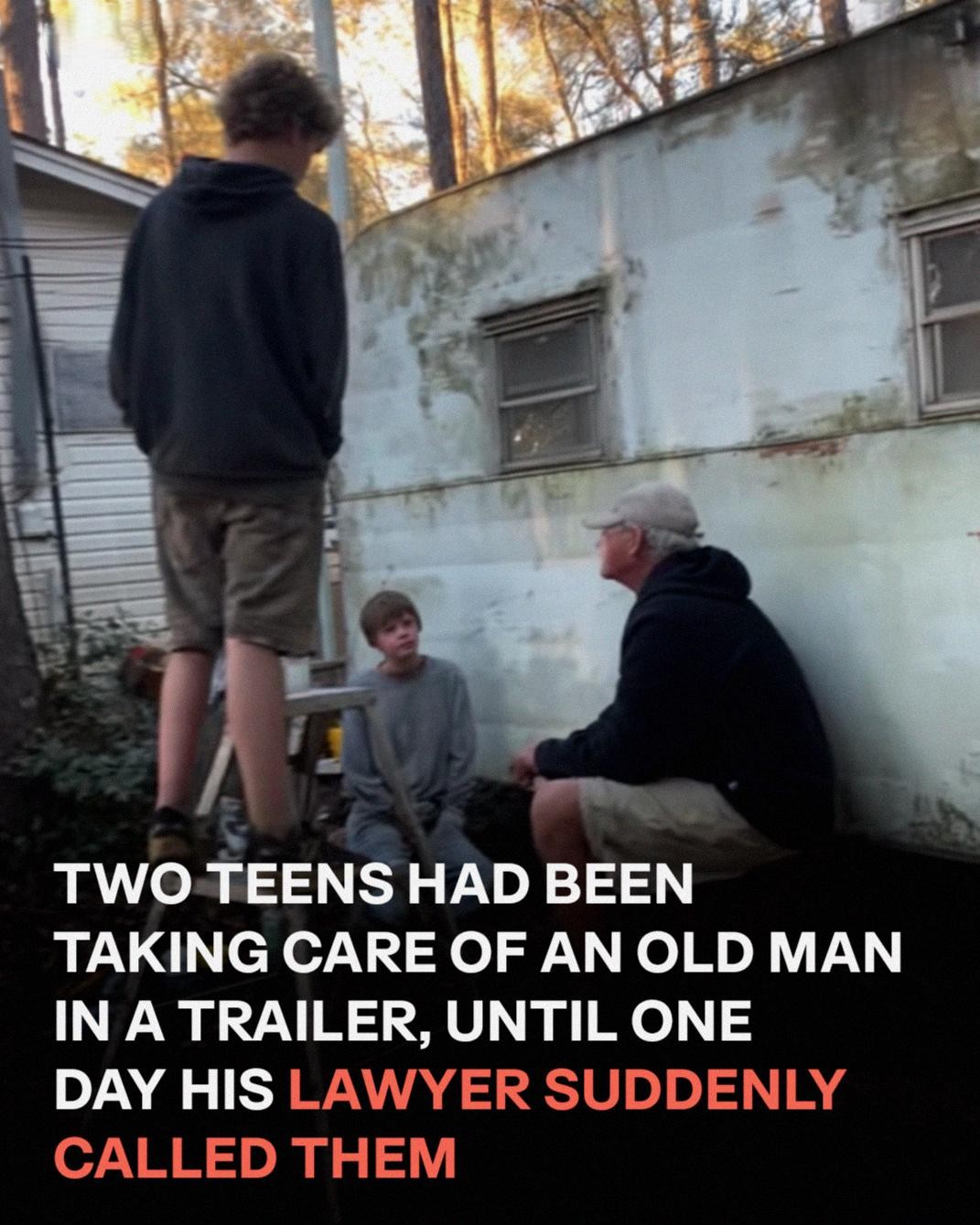
  • Two Classmates Cared for an Elderly Man Living in a Trailer – One Day, They Got a Call from His Lawyer!

    Two Classmates Cared for an Elderly Man Living in a Trailer – One Day, They Got a Call from His Lawyer!

    Stuart and Dylan had been glued together since kindergarten, moving through childhood like a two-man unit—steady, reliable, and unfazed by the chaos around them. By sixteen, they had reputations most adults envied. Stuart was the quiet thinker with a habit of helping anyone who needed a hand, the kid who tutored middle-schoolers after class and refused any payment. Dylan, built like a linebacker but with the gentleness of a golden retriever, spent his weekends coaching Little League instead of worrying about impressing anyone at school.

    Money was tight for both families. Stuart’s mom covered double shifts at the diner to keep the bills paid, while Dylan’s dad jumped between temporary jobs after the factory layoffs. The boys didn’t whine or dramatize. They studied, worked odd jobs when they could, and carried themselves like kids who understood that life demands effort long before it hands out rewards.

    One afternoon in late September, they were walking home along the narrow forest road they’d used for years. The leaves were starting to burn into shades of gold, and the breeze carried that familiar bite that warns you winter isn’t far.

    Then they heard it—a thin, strained whisper.

    “Help.”

    They stopped instantly. The voice had come from somewhere below the slope off the road. Dylan spotted the movement first. An older man lay crumpled near the bottom, groceries spilled everywhere like the aftermath of a storm. Milk leaking into the dirt, broken eggshells scattered around, cans rolling down the incline.

    The boys sprinted down the slope.

    “Sir, can you hear us?” Dylan said, dropping to his knees.

    The man looked up, exhausted and shaken. “I fell… lost my balance.”

    Stuart gave him water and checked his arms and legs for obvious breaks. The man—Michael, he said—tried to wave them off, insisting he could walk home alone. He was wrong. When he tried to stand, his legs nearly gave out.

    “We’re walking you home,” Stuart said. “No arguments.”

    It took the three of them nearly fifteen minutes to travel a distance the boys could normally cover in three. When they reached Michael’s place, both boys froze. The “home” was a beaten-down trailer at the end of a weed-choked path, so weathered it looked held together by tape and stubbornness. The windows were patched with cardboard. The door hung crooked. The whole thing looked like a stiff breeze could finish it off.

    “This is it,” Michael said quietly, almost apologetically.

    He tried to offer them a single apple as a thank-you, the only thing he had. The boys refused gently, walked home in silence, and didn’t need to discuss what they’d do next. The decision was automatic.

    The next afternoon, they showed up with grocery bags heavy enough to tear. They’d spent their combined savings—money meant for snacks, gas, maybe a movie—on basics Michael desperately needed. He stood in the doorway blinking rapidly, overwhelmed.

    From that day on, they returned twice a week. Groceries, small repairs, company. They taped broken window seams, patched leaks in the roof, scrubbed mold off old plastic chairs. But the real connection formed in the conversations. Michael came alive when they were around. He had a dry sense of humor, a sharp mind, and a way of speaking that made even casual comments sound like advice worth saving.

    He taught them things without ever sounding like he was teaching: how to look people in the eye, how to read someone’s character, how to make choices that leave you proud a decade later. He told them that what you do for someone when no one’s watching is what defines the person you really are.

    They didn’t know many details about his past—he dodged questions with a shy smile—but the loneliness beneath his stories was obvious. He had no visitors. No family. No pictures on the walls. The boys became the closest thing he had to a life.

    Then one day in late spring, he disappeared.

    The trailer door was unlocked, the inside untouched. No dishes missing, no bags packed. Just silence. The police weren’t much help. “Old folks wander,” one officer said. The boys checked the hospital. Nothing. They looked through the woods. Nothing.

    Days stretched into weeks. The boys didn’t stop visiting the trailer, hoping for a sign, but the place stayed frozen in time. Eventually, all they had left was the ache of missing someone they’d only known for months but felt connected to like family.

    Life moved on whether they wanted it to or not. Graduation crept closer. College looked impossible without money, but both boys still dreamed of becoming teachers. They were determined, even if the path forward looked impossible.

    Then, months after Michael vanished, Stuart received a call from an attorney. Dylan got his an hour later.

    That afternoon, the two walked into a quiet downtown office, nervous and confused. The lawyer—Alex—invited them to sit. On his desk was a sealed envelope with both their names.

    “I’m sorry,” he said gently. “Michael passed away two weeks ago.”

    The boys sat in stunned silence. Alex slid the envelope toward them.

    “He left this for you.”

    Inside was a letter written in Michael’s shaky handwriting. As they read, their world tilted.

    He told them the truth: he hadn’t always lived in poverty. He had once been the CEO of a company worth hundreds of millions. He’d had everything—except real love. His family loved the lifestyle, not the man. When he fell ill years earlier, they circled like vultures. So he walked away. Sold everything. Disappeared. Lived small, anonymously, free from people who only cared about what he could offer them.

    And then one day, two teenage boys saved him—not just from a fall, but from the crushing weight of loneliness.

    “You gave me something no amount of money ever could,” the letter read. “You treated me like a human being. You gave me family. I loved you like grandsons, and I am grateful for every moment.”

    At the bottom of the letter, Michael left one final gift: each boy inherited $150,000, enough to pay for college, living expenses, and the first years of their careers.

    “You gave him dignity,” Alex said quietly. “That’s why he trusted you.”

    Years later, Stuart and Dylan graduated as teachers—exactly as they’d promised Michael. They carried his lessons into every classroom, every student, every choice. They never forgot the man in the old trailer or the truth he left behind: real wealth isn’t measured in money, but in the lives you lift up along the way.

    Michael didn’t just change their futures. He became the defining lesson of their lives.

    And the boys—now men—made sure that his legacy lived on, one student at a time.

  • Photo Of Trump Family On Election Night Turns Heads After People Spot Small Detail!

    Photo Of Trump Family On Election Night Turns Heads After People Spot Small Detail!

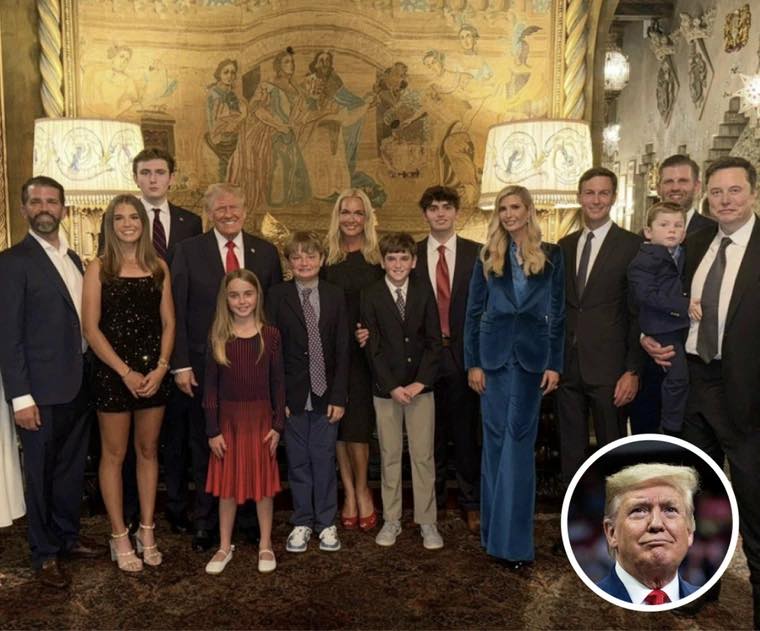
    The photo that lit up social media on election night was supposed to be a simple family snapshot — a moment of victory, a polished celebration at Mar-a-Lago. Instead, it turned into a cultural autopsy of the Trump family, their alliances, and the one person who wasn’t in the frame.

    Kai Trump, Donald Trump’s granddaughter, posted the image shortly after polls closed. It was the kind of photo designed for legacy: generations lined up in coordinated smiles, a dynasty projecting strength. Donald Jr. stood with Kimberly Guilfoyle. Ivanka and Jared flanked their children. Eric and Lara posed farther back, their practiced confidence on display. Barron, impossibly tall now, hovered near his father like a quiet shadow. Even Elon Musk, a fresh addition to Trump’s orbit, appeared in the shot — half guest, half political signal.

    But the instant the picture went live, the comments section swerved in one direction.

    Where was Melania?

    The absence wasn’t small, subtle, or forgettable. It was glaring. And it hit harder because earlier that day she had been right beside Donald at their Palm Beach polling station — her first public appearance in weeks. After that, she vanished.

    Within hours, speculation took off: Was she stepping away from politics completely? Was she distancing herself from the campaign? Was she done with the public side of the Trump machine?

    For anyone who has watched Melania Trump since 2016, the answer wasn’t complicated. Distance has become her default posture.

    Since leaving Washington in January 2021, Melania has rebuilt her life around privacy, not public duty. She divides her time between the protected walls of Mar-a-Lago and short, quiet trips to New York. Her circle is small. Her schedule is hers alone. Those close to the family say her priority — her only real priority — is Barron, now nearing college age. Politics, campaigns, photo ops, media chaos: she tolerates them only when she must.

    One longtime family associate summed it up bluntly: “Melania values her peace. Everything else comes second.”

    Her reluctance to reenter the political spotlight isn’t surprising. Even during Trump’s first presidency, she approached the role of First Lady like someone walking through a museum with a “do not touch” sign in every direction. Her public appearances were selective. Her initiatives — like “Be Best” — were controlled, guarded, almost surgically managed. Staff described her as courteous but hard to read, fiercely protective of her boundaries.

    She was never wired for the performance aspect of politics, and she never pretended otherwise.

    That’s why her absence from the election-night celebration struck such a nerve. It wasn’t scandalous — it was symbolic. Donald Trump is pushing toward a second presidential run, and the question isn’t whether he has the energy for it. It’s whether Melania has the will.

    Traditionally, spouses on the campaign trail serve as emotional ambassadors — the softer voice, the grounding presence, the humanizing counterbalance. Melania has never embraced that role, and she seems even less inclined to now.

    Some political strategists see her absence as neutral, even useful. “She’s the only Trump who isn’t overexposed,” one analyst noted. “Her silence gives her mystique. In a media ecosystem drowning in noise, that’s power.”

    Others think the opposite. They see her withdrawal as quiet refusal — a sign that she’s done with political theater, regardless of her husband’s ambitions. They point to past commentary from Stephanie Winston Wolkoff, a former friend and adviser, who described Melania’s marriage as “transactional.” Trump brought the spotlight; Melania brought discipline, calm, and an image polished enough to soften the brand. But years later, after scrutiny, indictments, and endless political battles, that arrangement may no longer hold.

    What’s clear is that Melania has shifted her center of gravity. Everything revolves around Barron now. As one insider put it, “Her son is her world. That’s the only role she truly cares about.”

    But her choices have wider implications than her quiet lifestyle suggests. The role of First Lady isn’t an official job, but it sets the emotional tone of an administration. If Trump returns to the White House without Melania at his side, it would mark a dramatic, unprecedented departure from historical expectations. A First Lady who opts out — publicly, consistently — would force the country to rethink the position entirely.

    That’s why the absence landed so heavily. The photo was meant to show strength. Instead, it showed a gap — one that said as much about the state of the Trump family as the people standing in the frame.

    For some observers, Melania’s detachment signals modern independence: a woman refusing to become a prop in her husband’s political story. For others, it looks like distance, tension, or resignation — a private life increasingly incompatible with a public marriage.

    Neither interpretation fits neatly, because Melania remains a deliberate mystery. When she does appear at private events, she’s polished, polite, composed — but distant. Palm Beach locals describe her as gracious but unapproachable, someone who listens more than she speaks. She avoids political conversations entirely. When pressed about Trump’s legal battles or controversies, she simply offers no comment.

    Not out of strategy. Out of disinterest.

    Her silence, however, has become its own message — sharp, unmistakable, and louder than any speech she could deliver.

    So what happens if Donald moves back into the White House? Those who claim to know insist on two possible scenarios. One: she stays in Florida, appearing only for major ceremonies — a First Lady in name only. Two: she participates, but on her terms, with a schedule so limited it barely resembles the role.

    Either way, it would shift the expectations placed on future presidential spouses. Melania would become the first First Lady who chose privacy over proximity, autonomy over tradition. And in doing so, she would quietly redefine the role.

    All of that weight hangs on a photo she didn’t even appear in.

    As the Trump family celebrated at Mar-a-Lago — the gilded rooms, the carefully curated smiles, the political optimism — Melania’s absence hovered like a question without an answer. Her decision not to stand beside her husband didn’t look accidental. It looked intentional. Controlled.

    Exactly like her.

    In a political era built on noise, outrage, and constant commentary, Melania Trump remains one of the few public figures who refuses to offer explanations. And that silence — sharp, cold, and unwavering — shapes the Trump story as much as anything else.

    Whether she returns to Washington or chooses solitude in Palm Beach, one thing is clear: She’s writing her own narrative, and she’s doing it without saying a single word.

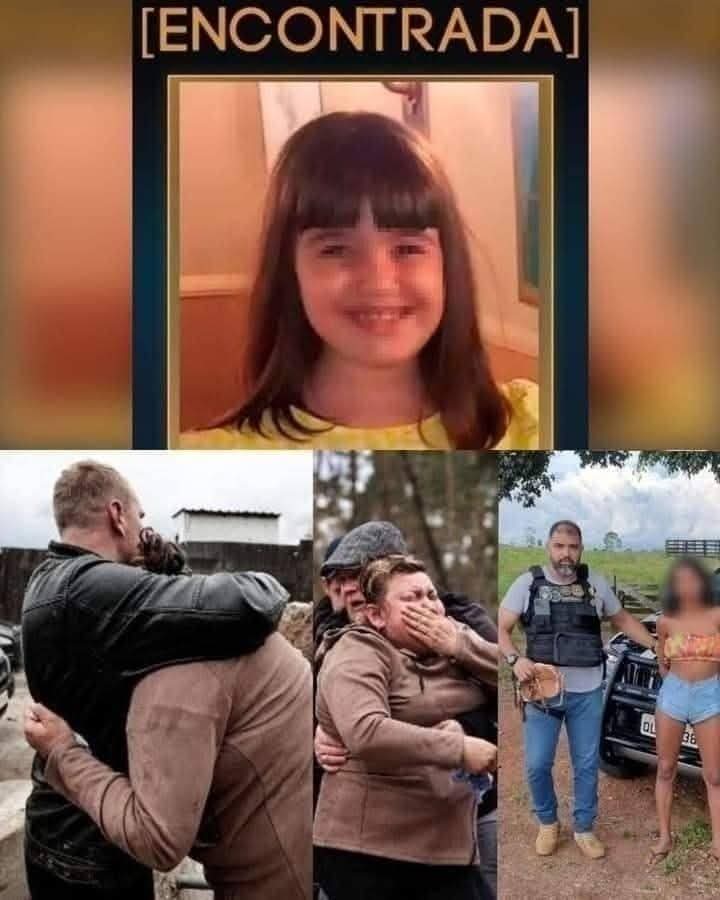
  • Breaking – Police find girl missing since 2022, She was!?

    Breaking – Police find girl missing since 2022, She was!?

    For over three grueling years, a family existed in the chilling shadow of heartbreak. A young girl had vanished in 2022, leaving behind only gnawing questions, relentless anguish, and a profound, expanding void that time seemed incapable of healing. Her face, reproduced on thousands of posters, became a haunting fixture across the town. Candlelight vigils illuminated the darkest nights, and desperate prayers punctuated the silence of an endless, agonizing wait. While many in the community feared the worst, her devoted loved ones were resolute; they would not allow hope to fully extinguish. Now, in an outcome that stunned and deeply moved the nation, police have officially confirmed that the missing girl has been found alive.

    The announcement unleashed a tidal wave of emotion across the entire community—relief, disbelief, and overwhelming joy washed away the years of despair. A story that had long been defined by loss and hopelessness instantly transformed into a powerful narrative of survival, determination, and the enduring strength of familial love and community solidarity.

    The Nightmare Begins

    When the girl first went missing, the town was seized by panic. Her disappearance was sudden, utterly unexplained, and terrifying in its finality. The days that followed were consumed by urgent, frantic searches, heart-wrenching public appeals, and the grim realization that their worst nightmare was terrifyingly real. Friends, neighbors, and complete strangers united in a massive effort to search surrounding fields, dense forests, and forgotten, abandoned buildings.

    Days bled into weeks, and those weeks slowly merged into months. With the passage of each season, the prospect of finding her alive diminished, growing dimmer against the weight of time. Yet, her family clung fiercely to their resolve, refusing to accept the concept of closure without answers. They meticulously kept her name alive in every conversation, ensured her face remained visible on every public bulletin board, and maintained her memory as the central focus of persistent community vigils. They repeated their unyielding mantra: “Until we know, we will never stop searching.”

    The Unrelenting Investigation

    The authorities, mirroring the family’s determination, refused to abandon the case, even as the initial, hot leads grew cold. Detectives pursued every single clue with dogged tenacity, no matter how small or unlikely the source. They combed through countless tips, many of which led nowhere, but each one carried the possibility of providing the critical breakthrough. Search parties continuously expanded their operational reach, meticulously moving through rough, challenging terrain and desolate urban structures. Volunteers canvassed adjacent towns and districts, their collective refusal to allow the case to fade into the depressing anonymity of unsolved disappearances serving as a powerful force.

    For the investigators involved, this case transcended the routine file on a desk. It evolved into a personal mission, an ever-present, constant reminder of the fundamental importance of persistence when the life of a child hangs in the balance. Their determination perfectly mirrored the resolve of the family and the wider community: silence was not an acceptable option, and the act of forgetting was simply deemed impossible.

    The Breakthrough and the Survivor

    Now, after more than three years of agonizing searching and waiting, that collective, unrelenting persistence has yielded its miraculous fruit. Police officially confirmed that the young girl has been recovered and is alive. While specific details about her discovery remain carefully limited, early reports suggest that she had been living under extremely difficult and potentially troubling conditions. Authorities are currently withholding all specifics, citing the immense sensitivity of the ongoing criminal investigation and, paramount above all else, the urgent need to protect the survivor’s physical and psychological privacy as she begins her recovery.

    Official statements have ensured the public that the girl is safe, stable, and receiving comprehensive, immediate medical and psychological care. Beneath the formal language of the official announcements lies a profoundly emotional truth that everyone involved feels deeply: she survived. Against what felt like insurmountable, staggering odds, she endured the unimaginable.

    A Family’s Miracle and the Road Ahead

    For her parents and siblings, the long-awaited reunion is a miracle they had almost ceased to allow themselves to dream of. Years of torment—the endless nights of wondering, the quiet agony of grieving a life neither confirmed nor denied, and the constant cycle of praying—have finally given way to profound, life-altering relief. Their home, once haunted by the physical and emotional ache of absence, now resonates with the impossible joy of her return.

    Relatives describe the immediate emotions as utterly overwhelming—a complex blend of profound gratitude, all-consuming relief, and the sobering recognition that the healing road ahead will be long and challenging. “We prayed for this very day,” one family member stated with heartfelt emotion. “We didn’t know if it would ever truly come, but we absolutely refused to give up the search.”

    While the discovery itself is a miracle, recovery for both the girl and her family will undeniably take extensive time. Trauma leaves deep scars, both visible and invisible. Psychologists and medical experts are already emphasizing the critical importance of immediate, long-term professional support to help the girl rebuild a sense of trust, slowly rediscover a feeling of safety in her environment, and gradually adjust to life after years of profound dislocation. For her parents, the healing journey is equally complex. They are overjoyed to have her back, but they must now learn how to best support her through the arduous aftermath of what she endured. The current, overwhelming joy co-exists with deep grief for the lost years, and enduring hope must be carefully balanced with immense patience as they navigate this profoundly challenging new chapter together.

    The Ongoing Commitment

    Authorities have maintained a cautious stance on releasing further information, driven by necessity. They have confirmed that the young girl’s disappearance was linked to deeply troubling circumstances, and investigators are diligently pursuing every possible angle to fully understand who may have been responsible for her extended absence and ordeal. Law enforcement has publicly promised to offer transparency once it is safe to share more details, but for now, their primary, non-negotiable focus remains the girl’s security and long-term well-being. The police have also vehemently stressed that the overall criminal investigation is far from concluded. They are working tirelessly to uncover whether any other individuals may have been involved in the crime and to implement measures to prevent such a tragedy from recurring. Their ongoing commitment underscores a sobering and necessary reality: while this specific case has thankfully culminated in survival, many others do not share this rare, fortunate ending.

    This case, once tragically defined by paralyzing fear and agonizing unanswered questions, has now fundamentally transformed into a powerful, enduring story of survival, incredible resilience, and enduring hope. It serves as a stark, powerful reminder that persistence truly matters, that even when submerged in the deepest darkness, light can ultimately break through, and that miracles, however rare, are always possible.