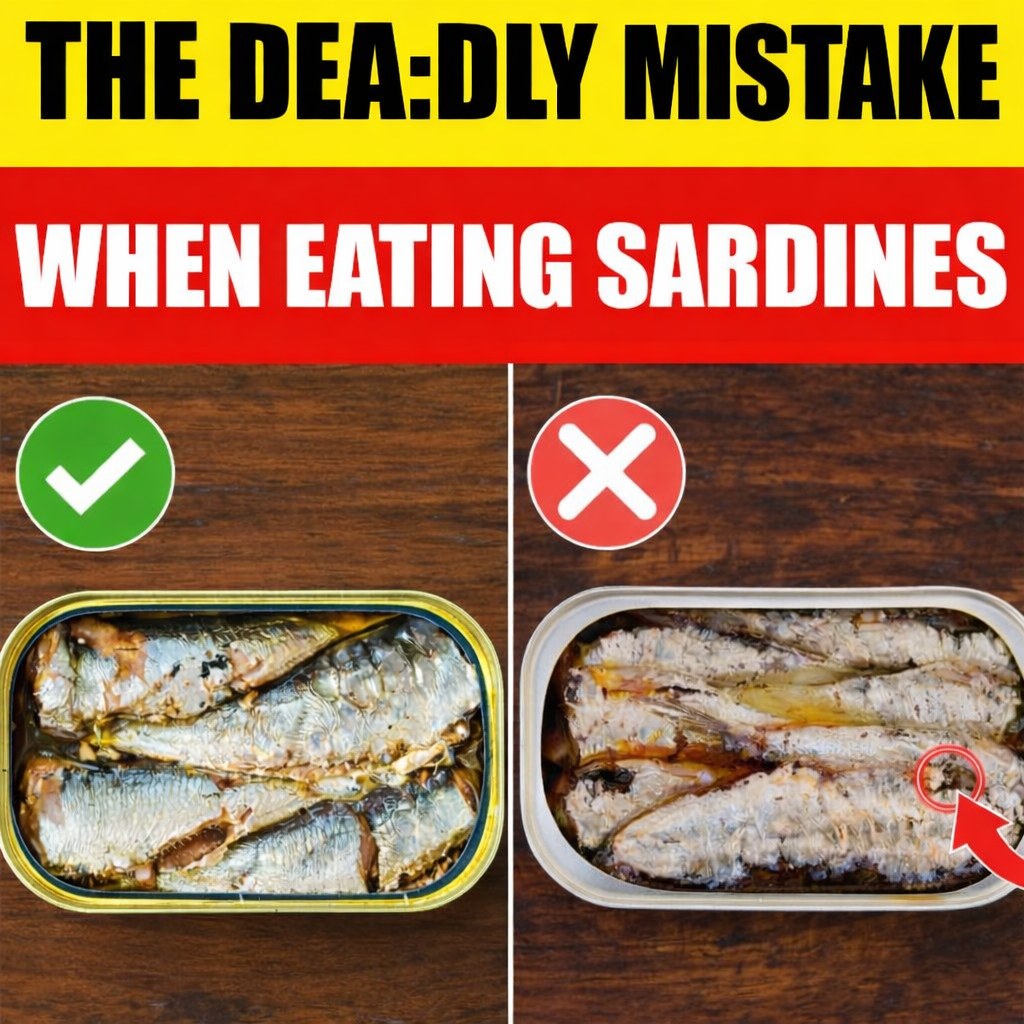
Canned sardines are a common staple in kitchens around the world. They are affordable, easy to store, and loaded with nutrients, which is why many people consider them one of the healthiest quick meal options available. Sardines are rich in protein, omega-3 fatty acids, vitamins, and minerals that support heart health, brain function, and overall nutrition.
However, even foods known for their health benefits can be affected by how they are chosen and consumed. With canned sardines, small habits can make a difference. Many people unknowingly make simple mistakes when eating them, and over time these habits may reduce some of the nutritional advantages.
The goal isn’t to avoid sardines completely, but to understand how to enjoy them in a smarter and healthier way.
Here are five common mistakes people often make when consuming canned sardines.
1. Thinking All Sardines Are the Same
One of the biggest misconceptions is that every can of sardines has the same quality and nutritional value.
In reality, the quality can vary significantly depending on the brand and the production process. Some companies process fish shortly after they are caught, helping preserve nutrients and flavor. Others may use lower-quality fish or longer processing times.
When choosing sardines, it helps to pay attention to a few details:
- The type of liquid used for preservation
- The appearance and firmness of the fish
- Any strong metallic odor or unusual taste
- Sardines that appear overly soft or broken
These factors can sometimes indicate lower product quality.
2. Drinking or Eating the Liquid from the Can
Many people eat sardines straight from the can without draining the liquid they are packed in.
Depending on the product, that liquid may contain higher levels of sodium or oils used during the preservation process. Regularly consuming it can increase daily salt intake without adding much nutritional value.
Too much sodium in the diet can contribute to:
- Water retention
- Increased blood pressure
- Extra strain on the cardiovascular system
Simply draining the liquid before eating can help reduce unnecessary salt and oil while keeping most of the beneficial nutrients.
3. Eating Sardines Too Often
Sardines are extremely nutritious, but relying on them as an everyday food may not be ideal.
Like many canned foods, sardines can contain more sodium than fresh alternatives. In addition, although sardines usually contain lower levels of heavy metals than larger fish, excessive long-term consumption of any single seafood product may increase cumulative exposure.
A balanced diet benefits from variety. Instead of eating sardines every day, it’s better to rotate them with other protein sources such as:
- Fresh fish
- Eggs
- Beans and legumes
- Poultry or lean meats
4. Choosing Sardines Packed in Low-Quality Oils
Another important factor many people overlook is the type of oil used in canned sardines.
Some products are preserved in refined vegetable oils that contain high amounts of omega-6 fatty acids. During the high-temperature canning process, these oils can degrade and form compounds that may contribute to inflammation when consumed excessively.
Since sardines are naturally rich in beneficial omega-3 fats, combining them with poor-quality oils may reduce their nutritional advantage.
Healthier options often include sardines packed in:
- Olive oil
- Water
- Other higher-quality oils
5. Ignoring the Inside Lining of the Can
One factor rarely discussed is the protective coating inside metal cans.
Many cans are lined with resins that prevent corrosion. In the past, some of these coatings contained substances related to bisphenol A (BPA) or similar compounds.
During the heat sterilization process used in canning, small amounts of these chemicals may migrate into the food. Over time, repeated exposure to certain endocrine-disrupting substances has been linked in some studies to hormonal or metabolic concerns.
Because of this, some consumers prefer products labeled BPA-free or alternate canned foods with fresh alternatives.
Healthier Ways to Eat Canned Sardines
If sardines are part of your regular diet, a few simple habits can help maximize their health benefits:
- Drain the liquid before eating
- Choose sardines packed in olive oil or water
- Check labels for high-quality ingredients
- Look for BPA-free packaging when possible
- Pair sardines with vegetables, salads, or whole grains
- Eat them as part of a varied diet rather than every day
Canned sardines remain a nutritious and practical food choice. They provide high-quality protein, beneficial omega-3 fatty acids, and essential vitamins and minerals.
But like many processed foods, their health value depends on how they are selected and consumed. By paying attention to details such as oil quality, sodium levels, and packaging, a few small adjustments can help ensure sardines remain a healthy addition to a balanced diet rather than an overlooked source of unnecessary risks.