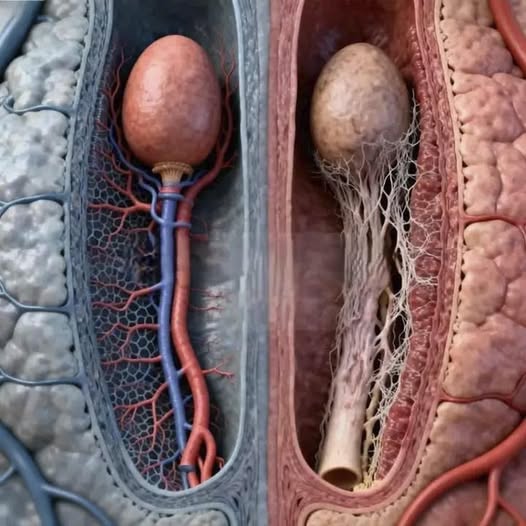
The kidneys are among the most hardworking organs in the human body, yet they remain some of the most ignored. Quietly and continuously, they filter the blood, remove waste products, regulate fluids, and maintain the delicate balance of minerals that keeps every system functioning. They also play a critical role in hormone regulation, influencing blood pressure, red blood cell production, and bone health. Despite their importance, kidney health is rarely given serious attention until something goes wrong—and by then, the damage is often advanced.
One of the most dangerous aspects of kidney disease is how silently it develops. Unlike many other organs, the kidneys can lose a significant portion of their function without causing noticeable pain or obvious symptoms. There are no dramatic warning signals in the early stages. People often feel “fine” while damage progresses slowly in the background. By the time fatigue, swelling, changes in urination, or other symptoms appear, kidney function may already be severely compromised. This silent progression is why kidney disease is frequently diagnosed late, when treatment options are more limited.
At their core, the kidneys act as highly sophisticated filters. Every day, they process roughly 180 liters of blood, removing waste products, excess salts, and toxins, while carefully retaining what the body needs. This is not a simple on-off process. The kidneys constantly adjust fluid levels, electrolyte concentrations, and acid-base balance in response to diet, activity, hydration, and stress. They adapt with remarkable precision—but that adaptability has limits.
Modern diets push those limits daily. High sodium intake is one of the most persistent threats to kidney health. Processed and packaged foods deliver far more salt than the kidneys were designed to handle over long periods. Excess sodium increases blood pressure, which in turn damages the tiny blood vessels inside the kidneys responsible for filtration. Over time, this pressure causes scarring and reduces their ability to clean the blood effectively.
Excess sugar poses a different but equally serious risk. Diets high in refined carbohydrates and added sugars contribute to insulin resistance and type 2 diabetes, the leading cause of chronic kidney disease worldwide. Elevated blood sugar damages blood vessels throughout the body, including those in the kidneys. The filtration units become inflamed and leaky, allowing proteins to pass into the urine—a key early sign of kidney damage that often goes unnoticed without testing.
Dehydration is another underestimated factor. Many people function in a state of mild, chronic dehydration without realizing it. When fluid intake is consistently low, the kidneys must concentrate urine more aggressively, increasing stress on their filtration structures. Over time, this strain raises the risk of kidney stones, infections, and long-term functional decline. While the body can tolerate occasional dehydration, repeated or prolonged episodes quietly erode kidney resilience.
Chronic inflammation further accelerates damage. Inflammatory conditions, whether caused by poor diet, obesity, autoimmune disorders, or long-term stress, create a hostile internal environment. The kidneys, densely packed with delicate blood vessels, are especially vulnerable. Inflammation narrows vessels, disrupts oxygen delivery, and interferes with normal repair processes, making cumulative damage more likely.
Lifestyle factors compound these risks. Physical inactivity contributes to high blood pressure, weight gain, and insulin resistance—all major drivers of kidney disease. Chronic stress disrupts hormonal systems tied to kidney function, particularly those regulating blood pressure and fluid balance. Sleep deprivation, increasingly common in modern life, has also been linked to metabolic changes that indirectly strain the kidneys over time.
Medication misuse adds another layer of danger. Over-the-counter pain relievers, particularly nonsteroidal anti-inflammatory drugs (NSAIDs), are widely used and often assumed to be harmless. In reality, frequent or excessive use can reduce blood flow to the kidneys and cause direct toxicity to kidney tissue. Certain antibiotics, supplements, and herbal remedies may also pose risks, especially when taken without medical guidance or combined improperly. Because kidney damage from medications can develop gradually, people often don’t connect declining kidney function to something as routine as pain relief.
Despite these threats, kidney disease is not inevitable. Prevention remains the most powerful tool, and it begins with awareness. Staying adequately hydrated supports efficient filtration and reduces stress on kidney structures. Hydration does not mean constant overconsumption of fluids, but rather consistent intake adjusted for activity level, climate, and individual health needs.
Nutrition plays a central role. Diets rich in whole foods—vegetables, fruits, lean proteins, and healthy fats—reduce inflammation and provide the minerals the kidneys need without overwhelming them. Limiting sodium, added sugars, and ultra-processed foods significantly lowers long-term risk. For those with existing risk factors, such as diabetes or hypertension, dietary choices become even more critical.
Regular physical activity supports kidney health indirectly by improving blood pressure control, insulin sensitivity, and cardiovascular function. Even moderate, consistent exercise can reduce strain on the kidneys and slow age-related decline. Movement does not need to be extreme; consistency matters more than intensity.
Routine medical screenings are essential, especially because early kidney damage is often invisible. Simple blood and urine tests can detect changes long before symptoms arise. Monitoring blood pressure, blood sugar, and kidney markers allows problems to be addressed early, when interventions are most effective. For many people, these screenings are the difference between manageable risk and irreversible disease.
Responsible medication use cannot be overstated. Pain relievers and supplements should be taken at the lowest effective dose and only when necessary. Long-term or frequent use should always be discussed with a healthcare professional, particularly for individuals with existing kidney risk factors.
Ultimately, kidney health reflects the cumulative impact of daily habits. These organs do not demand attention with pain or noise. They work quietly, adapting and compensating, until they can no longer keep up. Protecting them requires intentional choices made long before illness becomes obvious.
The kidneys may be silent, but their influence touches nearly every system in the body. Preserving their function is not just about avoiding disease—it is about sustaining energy, balance, and long-term vitality. When cared for properly, these often-overlooked organs continue their life-sustaining work without complaint, supporting health in ways most people never see, but would deeply feel if they were gone.