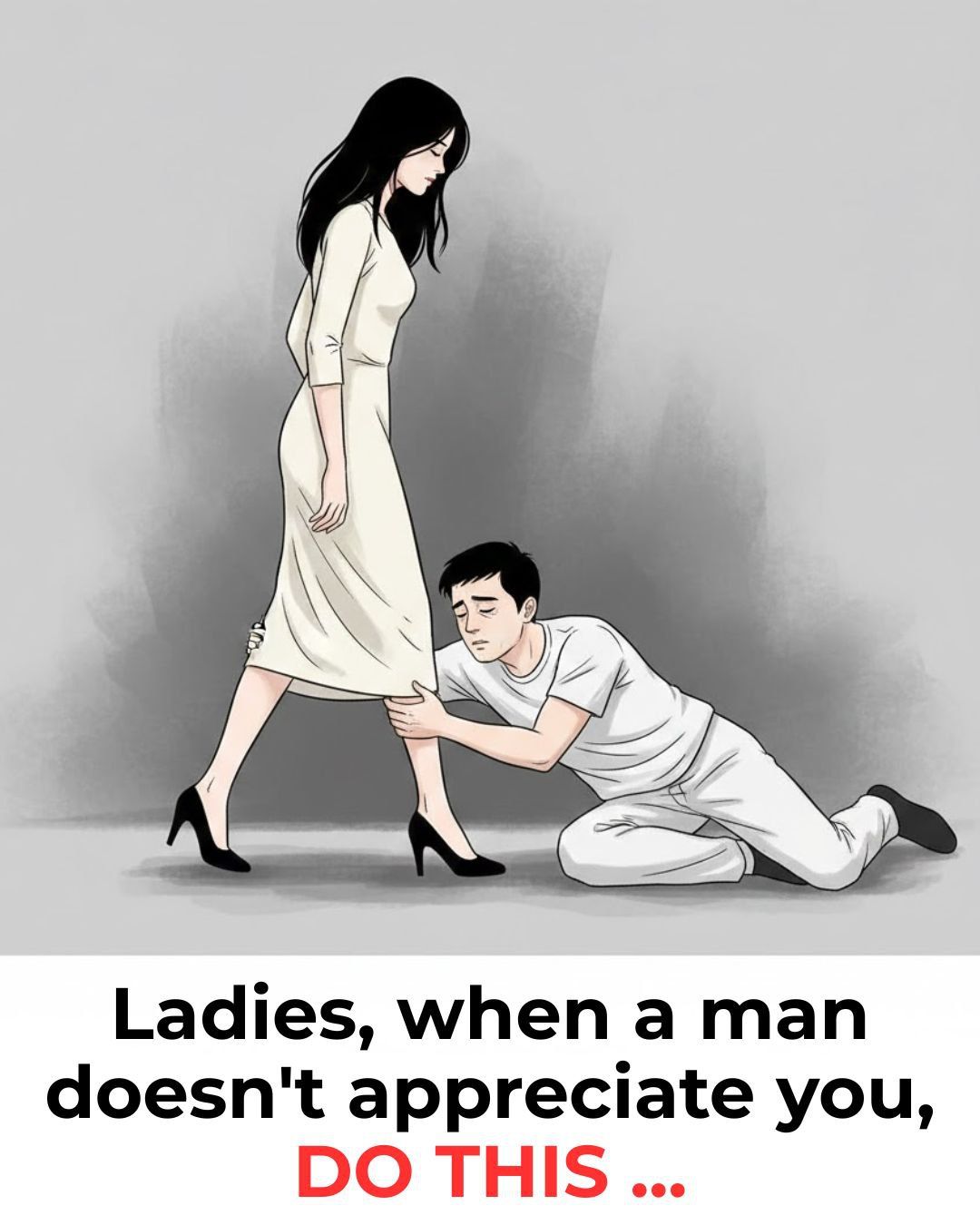
When a man doesn’t appreciate you, the damage isn’t always loud or obvious. It often happens quietly, over time, through neglect, indifference, and unmet emotional needs. You start questioning yourself. You replay conversations. You wonder if you’re asking for too much. That confusion can be exhausting, but here’s the truth you need to hear clearly: appreciation is not optional in a healthy relationship. It’s the baseline.
Lack of appreciation isn’t about you being inadequate. It’s about a dynamic where your presence, effort, and emotional labor are being taken for granted. The sooner you recognize that, the sooner you can reclaim your power.
The first step is recognizing the signs without minimizing them. A man who doesn’t appreciate you will often assume your availability is guaranteed. He expects support, care, and understanding without offering the same in return. He stops making effort because he believes you’ll stay regardless. Over time, he prioritizes everything else—work, friends, hobbies, even distractions—while treating time with you as optional or convenient.
Another clear sign is the absence of gratitude. You contribute emotionally, practically, or even financially, and it goes unnoticed. No thank-you. No acknowledgment. Just expectation. When appreciation disappears, resentment usually follows.
Dismissive behavior is another red flag. Your feelings are brushed off. Your concerns are labeled as overreactions. He may criticize you more than he encourages you, slowly eroding your confidence. This isn’t honesty or toughness—it’s emotional negligence.
Once you see these patterns clearly, the focus shifts from fixing him to protecting yourself. That starts with boundaries.
Boundaries are not threats. They’re not punishments. They are standards for how you allow yourself to be treated. If you don’t define them, someone else will—and they usually won’t do it in your favor.
Identify your non-negotiables. These are not wish-list items; they are requirements. Respect. Consistent effort. Emotional availability. Clear communication. Appreciation. If those are missing, the relationship is already unstable, whether you admit it or not.
Once you know your non-negotiables, you must communicate them plainly. No hints. No hoping he “gets it.” No softening your needs to avoid discomfort. Calmly state what you need and what behavior is unacceptable. Clarity is not aggression.
Then comes the hardest part: enforcing those boundaries. Boundaries without consequences are just suggestions. If he continues the same behavior after you’ve clearly expressed your needs, believe what his actions are telling you. Repeated disrespect is a decision, not a misunderstanding.
At this point, many people fall into the trap of trying harder. Giving more. Being more patient. Explaining themselves again in a different way. This usually backfires. Over-giving to someone who doesn’t appreciate you teaches them that they don’t have to change to keep you.
Instead, shift your focus inward. Stop pouring energy into someone who treats your effort as background noise. Reinvest that energy into yourself—your friendships, your goals, your health, your sense of self. Appreciation often becomes clearer when you’re no longer bending over backward to earn it.
Pay attention to how you feel when you stop over-functioning. Do you feel lighter? Calmer? More grounded? Or does he suddenly notice your absence and scramble to pull you back without actually changing? That reaction tells you everything you need to know.
It’s also important to understand this: love without appreciation turns into obligation. You don’t want to be tolerated. You don’t want to be “good enough.” You want to be chosen, valued, and respected consistently—not only when it’s convenient.
If you’ve communicated, set boundaries, and given space for change, and nothing shifts, then the most self-respecting move may be to walk away. Leaving isn’t failure. Staying where you’re undervalued is.
Walking away doesn’t mean you didn’t care. It means you cared enough about yourself to stop accepting less than you deserve. It means you refused to normalize emotional starvation.
A healthy partner doesn’t need to be taught to appreciate you. They may need guidance, yes—but not repeated reminders that you matter. Appreciation shows up in effort, consistency, and how someone treats you when no one is watching.
If a man doesn’t appreciate you, don’t shrink, beg, or over-explain. Stand firm. Speak clearly. Observe actions, not promises. And remember this: being alone is far better than being with someone who makes you feel invisible.
You are not asking for too much. You are asking the wrong person.