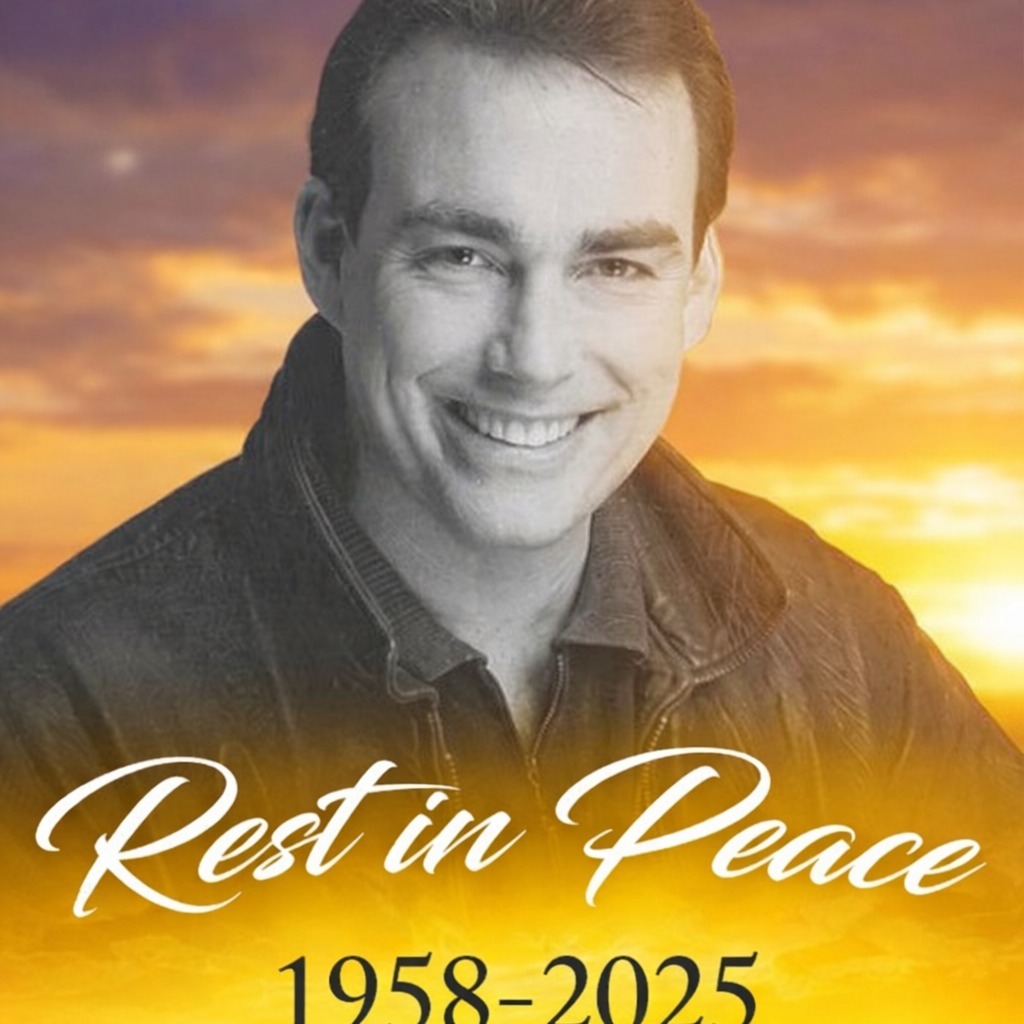
The comedy world and the broader entertainment landscape were struck by a profound sense of loss in late December 2025 with the sudden passing of John Mulrooney. A man of polymathic talents—ranging from sharp-tongued stand-up and late-night television hosting to influential radio broadcasting and even public service—Mulrooney died unexpectedly at the age of 67 at his home in Coxsackie, New York. His passing, first reported by the Albany Times Union, sent shockwaves through the industry precisely because he remained so vital and engaged until his final moments. Just weeks before his death, he had been actively mapping out future projects and performing, making the silence he left behind all the more deafening for his friends, colleagues, and the generations of fans who had followed his remarkable trajectory.
John Mulrooney was born in Brooklyn, a fact that seemed to color his comedic DNA with a certain street-smart cynicism and a rapid-fire delivery that became his trademark. He emerged from the gritty, hyper-competitive New York comedy circuit of the 1980s, a golden era for stand-up. It was a time when a comedian’s worth was measured in the smoke-filled rooms of legendary venues like Dangerfield’s and the clubs of Sheepshead Bay. Mulrooney didn’t just survive this environment; he thrived in it, eventually migrating to the national stage at The Improv and The Laugh Factory. His style was fearless, characterized by a willingness to engage with the audience and a sharp observational wit that made him a favorite among both peers and club owners.
The year 1987 marked a significant pivot in his career when he was tapped to host The Late Show on Fox. Stepping into the high-pressure world of late-night television is a feat few comedians ever achieve, and though his tenure was brief, it cemented his status as a national figure. He brought a kinetic energy to the screen that was distinctly different from the polished, safe personas of many of his contemporaries. Beyond late-night, Mulrooney became a fixture of 1980s and 90s television culture, appearing on a wide array of entertainment programs and even competing on popular game shows. His creativity wasn’t limited to the stage; he was a writer and creator who even developed his own sitcom, always pushing the boundaries of his craft.
However, Mulrooney’s legacy is perhaps most defined by his ability to reinvent himself. As the landscape of stand-up changed, he found a second, equally successful life on the airwaves. He transitioned into radio, where his quick thinking and candid humor were perfectly suited for the morning show format. Co-hosting prominent morning slots on the East Coast, he became a daily companion to thousands of listeners. His radio career was marked by an effortless chemistry with his co-hosts and an authenticity that resonated deeply with his audience. He didn’t just tell jokes; he shared his life, his frustrations, and his observations in a way that made the listener feel like they were part of the conversation.
Even as his radio career flourished, Mulrooney never truly stepped away from the spotlight of the stage. He continued to perform stand-up well into 2025, proving that his comedic instincts remained as sharp as ever. His later work often took on a more philanthropic tone; he was a frequent headliner at festivals and benefit events, particularly those supporting first responders. This commitment to the community was not a mere public relations move; it was a reflection of his own life experiences. In a move that surprised many who only knew him as a comic, Mulrooney had also served as a police officer. This dual identity—the protector and the jester—gave his comedy a unique weight and a perspective grounded in the real-world grit of public service. He understood the dark humor necessary for survival in high-stress jobs, and he used his platform to give back to those who served alongside him.
The tributes that poured in following his death spoke to a man who was as respected for his character as he was for his talent. On an episode of The Joe Rogan Experience, comedy legend Adam Sandler paused to reflect on Mulrooney’s influence, recalling the commanding, almost magnetic stage presence he possessed during the height of the 1980s comedy boom. Such accolades from industry giants highlight the quiet respect Mulrooney commanded behind the scenes. He was often described as a “comedian’s comedian”—someone who understood the mechanics of a joke perfectly and could dominate a room with nothing but a microphone and his intellect.
Beyond the professional accolades, the stories shared by his closest friends paint a picture of a man defined by fierce loyalty and a massive heart. In an industry often criticized for its superficiality, Mulrooney was remembered as a grounding force—someone who stayed true to his Brooklyn roots regardless of how many television cameras were pointed at him. He was a mentor to younger comics, a reliable friend to those in his inner circle, and a man who prioritized authenticity above all else. His sudden departure at 67 feels like a theft of time, particularly given his continued activity in the comedy circuit and his ongoing contributions to the first responder community.
John Mulrooney’s life was a masterclass in the art of the pivot. He moved from the comedy clubs of New York to the penthouses of late-night television, then to the intimate connection of the radio studio, all while maintaining a parallel life in law enforcement. Each chapter of his life was written with a sense of purpose and a refusal to be pigeonholed. He was a man who understood that laughter is often the best defense against the hardships of the world, a philosophy he lived out both in uniform and under the spotlight.
As the entertainment world reflects on his 40-year career, the focus remains on his ability to find humor in the mundane and the profound alike. He leaves behind a body of work that spans decades and mediums, but more importantly, he leaves behind a legacy of laughter. From the fans who remember his quick-witted segments on The Late Show to the morning commuters who started their days with his voice, Mulrooney’s impact was broad and enduring. He proved that a career in entertainment doesn’t have to be a straight line—it can be a series of reinventions, fueled by a genuine love for the craft and a deep respect for the audience.
In his final months, Mulrooney was exactly where he wanted to be: planning the next show, writing the next bit, and continuing to serve as a voice for those in his community. His death is a reminder of the fragility of life, but his career is a testament to the power of a life lived out loud. John Mulrooney’s journey was one of Brooklyn grit, Hollywood glitz, and the steady, reliable humor of a man who knew exactly who he was. He wasn’t just a comedian; he was a chronicler of the human experience, a man who found the funny in the dark corners of the precinct and the bright lights of the stage. He will be remembered not just for the jokes he told, but for the authenticity he brought to every role he inhabited.