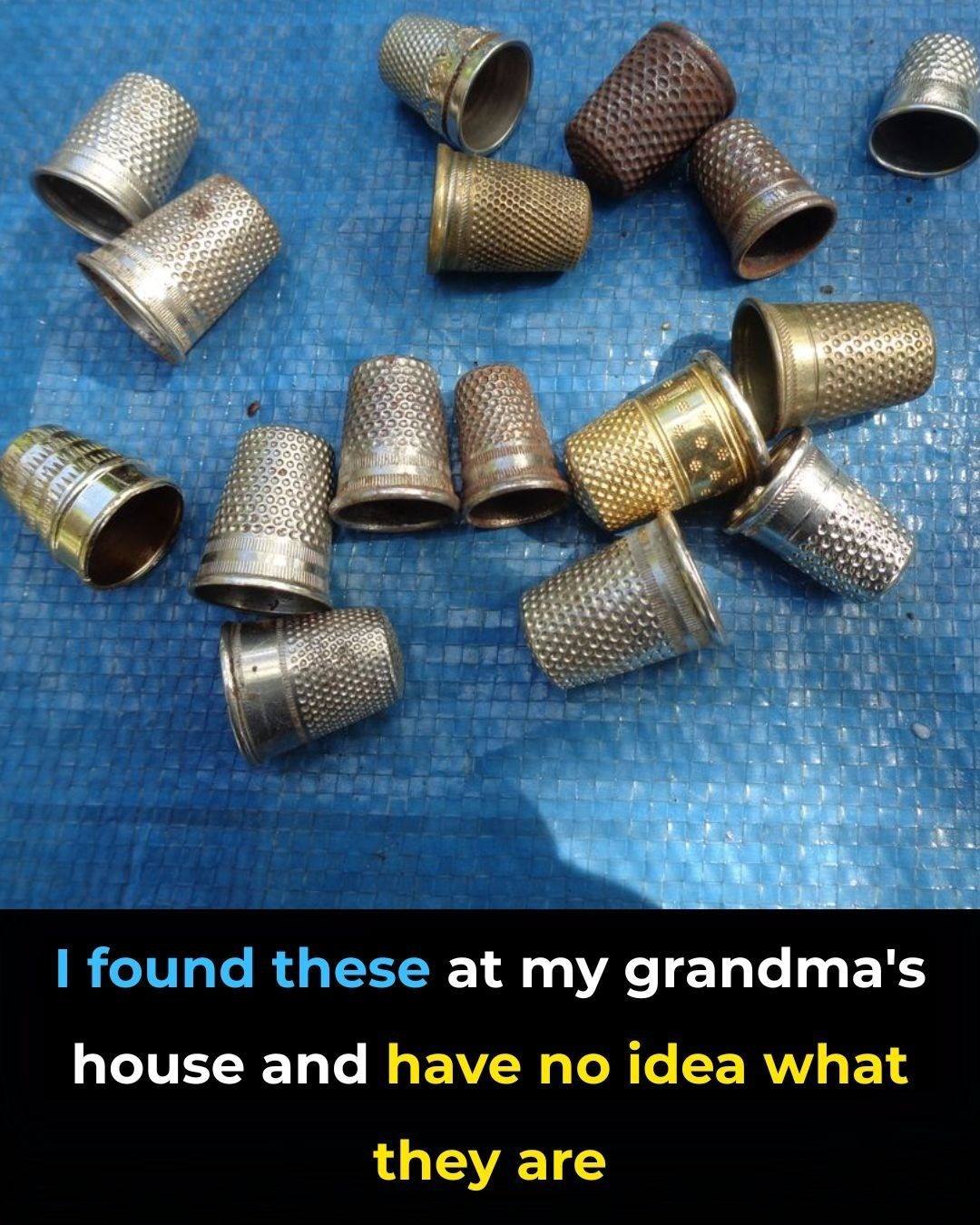
In the intricate world of textile arts, where precision and patience are paramount, few tools are as unassuming yet essential as the thimble. Often overlooked by the casual observer, this diminutive cap serves as both a shield and a lever, acting as a crucial interface between the human hand and the piercing steel of a needle. While the modern world is increasingly dominated by automated machinery, the thimble remains a steadfast companion to tailors, quilters, and artisans who understand that the finest details of a garment or an heirloom quilt require the intimate touch of hand-stitching.
The primary function of a thimble is protection, but its utility extends far beyond merely preventing a needle prick. When working with heavy denim, thick leather, or multiple layers of batting, the human fingertip simply lacks the structural rigidity to exert the necessary force. By wearing a thimble—typically on the middle finger or thumb—the sewer can use the strength of their entire hand to drive the needle through stubborn fibers without risk of injury. The dimpled surface common to many thimbles is not merely decorative; these indentations, known as “pips,” are designed to catch the eye of the needle, preventing it from slipping and ensuring that every ounce of pressure is directed exactly where it is needed.
The history of the thimble is a fascinating chronicle of human ingenuity, spanning thousands of years and crossing nearly every major civilization. The earliest iterations were born of necessity and crafted from the materials at hand. Archaeological excavations have uncovered thimbles made from bone, ivory, and even leather in ancient China and throughout the Roman Empire. These early tools were considered prized possessions, often buried with their owners as a testament to their utility and the value of the domestic arts.
As the centuries progressed, the thimble evolved from a simple utility into a status symbol. During the 16th and 17th centuries in Europe, the craft reached a pinnacle of artistry. For the nobility and the burgeoning merchant class, thimbles were fashioned from precious metals like sterling silver and solid gold. These were often miniature masterpieces, adorned with intricate engravings, filigree, or even embedded gemstones. In this era, a thimble was more than a tool; it was a common gift for a bride-to-be or a cherished family heirloom passed down through generations of women. The word itself hints at its humble origins, derived from the Old English term “thumb-bell,” referencing its original placement on the thumb and its flared, bell-like silhouette.
In the contemporary sewing world, thimbles have diversified to meet the specialized needs of different disciplines. Understanding the various types is essential for any aspiring crafter:
- Closed-Top Thimbles: This is the iconic design most people recognize. It features a fully enclosed top, providing comprehensive protection for the finger. It is the gold standard for general mending and embroidery, where the needle is often pushed with the very tip of the finger.
- Open-Top or Tailor’s Thimbles: Preferred by professional garment makers, these thimbles are open at the top. This design allows for better ventilation and accommodates sewers with longer fingernails. More importantly, it provides greater tactile feedback and dexterity, as tailors often use the side of the finger rather than the tip to guide the needle.
- Leather Thimbles: For those who find metal too rigid or cold, leather thimbles offer a soft, breathable alternative. They mold to the shape of the finger over time, providing a “second skin” feel. These are particularly popular among quilters who need to feel the tension of the fabric while still protecting their skin.
- Adjustable Ring Thimbles: Rather than a cap, this is a textured metal band worn lower on the finger. It is a specialized tool often used in Japanese sashiko stitching or heavy quilting, where the needle is pushed through the fabric in a sideways motion.
[Image showing the differences between a closed-top metal thimble and an open-top tailor’s thimble]
The materials used in modern thimble manufacturing are as varied as the designs themselves. Metal remains the most popular choice for its durability; stainless steel, brass, and copper are standard for heavy-duty work. However, the 20th century introduced plastic and resin thimbles, which are lightweight, inexpensive, and available in a vibrant array of colors. For those struggling with grip or arthritis, ergonomic thimbles made of flexible silicone have become a revolutionary addition to the sewing kit, proving that even a tool thousands of years old can be improved with modern technology.
Beyond its practical applications, the thimble has carved out a unique space in folklore and culture. In some traditions, a thimble hidden in a wedding cake predicted a life of industriousness and self-sufficiency for the guest who found it. In the world of collectibles, “digitabulists”—the formal name for thimble collectors—seek out rare and commemorative pieces, from those marking royal coronations to those featuring hand-painted porcelain scenes.
Ultimately, the thimble is a testament to the enduring nature of hand-craftsmanship. In an age of fast fashion and disposable goods, the act of picking up a needle and sliding on a thimble is a quiet rebellion. It is a commitment to the slow, methodical process of creation and repair. Whether it is a simple plastic cap or a silver heirloom, the thimble remains the silent guardian of the artisan’s hands, ensuring that the ancient tradition of sewing continues to flourish, one stitch at a time.