Every year, the landscape of baby names undergoes a subtle yet profound transformation, often acting as a mirror to the collective psyche of society. Some eras are defined by a thirst for radical originality, where parents seek out invented phonetics or unconventional spellings to ensure their children stand out. Other periods are dominated by globalization, favoring names that cross borders with ease and carry an international flair. However, as we approach 2026, the Official Book of First Names suggests a significant shift in the opposite direction. Instead of looking toward the future or across the globe, young parents are increasingly turning their gaze backward, looking into the deep well of history to rediscover names that were once relegated to the dustier chapters of the past.
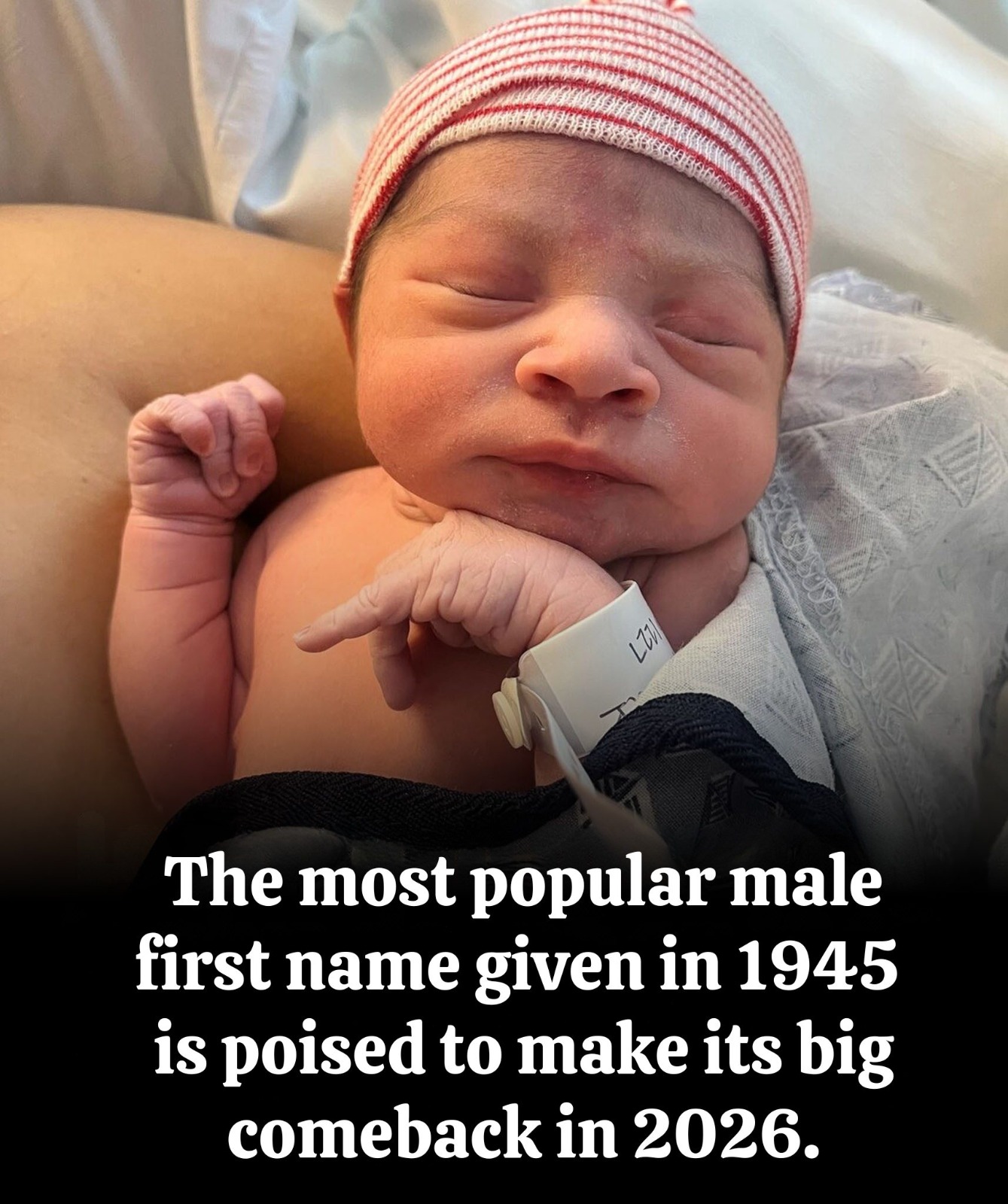
Among the various trends taking shape, one name from a bygone era is poised to make a spectacular comeback. Long dismissed as a relic of our grandparents’ or even great-grandparents’ generation, this name is quietly reclaiming its place in the modern world. That name is Marcel.
The resurgence of vintage names is not a sudden anomaly but the culmination of a movement that has been gaining momentum for several years. Names that were once considered “old-fashioned” to the point of being unfashionable—such as Augustin, Léonie, Eugène, and Colette—have been appearing with increasing frequency on birth announcements and school registers. These names carry a specific weight; they offer a sense of structural stability and historical continuity. In an era characterized by rapid technological change and social unpredictability, many parents find a deep sense of solace in names that feel grounded. A classic name provides a child with an immediate sense of belonging to a lineage, offering a foundation of tradition that does not feel forced or overly extravagant.
By 2026, Marcel is expected to emerge as the flagship of this “neo-vintage” movement. For decades, Marcel was a name that carried the scent of old bookstores and the gravity of a different century. It was the name of the patriarch, the craftsman, or the quiet neighbor from a black-and-white film. Because it had been out of the “top 100” lists for so long, it has effectively been “cleansed” of its mid-century associations, allowing a new generation to view it through a lens of fresh appreciation. What was once viewed as outdated is now seen as charming, authentic, and brimming with a distinct personality.
The psychology behind this nostalgic turn is fascinating and deeply emotional. Choosing a name is rarely a purely aesthetic decision; it is an act of storytelling. For many millennial and Gen Z parents, the digital world can often feel ephemeral and disconnected. In response, there is a burgeoning desire for things that are “real”—tangible connections to a simpler, more human time. A name like Marcel recalls the sincerity of an era before the hyper-acceleration of life. It evokes memories of beloved relatives or the protagonists of timeless literature. It is a name that feels “lived-in,” suggesting a person who is kind, approachable, and confident without needing to shout for attention.
Furthermore, Marcel strikes a rare and delicate balance that modern parents crave. It is a name that possesses “subtle elegance.” It is easy to spell and pronounce, making it practical for a child’s journey through school and into a professional career, yet it retains a certain poetic quality. It manages to be sophisticated without being pretentious. In a world where many parents try too hard to be unique—resulting in names that can sometimes feel like brand labels—Marcel stands out by virtue of its understated sincerity. It is a name that allows the child to define the name, rather than the name defining the child.
Culturally, Marcel also benefits from being a “traveler.” While it maintains a distinctly French heritage, it is recognized and respected internationally. It possesses a timelessness that defies the typical “trend cycle.” While a name like “Jayden” or “Nevaeh” might be instantly tethered to a specific decade, Marcel feels as though it could belong to the year 1926, 2026, or 2126. This longevity is a high priority for modern parents who are increasingly conscious of how a name will age. They want a name that sounds as appropriate for a toddler on a playground as it does for a CEO in a boardroom or an artist in a studio.
The rise of Marcel also speaks to a broader shift in how we perceive masculinity in 2026. There is a move away from names that sound overly aggressive or ruggedly traditional, shifting instead toward names that sound gentle, intellectual, and empathetic. Marcel carries a soft phonetic ending but a strong historical backbone. It suggests a strength that is quiet and internal, aligning perfectly with contemporary values regarding emotional intelligence and thoughtful character.
As we look at the naming data for the coming year, it becomes clear that we are entering an era of “curated heritage.” Parents are no longer just picking names because they like the sound; they are selecting them as vessels for values they hope to instill in their children. They are looking for names that act as bridges between the wisdom of the past and the possibilities of the future. In this context, the return of Marcel is more than just a fashion statement. It is a deliberate choice to favor substance over flash, and memory over novelty.
Naming trends will always ebb and flow, but the projected dominance of Marcel in 2026 suggests that the appeal of the “old world” is far from fading. It proves that a name never truly dies; it simply waits for the right moment to be rediscovered by a new generation of dreamers. For the parents of 2026, Marcel isn’t just a name from another era—it is a fresh start, a thoughtful legacy, and a beautiful place for a new story to begin. Whether it is chosen to honor a family history or simply for its melodic, vintage charm, Marcel is set to become the defining sound of a new generation of children, carrying the grace of the past into the heart of the future.