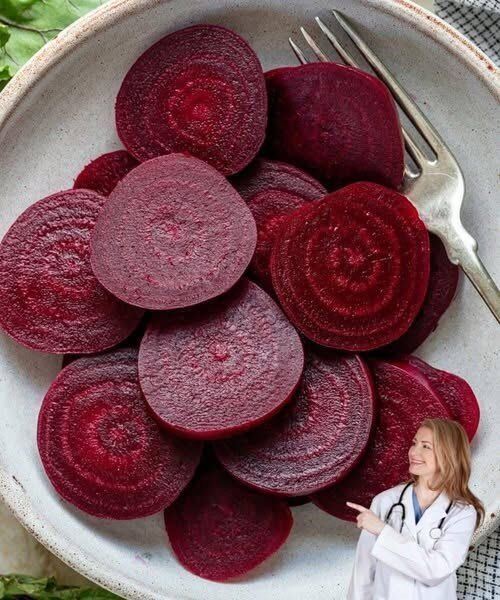
Beets have long occupied a humble space in the culinary world, often relegated to the edges of salad bars or the back of garden patches. However, in the modern health landscape, they have emerged as a genuine superfood that transcends mere marketing trends. Their reputation is not built on fleeting popularity but is grounded in a complex and remarkably beneficial chemical profile. These earthy, vibrant roots are far more than a colorful addition to a dinner plate; they are biological powerhouses capable of influencing cardiovascular health, athletic performance, and cognitive longevity.
The most significant aspect of beet chemistry lies in their high concentration of natural nitrates. When consumed, these nitrates undergo a specific biological transformation. The bacteria in the mouth and enzymes within the body convert these nitrates into nitric oxide. This compound acts as a potent vasodilator, meaning it helps to relax and widen the walls of the blood vessels. This relaxation reduces the overall pressure within the circulatory system, effectively lowering the strain on the heart and allowing blood to flow more freely throughout the body.
The ripple effects of this single chemical reaction are profound and touch nearly every major system in the human body. For athletes and fitness enthusiasts, the improved circulation facilitated by nitric oxide translates into enhanced muscular endurance. By improving the efficiency of oxygen delivery to working muscles, beets allow for longer periods of exertion before fatigue sets in. This is not merely anecdotal; it is a well-documented phenomenon that has led many professional sports teams to incorporate concentrated beet juice into their pre-game regimens.
Beyond the gymnasium, the cardiovascular benefits of beets extend to cognitive health, particularly in older adults. As the body ages, blood flow to the brain can become less efficient, which is a contributing factor in cognitive decline. By promoting better systemic circulation, the nitrates in beets help ensure that the brain receives a steady supply of oxygen-rich blood. This can lead to clearer thinking, improved memory retention, and a general sharpening of mental acuity. Furthermore, the fiber content found in whole beets acts as a foundational support for the gut microbiome. This fiber serves as a prebiotic, feeding beneficial gut bacteria, which in turn steadies digestion, prevents spikes in blood sugar, and supports a healthy immune system.
The allure of the beet is not solely contained within its nitrate content. The deep, intoxicating red hue of the root is a visual indicator of betalains—unique pigments that are rarely found in the plant kingdom. These betalains are not just for show; they are incredibly potent antioxidants with significant anti-inflammatory properties. In a world where low-grade, chronic inflammation is a primary driver of many modern ailments, the inclusion of betalains in the diet can be a powerful countermeasure. These compounds work to neutralize free radicals and calm inflammatory pathways, potentially protecting the body’s cells from oxidative stress and long-term damage.
Moreover, betalains play a crucial role in supporting the liver’s natural detoxification processes. The liver is the body’s primary filtration system, and it relies on specific nutrients to facilitate the neutralization and excretion of toxins. Beets provide the chemical precursors necessary to aid these “Phase 2” detox pathways, helping the body process metabolic waste more effectively. While the term “detox” is often used loosely in health circles, the specific assistance beets provide to liver enzymes is a scientifically grounded example of how food can support organ function.
While the pigments and nitrates often steal the spotlight, beets are also a dense source of essential micronutrients that act as the silent workers of cellular health. They are particularly rich in folate (Vitamin B9), which is indispensable for DNA repair and the growth of healthy tissues. They also provide a significant amount of potassium, an electrolyte that works in tandem with sodium to regulate fluid balance and nerve signals. Manganese, another mineral found in high concentrations in beets, is vital for bone formation, blood clotting, and the metabolism of carbohydrates and fats. Additionally, the iron content in beets supports the production of hemoglobin, ensuring that energy levels remain steady by preventing the onset of fatigue associated with iron deficiency.
The versatility of the beet also adds to its superfood status. Whether consumed raw in thin shavings, roasted to bring out its natural sugars, or juiced for a concentrated nutrient hit, the beet retains much of its nutritional integrity. Even the greens of the beet—often discarded—are a nutritional goldmine, packed with Vitamin K, calcium, and Vitamin A, offering a nutritional profile that rivals that of spinach or kale. Incorporating the entire plant into one’s diet represents a holistic approach to nutrition that maximizes the intake of bioavailable vitamins and minerals.
Ultimately, the reason beets live up to the hype is that they provide a multi-layered approach to health. They do not just solve one problem; they provide a suite of solutions. They manage blood pressure while simultaneously feeding the gut, protecting the liver, and sharpening the mind. In an age where processed foods often strip away the very compounds our bodies need to thrive, the beet remains a whole-food relic of high-potency nutrition. It is a reminder that the most sophisticated health interventions are often those grown in the soil, perfected over millennia of evolution to provide the exact chemical signals our bodies require for optimal performance.
Embracing the beet is an exercise in intellectual honesty regarding nutrition. It acknowledges that while no single food is a “magic bullet,” certain plants possess a concentration of beneficial compounds that make them objectively superior choices for a health-conscious diet. By moving beyond the trend and understanding the actual chemistry at work, we can appreciate the beet for what it truly is: a remarkable biological tool for longevity, vitality, and resilience. Whether you are an elite athlete seeking an edge or simply someone looking to support their long-term heart and brain health, the humble beet offers a scientifically backed path toward a more vibrant life. In the quiet, earthy depth of this root lies a complex world of healing that is finally receiving the recognition it deserves.