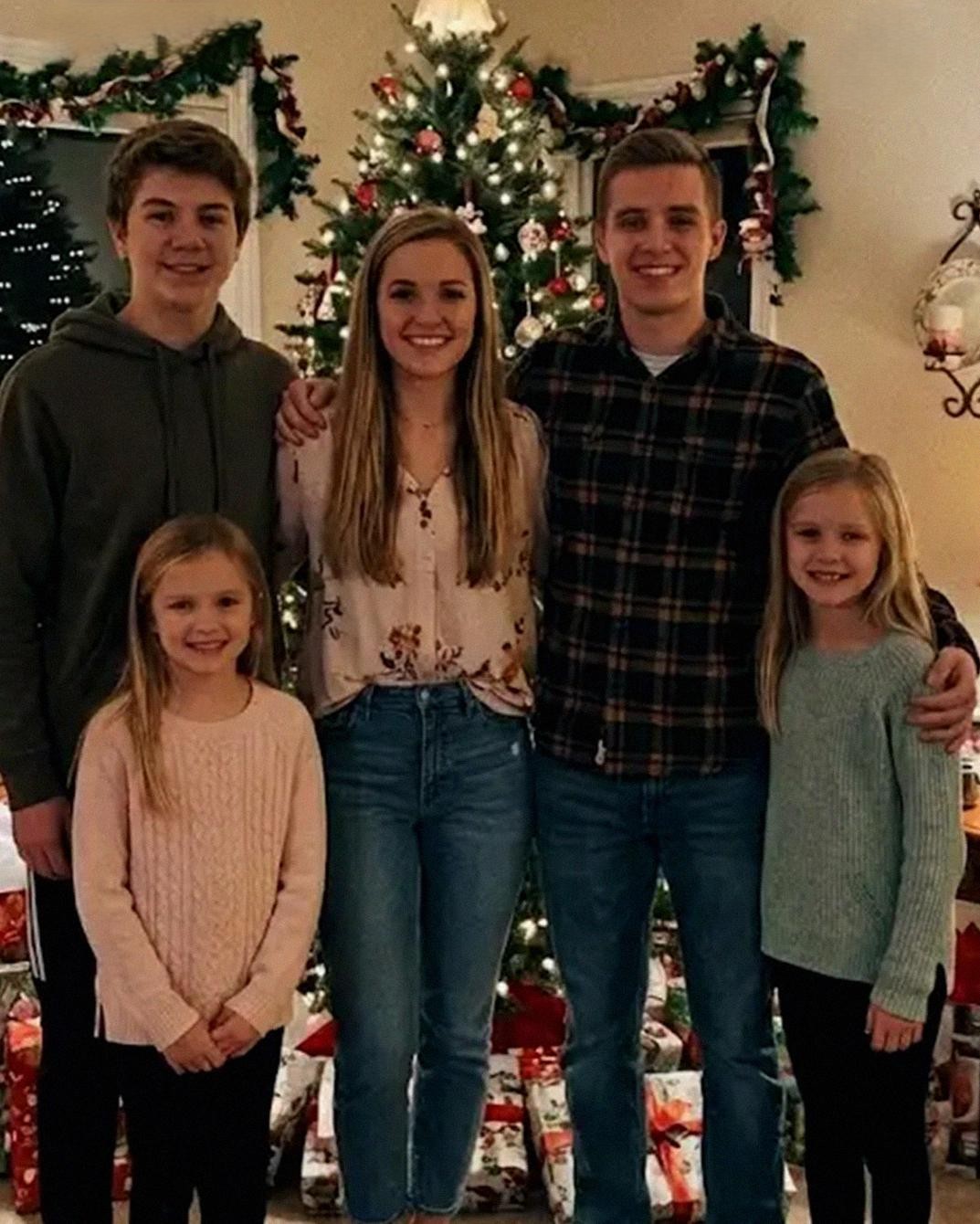
The transition from childhood to the heavy burdens of adulthood often happens gradually, but for Anna and her twin brother, Daniel, it occurred with the violent suddenness of a closing door. At eighteen, while their peers were debating college majors and dormitory costs, the twins were forced to navigate a landscape of grief and survival. Their mother’s cancer diagnosis was the first blow, a brutal reality that arrived on a Tuesday morning amidst the mundane scent of burnt pancakes. The second blow, however, was a betrayal that would define the next five years of their lives: their father, citing his own need for “love and joy,” abandoned his dying wife and five children to pursue a life with another woman. He left behind no money, no plan, and no goodbye, effectively telling his eldest children that they were on their own.
In the quiet, antiseptic-smelling room of a hospital, Anna made a final promise to her mother. She vowed to keep her younger siblings—Liam, Maya, and Sophie—together, ensuring they would never be lost to the foster care system. When their mother passed, the twins didn’t just lose a parent; they became parents. Overnight, eighteen-year-old siblings were replaced by guardians who held court papers instead of college brochures. The five years that followed were a grueling marathon of survival. Anna and Daniel choreographed their lives with military precision, balancing community college classes with a rotating schedule of construction shifts, waitressing, and childcare. They survived on cold coffee and the sheer adrenaline of necessity, ensuring the younger children had clean clothes, homework help, and birthday cakes that, while perhaps slightly crooked, were baked with fierce devotion.
By the time Anna and Daniel reached twenty-four, the storm seemed to have finally passed. They had earned their degrees through sheer grit, found stable employment, and turned the crowded, messy house into a sanctuary of safety. The younger siblings were thriving, and the heavy weight of financial dread had finally begun to lift. It was on a Saturday morning, amidst the familiar sizzle of breakfast, that the past came knocking. Standing on the porch was the man who had vanished five years prior. He didn’t come with an apology or a plea for forgiveness; he arrived with a sense of entitlement that was as staggering as his original departure. He looked at the home his children had maintained and demanded that they vacate it, claiming that as the surviving spouse, the property belonged to him so he could move in with his girlfriend.
The audacity of the demand left the room cold. Their father viewed the house not as a home where his children had grieved and grown, but as an asset to be reclaimed for his own convenience. While Daniel reacted with visible fury, Anna felt a strange, icy calm. She agreed to let him return the following day to collect “what was his,” a move that baffled her brother but was rooted in a memory of a whispered conversation from years ago. Late one night in the hospital, their mother, clear-eyed despite the medication, had urged Anna to speak with a specific lawyer if their father ever returned. Their mother, knowing the character of the man she had married, had spent her final weeks orchestrating a legal shield for her children.
That night, the twins transformed their kitchen table into a command center. They sifted through stacks of uneven folders and documents they had guarded since their mother’s death. They found the revised deeds, the updated will, and the meticulously filed guardianship papers. By morning, they had secured an appointment with the family attorney. When their father arrived the next afternoon, brimming with the confidence of a man who believed he had already won, he was met not with boxes of his children’s belongings, but with a professional legal reckoning.
The attorney laid out the reality with clinical precision. Having understood her prognosis and witnessed her husband’s abandonment, the mother had taken decisive steps to protect the family’s future. Given his total lack of support and his desertion of the household, the father had forfeited any claim to the estate. The deed had been legally transferred, and the will ensured that the house remained a sanctuary for the children he had left behind. The smile vanished from his face as he realized that the “love and joy” he had prioritized over his family had left him with no leverage and no legacy. He was a stranger in his own former home, ordered to leave by the very children he had dismissed as irrelevant.
As the door closed behind him for the final time, no one followed him to the curb. There was no dramatic pursuit and no lingering sense of loss. Instead, there was the profound silence of a cycle being broken. The house remained loud and messy, filled with the sounds of siblings arguing over music and the hum of a life built on a foundation of loyalty rather than convenience. The twins had not only kept their promise to their mother; they had redeemed the years stolen by their father’s selfishness.
The ultimate conclusion of their father’s journey arrived weeks later through a phone call from an aunt. The woman he had left them for had eventually walked away, leaving him without the house he tried to seize and without the money he expected to inherit. This wasn’t the kind of revenge found in cinema; it was the quiet, inevitable consequence of a life built on a void. For Anna and Daniel, the news was merely a postscript to a story they had already finished writing. They continued to work, to build, and to show up for the three younger lives entrusted to them.
Today, every time Anna unlocks the front door, she feels the weight of the keys—not as a burden, but as a symbol of a promise kept against all odds. Karma, she realized, didn’t always arrive as a lightning bolt of retribution. More often, it arrived as the simple, unvarnished truth: that those who build on love and sacrifice find themselves sheltered, while those who build on betrayal eventually find themselves standing in the cold. The house on the hill remains a testament to the strength of a mother who planned for the unthinkable and the courage of two eighteen-year-olds who chose to become the parents they never had. Under that roof, the worst was indeed over, and for the first time in five years, the air was clear enough for everyone to breathe.