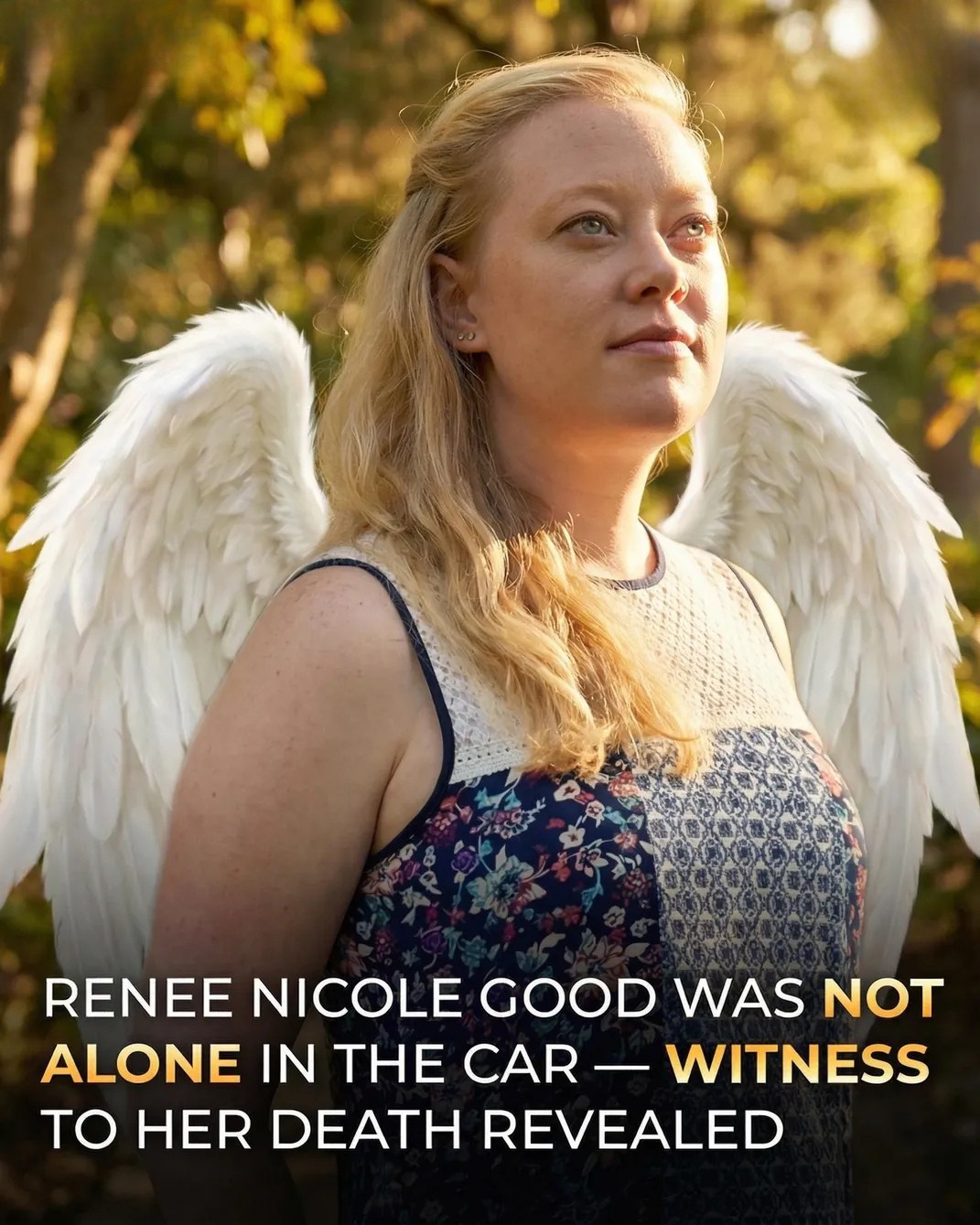
The gray, snow-dusted streets of Minneapolis often serve as a backdrop for the quiet, rhythmic patterns of domestic life, but on one particular Wednesday morning, that rhythm was shattered with a finality that has resonated far beyond the city limits. The final hours of Renee Nicole Macklin Good were defined by the selfless, mundane acts of motherhood—the very tasks that anchor a community. At thirty-seven years old, Renee was a woman whose life was built on the pillars of creative expression and maternal devotion. Having recently relocated from Kansas City to find a fresh start and a stable environment for her family, she was focused on the delicate work of building a home. That morning, like so many before it, began with the simple act of dropping her six-year-old son off at school, a routine gesture of care that stood in stark contrast to the violence that would follow just minutes later.
As Renee and her partner navigated their vehicle through a residential neighborhood, heading back toward the sanctuary of their home, they encountered a reality that few citizens expect to face on a quiet suburban street. The area was the site of an active operation conducted by agents from U.S. Immigration and Customs Enforcement (ICE). In the cold light of the Minnesota morning, a brief and confusing interaction began between the occupants of the car and the federal agents. The details of these moments remain a subject of intense scrutiny and profound grief, but the outcome was as swift as it was devastating. In a blur of movement and escalating tension, a situation that should have been a routine traffic encounter or a simple inquiry spiraled into a fatal confrontation. Within moments, the silence of the snowy morning was broken by gunfire, and Renee Nicole Good was fatally shot, her life ending on the very streets where she had sought to build a future.
The suddenness of Renee’s death has left her loved ones and the broader Minneapolis community in a state of fractured disbelief. To those who knew her, Renee was far more than a headline or a subject of a departmental report; she was a vibrant, compassionate woman with a deep love for the arts. Her family describes her as a creative soul who found solace and purpose in writing and music, often using her voice to uplift those around her. She was the kind of neighbor who looked out for others, the kind of friend who remembered the small details, and, above all, the kind of mother who lived for the well-being of her children. Her former husband, speaking from a place of deep concern for the privacy and safety of their surviving child, noted that Renee was a person of peace, not conflict. She was simply a parent trying to get home after a school run, an act performed millions of times a day across the country without incident.
In the wake of this tragedy, the neighborhood where Renee lived has transformed into a space of mourning and activism. Vigils have been held in the snow, the flickering light of candles casting long shadows against the pavement where the encounter took place. These gatherings serve a dual purpose: they are a way to hold space for a grieving family, and they are a collective cry for transparency and accountability. The community’s demand for a thorough, independent review of the shooting is rooted in a fundamental question about how a routine morning can end in the death of an unarmed mother. For many, the incident highlights a terrifying gap between law enforcement protocols and the safety of the civilians they are sworn to protect.
The tragedy of Renee Good is a poignant reminder of the fragility of the “Quiet Reset” that many families seek when they move to a new city. She came to Minneapolis looking for a stable foundation, only to have that stability obliterated by a systemic failure of communication and de-escalation. Her death has sparked a conversation about the presence of federal agents in residential areas and the rules of engagement that govern their interactions with the public. Those who advocate for Renee hope that the truth of her final moments will eventually be brought to light, not just to provide closure for her son, but to ensure that such a catastrophic unraveling of an ordinary day never happens to another family.
As the legal and administrative inquiries move forward at their characteristically slow pace, the people who loved Renee are focused on preserving the “humanity” of her story. They refuse to let her memory be reduced to a legal case file or a political talking point. They remember her through the songs she loved, the words she wrote, and the way she smiled when she picked up her son from school. Her legacy is found in the small, creative acts of her daily life and the fierce protection she offered her children. The pain of her absence is most acutely felt by her six-year-old, who went to school that morning under the care of his mother and came home to a world that had been irrevocably altered.
The story of Renee Nicole Good is ultimately a call to recognize the value of a single life amidst the vast machinery of state power. It is a plea for a world where a mother can drop her child at school and return home without fear, where “routine” remains routine, and where the streets are safe for the dreamers and the caretakers alike. As the snow continues to fall on Minneapolis, the memory of that Wednesday morning persists, a somber testament to a life cut short and a community that refuses to forget. Her loved ones believe that by seeking the truth, they are honoring the woman Renee was—a mother who, in her final moments, was doing exactly what every parent does: looking toward home and the future she hoped to build there. In the face of unanswered questions and profound sorrow, the pursuit of accountability remains the only path toward preventing another snowy morning from ending in such a senseless and preventable loss.