Human connection shows up in countless ways—some obvious, some subtle, some spoken without words at all. It lives in the lines etched into our faces, in the choices we make about our bodies, and in the invisible bonds that remain even after someone we love is gone. Whether it’s the way a person smiles, the decision to alter their appearance, or the quiet sense of presence felt in moments of grief, these expressions all point to the same truth: identity, emotion, and intimacy are deeply intertwined.
Consider the face, for instance. Smile lines—often called laugh lines—run from the sides of the nose to the corners of the mouth. Medically known as nasolabial folds, they’re shaped by a mix of anatomy, genetics, and experience. Some people develop them early, others later, but almost everyone carries them eventually. Skin elasticity naturally decreases with age, and repeated expressions slowly leave their imprint. Sun exposure, smoking, and lifestyle choices can deepen these lines, while fuller cheeks or strong facial structure can make them more pronounced from an early age.
Despite the cosmetic industry’s obsession with erasing them, smile lines are not flaws. They are records. They reflect years of laughter, conversation, stress, joy, and emotion. A face without them may appear smooth, but it also appears unfinished, like a story without punctuation. Many people eventually realize that these lines don’t take away from beauty—they give it context. They show that a person has lived, felt, and expressed themselves fully.
Dimples tell a different kind of story. Unlike smile lines, they are not formed by time but by structure. Dimples occur when a facial muscle—most often the zygomaticus major—splits slightly, pulling the skin inward when a person smiles. This small anatomical variation is usually inherited and becomes visible only in motion. Across cultures, dimples have long been associated with charm, warmth, and approachability. In some traditions, they are even seen as symbols of luck or favor.
What makes dimples and smile lines so compelling together is that neither is intentional, yet both become part of how someone is perceived. They remind us that the traits people often love most are the ones that can’t be manufactured. These features don’t follow trends. They don’t ask for approval. They simply exist, shaping how others experience us and how we move through the world.
Expression doesn’t stop at what we’re born with. Many people choose to mark their bodies intentionally, turning themselves into living canvases of meaning and choice. Tongue piercings, for example, are often misunderstood as modern rebellion or shock value. In reality, they carry a long and complex history. Ancient civilizations such as the Aztecs and Mayans practiced tongue piercing as part of sacred rituals, believing it created a direct channel for communication with the divine. Pain, in this context, was not destructive but transformative—a gateway to spiritual clarity.
In modern life, tongue piercings serve a different but equally personal purpose. For some, they represent independence or self-ownership. For others, they mark survival after a difficult chapter or the reclaiming of identity after feeling unseen or controlled. While the motivations vary, the underlying theme remains consistent: agency. The choice to alter one’s body is often about asserting control over how one is seen and how one feels inside.
Of course, body modifications come with responsibility. Tongue piercings, in particular, require careful hygiene and attention. Swelling, infection, and dental damage are real risks when proper care is ignored. But when approached thoughtfully, these modifications become more than decoration. They become symbols of courage, intention, and self-definition—quiet reminders that the body is not just something we inhabit, but something we shape.
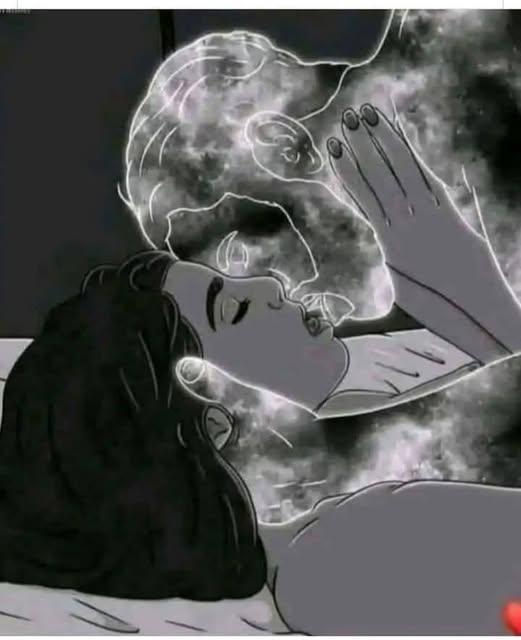
Some expressions of connection are not visible at all. After loss, many people report experiencing moments that feel impossible to explain yet deeply real. A familiar scent in an empty room. A sudden warmth when thinking of someone gone. A feeling of being watched over, not in fear, but in comfort. These experiences often arrive without warning, especially during emotionally significant moments—anniversaries, milestones, or periods of vulnerability.
Skeptics may explain these sensations as memory or imagination, and science may never fully define them. But for those who experience them, explanation often matters less than impact. These moments don’t feel threatening. They feel supportive. Reassuring. As though love has found a way to linger even after physical presence has ended.
What’s striking is how often these experiences align with emotional need. They appear when someone is overwhelmed, grieving, or facing uncertainty. Whether interpreted as spiritual connection or psychological response, they offer something essential: grounding. They remind people that relationships don’t vanish cleanly. They echo, they persist, and they continue shaping how we move forward.
Taken together, these expressions—facial features shaped by time, intentional marks of identity, and invisible emotional bonds—form a larger narrative about what it means to be human. We are not defined by perfection or symmetry, but by meaning. By the marks we accumulate. By the choices we make. By the connections we refuse to let go of.
Even intimacy reflects this truth. How people express affection—through touch, closeness, or presence—often reveals emotional states more honestly than words. Small details matter. They signal comfort, vulnerability, distance, or trust. Human connection is rarely about grand gestures. More often, it’s communicated through subtle, consistent behaviors that reveal how safe or connected someone feels.
In the end, the body and the spirit are storytellers. Every line, every choice, every quiet sensation carries information about who we are and what we’ve lived through. These stories don’t need correction or explanation. They deserve recognition. They remind us that beauty is not something to achieve, but something to understand—found in meaning, memory, and the deeply human need to connect.