That small orange box sitting quietly in your pantry is far more useful than most people ever give it credit for. Baking soda isn’t just for baking or deodorizing the fridge. Used correctly, it can become one of the simplest, safest, and most effective tools for maintaining your bathroom—especially your toilet—without harsh chemicals or expensive products.
Most people focus on scrubbing the toilet bowl and ignore what’s happening behind the scenes. The tank, hidden from view, plays a critical role in how clean, odor-free, and efficient your toilet actually is. Over time, mineral deposits from hard water settle inside the tank. Odor-causing bacteria thrive in warm, damp environments. Rubber and metal components slowly degrade under constant exposure to minerals and chemical cleaners. All of this happens quietly until one day your toilet smells bad, flushes poorly, or needs repairs.
This is where baking soda earns its place.
Adding baking soda to your toilet tank once a month works as a low-effort maintenance routine that prevents many of these issues before they start. When dissolved in water, baking soda naturally neutralizes acids and odors. Instead of masking smells with artificial fragrances, it tackles them at the source by altering the pH level that odor-causing bacteria depend on to survive.
Hard water is another common enemy. The minerals in hard water—especially calcium and magnesium—cling to internal components and gradually form scale. That scale restricts water flow, interferes with moving parts, and reduces flushing power. Baking soda helps soften water and disrupt mineral buildup before it hardens into stubborn deposits. Over time, this can noticeably improve flushing efficiency and extend the lifespan of internal tank parts like the flapper, fill valve, and overflow tube.
Unlike abrasive chemical cleaners, baking soda is gentle. It won’t scratch porcelain or damage rubber seals. That mild abrasiveness is enough to loosen grime and stains without causing wear, which makes it ideal for regular use. Chemical cleaners, especially those containing bleach or ammonia, can degrade materials inside the tank and corrode plumbing over time. Baking soda avoids that entirely.
One of its biggest advantages is safety. Baking soda is non-toxic, biodegradable, and safe for septic systems. Many commercial toilet cleaners disrupt the balance of beneficial bacteria in septic tanks, leading to long-term system problems that are expensive to fix. Baking soda supports that natural balance instead of destroying it. It also doesn’t release fumes, making it safer for households with children, pets, or anyone sensitive to strong smells.
Cost matters too. Specialized toilet cleaning tablets, drop-in tank cleaners, and liquid disinfectants can add up quickly. Baking soda costs pennies per use and does the job without unnecessary additives or packaging. One box can last months while replacing multiple products under your sink.
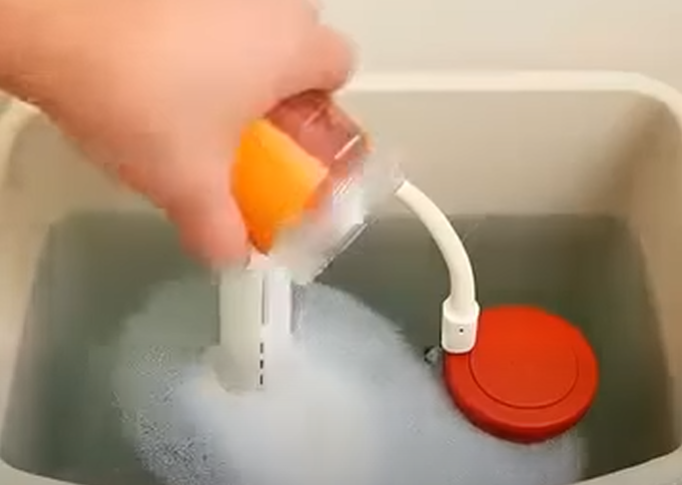
The process itself is simple. Once a month, lift the toilet tank lid and pour about one cup of baking soda directly into the water. Let it sit for several hours or overnight if possible. During that time, it works silently—neutralizing odors, softening minerals, and loosening residue. Flush once or twice afterward, and you’re done. No scrubbing, no gloves, no chemical smell lingering in the bathroom.
Over time, the effects compound. The tank stays cleaner. Odors diminish or disappear entirely. Mineral buildup slows dramatically. Flushes remain strong and consistent. You’re less likely to deal with stuck flappers, running toilets, or mysterious smells that seem to come from nowhere.
There’s also an environmental benefit that often gets overlooked. Every time you skip a chemical cleaner, you reduce the amount of synthetic substances entering the water system. Baking soda breaks down naturally and doesn’t contribute to water pollution or chemical runoff. Choosing it isn’t just good for your bathroom—it’s a small but meaningful step toward a lower-impact household.
What makes this habit especially powerful is how effortless it is. There’s no deep cleaning session, no complicated routine, and no learning curve. It’s a quiet, preventive measure that works in the background, much like changing an air filter or wiping down a faucet before buildup forms.
Many people only think about toilet maintenance when something goes wrong. By then, odors are strong, parts are worn, and repairs cost time and money. Baking soda flips that pattern. It’s proactive instead of reactive. A small monthly habit that prevents bigger problems later.
In a world full of overengineered products and aggressive marketing, baking soda remains refreshingly honest. No bold promises, no flashy packaging—just consistent, proven performance. It doesn’t try to overpower your bathroom with scent or bleach it into sterility. It simply keeps things balanced, clean, and functional.
That’s why adding baking soda to your toilet tank isn’t just a cleaning trick. It’s smart home maintenance. It protects your plumbing, saves money, reduces chemical exposure, and keeps your bathroom fresher with almost no effort at all.
Sometimes the best solutions are the ones that have been sitting right in front of us all along.