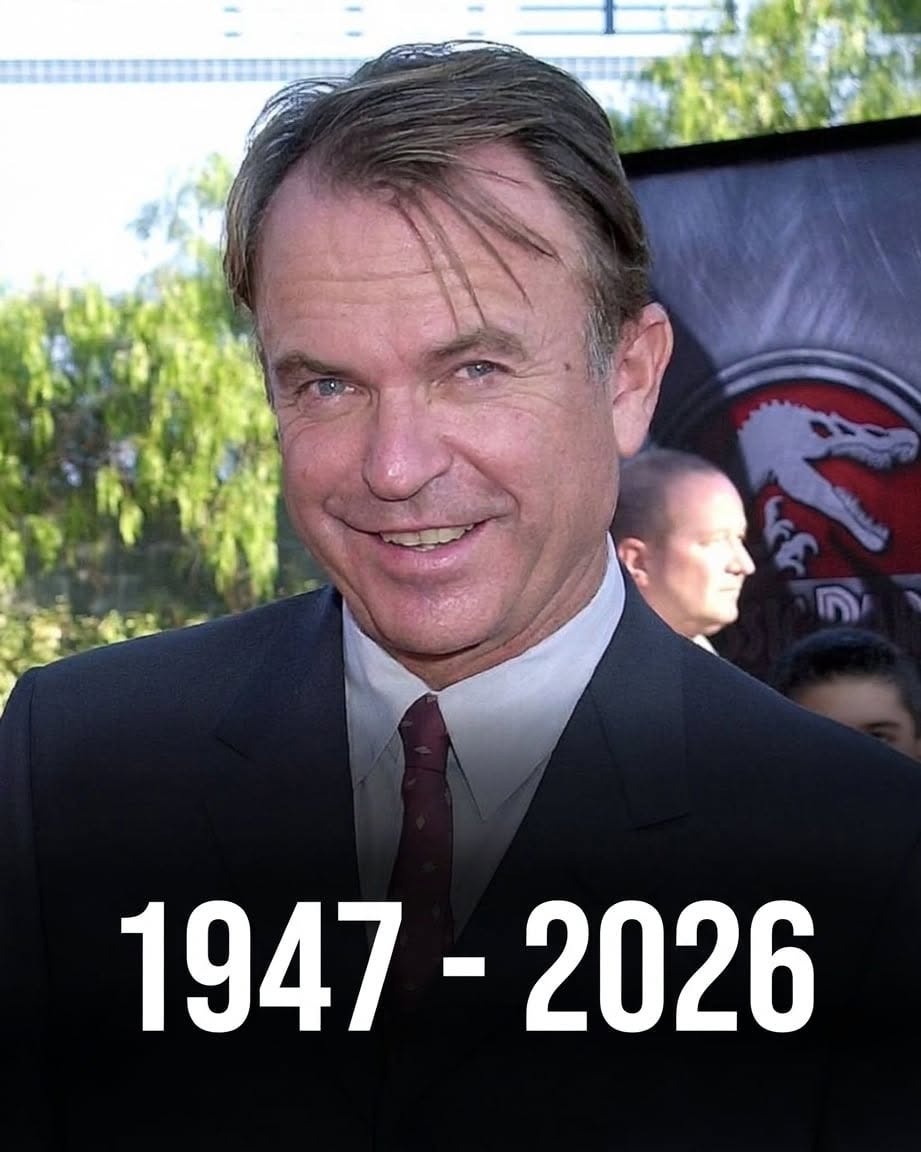
The film world is mourning the reported loss of beloved New Zealand actor Sam Neill, famous for Jurassic Park. According to the provided report, he passed away suddenly at age 78 in Sydney, surrounded by family. Neill built a remarkable career spanning five decades, starring in The Piano, Dead Calm, and Peaky Blinders. His reported passing leaves behind a lasting legacy and generations of fans who admired his unforgettable performances.
MORE BELOW
The report looks back on a career through the titles that made Neill familiar to different audiences. Jurassic Park occupies a prominent place in that remembrance, but the other works named show why his screen presence cannot be reduced to a single association. The Piano, Dead Calm, and Peaky Blinders belong to the collection of performances through which viewers came to recognize his name and face over many years.
A career spanning five decades also reaches people at different stages of their own lives. One viewer may remember encountering an actor for the first time in a film watched with family. Another may know the same performer through a later television appearance. Those experiences can produce a sense of familiarity even though the relationship exists entirely through the screen. It is that accumulated connection that the brief tribute invokes when it refers to generations of fans.
The range of titles matters because lasting recognition is often built across many separate pieces of work. A performer becomes familiar through repeated encounters, and an audience may carry memories of several roles without thinking of them as parts of a single career. Looking back brings those appearances together. It allows the individual performances to be seen within a longer working life rather than only as isolated moments of entertainment.
The wording of this particular account also requires care. It describes a reported death and gives a location and age, but it does not identify a named family representative, reproduce an announcement, or provide further documentation. Those details remain the claims of the report. The text's brevity should not be treated as permission to invent a cause, a final conversation, or other private circumstances that it does not supply.
What the tribute can describe without adding such details is the significance of the work already named. Films and television performances continue to be encountered by audiences long after their first release. People return to them, introduce them to others, and associate them with particular memories. That continuing relationship helps explain why an actor's career can matter beyond any single news item.
The account therefore combines two different subjects: an unverified report about a personal event and a remembrance of a recognizable body of screen work. The first remains dependent on confirmation beyond this brief text. The second is the basis of the admiration expressed here. Keeping those subjects distinct preserves the tribute's focus on the performances while making clear the limits of the information provided about the reported loss. The remembered performances remain the clearest and most concrete part of the tribute presented here.