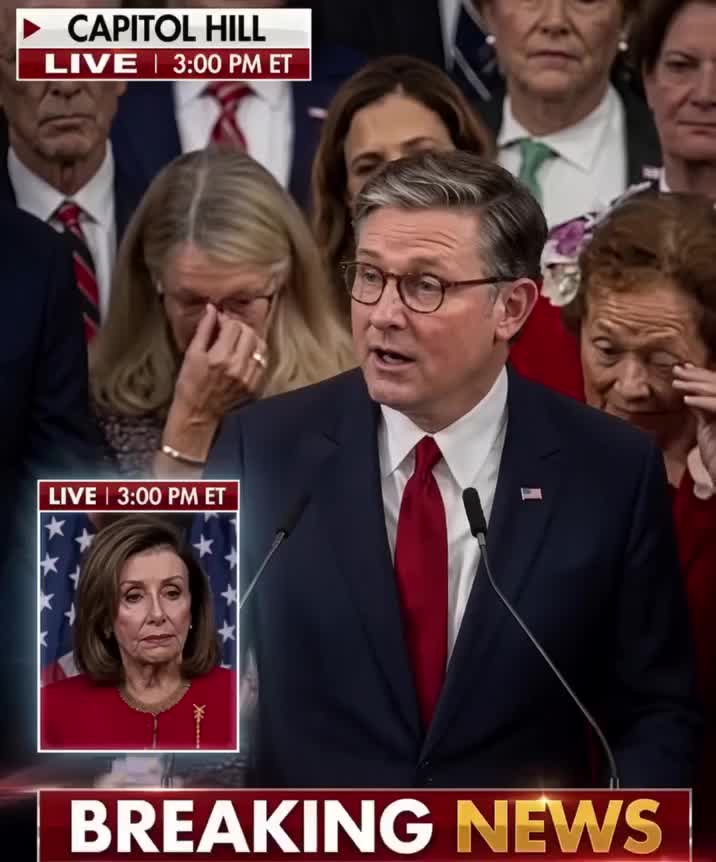
The Republican-controlled U.S. House of Representatives passed legislation this week aimed at strengthening safeguards against improper and fraudulent federal payments, approving the Stopping Fraudulent Payments Act by a 218-200 vote. The measure, introduced by House Oversight Committee Chairman James Comer (R-Ky.), seeks to reform the longstanding “pay and chase” system in which agencies issue payments before verifying eligibility, often resulting in costly and incomplete recovery efforts. Under the bill, federal agencies would gain authority to pause, condition, or segment suspicious payments when data indicates elevated risk of fraud or error. The U.S. Treasury Department would also be empowered to return flagged requests for additional review using tools such as the Do Not Pay database.
“Congress must take further action to stop fraud before it happens,” Chairman Comer said on the House floor. “The Stopping Fraudulent Payments Act adds critical safeguards to ensure federal payments go to the right recipient in the right amount before funds are awarded or disbursed.”
Government Accountability Office estimates place improper payments at $186 billion in fiscal year 2025, a $24 billion increase from the previous year. Cumulative improper payments since 2003 have approached $3 trillion, according to oversight findings. These losses affect taxpayer-funded programs including Social Security, Medicare, and various welfare initiatives.
Accountability and Broader Efforts
House Budget Committee Chairman Jodey Arrington (R-Texas), an original cosponsor, emphasized the need for accountability as large sums flow to state and local governments. “Every dollar must be safeguarded against waste, fraud, and abuse,” he stated. The legislation builds on oversight investigations that have highlighted vulnerabilities in federal programs. It forms part of a broader package of 11 Oversight Committee bills addressing issues ranging from student aid fraud to improper payments across agencies.
Democrats largely opposed the measure, with nearly all voting against it and only a small number crossing party lines. The bill now advances to the Senate. Supporters frame the effort as consistent with broader initiatives to improve government efficiency, including the White House Task Force to Eliminate Fraud and the Department of Government Efficiency. The legislation aims to shift from reactive recovery to proactive prevention, directing limited resources toward eligible recipients while reducing losses to fraudsters and ineligible claimants.
The central change described in the legislation is the timing of review. Under the pay-and-chase approach criticized by supporters, money is issued first and recovery efforts follow when a problem is discovered. The bill would instead allow agencies to interrupt a payment when available information indicates a heightened risk. That places greater emphasis on questions being addressed before funds leave the system.
The authority to pause, condition, or divide suspicious payments gives the proposal more than one way to respond. The account describes review through federal data tools and additional scrutiny of flagged requests. Supporters connect those mechanisms with ensuring that money reaches the intended recipient in the correct amount. Their argument is that prevention can make better use of resources than attempting to retrieve money after it has already been distributed.
The House vote represents one stage in the legislative process described by the article. The measure advances to the Senate, where its next step remains pending in the account. That distinction is essential to the story’s outcome: the report describes approval by the House and the objectives of the proposal, while the broader debate over federal payment safeguards continues.