Federal Appeals Court Sacks Trump’s Trans Service Member Ban – Sort Of
Another day, another federal court stuffed with activist judges who believe their rulings should be based on hurting President Donald Trump.
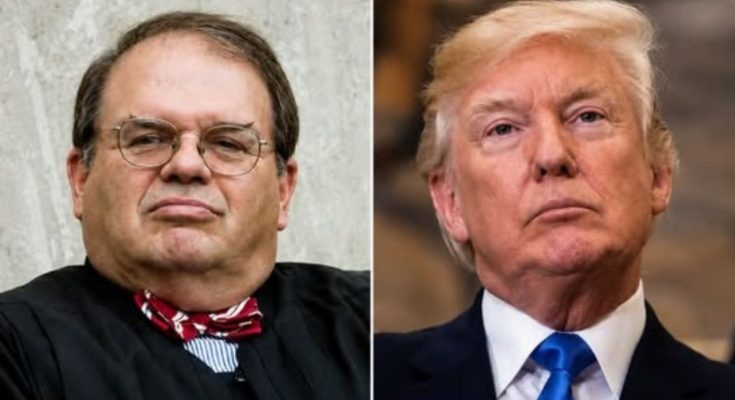
On Monday, a federal appeals court ruled 2-1 that portions of the Trump administration’s policy of not admitting trans people into military service were unlawful.
Oh, and contained “animus” or something.
BREAKING: In a 2-1 ruling, a federal appeals court finds the Trump administration policy to ban transgender individuals from serving in the US military is unconstitutional.
The court has ruled that the policy is unconstitutional and further stated that it “appears to be driven by the bare desire to harm a politically unpopular group.” It also states that the policy advanced by Secretary of War Pete Hegseth is “arbitrary and based on animus.”
“The record shows that the purpose of the Hegseth Policy is to target applicants and servicemembers who express what the Administration believes is a ‘false gender identity,’ and the Policy goes far beyond disqualifying persons currently or recently suffering from gender dysphoria,” the decision says.
“Some of those disqualifications are completely unexplained and have no reasonable justification.”
Hows this for justification. The military has been working endlessly for years to stamp out sexual harrassment and assault. Now some bozo judges with TDS want to allowed gender confused people into the military?
Here’s more justification. Serving in the military is not a right, it’s a privilege that not everyone enjoys or should enjoy. What’s next – a court ruling that people with diabetes and heart disease should be allowed to serve? Or one that says the military’s physical standards ‘discriminate against overweight people’?
It’s absurd.
In any event, the appeals panel left Trump’s ban on enlisting new transgendered troops stand for now, so there’s that.
The ruling added another layer to a dispute that had already moved through several courts. Each stage required judges to consider the governments stated reasons for the policy, the rights claimed by affected service members, and the practical consequences for military planning. Because appeals can narrow, delay, or reshape an order, the immediate result did not end the underlying legal fight.
For people serving under the disputed policy, uncertainty can affect assignments, medical decisions, training, and long term career plans. Commanders also need clear rules that can be applied consistently across branches and installations. That makes the timing and scope of every court order significant even when the decision is temporary or limited.
The case will continue to draw attention because it connects presidential authority, military administration, and individual rights. Future hearings may focus on the evidence used to justify the restriction and whether the government followed the required process. Until the litigation is resolved, both officials and service members will be watching closely for the next order and its practical effect.
The legal record will also influence how later administrations design military personnel policies. Clear findings, documented reasons, and workable transition rules can determine whether a policy survives review. The courts response therefore matters beyond the people named in this case, because it may guide similar decisions for years.