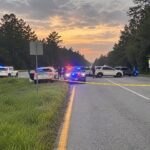
On a highway already strained by rain and low visibility, the out-of-control trailer became a moving threat no one could outrun. It slammed into an embankment, then plowed into cars and a pickup, locking the Mexico–Querétaro route in a grid of crushed steel and blaring horns. Witnesses spoke of sudden terror: brake lights flaring, vehicles swerving blindly, and the sickening sound of repeated impact.
Yet, against all expectations, no one died. Paramedics moved quickly through the chaos, treating cuts, bruises, and shock while urging some victims to seek further care. As tow trucks cleared the lanes and traffic inched forward again, a quieter realization settled over the region: it could have been a massacre. Instead, it became a warning about speed, rain, and the fragile line between routine travel and disaster.
The sequence of impacts turned a traffic emergency into a prolonged obstruction. The trailer’s collision with the embankment was followed by damage to several other vehicles, leaving motorists facing both the wreckage ahead and the difficult weather around them. Rain and reduced visibility formed the backdrop to an event that unfolded much faster than anyone caught in it could have anticipated.
For those inside the affected cars and pickup, the aftermath was measured in injuries, damaged vehicles, and the shock of the collision. Cuts and bruises may sound limited beside the appearance of the wreckage, but they still required attention. Paramedics’ efforts to assess people at the scene were a separate and important part of the response, alongside the work needed to reopen the roadway.
The absence of reported deaths was the most reassuring detail to emerge. It did not erase the fear described by witnesses or the disruption experienced by drivers. It did, however, give the incident a different outcome from the one the scale of the collision might have suggested. People who had been making an ordinary journey instead found themselves dealing with the consequences of a sudden chain of impacts.
Clearing the damaged vehicles was essential before traffic could move normally again. Tow trucks had to remove the obstacles left across the route, while motorists waited for space to pass. The slow return of movement marked the transition from the immediate emergency to its aftermath. For some, that meant continuing a delayed journey; for those directly involved, it meant confronting injuries and the damage to their vehicles.
The conditions on the road remain an important part of the account. Poor visibility and rain can leave drivers with less opportunity to recognize danger ahead, although the description of the crash alone does not settle every question about its cause. What is clear is that the trailer lost control and struck other vehicles, creating a situation that demanded both emergency care and a substantial cleanup.
The Mexico–Querétaro route eventually began moving again, but the images and witness accounts conveyed how abruptly an ordinary stretch of highway had changed. The strongest point in that story remains the survival of those involved, alongside the work of responders who attended to the injured and helped restore passage.