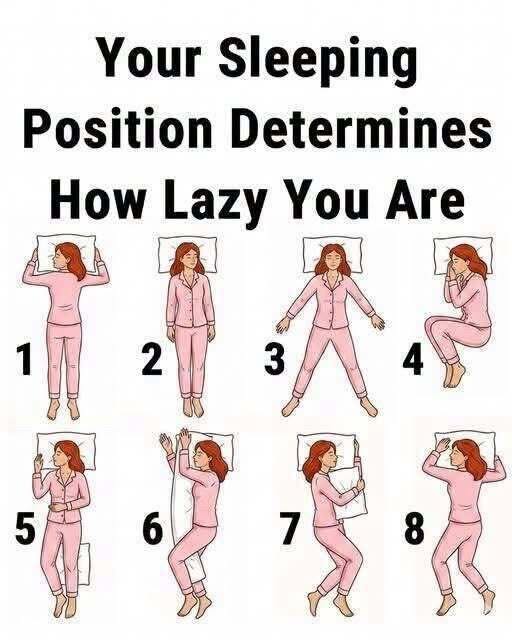
The position a person returns to each night can feel deeply personal. Some people curl tightly on one side, some stretch across the bed, others lie flat on their backs, and many shift repeatedly without remembering it. Popular personality guides often claim that these habits reveal whether someone is confident, guarded, sensitive, independent, or relaxed.
The fetal position is one of the most common. It is often described as protective because the knees are drawn toward the body. Informal interpretations associate it with people who appear strong but are emotionally sensitive. That description may feel accurate to some sleepers, but it is not a scientific personality test.
Side sleeping with the arms resting close to the body is sometimes linked with calm, social, or trusting personalities. A person who sleeps with both arms extended has been described as open but cautious when making decisions. These labels are entertaining, yet comfort, shoulder mobility, mattress firmness, and simple habit offer more direct explanations.
Back sleepers are sometimes portrayed as reserved and disciplined. The so-called soldier position keeps the arms near the sides, while the starfish position spreads them outward. Back sleeping may help some people maintain a neutral spine, but it can also worsen snoring or obstructive sleep apnea in susceptible individuals.
Stomach sleeping is frequently connected in popular lists with boldness or a desire for control. Physically, however, it requires the neck to remain turned and can place pressure on the lower back. Someone may choose it because it feels familiar, not because it exposes a hidden trait.
Sleep position is influenced by far more than personality. Pain, pregnancy, breathing, temperature, injuries, reflux, body shape, and the age of a mattress can all change how a person rests. A sleeper may move to one side after a shoulder injury or raise the upper body to reduce nighttime heartburn.
The more useful question is whether the position supports comfortable, restorative sleep. Persistent neck or back pain may signal that the pillow or mattress is not providing enough support. Loud snoring, gasping, pauses in breathing, morning headaches, or severe daytime sleepiness should be discussed with a healthcare professional.
Small adjustments can help. Side sleepers often benefit from a pillow that keeps the neck level and another between the knees. Back sleepers may place a pillow beneath the knees. Stomach sleepers may need a thinner pillow to reduce neck strain.
Personality interpretations can still be a fun conversation. People recognize themselves in descriptions and compare habits with partners or friends. They should simply be treated as playful observations rather than diagnoses. The position that feels natural may say more about the body’s search for comfort than about character.
So notice how you sleep, but pay closest attention to how you feel after waking. Rested breathing, minimal pain, and steady energy reveal far more about sleep quality than any label attached to a pose.
Health needs can also determine the best position. People with reflux may feel better on the left side or with the upper body elevated. During pregnancy, side sleeping is commonly recommended as the abdomen grows. Someone recovering from surgery may need temporary positioning advice from a clinician.
No sleeper remains perfectly still all night. The brain and body make small adjustments to relieve pressure and maintain comfort, so the position seen at bedtime may not be the one held during deeper sleep. Partners often observe movement the sleeper never remembers.
A consistent routine has a stronger connection to rest than a personality label. A dark, quiet room, regular bed and wake times, limited late caffeine, and enough opportunity for sleep can improve how a person feels in the morning.
If a playful description seems to match, enjoy it without treating it as a verdict. Someone who curls up is not automatically anxious, and a person who spreads out is not necessarily selfish or confident. Bodies choose positions for practical reasons, and those reasons can change from one night to the next.