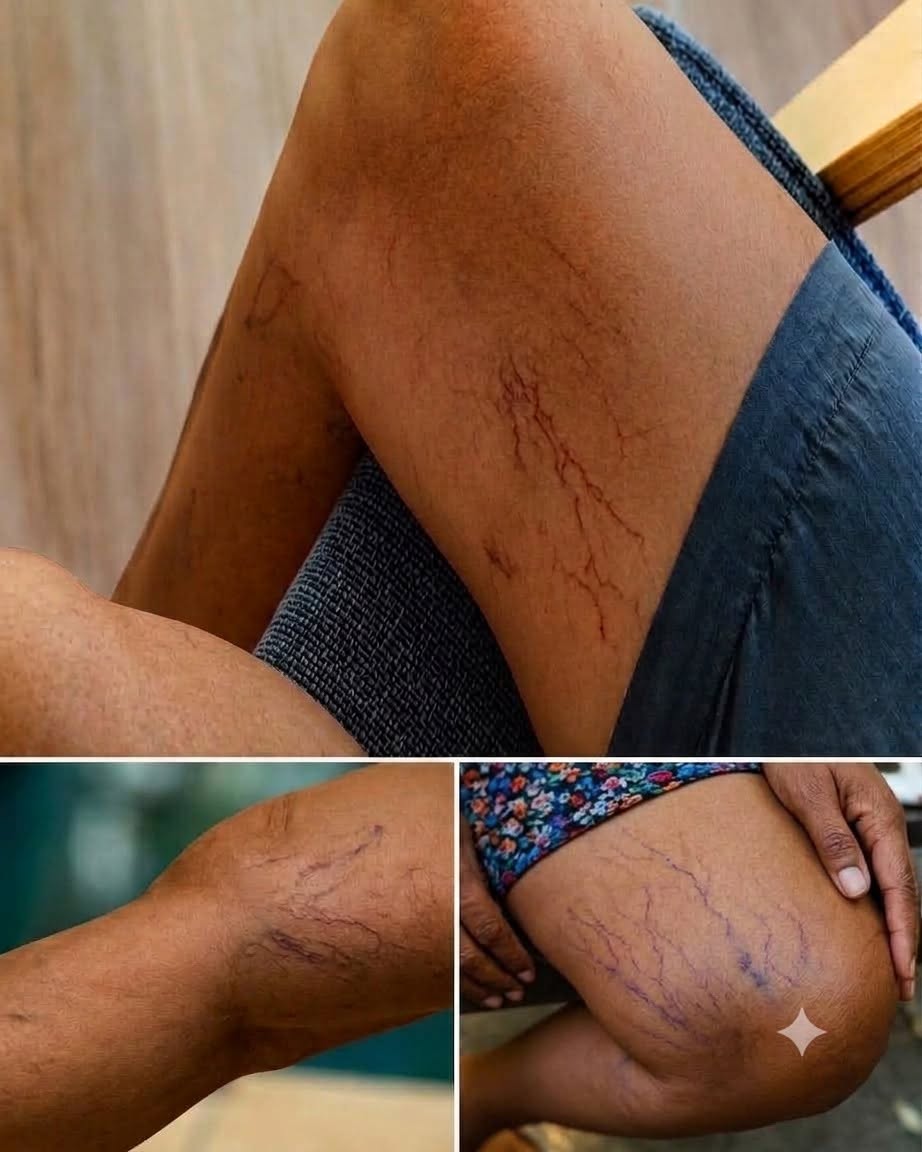
Purple or blue veins that become visible on the legs are common, but several different factors can produce them. Some are mainly cosmetic, while others deserve medical attention, especially when the change is sudden or accompanied by pain, swelling, warmth, or skin discoloration.
Varicose veins are one of the most frequent causes. Veins contain small valves that help move blood back toward the heart. When those valves weaken, blood can collect in the lower legs and enlarge the vessel. The vein may become twisted, raised, blue, or dark purple. Aching, heaviness, itching, cramps, and swelling can appear after long periods of standing.
Spider veins are smaller and sit closer to the skin. They often form thin red, blue, or purple branches. They may not hurt, but can become more noticeable with age, hormonal changes, pregnancy, family history, or prolonged standing. Although usually harmless, they can occur alongside deeper circulation problems.
Genetics play an important role. A person whose parents developed visible leg veins has a greater chance of experiencing them. Age also matters because vein walls and valves can lose strength over time. Skin may become thinner, making vessels easier to see even when circulation remains adequate.
Pregnancy can increase the volume of blood in the body while the growing uterus adds pressure to veins in the pelvis and legs. Hormonal changes may relax vessel walls. The resulting veins often improve after delivery, though repeated pregnancies can make them more persistent.
Long hours of sitting or standing reduce the helpful pumping action of the calf muscles. Blood then has to work harder against gravity. Regular walking, ankle movements, and short breaks can encourage circulation. Maintaining a healthy weight can also reduce pressure on leg veins.
A blood clot requires prompt attention. Deep vein thrombosis usually affects a deeper vessel and may cause swelling, tenderness, warmth, or pain, often in one leg. A clot can become dangerous if it travels to the lungs. Sudden shortness of breath, chest pain, coughing blood, or fainting needs emergency care.
Chronic venous insufficiency is another possibility. When blood repeatedly pools, the skin around the ankles may darken, become itchy, or develop sores that heal slowly. A clinician may use an examination or ultrasound to evaluate blood flow and determine whether treatment is needed.
Simple measures may ease mild symptoms. Walking, avoiding long periods in one position, elevating the legs, and following guidance about compression stockings can help. Stockings should be chosen carefully, especially for people with other circulation conditions.
Visible purple veins do not automatically mean something serious. New or rapidly changing veins, however, should not be ignored when they come with significant pain, swelling, warmth, bleeding, or skin wounds. Knowing what is normal for your legs makes it easier to recognize a change worth checking.
Treatment depends on the cause and severity. Cosmetic spider veins may be treated with procedures such as sclerotherapy or laser therapy, while larger varicose veins may require ultrasound-guided care, closure procedures, or surgery. A healthcare professional can explain the benefits and risks after examining the veins.
Bleeding from a surface vein should be handled promptly. Firm pressure and elevation can help while medical advice is sought. Recurrent bleeding, open sores, or skin hardening around the ankle are reasons for a timely evaluation rather than home treatment alone.
People should also avoid assuming that every visible vessel can be erased with creams. Skin products may moisturize or temporarily change appearance, but they do not repair a faulty valve inside a vein. Effective care begins with understanding whether the issue is cosmetic or connected to circulation.
The six broad influences include varicose veins, spider veins, inherited tendency, aging, pregnancy and hormonal change, and circulation affected by long sitting or standing. A clot or chronic venous disease can sometimes sit behind similar symptoms, which is why sudden one-sided changes require extra caution.