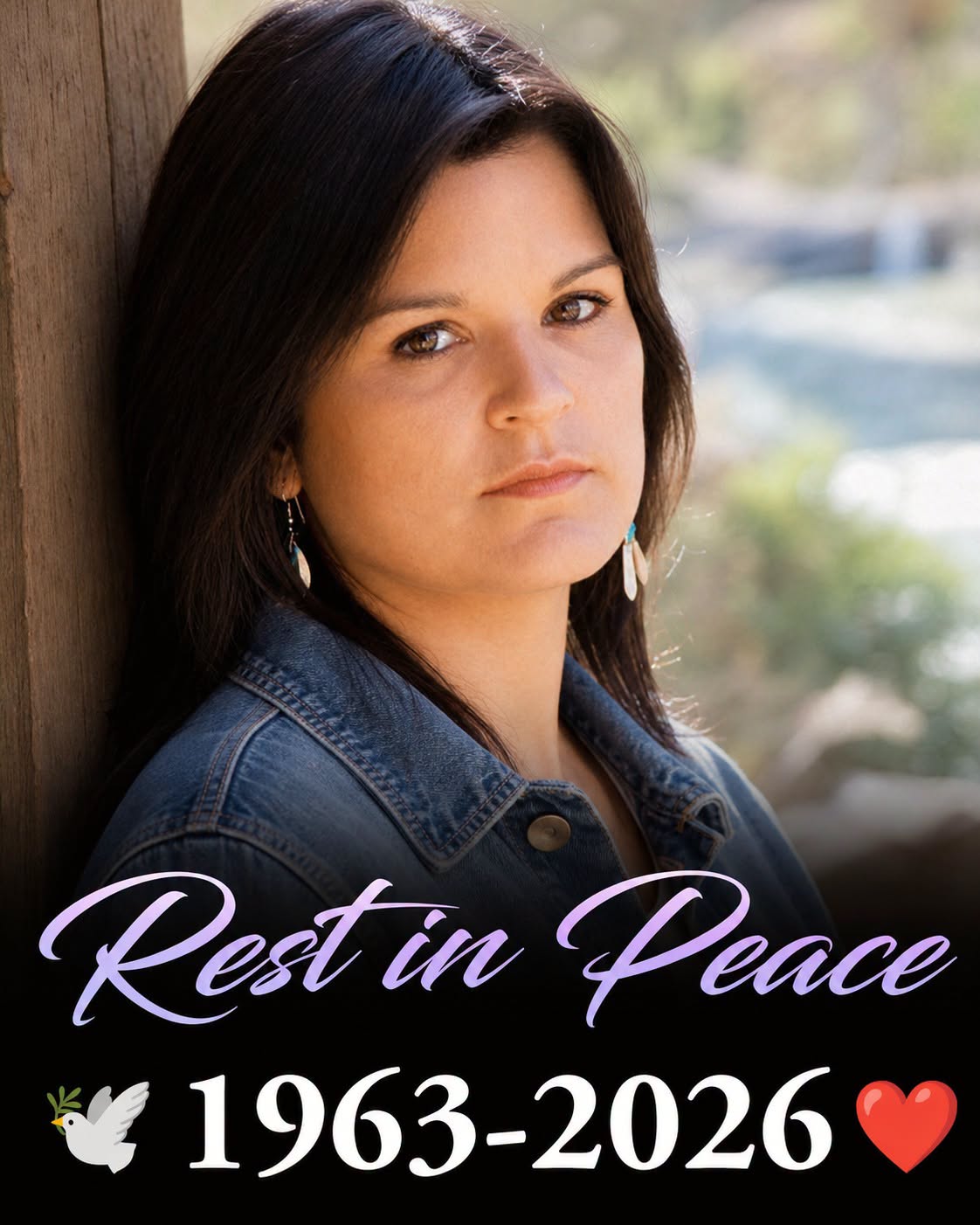
Georgina Lightning died at the age of 63 following a tragic rodeo incident in Alberta, leaving relatives, friends, colleagues, and Indigenous artists mourning a woman who had spent her life creating space for stories too often pushed aside. Her death was sudden, but the work she completed across decades continues to speak with clarity.
Lightning had been documenting Indian Relay riders, whose demanding competition combines horsemanship, speed, courage, and deep cultural tradition. She was doing what had defined so much of her career, placing Indigenous people at the center of their own stories and allowing their experiences to be seen with dignity rather than filtered through an outsider’s expectations.
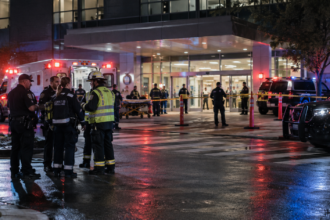
The accident brought that work to an abrupt end. One moment she was recording the energy and power of the riders; the next, the rodeo became the setting of an unimaginable loss. Those present were left trying to understand how quickly a creative project and a celebration of culture had turned into tragedy.
Her importance reached well beyond her acting roles. Lightning became the first North American Indigenous woman to direct a major feature film, a milestone that carried meaning because the industry had long offered Indigenous women so few opportunities behind the camera. She did not simply enter a closed space. She helped widen the entrance for those who followed.
Throughout her career, she worked as an actor, filmmaker, writer, mentor, and advocate. Each role was connected by the same belief that Indigenous stories should be told by Indigenous voices. She understood that representation involves more than appearing on screen. It also means having authority over the way a community, a family, and a history are portrayed.
Lightning refused to wait for the film industry to decide that those stories were valuable. She developed projects, built relationships, and supported younger artists who were looking for a path. Her determination challenged a system in which Indigenous characters had often been reduced to stereotypes or pushed to the edges of someone else’s story.
The tributes following her death revealed the scale of her influence. Co-stars remembered her courage and generosity. Friends described a woman whose strength did not prevent her from being warm and attentive. Younger filmmakers spoke about the confidence they gained from watching someone with her background take control of a production and insist that the work be truthful.
Her daughter Crystle’s grief brought the loss back to its most personal level. Public achievements can be listed in biographies and award histories, but a family experiences death differently. They lose the voice they called, the person who knew private jokes, the mother whose presence shaped ordinary days that were never meant for an audience.
For the Indigenous film community, the loss is both personal and professional. Lightning was part of a generation that had to fight for recognition while building opportunities that did not previously exist. Her success became evidence that the barriers were artificial, not a reflection of talent or the importance of the stories waiting to be told.
The project she was working on at the rodeo reflected that commitment to cultural visibility. Indian Relay racing carries its own history, community, and emotional power. By documenting the riders, Lightning continued the work of showing Indigenous life as living, diverse, and contemporary rather than confined to the past.
Her death has left unfinished plans and conversations, but it has not erased the path she created. Every Indigenous filmmaker she encouraged and every actor who saw a fuller possibility through her career carries part of that work forward. The doors she opened remain open because others are now walking through them.
The circumstances of the rodeo accident are painful, and the suddenness of the loss is difficult to accept. Still, the story of Georgina Lightning cannot be reduced to her final moments. Her legacy rests in the films she made, the artists she supported, and the determination with which she demanded that Indigenous people be allowed to tell their own stories.
Her life demonstrated that representation is not a passing gesture. It is a transfer of power, perspective, and opportunity. Lightning used that power to make room for others. The community now mourning her can also see her influence in the growing number of Indigenous voices creating work on their own terms.