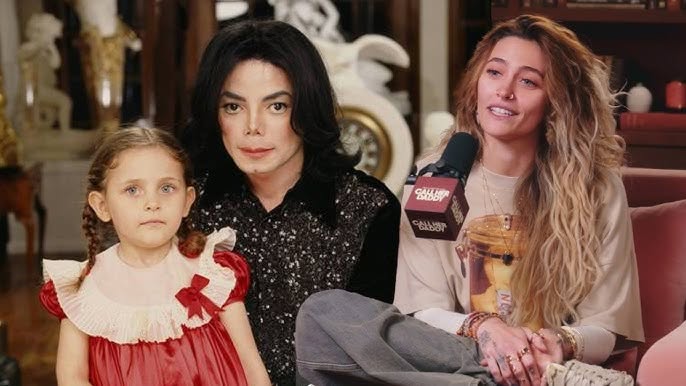
Paris Jackson was born into one of the most famous families in entertainment, but she has spent much of her adult life trying to define herself beyond the surname the world already knew. Being Michael Jacksons daughter brought extraordinary opportunities, yet it also placed her childhood, grief, appearance and personal choices under intense public scrutiny.
Most young people are able to make mistakes and discover their identities privately. Paris had to do that while strangers formed opinions about her before she had chosen a career or decided how she wanted to be seen. The attention grew even stronger after the death of her father, a loss that became a defining and deeply painful moment in her life.
In the years that followed, she spoke openly about trauma, mental health struggles and substance use. She also described time spent at a therapeutic school as a teenager and later said that some of those experiences were harmful. Rather than erase those chapters, Paris has gradually incorporated them into a broader account of recovery and self discovery.
Her sobriety became one of the most important parts of that journey. Paris has discussed her past use of heroin and alcohol and the difficult work required to change the habits she once used to numb emotional pain. In January 2026, she marked six years of sobriety, presenting the milestone not as a perfect ending but as evidence of continued effort.
Recovery for her has meant more than simply avoiding substances. It has involved learning healthier ways to respond to grief, anxiety and memories that do not disappear just because a person stops using. She has emphasized that therapy, support and honest self examination remain part of the process.
Paris has even addressed a lasting physical consequence of her earlier drug use, a perforated nasal septum. Speaking about it publicly transformed something that could have remained a source of shame into a candid reminder that addiction can leave permanent effects. Her approach does not deny the past. It shows that the past does not have to control everything that follows.
Creativity has given her another path forward. She signed with IMG Models in 2017, appeared in fashion projects and pursued acting, but music became an especially personal outlet. Her debut album Wilted arrived in 2020 and allowed her to process experiences through songwriting rather than ordinary conversation.
The sound she developed was her own. Comparisons with her father were unavoidable, but she did not try to reproduce his work. Through recording, collaboration and live performance, she began building an artistic identity that audiences could encounter on its own terms.
Her relationship with the Jackson legacy remains complicated. Paris has defended her father publicly while also insisting on space to be recognized as an independent individual. Those positions are not mutually exclusive. She can love her parent, carry the family name and still refuse to let that name become her entire identity.
Her life also demonstrates that fame and wealth do not prevent suffering. Privilege can offer access and opportunity, but it cannot guarantee emotional stability or protect someone from grief, loneliness and trauma. Paris has said she would rather be remembered for the way she treated people than for celebrity or money.
That perspective shapes the way she talks about healing. Progress is rarely a straight line. A person can remain sober and still have painful days. They may continue needing therapy, help and patience. Growth can mean responding differently when old feelings return rather than expecting those feelings never to appear again.
By discussing addiction, treatment and loss, Paris has made herself vulnerable to criticism, yet that openness also creates connection. People facing similar problems can see that struggle does not make them uniquely broken and that asking for help is compatible with strength.
Today she continues to work across music, modeling and acting. Each field offers a different form of expression, but together they reveal a person whose life is more complex than a famous family connection. She is still creating, still recovering and still deciding what kind of artist and individual she wants to become.
Paris Jacksons story has no neat final chapter, and that may be its most honest quality. She carries a remarkable legacy without allowing it to dictate every decision. Through creativity, sobriety and personal honesty, she is learning how to live with what happened while continuing to build a future that belongs to her.