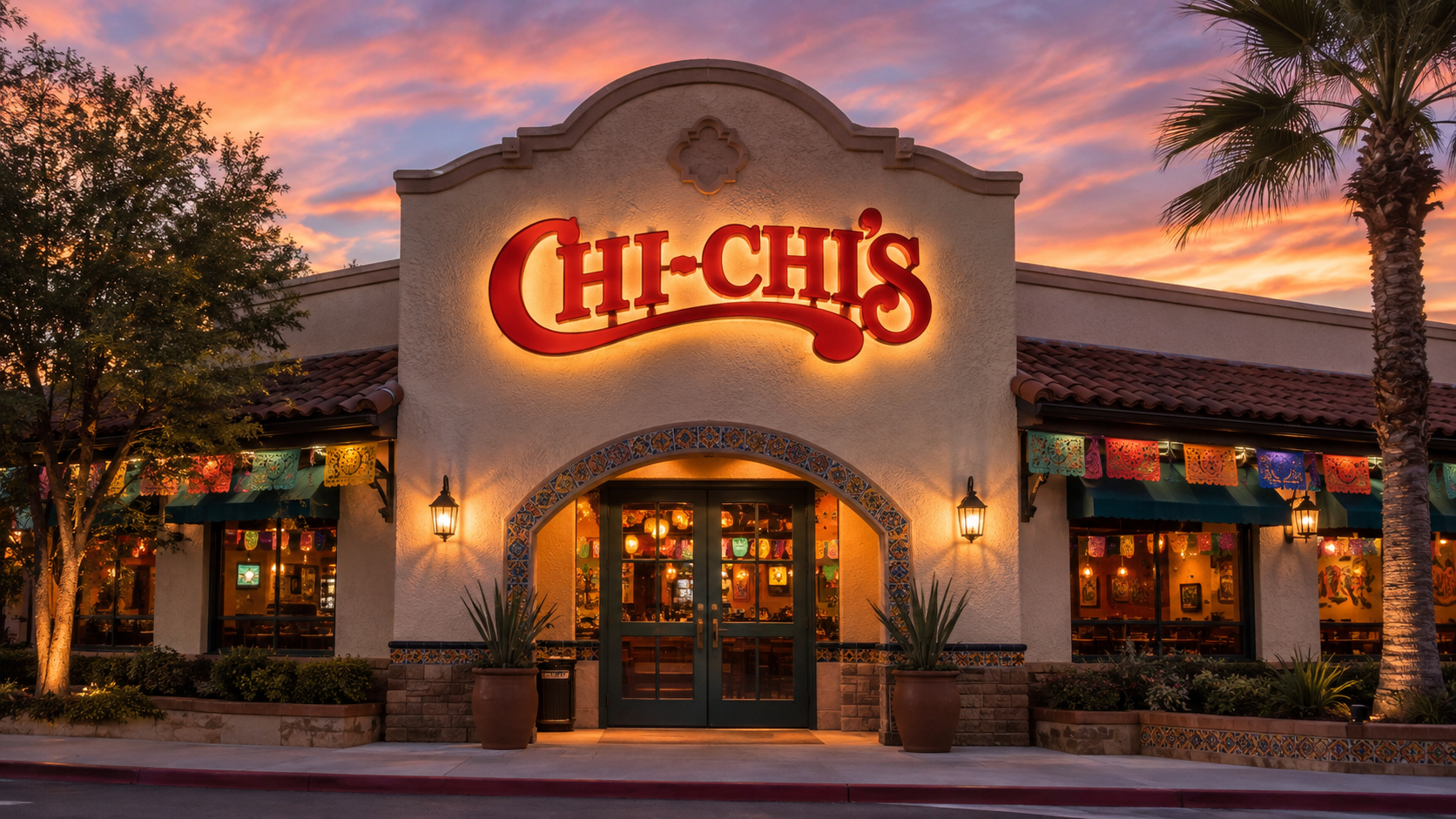
Chi-Chi’s is returning to the restaurant world more than two decades after the familiar Mexican dining chain disappeared from the United States. The comeback is beginning in Minnesota, where the original business was born and where generations of customers still remember birthday dinners, baskets of chips, frozen drinks and the unmistakable atmosphere of its dining rooms.
The chain was founded in 1975 by restaurateur Marno McDermott and former Green Bay Packers player Max McGee. Its first restaurant opened in Richfield, Minnesota, and the concept quickly grew beyond its Midwestern roots. At its height, Chi-Chi’s operated more than 200 locations and became a recognizable name in casual family dining.
That long one remained connected to happy family memories for many customers, even as the company struggled through ownership changes, growing competition and financial pressure. Chi-Chi’s filed for bankruptcy protection in 2003. Its decline also coincided with a devastating hepatitis A outbreak connected to contaminated green onions served at a Pennsylvania location. The outbreak sickened hundreds of people and caused four deaths, leaving a painful chapter in the chain’s history that cannot be separated from the way some people remember the brand.
The last American Chi-Chi’s restaurant closed in 2004, although the name continued to appear on grocery store products such as salsa and tortilla chips. Hormel Foods retained the trademark, allowing the brand to remain familiar even after its restaurants had vanished.
Now Michael McDermott, the son of co-founder Marno McDermott, is leading the return. He reached an agreement with Hormel Foods to revive the restaurant name and present it to a new generation. The renewed concept is not intended to be a museum piece. It combines recognizable elements of the old Chi-Chi’s with a refreshed menu and a more contemporary dining room.
The new era began with a Minnesota location in St Louis Park. The restaurant’s official history describes the revival as a heartfelt nod to its roots while still being designed for today’s customers. That balance is central to the comeback. Longtime fans want the flavors and celebratory mood they remember, while younger diners expect a restaurant that feels current rather than frozen in the past.
The return has naturally produced both excitement and unease. For loyal customers, the name can bring back vivid memories of family dinners and special occasions. For people affected by the chain’s darkest period, nostalgia exists alongside a much more serious history. The revived business therefore carries more than an old logo. It carries decades of expectations and the responsibility to earn trust again.
Chi-Chi’s comeback shows how powerful a restaurant name can remain long after its doors close. The new operators are betting that affection for the original experience can support a second life, provided the brand respects its history and delivers something worthy of the memories attached to it.
Whether the revival grows beyond Minnesota will depend on how customers respond. For now, the reopened doors represent a rare second chance. After roughly 20 years away, Chi-Chi’s is once again serving guests in the state where its story began.