Turning eighty does not make every life look the same. Some people reach the birthday with a busy calendar and familiar routines; others are already making adjustments to how they spend their days. The milestone can bring a different perspective on time, energy, and what feels worthwhile. It need not be understood as the end of an active life, or as a demand to prove that nothing has changed.
One change may be the way energy is used. A day that once seemed easy to fill can call for a more deliberate balance between activity and rest. That does not make every quieter afternoon an empty one. Choosing what matters most can be a practical expression of experience. A conversation, a short outing, or time spent on a favorite project may hold more value than completing a long list simply to stay busy.
Movement can also take a gentler place in the day. Walking, stretching, and light activity are examples mentioned in the discussion of staying engaged with daily life. The point is not to compete with a younger version of oneself or to adopt somebody else’s routine. It is to keep room for enjoyable movement in a way that fits the individual, rather than treating activity as valuable only when it is demanding.
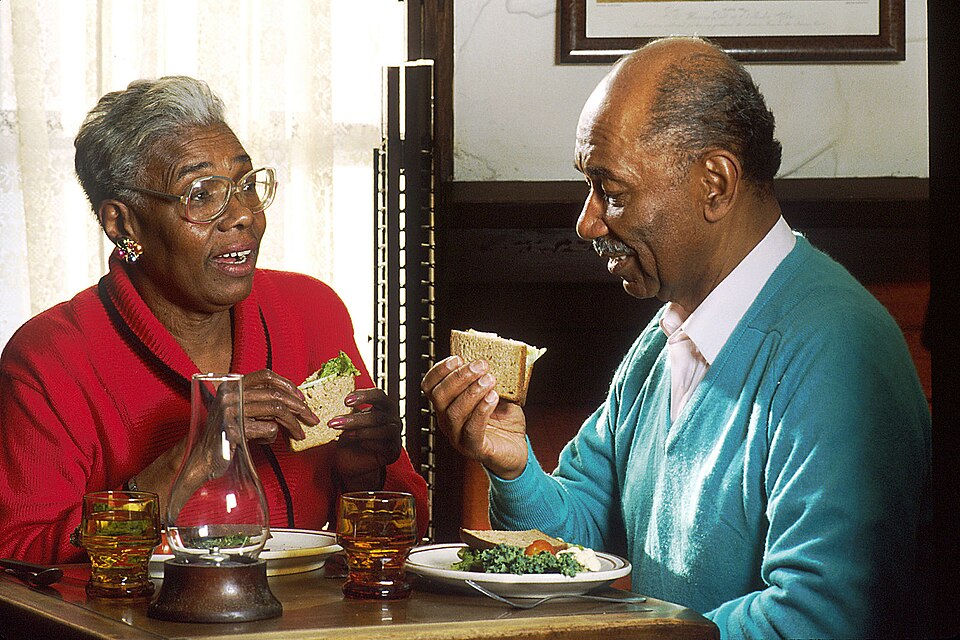
Meals remain another everyday anchor. The foods described—lean proteins, whole grains, fruits, vegetables, and healthy fats—belong to a varied approach rather than a single special ingredient. Water and regular opportunities to eat are part of that same attention to ordinary needs. Preparing a meal can also be a pleasure, a familiar ritual, or an occasion to sit with someone else instead of another task to hurry through.
Rest deserves space as well. Consistent sleep habits are included alongside movement and meals, not as an afterthought. Making room for rest does not mean withdrawing from everything that gives a day meaning. It can be part of arranging a routine that feels manageable. The aim is a balance that leaves room for both participation and quiet, without turning either one into a test of how well someone is aging.
Relationships can become especially important when daily patterns change. Family, friends, community activities, and volunteering offer different ways of staying connected. Not everyone wants the same amount of company or the same kind of gathering. A regular conversation with one trusted person may mean more than a crowded room. What matters is preserving opportunities to share time, interests, and ordinary experiences rather than assuming connection must look a particular way.
Curiosity can continue in equally varied forms. Reading, music, puzzles, creative hobbies, and learning a new skill all offer something to anticipate. They are not valuable only when they produce an impressive result. A book can be enjoyed without being finished quickly; a drawing can be satisfying without being displayed. Continuing to explore an interest leaves room for a person to be more than an age or a set of limitations.
Together, these choices describe a life approached with attention rather than resignation. Bodies and circumstances may change, but interests, relationships, and a sense of purpose can still shape the days. Eighty can be a moment to reconsider the pace of life and make room for what has become important. The richest routine is not necessarily the busiest one. It is one that remains recognizably your own.