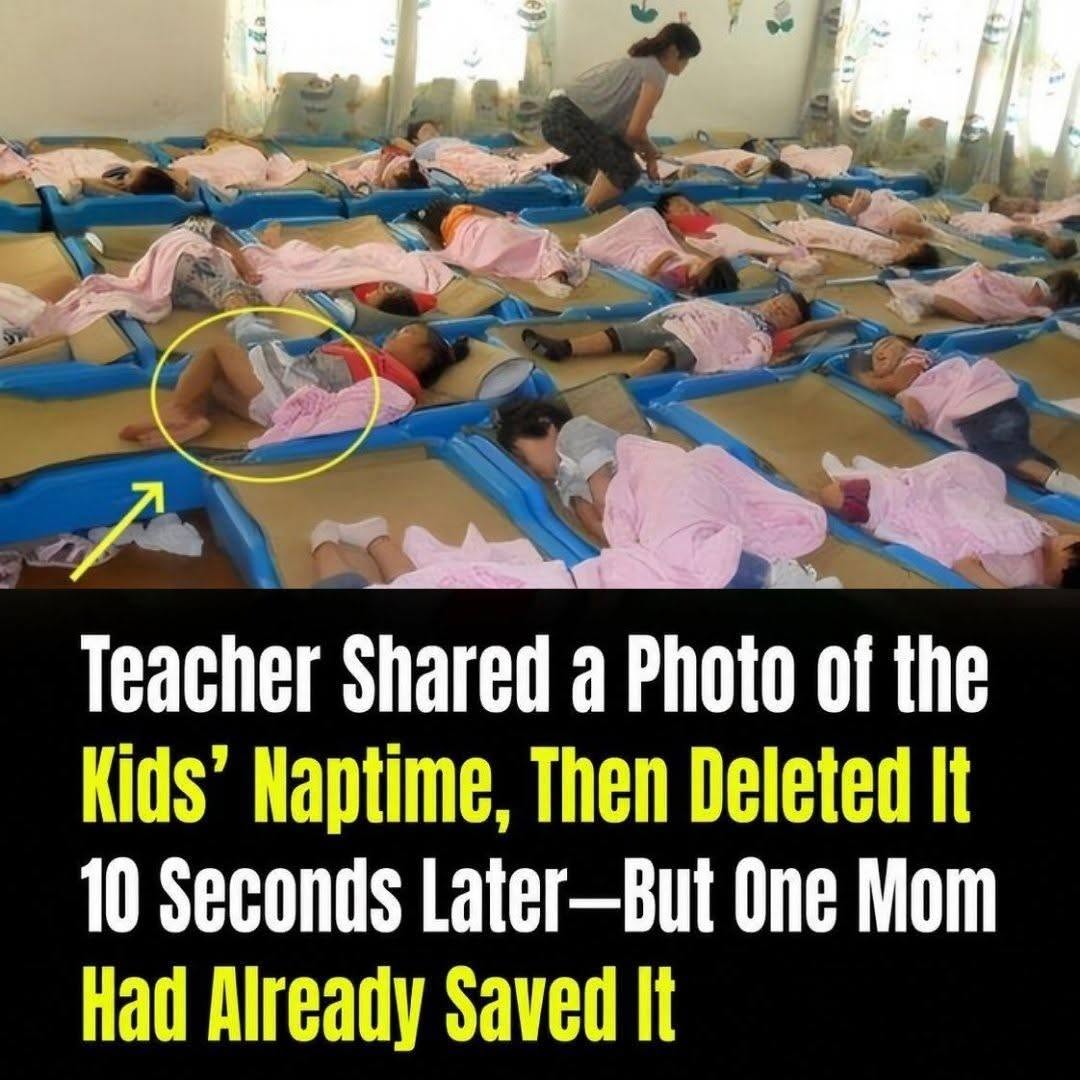
A preschool teacher intended to reassure families by posting a photograph of children sleeping during classroom nap time. The image remained online for only seconds before the teacher removed it, but deletion came too late. One parent had already saved a screenshot, turning an ordinary classroom update into a serious discussion about children’s privacy and the speed at which digital material can escape its intended setting.
Schools increasingly use photographs to help parents feel connected to daily activities. Images of artwork, outdoor play, celebrations, and lessons can show what children are learning and strengthen trust between educators and families. The convenience of instant sharing, however, can obscure an important fact. A photograph becomes difficult to control the moment it is posted, even inside a group described as private.
Young children cannot meaningfully consent to having identifiable images published. Schools therefore commonly ask parents or guardians to complete media consent forms. Permission should specify where images may appear and who can access them. Even when a form has been signed, educators still need to consider whether a particular moment is appropriate to share.
Nap time raises special concerns because sleeping children are in a vulnerable and private state. Some parents may view the photograph as harmless, while others may be uncomfortable with an intimate classroom moment appearing online. The issue extends beyond the teacher’s intention. Saved images can be forwarded, edited, reposted, or viewed by people who were never part of the original audience.
The rapid screenshot in this case demonstrates why deleting a post cannot reliably erase its digital footprint. A platform may remove the original, but copies can continue circulating on personal devices or other accounts. Educators should therefore evaluate an image before publication instead of treating deletion as a dependable safety measure after doubt arises.
Clear school policies reduce uncertainty. Staff should know which children have permission to appear, which communication channels are authorized, and which situations should never be photographed. Secure parent platforms can limit exposure more effectively than public social media, although even restricted systems cannot prevent every screenshot. Access controls work best when paired with careful judgment and regular staff training.
Schools can also communicate classroom life without identifying individual children. A teacher might photograph artwork, books, science materials, or hands engaged in a project. Wider angles, images taken from behind, and blurred faces can provide useful updates while minimizing personal exposure. The purpose should be sharing learning, not collecting attention through recognizable pictures of students.
Parents have responsibilities as recipients as well. A classroom photo sent to a family group is not automatically theirs to publish elsewhere. Reposting may expose other children whose families never agreed to a wider audience. Before sharing, parents should obtain permission from both the school and every identifiable child’s guardian.
Communication is essential when concerns arise. Schools should explain what was posted, how long it was visible, where it appeared, and what steps were taken after removal. Families should be able to ask questions without being dismissed as overprotective. A transparent response can preserve trust and help improve policy rather than turning one mistake into a lasting conflict.
The deleted nap photograph is ultimately a warning about the permanence of online actions. A few seconds can be enough for an image to leave its original location forever. Protecting children requires cooperation among teachers, administrators, and parents, along with a habit of pausing before every post. Families can still receive meaningful classroom updates without sacrificing a child’s right to privacy.
Written consent, limited access, thoughtful image selection, and respect from recipients form a practical safeguard. None works perfectly alone, but together they greatly reduce avoidable exposure and keep a useful school update from becoming a permanent privacy problem.