A Sunday family dinner outside Billings, Montana, ended in a devastating shooting and fire that killed eight relatives across four generations. Four of the victims were children. Authorities identified the gunman as 44 year old Alan Smith, who died from a self inflicted gunshot wound after police arrived.
The victims included Smith’s grandmother, parents, younger sister, and children in the blended family. Among them were 12 year old Charlotte Ghekiere and her 15 year old brother Landon, along with 13 year old Owen Ireland and seven year old Chloe Ireland.
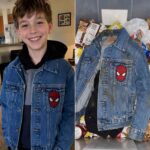
Charlotte was remembered by loved ones for the phrase “I love you more.” Family friends called her a hero because one of the calls for help came from inside the home as the violence unfolded. The courage required to seek help in those circumstances is difficult to comprehend.
Police responded Sunday evening and heard gunfire near the rear of the property. Multiple fires had been set inside, and the house became engulfed. Firefighters could not begin full suppression until officers secured the scene, allowing flames to cause catastrophic structural damage.
The absence of nearby hydrants complicated the response. Crews fought the fire into early Monday while investigators waited for safe access. The house later had to be searched carefully because unstable debris concealed evidence.
Surviving relatives said Smith’s parents had asked him to move out weeks earlier. He returned during the family gathering and opened fire. Investigators continued examining the sequence and motive, acknowledging that some questions may never receive complete answers because the people most able to explain them died.
The victims represented a connected network larger than one household. Schools lost students, workplaces lost colleagues, and neighbors lost friends. In a city the size of Billings, officials said it was difficult to find anyone untouched by the tragedy.
Public attention often centers on the person who caused mass violence, but families asked that the eight lives taken remain central. Charlotte was more than the child who made a call. She had friends, interests, routines, and a future. The same is true of Landon, Owen, Chloe, and the adults around the table.
Online fundraisers were organized to help with funerals and other expenses. Financial support cannot lessen grief, but it can prevent immediate costs from becoming another crisis for surviving relatives.
The fire made the investigation unusually difficult. Teams sifted charred material carefully, documenting evidence while protecting remains and determining where fires began. The process required patience even as the community wanted answers quickly.
Responsible reporting must avoid unsupported speculation. The known conflict over housing may be relevant, but it does not by itself explain an act of this scale. Mental health, family disagreement, and violence should not be linked through guesses that investigators have not confirmed.
Billings is left with memorials, funerals, and the long work of helping children and adults process an event that destroyed most of a family at dinner. Remembering Charlotte’s favorite expression offers one small response to an incomprehensible loss: say love plainly, support those who remain, and refuse to let the person responsible occupy more space than the eight people whose lives mattered.
Community support after mass violence is important, but accuracy matters as well. Authorities release facts gradually so families can be notified and evidence protected. Sharing unconfirmed names or motives can deepen harm. The clearest way to honor victims is to center their lives, support those left behind and allow investigators to distinguish verified information from speculation.
Grief will continue long after headlines move on. Schools, relatives and neighbors may need sustained counseling, practical assistance and privacy. Remembering that long timeline is another way to resist reducing eight lives to one terrible night.