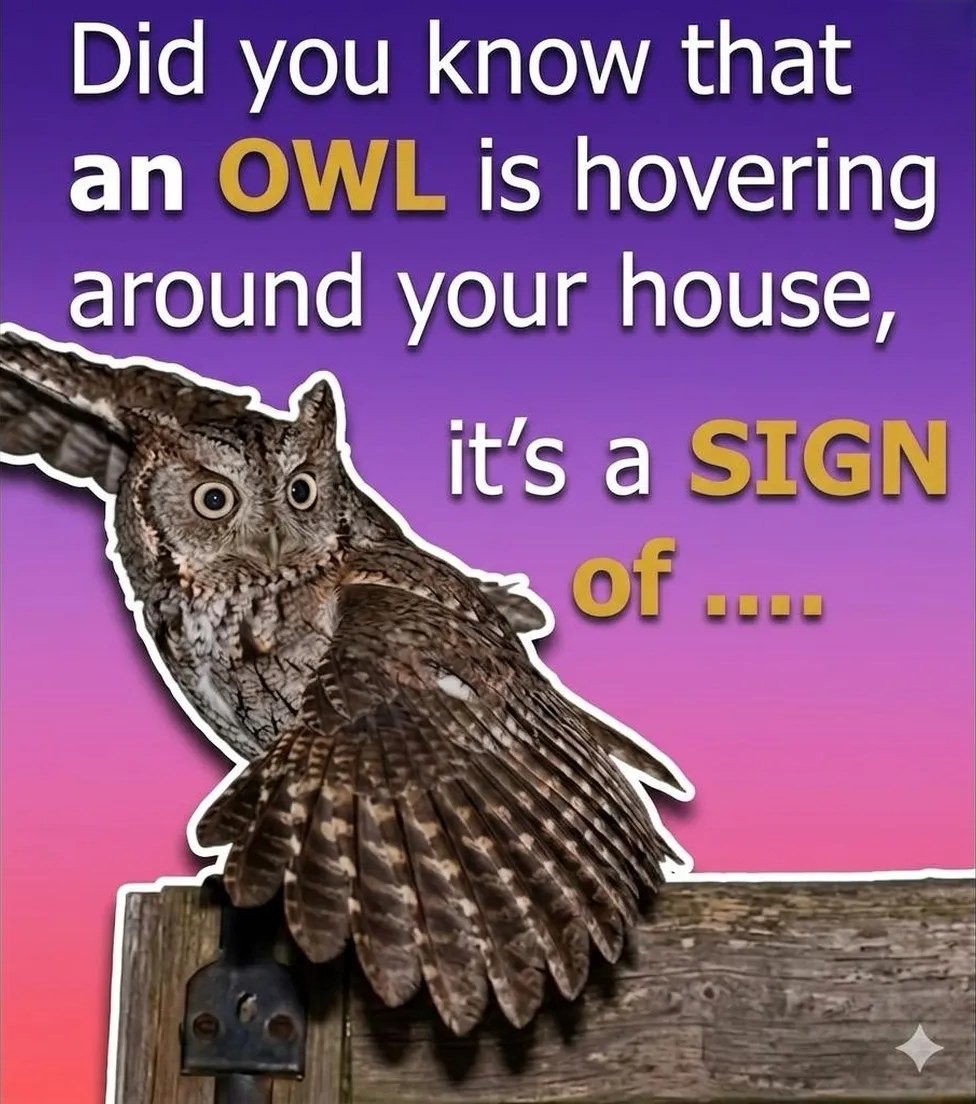
Owls are undeniably some of the most fascinating and biologically advanced birds of prey in nature. Known for their ghostly, silent movement and an incredible ability to thrive in total darkness, they undergo a physical awakening while the rest of the world sleeps. Gliding through forests and suburban neighborhoods with supernatural precision, owls have become global symbols of mystery and wisdom. However, beneath the myths and legends, owls are actually high-performance biological machines that play a vital role in keeping our ecosystems in balance.
The Engineering of Silence
One of the most impressive feats of an owl is its ability to fly in near-total silence, defying standard aerodynamics. While most birds make a whistling sound as their wings cut through the air, owls use a three-part “acoustic stealth” system:
- The Leading Edge: A comb-like fringe on the front of the feathers breaks up air currents into tiny ripples.
- The Trailing Edge: A soft, downy fringe smothers any remaining vibrations.
- Velvety Surface: The feathers’ texture absorbs the sound of the wings rubbing together.
This silence, combined with mottled camouflage that mimics tree bark and shadows, makes the owl virtually invisible and inaudible to its prey.
Superhuman Senses
To dominate the night, owls are equipped with sensory organs specifically designed for low-light conditions:
1. Tubular Vision
Their massive eyes are packed with light-sensitive cells that capture even the tiniest bit of starlight. Because their eyes are fixed in place and cannot move, owls can rotate their necks up to 270° to scan their surroundings without moving their bodies or damaging their blood vessels.
2. Asymmetric Hearing
An owl’s most lethal tool is actually its hearing. Their facial disc acts like a satellite dish, funneled sound toward their ears. Because their ear openings are placed at different heights on their head, their brains can calculate the exact mathematical location of a sound. They can pinpoint a mouse moving deep under snow or leaves even if they are flying in total visual blindness.
The Suburban Shift
In recent years, owls have increasingly moved into quiet suburban neighborhoods. As human development cuts into their natural forests, these intelligent birds have adapted. Suburbs—with their gardens, bird feeders, and trash bins—attract large populations of mice, rats, and gophers. To a nocturnal predator, a quiet cul-de-sac is an easy, high-yield hunting ground.
Silent Guardians
The haunting hoots from a backyard tree are more than just a spooky sound; they are the sounds of an apex predator at work. While you sleep, these “guardians of the night” are patrolling your property, keeping rodent populations in check and maintaining a fragile balance between civilization and the wild. Their presence is a reminder that the natural world remains intensely active and competitive long after the sun goes down.