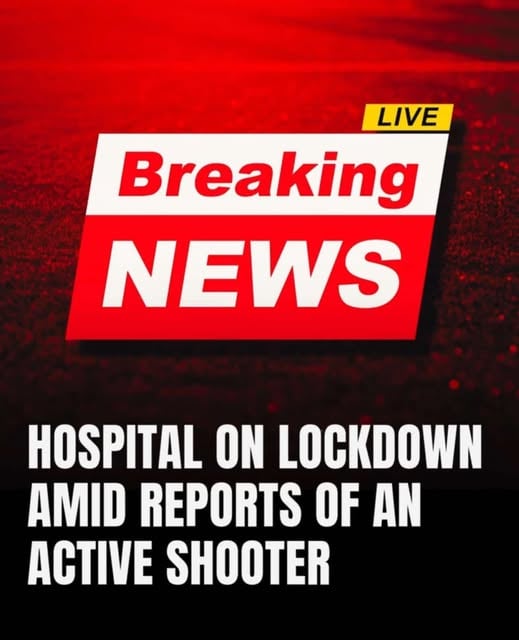
Hospitals are widely viewed as sacred places of healing and safety, where patients and medical professionals expect to be protected from the dangers of the world. This deep-seated expectation of peace is why the sudden, terrifying outburst of violence at Corewell Health Beaumont Troy Hospital was so devastating to the community. A typical morning turned into a scene of chaotic horror when multiple gunshots rang out in the hospital’s concrete parking structure. The unexpected gunfire shattered the foundation of trust that hundreds of patients and healthcare workers rely on every day.
The crisis began at 7:08 a.m., a busy time for shift changes and early appointments, as security teams desperately reported an active shooter on the grounds. Within moments, blind panic and confusion swept across the medical campus. Patients arriving for their morning care froze or scrambled for cover, disoriented as the sound of shots bounced off the concrete, making it nearly impossible to tell where the danger was coming from. Hospital staff hid behind parked cars or sprinted toward the main glass entrance, trying to process the nightmare unfolding as the morning air began to smell of gunpowder.
Inside the hospital walls, administrators and staff immediately launched emergency protocols, shifting the facility from a place of care into a fortified fortress. Heavy fire doors were sealed, rooms were locked, and patients were moved away from windows into protected interior zones. Nurses and doctors acted quickly to guide frightened visitors out of open hallways and lobbies, huddling them into windowless breakrooms and closets. The fear was suffocating, as those trapped inside had no way of knowing if the threat was staying in the garage or moving into the hospital hallways.
Police responded with a massive show of force, treating the situation as a potential mass casualty event. Dozens of patrol cars raced to the scene with sirens wailing, and tactical units spread throughout the campus. Officers secured every entrance and exit, shutting down traffic to keep anyone else from entering the area. Surveillance drones were sent up to monitor the rooftops, while K-9 units searched the parking structures for the shooter. A place built to save lives was suddenly turned into a militarized zone.
As the investigation moved forward, it became clear that this was not a random attack on the public, but a targeted, personal dispute between two hospital workers. The shooter had tracked down a specific male employee in the garage and opened fire at close range, seriously wounding him before running away. Medical teams moved with incredible speed to get the victim into the trauma center for emergency surgery. Meanwhile, police tracked down and arrested the suspect in a nearby neighborhood without further trouble. However, even with the shooter in jail and the physical danger gone, the emotional damage reached far beyond the garage.
In the hours after the lockdown ended, traumatized staff and patients shared stories of their terror. Mothers held their babies close in the maternity unit, surgical patients stayed barricaded in dark rooms, and people there for routine checkups cried in locked closets while checking their phones for news. The realization that extreme violence could enter a hospital left everyone shaken, forcing staff to face the reality of how fragile their safety truly was.
The surrounding area was also hit hard, with local schools and businesses going into lockdown as a precaution. That afternoon, hospital leaders held meetings to discuss the immediate need for counseling and a full review of security measures. Executives promised to increase armed patrols, add more surveillance, and implement stricter screenings to try and rebuild the sense of safety that had been stolen from the campus.
While the physical barriers were eventually removed and the hospital returned to its daily routine, the event proved how quickly a sense of security can vanish. The shooting at Corewell Health served as a powerful reminder of how unpredictable modern threats can be. It highlighted the absolute necessity of emergency training, institutional strength, and deep empathy. These values remain vital in helping medical staff, patients, and the entire community heal from the invisible wounds of such a traumatic day.
Gunfire Erupts at Corewell Health Hospital Forcing Full Lockdown as Workplace Dispute Takes Terrifying and Violent Turn in Parking Garage
Previous Article Next Article
Ungrateful Son and Wife Kick Devoted Elderly Father Out of Their Home but the Contents of Three Secret Envelopes Change Everything
Global Fast Food Giant Forced to Change Iconic Golden Arches to Shocking New Color to Avoid Multimillion Dollar Ban in Famous Desert Town