In an age of rapid tech growth and high-end pet hospitals, it is easy to forget how much animal care has changed over the last century. Tucked away in old attics, crumbling barns, and private collections across the U.S. are simple tools that were once vital for a farm’s survival. These weathered items tell a story of early American agriculture, the bond between humans and animals, and the difficult beginnings of veterinary medicine. One such forgotten treasure is the antique horse drencher—a brass tool that looks strange today but was once a lifesaver for working horses. While someone might mistake it for a decorative piece or junk, it represents a major milestone in the history of horse health, rural life, and early mechanical design.
To understand the importance of the antique horse drencher, you have to realize it wasn’t just another barn tool; it was a clever solution to a deadly problem. Before engines and cars took over, horses were the heart of the American economy, powering farms and transportation. Because of this, keeping a horse healthy wasn’t just a hobby—it was a matter of survival. This brass tool allowed 19th-century farmers to safely give liquid medicine to horses suffering from colic. Colic, a painful and often fatal digestive issue, was common and could ruin a farm’s productivity overnight. At a time when there were no rural vet clinics, this tool showed incredible resourcefulness and a real commitment to animal care.
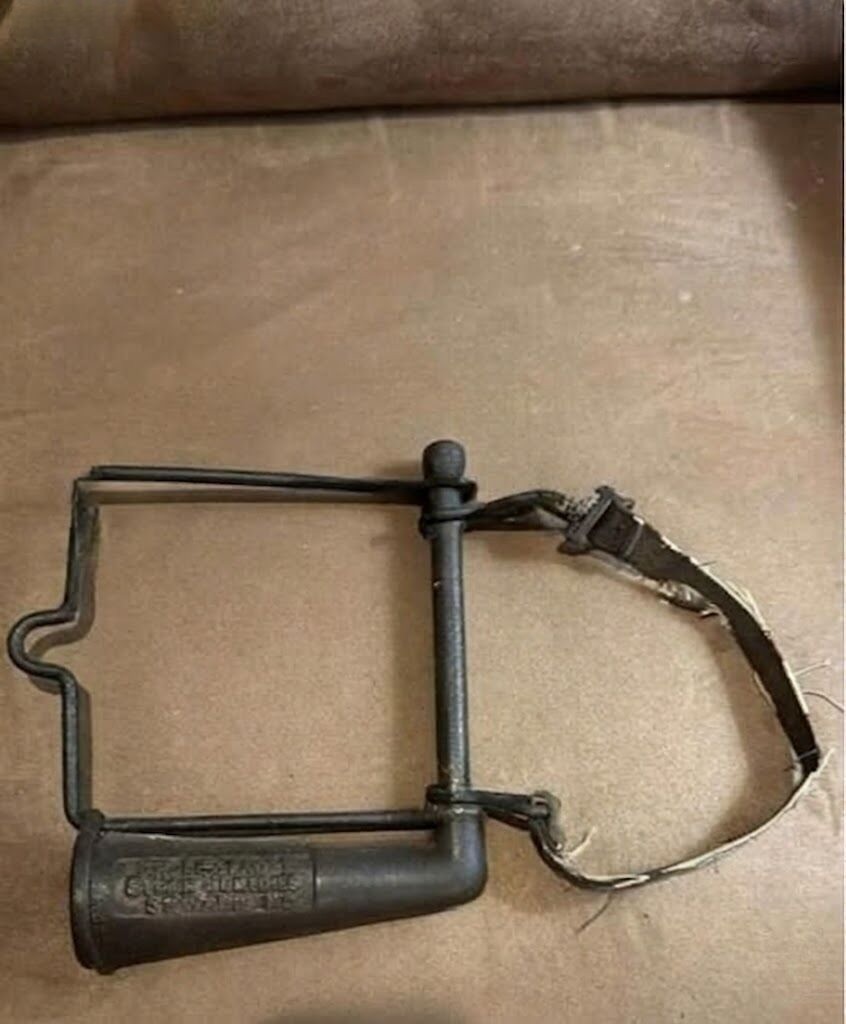
The build of the horse drencher highlights the great craftsmanship of early functional design. Made from heavy brass and paired with hand-stitched leather, the device shows a high level of artistry. Brass was chosen specifically because it is tough, doesn’t rust when touching acidic medicines, is easy to clean, and is safe for an animal’s mouth. The smart design—featuring a wide funnel and a hollow bit—allowed medicine to flow directly down the horse’s throat without any waste. Today, we would call this “user-centered design,” as it was built specifically to make a stressful medical task easier for both the human and the animal.
For modern collectors, these brass pieces have become popular items in the antique market. People who enjoy agricultural tools, vet history, and horse memorabilia look for well-preserved drenchers at auctions and estate sales. When checking the value of one, experts look at the quality of the brass, the condition of the leather straps, and signs of actual use in a barn. Sites like WorthPoint show that there is a passionate community dedicated to saving these pieces of America’s rural past.
Beyond being a collector’s item, the horse drencher set the stage for modern veterinary work. Early farmers had to create complex mechanical solutions with very basic tools by studying animal anatomy. As science improved during the mid-20th century, medicine moved away from these mechanical tools toward more precise treatments. By the 1950s, the metal drencher was replaced by flexible stomach tubes, which are much safer and reduce the risk of injury. This shift shows a century-long focus on improving animal comfort and welfare.
Identifying a real antique horse drencher requires a careful look at its structure. You can tell them apart from regular horse bits by their hollow center, the funnel attached to the side, and the heavy leather harness meant to hold the device in place during treatment. If you find one, keeping it in good shape is key to its value. Experts suggest cleaning the metal gently without harsh chemicals that might ruin the aged look, and keeping the item in a dry place to prevent the leather from rotting.
In the end, the story of this brass tool shows that understanding the history behind an object makes it much more valuable and meaningful. The antique horse drencher is a monument to a time when human survival depended on the health of animals. It gives us a look into the history of medical tech, early design, and our farming heritage. The next time you see an odd metal object in a museum or an old collection, look closer; you might be looking at a forgotten story of human grit and innovation.
Shocking History of Forgotten Brass Barn Relic That Saved Thousands of American Horses Long Before Modern Vets Existed
Previous Article Next Article
Joyful Childhood Milestone Devastated as Sudden Gunfire Erupts at Birthday Party Leaving Multiple Casualties in Stockton Neighborhood
Medical Experts Expose Shocking Internal Reactions Triggered by Your Morning Brew and the Exact Time Caffeine Mutates Into a Toxic Body Disruptor

Related Posts

Country music icon Dolly Partons cause of death is revealed
August 26, 2026
The Terrifying Truth Behind the Mysterious Hard Bumps Spreading A ...
August 26, 2026