It was meant to be just another typical Sunday night, a moment when the broader family met to eat, chat politely, and act as if the deep-seated tensions in our home didn’t exist. The table was filled with the usual food, the air carried the standard small talk, and an unspoken pact hung over the room to maintain order at any price. However, appearances are often deceptive; what was supposed to be a low-key dinner became the event that would tear apart the thin facade of my existence.
The event happened in a terrifying flash that is permanently etched in my mind. I was carrying a heavy ceramic platter down the dark, cramped stairs to the basement to grab more items for the meal. My mother-in-law, Judith, was positioned near the top landing. Without warning, a sharp, deliberate shove sent me tumbling into the dark. The sensation of falling was horrific as I lost my footing, hitting the solid wood steps with force. The platter smashed into countless shards beneath me, and a sharp wave of agony shot through my side and my right hand.
As I sat at the base of the staircase, gasping for breath and reeling from the impact, the immediate behavior of my relatives was more distressing than the physical damage. My spouse, Graham, hurried down, but his primary concern wasn’t my wellbeing or finding out why I fell. Instead, he was entirely focused on smoothing things over, making excuses for his mother, and keeping things quiet so the neighbors wouldn’t notice.
In that freezing moment, I grasped something much deeper and more painful than my physical injuries. There was an all-encompassing, silent demand to downplay the aggression, hide the event, and act as if it were just a clumsy stumble. Graham pressured me to get up and shake it off, his voice tight with the anxiety of someone desperate to keep up a front of normality. I felt the heavy burden of family pressure, pushing me to give in and stay quiet.
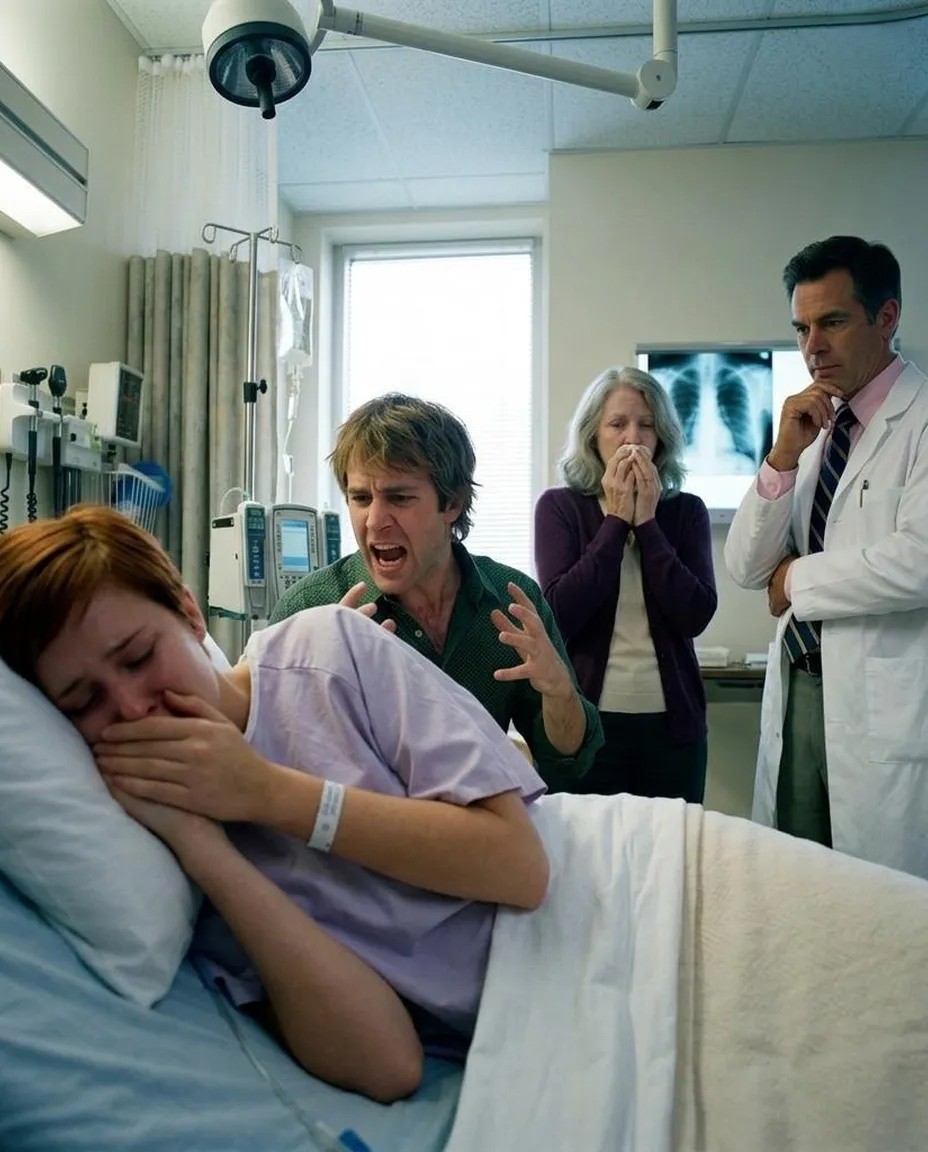
When we eventually got to the emergency department, the bright, clinical environment seemed to strip away our family’s pretenses. The nurse, seeing my obvious distress and the state of my wounds, led me to a quiet room. She looked me in the eye and asked a blunt, honest question about how I got hurt.
Graham intervened immediately, his voice guarded and precise. He talked over me, claiming firmly that I had tripped on the stairs in a tragic accident. For a split second, my old habit of compliance surfaced, and I almost let that lie stand. I nearly choked back the truth to avoid the certain explosion that would happen if I went against my husband.
But as I sat there, the ache in my ribs throbbing with every breath, something changed inside me. The memory of all the times I had covered for this family hit me, and I discovered a hidden well of resolve. I looked at the nurse, spoke up, and told the truth. I stated clearly and firmly that I had been pushed.
The mood in the room shifted instantly. The polite, measured mask my husband wore fell apart under the truth. The medical team reacted at once, their tone moving from routine check-up to careful, detailed reporting. They began recording my injuries with extreme precision, making sure every mark and sore spot was noted in the official file. For the first time, a situation where I was mistreated was being addressed with gravity, rather than being dismissed as a simple mishap.
As the check-up went on, the staff performed a series of scans and physical tests. They found several broken ribs, a sprained wrist, and significant internal bruising. But the review went further. The doctor, observing the patterns on my skin, pointed out older marks and scars that had healed—signs of previous falls and “accidents” I had once ignored.
Hearing the physician mention those past injuries brought back a surge of memories. I thought of the time I supposedly caught my foot on the hose, the time I fell off the stool, and the many other stories I had once believed were just bad luck. Looking back, I saw the terrible reality of how often I had made up excuses to shield my husband and his mother. The doctor spoke with steady, clear authority, highlighting the need to see these patterns and put my own physical and mental safety ahead of my abusers’ comfort.
It was a true crossroads. I was no longer just a casualty of one event; I was a witness to a long-term, poisonous environment that was destroying me.
Later, a counselor and the lead doctor asked a question that would shift the course of my life: “Do you feel safe?” It was a basic inquiry, but it carried immense weight. For once, instead of giving a practiced “yes,” I was honest. I said no.
That one word started a completely different journey. It was a path built on legal protection, mental health care, and total honesty about my marriage and home life. When Judith and Graham later tried to change the story to save themselves, the medical evidence and the documented truth spoke for me.
In that quiet moment, I finally realized a core truth: my silence had never actually kept me safe. It had only protected those who hurt me from being held accountable. Choosing to speak was never about causing trouble or breaking up a family. It was about facing the truth, saving my life, and starting the hard work of recovery. I learned that often, the first step to finding your strength is simply being honest and refusing to be silenced.
Moving forward, I know the road won’t be easy. There will be court cases, painful talks with relatives, and the emotional stress of leaving the life I thought was normal. But looking back at that hospital room and the clarity I found there, I know I made the right call. The mask is gone, and I am ready to face the truth, wherever it takes me.
I Broke My Silence At The Hospital And Exposed A Dark Family Secret
Previous Article Next Article
Nicole Kidman Daughter Stuns The World With Controversial Prom Look That Left Everyone Speechless
They Hid Coins To Test Their Cleaner But The Ending Left Them Speechless

Related Posts
THEY THOUGHT SHE WAS HELPLESS UNTIL SHE FOUGHT BACK THE SHOCKING ...
August 19, 2026
My MIL Packed up All the Food at My Husbands Birthday Party Into ...
August 19, 2026