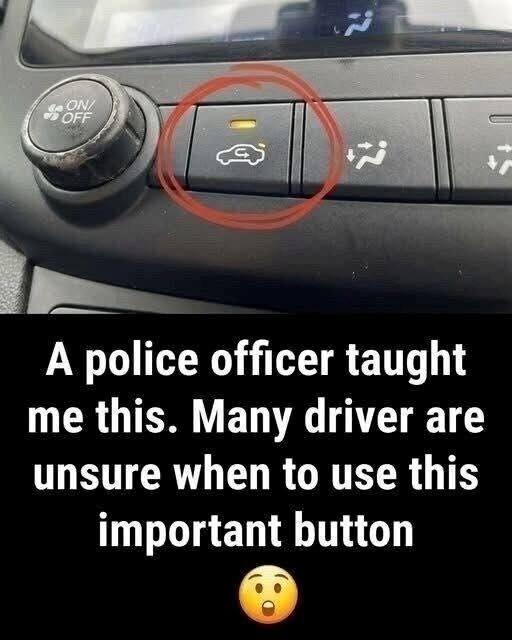
The control panel of a contemporary automobile is filled with various signs and images that most motorists use out of routine rather than actual knowledge. Of these, the air recirculation toggle—usually showing a car outline with a curved, U-shaped arrow inside—is likely the most misinterpreted and incorrectly used tool in the car. While it might look like a small adjustment for personal preference, the physics of this feature influences everything from gas mileage and the durability of your cooling system to your focus while driving. Grasping the mechanical function of this sealed-loop setup is vital for any motorist aiming to improve their everyday drive.
In essence, the air recirculation toggle acts as a barrier. When this feature is deactivated, your car uses an open-flow system, drawing in outdoor air through the intake at the bottom of the windshield. This air moves through the cabin filter, is adjusted for temperature by the climate control unit, and flows out of the vents. Conversely, when you hit that button and the indicator light turns on, you are essentially cutting the interior off from the outside. The exterior vents shut, and the climate system begins drawing air from the floor and dashboard area, re-processing air that has already circulated through the car.
The main advantage of this internal loop is temperature efficiency. During the peak of summer, lowering the temperature in a car that has been sitting in the sun is a huge job for the AC compressor. If you keep the recirculation off, the motor has to constantly work to transform 100-degree outdoor air down to a pleasant 70 degrees. By activating the recirculation, the unit draws in air from the cabin that might already be 75 or 80 degrees, making it much quicker and easier to hit your desired setting. This lowers the physical demand on the engine and can even provide a minor boost in fuel efficiency during long trips.
Outside of managing heat, the recirculation toggle acts as a crucial barrier against outdoor pollutants. When you are caught in heavy traffic or moving through a tunnel, the exterior air is full of nitrogen dioxide and exhaust particles from nearby cars. Turning on the recirculation prevents these harmful vapors from being sent straight into the cabin. Likewise, for people with seasonal allergies, the closed system serves as an extra layer of protection against high levels of pollen or dust on gravel roads. It establishes a regulated space where the air stays clean and separated from outside triggers.
Nevertheless, the risks of leaving this feature on all the time are frequently ignored. Since the system is recycling the same air, CO2 levels in the vehicle start to climb as people breathe. During long, solitary trips, this can cause a quiet but risky rise in sleepiness and slower mental responses. Additionally, moisture is a significant issue. In chilly or wet conditions, the humidity from your breathing and damp clothes gets stuck inside. Without a constant flow of crisp, dry air from the outside to stabilize the interior, the windows will fog up quickly, creating a serious danger for visibility.
To keep your car running well and staying healthy, you should view the recirculation toggle as a flexible instrument rather than a permanent setting. Utilize it to chill the interior fast or to keep out unpleasant odors, but always return to the fresh air setting once the car is at a good temperature or you reach the freeway. Furthermore, no clever use of buttons can make up for a dirty cabin air filter. Swapping this filter out on a regular basis ensures that when you do bring in outdoor air, it is clear of mildew, germs, and trash. By becoming an expert at this basic dashboard symbol, you can make your drive safer, more hygienic, and much more enjoyable.
Stop Using Your Car Air Recirculation Button the Wrong Way Before It Is Too Late
Previous Article Next Article
Rich Billionaire Marries Local Waitress to Save Inheritance but Wedding Night Confession Changes Everything
Donald Trump Spotted Alone and Secretly Carrying Mystery Object in Shocking Late Night Footage

Related Posts

The Mirror Lied To You This Morning And The Truth Will Terrify Yo ...
August 27, 2026
Country music icon Dolly Partons cause of death is revealed
August 26, 2026