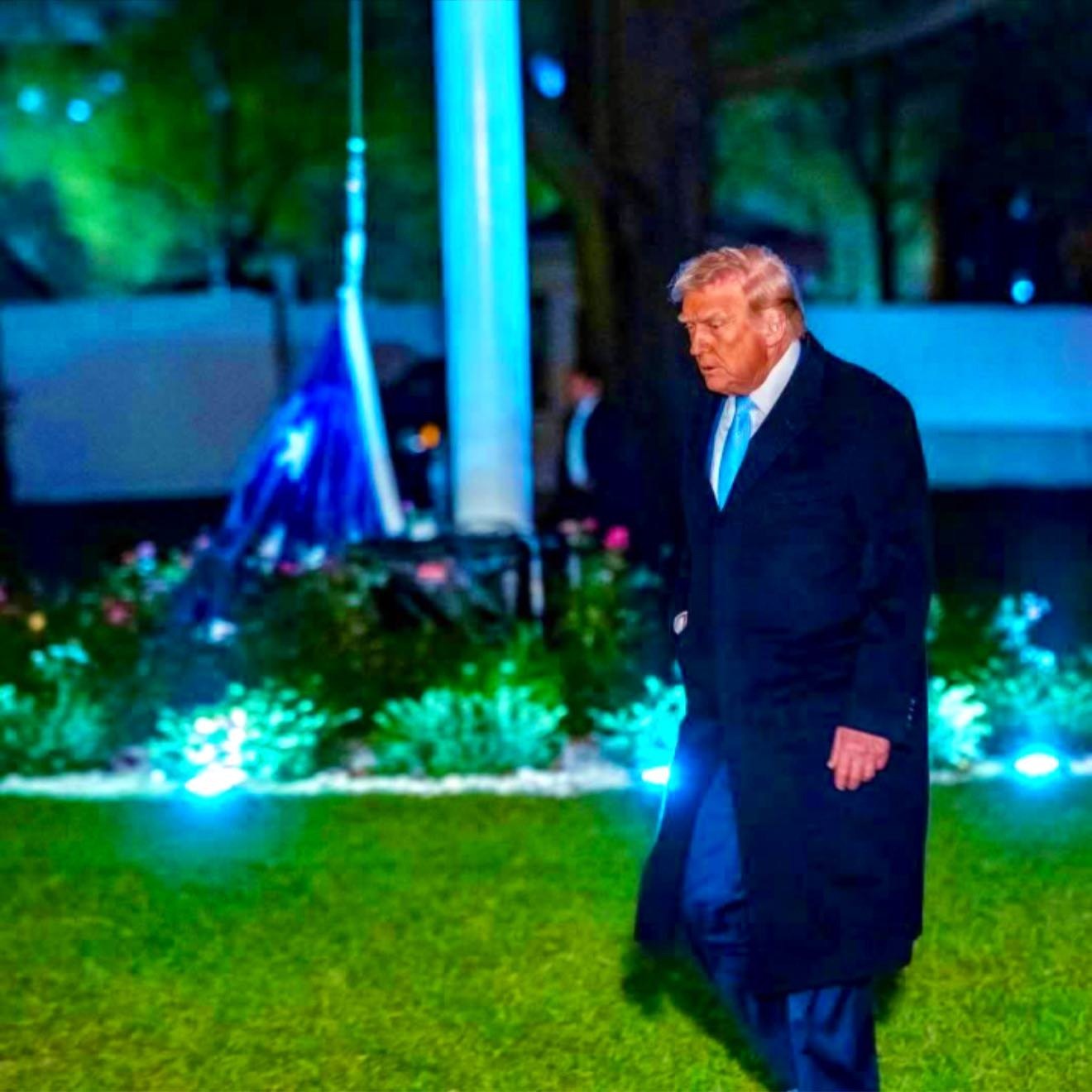
The current legal landscape involving Donald Trump has shifted significantly as he is back in the White House for a second term in 2026. While he was previously facing several criminal indictments, the situation evolved following the 2024 Supreme Court ruling on presidential immunity and his subsequent return to office.
Here is the current state of these legal challenges:
The Shift to Executive Immunity
The 2024 Supreme Court decision in Trump v. United States established that a president has absolute immunity for core constitutional acts and presumptive immunity for official acts. This ruling fundamentally altered the trajectory of the federal cases. By late 2024, Special Counsel Jack Smith moved to dismiss the federal election interference case in D.C. after the Supreme Court’s decision and the longstanding Department of Justice policy against prosecuting a sitting president.
New Legal Battles in 2026
While the original criminal trials have largely been paused or dismissed due to his current status as President, 2026 has seen a new wave of challenges centered on executive overreach and the separation of powers.
- Judicial Defiance: The administration is currently facing scrutiny for reportedly ignoring lower court rulings, particularly regarding immigration and mass deportation policies. Judges have expressed concern that the executive branch is attempting to bypass the judicial system’s authority.
- Tariff Litigation: A major legal battle is currently unfolding in the Court of International Trade. After the Supreme Court struck down a set of “reciprocal” tariffs in February 2026, the administration imposed a second set under “balance of payments” authority, which is currently being challenged by various states and businesses.
- Shadow Docket Usage: The administration has frequently used the Supreme Court’s “emergency” or “shadow” docket to bypass standard appellate procedures, leading to a high-stakes debate about the erosion of traditional legal checks and balances.
The National Conversation
For supporters, these legal maneuvers are seen as the president exercising his mandate to bypass a “hostile” judiciary. For critics, the current situation represents a constitutional crisis where the executive branch increasingly views judicial oversight as optional.
The focus has moved from the personal criminal liability of Donald Trump to a broader, more systemic question: What are the limits of presidential power in the modern era? The courtroom remains the central stage for this debate, but the stakes now involve the very structure of American governance and the future of the separation of powers.