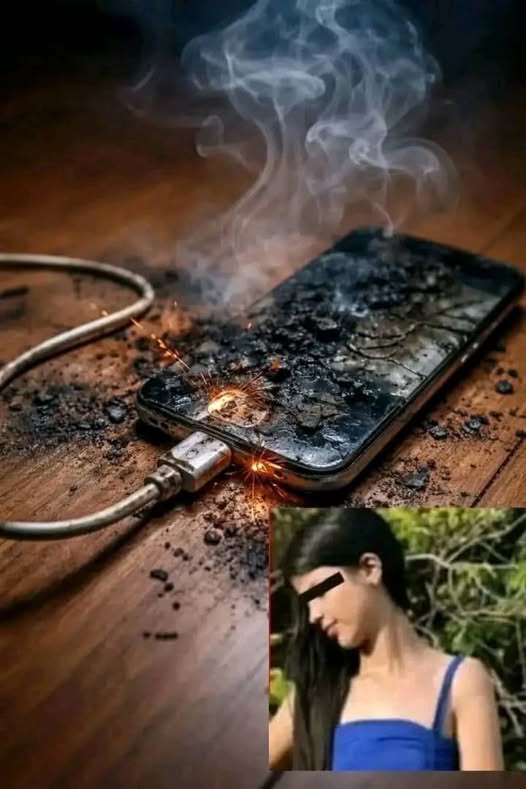
We plug them in every night, often just inches away from where we sleep, rarely thinking twice about it. Smartphones, tablets, and laptops have become essential parts of everyday life, yet the tools used to charge them—cables and wall adapters—can sometimes hide serious risks. While modern technology depends on a constant flow of electricity, a rising number of home fires and electrical accidents have been linked to something surprisingly simple: unsafe charging habits. What seems like a harmless shortcut—using a worn cable or a cheap replacement charger—can actually put a household at risk. Understanding these hidden electrical dangers can help explain why the way we charge our devices matters more than many people realize.
Charging itself appears straightforward: electricity moves from a wall outlet into the battery of a device. When everything is functioning properly, built-in safety systems regulate the flow of power to prevent overheating. But this balance can easily be disrupted. One of the most common problems comes from uncertified or imitation chargers. These low-cost alternatives often lack the protective components found in official manufacturer equipment. Without proper insulation and surge protection, even a small fluctuation in electrical current can cause a charger to overheat, melt its plastic casing, or ignite nearby materials such as bedding or curtains.
The risk is not limited to the adapter. Charging cables themselves can also become dangerous when damaged. Many people continue using cords that only work when they are bent or positioned in a certain way. Frayed wires or cracked insulation expose the copper conductors inside, increasing the chance of electrical shorts or shocks. When a compromised cable is combined with an overloaded power strip—one outlet powering several devices at once—the result can be excessive heat buildup. This situation can lead to what experts describe as a “thermal runaway,” where equipment generates heat faster than it can safely release it, potentially causing a fire within seconds.
The location where devices are charged also plays a crucial role. Many people place phones or tablets on soft surfaces such as beds, couches, or carpets while charging. Unfortunately, these materials trap heat instead of allowing it to dissipate. Batteries naturally produce warmth during charging, and without proper airflow, the temperature can rise to unsafe levels. In extreme cases, this heat buildup may damage the battery or ignite nearby fabric. For that reason, specialists recommend charging electronics on firm, flat surfaces where air can circulate freely around the device.
Being aware of warning signs can make a major difference. If a charger feels unusually hot, produces a burning smell, or shows discoloration, it should be unplugged immediately. Even something as simple as intermittent charging—where the battery icon repeatedly turns on and off—may indicate a failing connection that could spark unexpectedly.
Protecting your home from these risks involves a few straightforward habits. Use certified chargers whenever possible rather than low-quality replacements. Check charging cables regularly for damage, and replace them if the insulation shows signs of wear. Most importantly, never ignore sparks, unusual smells, or overheating devices.
Although online discussions about electrical hazards can sometimes sound exaggerated, the real issue comes down to basic safety awareness. By choosing reliable equipment and paying attention to the condition of your devices, you can keep your electronics powered without putting your home at risk. In the end, the cost of a safe charger is small compared to the value of your safety.