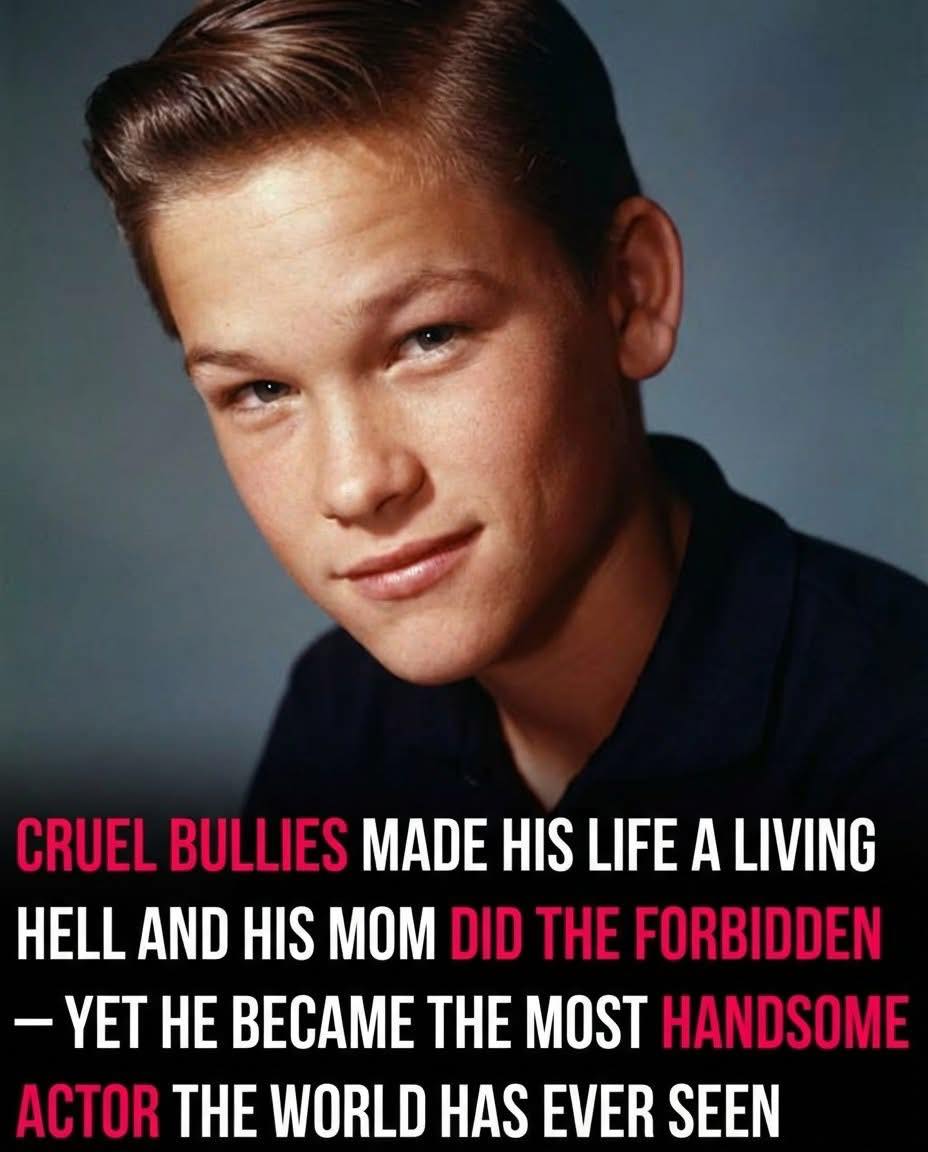
Patrick Swayze was born on August 18, 1952, in Houston, into a household where discipline and creativity existed side by side. His father worked as a draftsman, while his mother, Patsy Swayze, ran the Houston Jazz Ballet Company and introduced him to dance at a young age. Growing up, he developed a wide range of skills—ballet, music, sports, and acting—never limiting himself to just one direction. Still, his passion for dance often made him a target of ridicule during his school years, where being different was not always met with understanding.
He didn’t walk away from it. Instead, he relied on the structure and expectations that had been instilled at home. His mother encouraged him to stand firm, not through confrontation, but through consistency. At one point, he pursued football with serious ambition, but a major knee injury ended that possibility. Rather than clinging to what was no longer possible, he shifted his focus toward performance. In his early twenties, he moved to New York City to train more intensely, choosing a path that demanded both discipline and uncertainty.
His early career progressed slowly, without immediate recognition. That changed with Dirty Dancing, where his role as Johnny Castle brought him widespread attention. The performance reflected not only talent, but also a deep familiarity with the discipline behind it. Success arrived quickly, along with the pressure that often follows it. Public attention has a way of amplifying both strength and struggle, and his personal life was no exception. He faced losses and difficult periods, yet he never allowed them to determine the direction of his work.
Throughout these years, his marriage to Lisa Niemi remained a constant source of stability. He continued to accept a variety of roles, not simply to maintain fame, but to keep growing within his craft. Later, after being diagnosed with a serious illness, he chose to continue working for as long as he could—not as a public statement, but simply as a continuation of what he had always done.
He passed away in 2009.
What remains is not only a list of performances or achievements, but a pattern in how he handled change—accepting what could no longer continue and moving forward with what still could. Early challenges did not define him, but they shaped the way he moved ahead, with a quiet steadiness that did not depend on recognition to maintain its value.