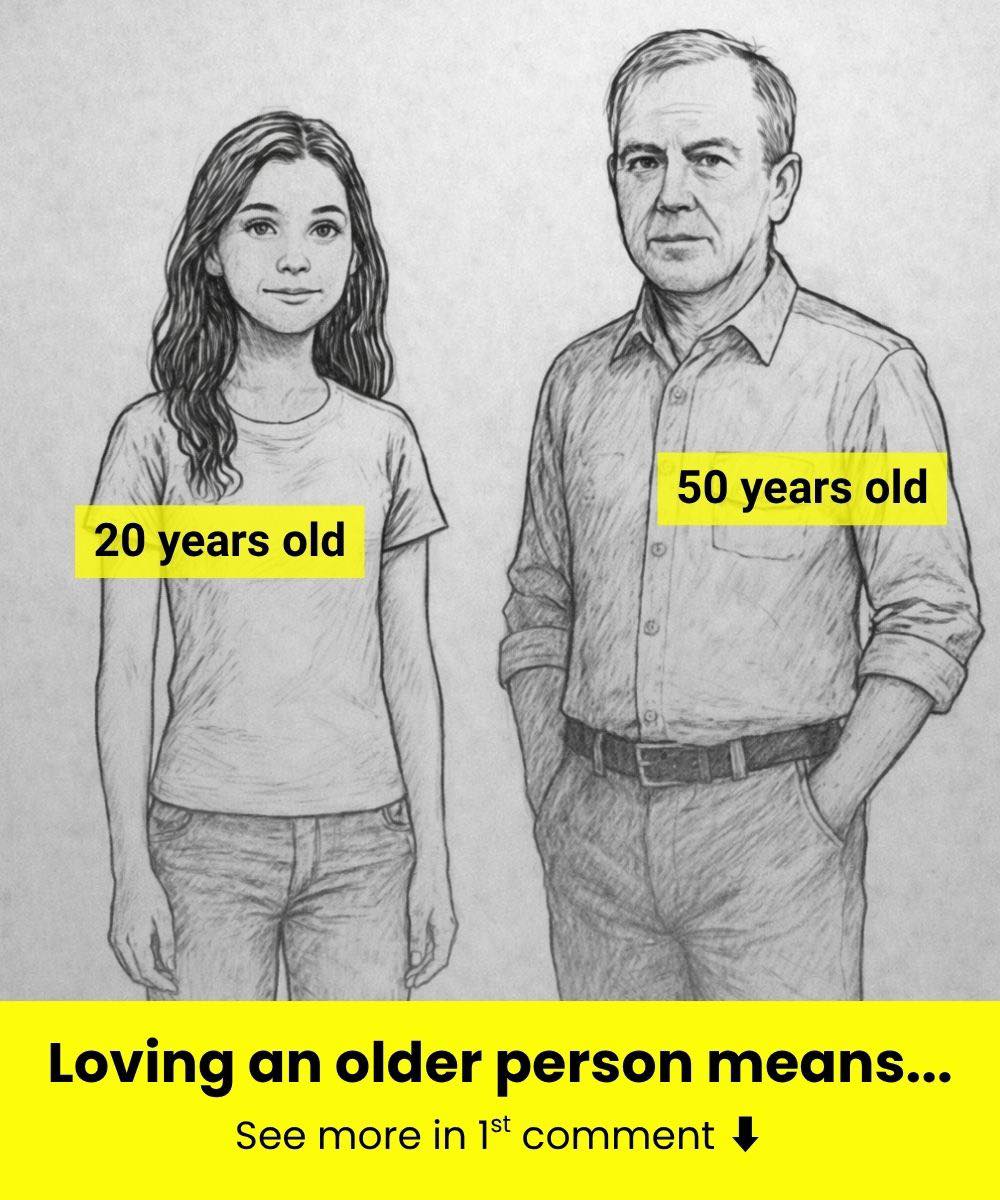
Age-gap relationships, especially those with about a ten-year difference, often spark curiosity, assumptions, and sometimes skepticism. But beyond the surface, these relationships usually reveal something more complex—connections shaped not only by age, but by timing, perspective, and personal intention.
1. Different Life Stages
A ten-year difference can place partners in noticeably different phases of life. One person may still be discovering their identity, building a career, or defining long-term goals, while the other may already feel established and settled. This contrast can sometimes create tension if priorities differ, but it can also bring balance. One partner may offer energy and exploration, while the other contributes stability and perspective.
2. Communication Becomes Essential
When two people are in different life stages, communication becomes even more important. Conversations about expectations, lifestyle choices, and future plans need to happen openly and regularly. What might go unspoken in relationships between peers often needs to be clearly discussed here. When approached honestly, this level of dialogue can strengthen trust rather than weaken it.
3. Maturity Matters More Than Age
A ten-year gap does not automatically determine compatibility. Emotional maturity, self-awareness, and shared values usually matter far more than the number of years between two people. Many couples succeed because they complement each other’s strengths and perspectives—not because they share the same age or identical life experiences.
4. Dealing With Outside Judgment
One of the more difficult aspects of age-gap relationships can be the reactions of others. Friends, relatives, or even strangers may question intentions or assume imbalance. These judgments can create pressure, especially early in the relationship. However, strong couples often learn to focus inward—valuing mutual respect and understanding more than outside opinions. Over time, consistency often speaks louder than assumptions.
5. Differences in Long-Term Plans
Topics like marriage, children, and long-term stability may arise sooner in age-gap relationships. One partner might feel ready for the next stage of life, while the other is still uncertain. Moments like these require honesty, patience, and sometimes compromise. Alignment does not always mean identical timelines—it means working toward a shared direction.
6. Experience and Emotional Stability
With age often comes life experience, including lessons from past relationships and conflicts. An older partner may bring patience, perspective, and a calmer way of handling challenges. This can create a sense of stability within the relationship. Still, it’s important that the dynamic remains balanced so that both individuals feel equally heard and respected.
7. Love Beyond Numbers
Ultimately, the success of any relationship cannot be reduced to an age difference. What matters most is how two people connect, communicate, and support each other over time. Respect, emotional safety, and shared values often outweigh the significance of age.
A ten-year gap can certainly introduce unique challenges—but it can also deepen understanding and strengthen a partnership in unexpected ways. In the end, the outcome depends less on the years between two people and more on how they choose to grow together within them.