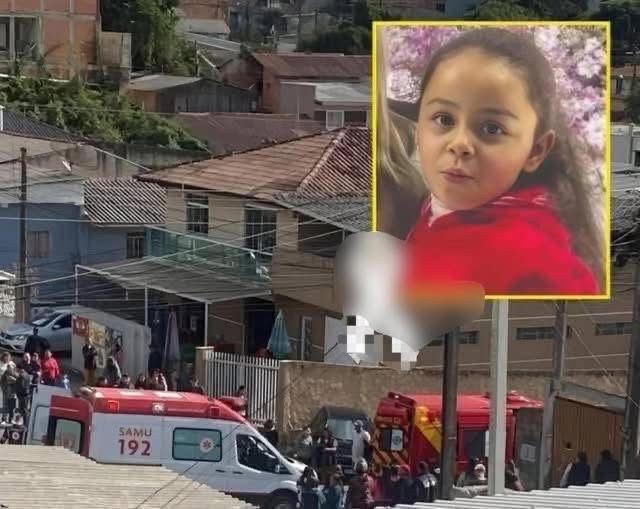
The disappearance of ten-year-old Perla Alison began as an ordinary errand. On what should have been a routine Friday, she left her family home in the Santa Martha Acatitla area of Mexico City to buy candy at a nearby store. In many neighborhoods, such short trips are a normal part of childhood independence. But for Perla, that brief walk turned into a tragedy that would capture national attention and leave an entire community grieving.
When she did not return home, concern within the Alison household quickly turned to fear. By Friday evening, her family contacted authorities, and officials issued an Amber Alert to mobilize the search. The response from the public was immediate. Volunteers distributed flyers with her photograph across the neighborhood, while thousands of people shared her image online in hopes of finding her.
For several days, both residents and police searched streets, vacant areas, and nearby neighborhoods. The effort reflected the solidarity of a community determined to bring a missing child home safely. Unfortunately, that hope was shattered four days later.
On Tuesday evening, the investigation took a devastating turn near the Constitución de 1917 Metro Station. A resident reported a strong and unusual odor coming from an abandoned lot and rundown structure in the area. Officers from the Secretariat of Citizen Security of Mexico City responded and secured the scene. Forensic specialists from the Mexico City Attorney General’s Office were called to investigate.
Inside the neglected property, authorities discovered the body of the missing child. Initial reports indicated signs of violence, confirming the worst fears of those who had been searching for her throughout the weekend.
The discovery shocked the community and transformed Santa Martha Acatitla into a place of mourning. Residents who had participated in the search gathered in vigils, leaving candles and flowers while demanding justice. The case has also intensified a broader national conversation about the safety of women and children in Mexico.
Authorities opened an investigation under the classification of femicide, a legal category used in Mexico to address crimes involving gender-based violence. This classification requires specialized investigative procedures and highlights the seriousness of the crime.
Prosecutors are now examining surveillance footage from the nearby metro station and surrounding businesses in an effort to reconstruct Perla’s last known movements. Investigators hope that video evidence and forensic findings will help identify those responsible.
For the Alison family, the emotional impact is immeasurable. What began as a search for a missing child quickly turned into preparations for a funeral—an unimaginable transition for any parent. Community members and advocacy groups have rallied around the family, offering support while calling for stronger protections for children.
The tragedy has also renewed discussions about urban safety in large cities. Abandoned lots, poorly lit areas, and gaps in surveillance are often cited by activists as vulnerabilities that can endanger residents, particularly children.
Today, Perla Alison’s name has become a symbol of both grief and determination. Vigils continue, and many residents say they will not allow the case to fade from public attention. Flowers and candles placed near the site where she was found stand as a reminder of a life lost too soon.
As the investigation continues, the community’s message remains clear: justice must be served, and greater protections must be put in place so that no other child faces the same fate.