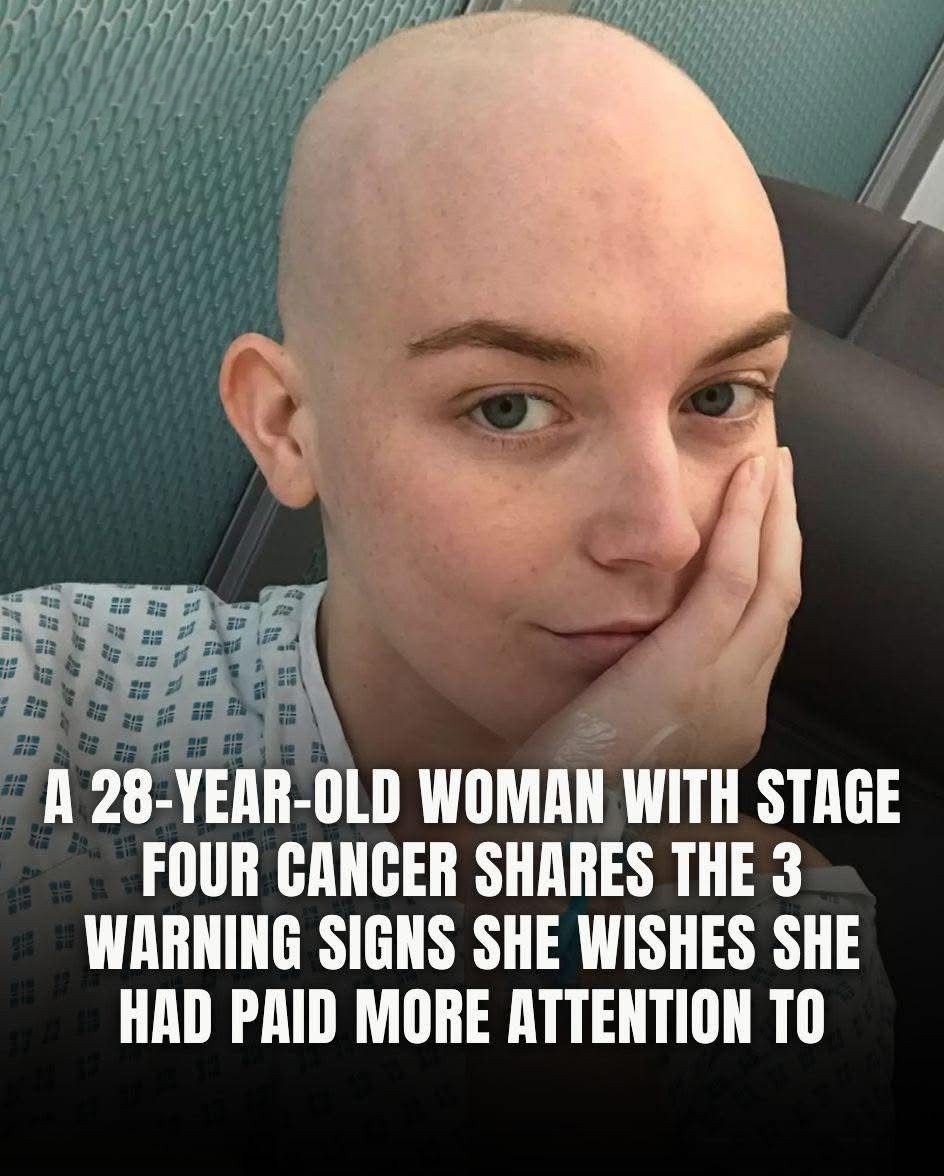
In the fast-moving world of digital content creation—where long nights, tight deadlines, and constant online presence are common—feeling exhausted can sometimes seem normal. For Georgie Swallow, a vibrant 28-year-old living and working in London, the fatigue she experienced throughout 2018 initially felt like just another part of a busy lifestyle. She was young, ambitious, and outwardly healthy, so the subtle changes in her body seemed easy to dismiss. It wasn’t until she received a devastating diagnosis of stage 4 Hodgkin lymphoma that she realized her body had been sending warning signs for nearly eighteen months. Today, in her early thirties, Georgie shares her experience to encourage others to pay attention to persistent symptoms and advocate for their own health.
In the months leading up to her diagnosis, Georgie experienced several symptoms that, taken individually, seemed relatively minor but together formed a concerning pattern. She struggled with constant fatigue, severe night sweats, and an intense itching sensation in her legs. At the time, she assumed the exhaustion was simply burnout from work. The night sweats were blamed on a warm room or stress. The itching was perhaps the most troubling symptom—it became so severe that she sometimes scratched her skin until it bled. Yet even this was initially treated as a possible allergy or skin condition rather than a warning sign of something more serious.
When she sought medical advice, doctors suggested common explanations such as stress-related hives, allergies, or urticaria. Various creams and treatments were recommended, but none of them eased the symptoms. Because Georgie was still in her twenties, the possibility of a serious illness like lymphoma was not immediately considered. This situation reflects what many health experts describe as “age bias,” where serious diagnoses are sometimes overlooked in younger patients because they are statistically less common.
The moment that finally forced her to seek further investigation came after she recovered from what she believed was a severe flu. One day at work, she touched her neck and felt a large, hard lump—about the size of a peach. Even then, she initially assumed it might simply be a swollen gland from her recent illness. However, medical tests soon revealed the truth: she had advanced Hodgkin lymphoma, a cancer affecting the lymphatic system, which plays a key role in the body’s immune defenses.
Receiving a stage 4 diagnosis was life-changing. At this stage, the cancer had already spread beyond the lymph nodes to other parts of the body. Georgie began aggressive treatment immediately, including chemotherapy aimed at stopping the disease from progressing further. While the treatment was essential to save her life, it brought another devastating consequence. The therapy forced her body into premature menopause, meaning she lost her fertility at just 28 years old.
For Georgie, this secondary impact of treatment was emotionally overwhelming. While many of her friends were planning careers, travel, or future families, she was dealing with sudden hormonal changes, hot flashes, and the realization that her ability to have children had been taken away. She later described the experience as feeling like her body had aged decades almost overnight. The emotional toll was compounded by the fact that few people her age could fully understand what she was going through.
Despite these challenges, Georgie eventually emerged from treatment as a cancer survivor. Now in her thirties, she has turned her experience into a mission to raise awareness about early symptoms of lymphoma and the importance of self-advocacy in healthcare. She frequently speaks about how easily signs such as persistent fatigue, repeated infections, unexplained itching, or ongoing weight changes can be dismissed as lifestyle issues when they may actually indicate something more serious.
Georgie also speaks openly about the mental health challenges that can follow cancer treatment, particularly for young women who experience early menopause. She emphasizes that surviving cancer often involves rebuilding not only physical health but also emotional identity and confidence. By sharing her story, she hopes to create a community for others facing similar diagnoses—especially young people who might feel isolated or overlooked.
Her journey is a powerful reminder that illness does not always appear with dramatic symptoms. Sometimes the warning signs are subtle and gradual—a persistent itch, constant tiredness, or recurring illness that never fully goes away. Georgie Swallow’s story encourages people to trust their instincts about their own health and to seek answers when something doesn’t feel right.
Today, she continues to use her platform to spread awareness, reminding others that paying attention to the body’s early signals can make a life-saving difference.