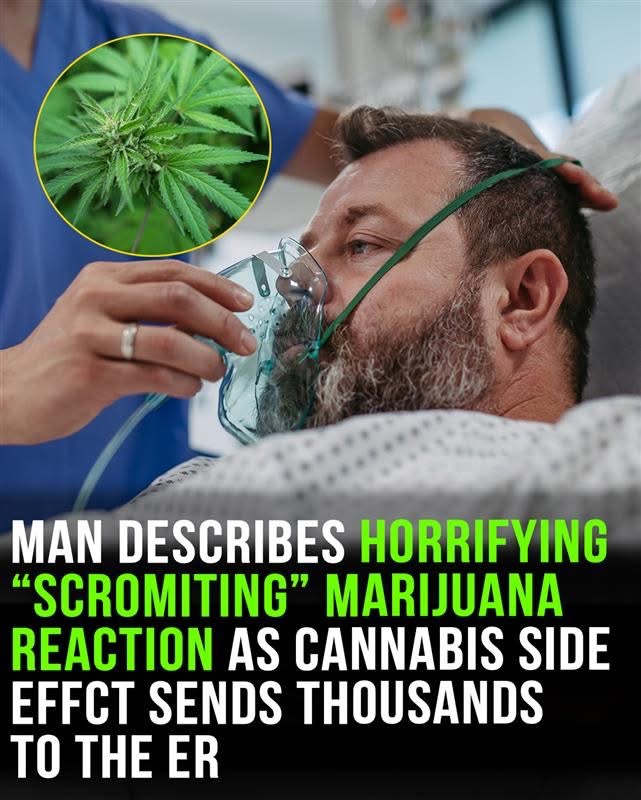
If you’re old enough to remember the public conversations around cannabis in the 1980s and 1990s, you likely recall how intense the stigma once was. For many years, marijuana was portrayed almost entirely as a gateway drug—something dangerous, destabilizing, and harmful to society.
Although cannabis remains illegal in many parts of the world—and in some places penalties are still strict—attitudes in the United States have changed significantly. Today, recreational cannabis is legal in 24 states, while medical marijuana programs exist in even more. Public opinion surveys also show that support for legalization has steadily increased over the last two decades.
Because of these shifts, many analysts believe cannabis could eventually be treated in a way similar to alcohol: regulated, widely available, and far less socially taboo than it once was.
However, increased acceptance doesn’t mean the substance is without risks.
The effects of Tetrahydrocannabinol—commonly known as THC—are well documented. Some users experience relaxation, mild euphoria, altered perception, or increased appetite. Others report anxiety, paranoia, or an elevated heart rate. In uncommon cases, heavy cannabis use has been linked to psychotic symptoms, particularly among individuals with existing mental health vulnerabilities.
Less widely recognized, however, is a medical condition called Cannabis Hyperemesis Syndrome (CHS). In recent years, this syndrome has been appearing more frequently in emergency departments across the country.
Over the past decade, hospitals have reported growing numbers of patients arriving with severe nausea, uncontrollable vomiting, and intense abdominal pain. The symptoms can be so extreme that medical staff sometimes refer to the episodes as “scromiting”—a term combining screaming and vomiting—because the discomfort can become overwhelming.
CHS episodes usually occur within about 24 hours after cannabis consumption and can continue for several days. What makes the condition especially difficult to treat is that standard anti-nausea medications often do not provide much relief.
“There are currently no therapies approved by the U.S. Food and Drug Administration, and traditional anti-nausea drugs frequently fail to work,” explained emergency medicine specialist Dr. Chris Buresh when discussing the challenge clinicians face with CHS cases.
Patients often describe the episodes as cyclical. One individual reported visiting the emergency room four or five times within a six-month period, experiencing a burning and severe abdominal pain along with relentless vomiting. Many people with CHS attempt to ease their symptoms by taking extremely hot showers—a behavior so common that doctors now consider it one of the syndrome’s typical signs. In severe situations, some patients require strong pain medication to manage the discomfort.
Another patient compared the sensation to childbirth, describing it as “some of the worst physical pain” they had ever endured. During episodes, sufferers often say they feel desperate for the pain and nausea to stop.
Medical professionals emphasize that the most reliable treatment for CHS is stopping cannabis use entirely. While symptoms may temporarily improve between episodes, continuing to use cannabis often leads to the condition returning—sometimes with even greater intensity.