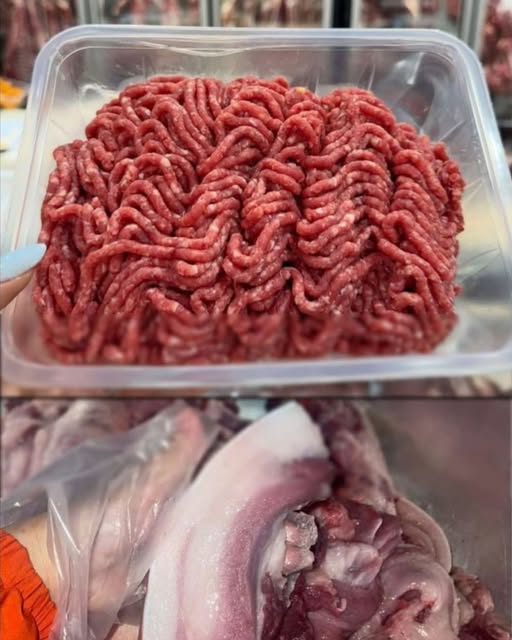
In today’s food industry, the journey from farm to table is more complicated than ever. While the convenience of supermarket packaging and ready-to-cook cuts has made shopping easier, it has also created a gap in consumer awareness. Many people assume that if meat is available on store shelves, it automatically meets the highest safety and quality standards.
However, food safety experts often remind consumers that not all meat products are handled or sourced the same way. Large-scale processing and long supply chains can sometimes reduce transparency. For this reason, understanding how to evaluate meat quality has become an important skill for anyone who wants to protect their health and make informed food choices.
Why Meat Quality Matters
Poor-quality or contaminated meat can pose serious health risks. Foodborne illnesses such as Salmonella or E. coli can cause severe digestive problems and, in some cases, lead to serious medical complications.
In addition to bacterial contamination, some consumers are concerned about factors such as growth hormones, antibiotic residues, or additives used to preserve color and freshness during long transportation periods.
For vulnerable groups—including children, elderly individuals, and people with weakened immune systems—food safety becomes especially important. Choosing meat carefully can help reduce these risks and contribute to better long-term health.
Start With the Label
One of the simplest tools consumers have is the information printed on the packaging.
Expiration dates are essential, but it is also helpful to understand the difference between “sell-by” and “use-by” dates. A “sell-by” date helps retailers manage inventory, while the “use-by” date indicates when the product should be consumed for best quality and safety.
Some labels may also indicate production standards, such as:
- Organic certification
- Pasture-raised animals
- Antibiotic-free claims
- Local farm sourcing
While these labels do not guarantee perfection, they often indicate higher levels of oversight and shorter supply chains.
Use Your Senses
The appearance and texture of meat can reveal important clues about freshness.
Color:
Fresh beef typically has a bright red color, while poultry should appear pink and slightly translucent. Pork generally has a light pink tone. Meat that appears grey, dull, or discolored may be past its peak freshness.
Texture:
Fresh meat should feel firm and slightly elastic. If the surface feels sticky, slimy, or excessively soft, it may be deteriorating.
Smell:
A strong sour or unpleasant odor is a clear warning sign that the meat should not be consumed.
Choose Trusted Sources
Where you buy meat can be just as important as what you buy.
Local butcher shops and specialty markets often provide more transparency about the origin of their products. Many local butchers maintain relationships with nearby farmers and can offer detailed information about how the animals were raised and processed.
Smaller operations may also handle lower volumes, which can reduce the risk of cross-contamination compared to large industrial processing systems.
Safe Handling at Home
Once meat enters your home, safe handling becomes essential.
Transporting meat in insulated bags can help maintain a safe temperature during the trip from the store. Once home, meat should be placed in the coldest part of the refrigerator as soon as possible.
Avoid cross-contamination by using separate cutting boards for raw meat and fresh foods such as vegetables or fruits.
Cooking temperatures also matter. A digital meat thermometer is the most reliable way to ensure food safety:
- Poultry: 165°F (74°C)
- Ground meats: 160°F (71°C)
- Whole cuts of beef or pork: 145°F (63°C) with rest time
Supporting Local and Sustainable Farming
Buying from local farmers or sustainable producers can benefit both consumers and communities. Smaller farms often focus on animal welfare, responsible feeding practices, and environmentally conscious agriculture.
These methods may result in meat with improved nutritional profiles and a shorter supply chain, reducing the time between farm and plate.
Making Informed Choices
The goal is not to create fear around meat consumption but to encourage informed decision-making. By paying attention to labels, trusting your senses, and choosing reliable sources, consumers can enjoy meals with greater confidence.
Food quality ultimately depends on awareness. When shoppers take a moment to look beyond packaging and marketing, they gain the power to choose products that support both health and sustainability.