Discussions about tensions in the Middle East have intensified online after reports and speculation about a potential U.S. military campaign targeting Iranian interests began circulating widely across social media and commentary platforms. While many of the claims remain unverified, the conversation has drawn attention not only because of the geopolitical stakes but also because of the unusual name reportedly associated with the operation.
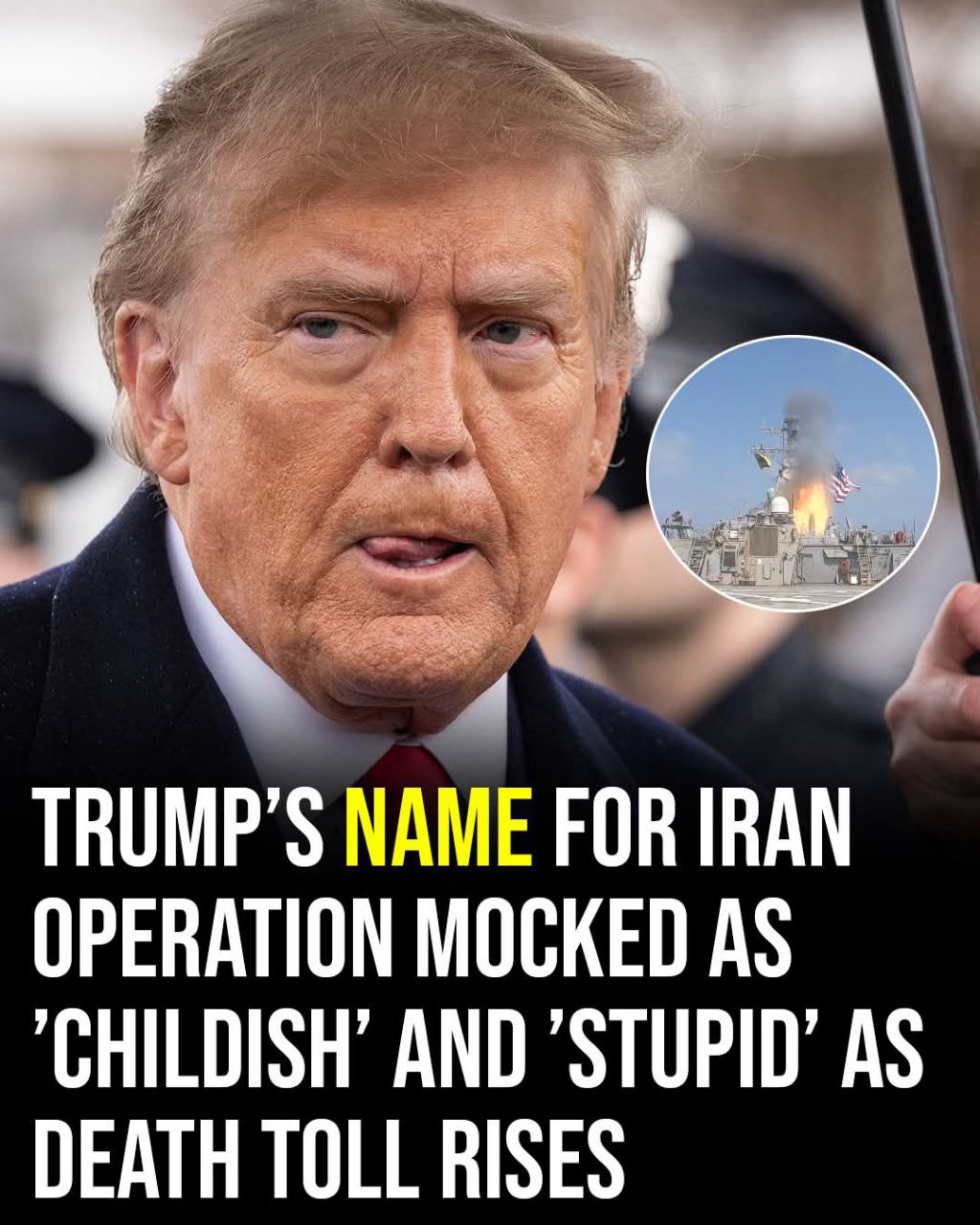
According to various commentators and political critics, the campaign has been referred to in some discussions as “Operation Epic Fury.” The name quickly became a focal point of debate, with critics arguing that such branding feels out of place when discussing military conflict and the serious human consequences that accompany it.
On social media platforms and political forums, many users described the name as sounding more like the title of an action movie or video game rather than a formal military designation. Some commentators suggested that dramatic naming conventions can unintentionally trivialize the gravity of real-world conflict, particularly when discussions involve potential casualties and regional instability.
Military operations have historically received code names, often designed to convey strategic goals or maintain operational secrecy. However, critics argue that certain names can shape public perception in ways that blur the line between strategic messaging and spectacle.
The broader conversation reflects growing concerns about how modern conflicts are discussed in the digital age. In an era when news spreads instantly through social media, symbolic elements—such as operation names, slogans, or messaging—can sometimes attract as much attention as the underlying events themselves.
Foreign policy analysts also point out that language plays an important role in international diplomacy. A name perceived as overly dramatic or provocative can influence how allies, adversaries, and global audiences interpret the intentions behind a military campaign.
At the same time, supporters of strong military messaging often argue that bold language can serve as a psychological tool intended to project confidence and deterrence. From this perspective, assertive branding is seen as part of a broader communication strategy aimed at signaling strength to potential adversaries.
The debate surrounding the reported name illustrates a larger issue in modern geopolitics: the intersection between military strategy, political messaging, and public perception.
While speculation about potential operations continues to circulate, analysts emphasize that verified information from official sources remains essential before drawing conclusions about events on the ground. In situations involving international conflict, early reports can often be incomplete or misleading, making careful verification critical.
Ultimately, the discussion highlights how global audiences now experience geopolitical crises not only through official briefings or traditional media but also through viral headlines, commentary, and online debate.
As tensions in the region continue to draw international attention, observers say the most important focus should remain on credible reporting and the real-world implications of political decisions—rather than the spectacle created by dramatic headlines or controversial operation names.