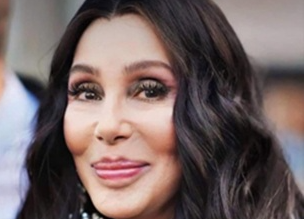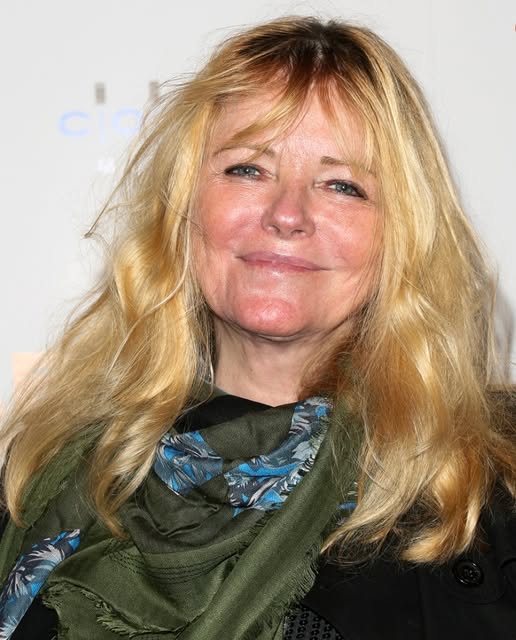
Cheryl Tiegs is often regarded as one of the early figures who helped shape the modern idea of the American supermodel. Rising to prominence during the 1970s, she quickly became a recognizable cultural icon admired for her natural beauty, approachable personality, and success across fashion and media.
She was born on September 25, 1947, in Breckenridge, Minnesota. During her early childhood, her family relocated to California, where she spent most of her formative years.
Growing up in a supportive environment, Tiegs developed a confident and curious character that later helped her navigate the highly competitive world of modeling.
As a teenager, she attended Alhambra High School in California. At the time, a modeling career was not part of her plans. Her entry into the fashion industry happened almost unexpectedly.
A friend encouraged her to send photographs to a modeling agency, believing she had the look that agencies were searching for. What began as a simple suggestion soon opened doors that would dramatically change the direction of her life.
At only seventeen years old, Tiegs received a major break when she appeared in a fashion spread in Glamour magazine. The exposure from that early opportunity helped introduce her to a national audience and quickly attracted attention from the fashion industry.
Her “girl-next-door” appearance set her apart from many models of the era. Instead of projecting an unreachable image, Tiegs represented a natural, healthy style that resonated with audiences across the United States.
As her popularity grew, she began appearing on the covers of influential magazines such as Sports Illustrated and Vogue. These publications played a key role in shaping global fashion culture, and appearing on their covers significantly elevated her profile.
Tiegs became especially associated with the Sports Illustrated Swimsuit Issue, appearing on its cover multiple times throughout the late 1970s and early 1980s. These appearances helped establish her as one of the most recognizable models of her generation.
A defining moment in her career came in 1978 when a poster featuring Tiegs in a pink bikini became widely popular across the United States. The image quickly turned into one of the best-selling posters of its time.
That single photograph transformed her from a successful model into a household name. At a time when media exposure for models was far more limited than it is today, the poster introduced her image to millions of people who might never have followed fashion magazines.
Throughout the late 1970s and into the 1980s, Tiegs continued appearing in prominent advertising campaigns and editorial features. Her professionalism, combined with a warm and relatable public image, allowed her to maintain a remarkably long modeling career.
Her cultural impact extended beyond fashion publications. Tiegs also appeared on the cover of Time magazine—an unusual honor for a model—highlighting how her influence had reached far beyond the fashion world.
Beyond editorial work, she became one of the early examples of a model successfully building a personal brand. Her career expanded into endorsements, public appearances, and business partnerships.
During the 1980s, she collaborated with major companies to develop clothing and fitness products, demonstrating how models could transform fame into entrepreneurial ventures.
Although modeling remained her main focus, Tiegs also experimented with acting. She made guest appearances on television and occasionally participated in film projects.
One of her television appearances was in the popular 1980s drama-comedy Moonlighting. These roles allowed her to explore another creative side of the entertainment industry.
Later, she appeared in the sitcom Just Shoot Me!, a series set inside a fashion magazine environment, making it a natural fit for someone with her background.
She also made cameo appearances in films such as The Brown Bunny and later Sharknado 4: The 4th Awakens, showing her willingness to participate in lighter, playful roles.
Eventually, however, Tiegs decided not to pursue acting as a full-time career. Instead, she gradually focused more on family life, personal interests, and advocacy work.
Her personal life included several marriages as well as the experience of raising children while maintaining a public career. She became the mother of three, including twin sons born via surrogate in 2001.
Motherhood became an important part of her life. In interviews, she has spoken about how raising her children shifted her priorities and encouraged her to build a stable and supportive home environment.
Outside of family life, Tiegs developed a growing interest in environmental awareness and conservation. She became passionate about protecting natural environments and encouraging sustainable living.
Her curiosity about environmental issues led her to travel to different regions of the world. She visited places such as the Canadian Arctic, where she observed firsthand the effects of climate change on fragile ecosystems.
Another journey took her to Mexico’s Copper Canyon region, where she explored the connection between natural landscapes and the communities that rely on them. Experiences like these strengthened her commitment to environmental education.
Over time, Tiegs began using her public voice to promote conservation, environmental responsibility, and the protection of natural resources.
Her advocacy focused mainly on raising awareness and encouraging healthier lifestyles rather than engaging directly in political debates.
Health and wellness also became central themes in her life. She has frequently emphasized balanced nutrition, regular exercise, and emotional well-being as essential elements of a healthy lifestyle.
Yoga, in particular, became one of her favorite forms of exercise. She has often credited the practice for helping maintain flexibility, mental clarity, and physical health as she grew older.
In addition to physical activity, Tiegs has spoken about the importance of healthy eating habits. She encourages people to focus on fresh foods, moderation, and mindful choices instead of extreme dieting.
Her dedication to wellness has helped keep her in the public eye. In 2012, she was included on Men’s Health magazine’s list of the “100 Hottest Women of All Time.”
This recognition demonstrated how enduring her public image remained decades after her rise to fame during the modeling boom of the 1970s.
However, her public career has also included moments of controversy. In 2016, Tiegs commented on Sports Illustrated’s decision to feature plus-size model Ashley Graham on the cover of its swimsuit issue.
Speaking during a segment on E! News, Tiegs expressed concerns that media coverage sometimes celebrates body extremes instead of encouraging healthier lifestyles.
Her remarks quickly sparked debate across the fashion industry and on social media, where discussions about body image and representation were already evolving.
Some critics felt her comments were dismissive toward the body-positivity movement, while others interpreted them as an attempt to raise questions about health rather than appearance.
In 2017, Tiegs clarified that her statements had been misunderstood. She explained that her intention had been to emphasize health and not to criticize individuals.
She also stated that she did not know Ashley Graham personally and had no insight into her personal health.
Despite the controversy, Tiegs has remained active in conversations about wellness, environmental awareness, and healthy living.
Now in her late seventies, she continues to maintain an active lifestyle. She often emphasizes that staying mentally and physically engaged plays a key role in long-term health.
Reading, traveling, and spending time with supportive friends are among the activities she values most in everyday life.
Her outlook on aging has also evolved. Rather than focusing solely on appearance, she encourages people to see aging as an opportunity for personal growth, wisdom, and self-reflection.
Many admirers still consider Tiegs a symbol of timeless elegance. Her career reflects a period when fashion models began gaining recognition as cultural figures rather than anonymous faces in advertisements.
When she first rose to prominence, the idea of the “supermodel” was still developing. Models during the 1970s rarely received the level of celebrity attention that later generations would experience.
Unlike today’s modeling industry—dominated by social media and constant public exposure—Tiegs built her reputation mainly through print media and television.
She has mentioned in interviews that modeling in her era often felt more spontaneous and less shaped by constant public scrutiny.
Many observers believe Tiegs helped open the door for the globally recognized supermodels who dominated fashion headlines during the 1980s and 1990s.
Her ability to combine modeling success with entrepreneurship, family life, and advocacy showed that a career in fashion could extend far beyond magazine covers.
Over the decades, she has remained a respected voice in conversations about beauty, wellness, and environmental responsibility.
Although the fashion world has changed dramatically since her rise to fame, Cheryl Tiegs’ legacy continues to reflect the lasting influence of the earliest supermodels.
Her story demonstrates how determination, adaptability, and curiosity can shape a career that evolves across decades.
Today, Tiegs is remembered not only for her famous photographs and magazine covers, but also for her efforts to encourage healthier living and environmental awareness.
Her long public presence reflects a career built on authenticity, resilience, and the ability to adapt to changing cultural landscapes.
For many admirers, she remains a symbol of classic American beauty paired with thoughtful advocacy—showing how public figures can use their influence to promote meaningful causes.
Decades after her breakthrough, Cheryl Tiegs continues to inspire interest and admiration, representing a blend of fashion history, personal reinvention, and dedication to living with balance and purpose.