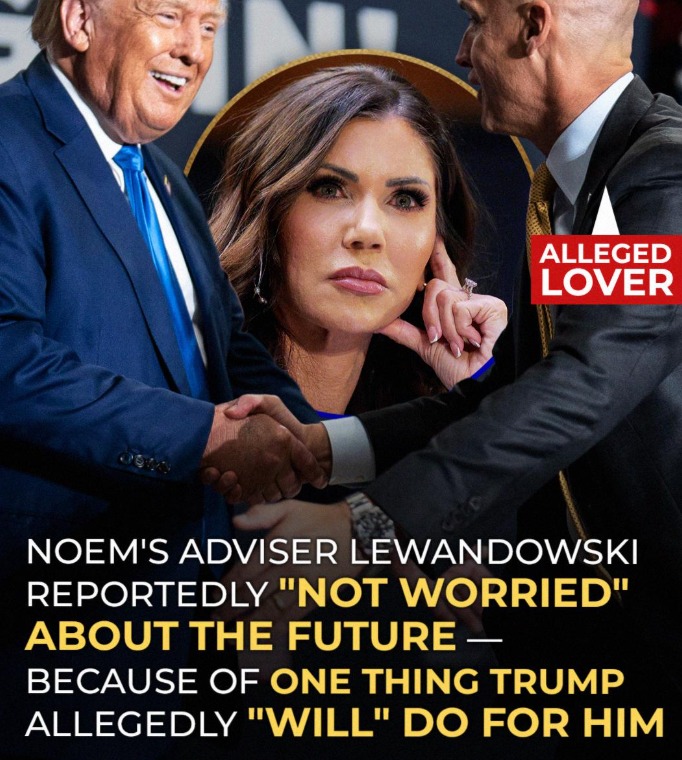
Why Kristi Noem’s Adviser Corey Lewandowski Drew Scrutiny During a Congressional Hearing
Political tensions briefly rose in Washington, D.C., after a tense moment during a congressional hearing involving Kristi Noem. The exchange took place before the United States House Oversight Committee, where lawmakers were questioning officials about government oversight and leadership responsibilities.
During the hearing, Sydney Kamlager-Dove posed a pointed question regarding Noem’s connection to political adviser Corey Lewandowski. The inquiry quickly drew attention in the hearing room and from observers following the proceedings.
A Heated Exchange
Noem responded strongly to the question, rejecting its premise and describing it as “tabloid gossip.” She argued that the topic was inappropriate for a congressional setting and unrelated to the policy issues under discussion.
However, lawmakers who raised the issue framed their concerns differently. They suggested that relationships between government officials and advisers can become relevant when those individuals may influence policy decisions or administrative actions.
From their perspective, transparency becomes especially important when advisers are involved with agencies responsible for major national responsibilities.
Lewandowski’s Government Role
Part of the discussion focused on Lewandowski’s status as a “special government employee.” This designation allows individuals from outside the federal workforce to temporarily advise government agencies without becoming permanent staff members.
While this type of arrangement is relatively common in Washington, it can raise questions about how much authority such advisers hold and where the boundaries lie between informal guidance and official decision-making power.
Reports from media outlets, including coverage cited by The New York Post, suggested that Lewandowski had taken part in discussions related to staffing and internal operations within the department. Those reports helped fuel broader scrutiny surrounding the situation.
Lewandowski Responds to Allegations
Lewandowski has denied any wrongdoing connected to his advisory role. He stated that he has not used political connections for personal advantage and rejected suggestions that he sought special treatment or legal protection.
His response emphasized that his involvement was limited to providing advice rather than exercising formal authority.
A Larger Debate in Washington
Beyond the specific exchange during the hearing, the moment reflects a recurring debate in American politics: how much influence informal advisers should have in government decisions.
Observers often note that Washington regularly relies on outside experts, consultants, and advisers. Yet those arrangements can also raise concerns about transparency, accountability, and public trust.
For analysts watching the hearing, the incident highlighted how quickly questions raised during congressional proceedings can evolve into broader conversations about ethics, leadership judgment, and the balance between personal relationships and official duties.
In a political environment where public scrutiny is constant, even a single question can open the door to deeper discussions about how influence and responsibility operate within the U.S. government.